West Virginia Bag and Possession Limits by Species
There's nothing quite as frustrating as landing a beautiful fish in West Virginia, only to realize you're unsure if you can legally keep it or how many more you're allowed. The rules can feel like a maze, especially with different limits for different species and waterways. This guide is here to untangle that confusion, providing clear, in-depth explanations of West Virginia's fishing bag and possession limits by species, so you can fish with confidence and stay on the right side of the law.
Understanding West Virginia's Fishing Limits: Why They Matter
When you're out on the water, the last thing you want to worry about is whether you're breaking the rules. West Virginia's Division of Natural Resources (WV DNR) sets specific regulations, including daily bag and possession limits, for a really good reason: to protect our precious fish populations and ensure healthy fisheries for generations to come. It’s not just about compliance; it’s about conservation. These limits help prevent overfishing of certain species, especially those that are slower growing or have specific spawning patterns that make them vulnerable. Without them, our beloved fishing spots could quickly become barren, and no one wants that.
The Difference Between Daily Bag and Possession Limits
It's easy to mix these two up, but they're distinct and both incredibly important. Think of it this way:
- Daily Bag Limit: This refers to the maximum number of fish of a particular species you can harvest and keep in one calendar day, from midnight to midnight. So, if the daily bag limit for smallmouth bass is six, you can only keep six smallmouth bass during that 24-hour period, no matter how many times you go out fishing or which waters you visit within the state that day. Once you've kept your six, you're done for the day for that species. You can often find this information clearly laid out in the official West Virginia Fishing Regulations Explained summary.
- Possession Limit: This is the total number of fish of a specific species you can have in your actual physical possession at any given time. This includes fish at your home, in your cooler, in your vehicle, or at your campsite. Typically, the possession limit is set at twice the daily bag limit, but not always. For instance, if the daily bag limit is six trout, the possession limit might be twelve. This rule is designed to prevent anglers from stockpiling large quantities of fish over multiple days, again, for conservation purposes. It ensures that the daily limits are truly effective in managing the harvest.
It's crucial to understand both, especially if you're on a multi-day fishing trip or if you plan to keep fish from several outings. Always check the current regulations, as they can sometimes vary.
Why Regulations Change and How to Stay Updated
West Virginia's fishing regulations aren't set in stone forever. They're dynamic, evolving based on scientific research, population surveys, environmental factors, and even angler feedback. The WV DNR constantly monitors the health of our fisheries. For example, if a particular species' population is declining due to habitat loss, disease, or increased fishing pressure, they might reduce bag limits or increase minimum size restrictions to help it recover. Conversely, if a species is thriving, they might loosen restrictions slightly.
Environmental changes, like water temperatures or drought conditions, can also play a role. A harsh winter or a particularly hot summer can impact fish spawning success or survival rates, prompting regulatory adjustments. That's why it's absolutely essential to stay current.
Here's how you can make sure you're always up-to-date:
- Annual Regulation Summary: Every year, the WV DNR publishes a comprehensive fishing regulations summary. You can usually pick up a physical copy wherever you buy your West Virginia Fishing License Guide for 2026, like at bait shops or sporting goods stores, or download a PDF directly from the WV DNR website. Making it a habit to read through this document before your first trip of the season is your best bet.
- WV DNR Website & Social Media: The official WV DNR website is a treasure trove of information, including real-time updates on regulations, stocking schedules, and any emergency closures. Following their social media channels can also provide quick alerts about changes.
- Local Bait Shops and Guides: Often, the folks who work at local bait and tackle shops or professional fishing guides are incredibly knowledgeable about the immediate area's regulations and any recent changes. They're a fantastic resource for hyper-local insights you might not find elsewhere.
Always remember, ignorance of the law is no excuse. It's your responsibility as an angler to know and follow the rules, which ultimately benefits everyone who loves fishing in the Mountain State.
Trout Limits: What You Need to Know for WV's Favorite
Trout fishing is practically a religion for many folks in West Virginia, and for good reason! Our state boasts some incredible trout waters, from roaring rivers to serene mountain streams. Because trout are so popular, and many of them are stocked, the regulations surrounding them can be a bit more nuanced than for other species. It's not just a blanket rule; it often depends on where you're fishing.
General Trout Regulations for Stocked Waters
For the vast majority of West Virginia's stocked trout waters – and let's face it, we have a lot of them – the rules are fairly straightforward. These are the streams, rivers, and lakes that the WV DNR regularly stocks with rainbow, golden rainbow, brown, and sometimes brook trout.
Currently, the general daily creel (bag) limit for trout in most stocked waters is six (6) trout per day. This means you can keep up to six trout of any species combined from these waters within a 24-hour period. The statewide possession limit for trout in these general regulation waters is twelve (12) trout. So, if you're on a weekend camping trip, you could theoretically have six in your cooler from Saturday's fishing and another six from Sunday's, bringing your total possession up to twelve.
It's important to remember that a valid Trout Stamps and Trout Fishing Rules in West Virginia is required to keep trout, even if you possess a general fishing license. Always ensure you have both the proper licenses and stamps before heading out. The trout are usually of a catchable size when stocked, but there isn't typically a minimum size limit for stocked trout in general regulation waters, making them accessible for anglers of all skill levels. However, checking the specific rules for the water you intend to fish is always a smart move, just in case there's an unusual local regulation.
Special Regulation Trout Streams and Their Unique Rules
Ah, but West Virginia loves to keep things interesting! Beyond the general stocked waters, we have a number of "Special Regulation Waters" specifically managed for trophy trout, wild trout, or specific angling methods. These areas have much stricter, and often lower, bag limits, or even length restrictions to promote quality fisheries. These special rules are in place because these waters often have naturally reproducing trout populations, or they are managed for a "put-grow-and-take" fishery where trout are stocked smaller and allowed to grow to trophy sizes.
Examples of special regulation waters include sections of the Cranberry River, Shavers Fork, Elk River, and other pristine mountain streams. The rules here can vary widely:
- Reduced Bag Limits: Some special regulation areas might have a daily bag limit of two (2) trout per day, or even just one (1) trout per day.
- Minimum Size Limits: To protect smaller, growing fish, these waters often impose a minimum length requirement, sometimes 12 inches, 14 inches, or even more, before you can keep a trout.
- Gear Restrictions: You might also find restrictions on the type of bait or lures you can use, like "fly-fishing only" or "artificial lures with single barbless hooks only."
It's absolutely paramount to consult the current West Virginia Fishing Regulations Summary for the specific details of any special regulation water you plan to visit. Missing these details could lead to a fine or other penalties. These areas are truly gems, offering unique challenges and rewards, but they demand your respect for their unique rules. Look for signs posted at access points, and if you're ever in doubt, practice catch and release!
Catch and Release Only Waters
Taking conservation a step further, West Virginia also designates certain streams or stream sections as "Catch and Release Only" waters for trout. As the name implies, in these areas, no trout may be kept. Every fish you catch must be immediately and carefully released back into the water. These areas are designed to create unique fishing experiences where anglers can enjoy catching numerous fish without impacting the population, often leading to more frequent encounters with larger, wilder trout.
Typically, these "Catch and Release Only" designations come with very specific gear restrictions as well, often limiting anglers to fly-fishing or artificial lures with single, barbless hooks. This minimizes harm to the fish, increasing their chances of survival after being caught. Locations like the upper sections of the Cranberry River and specific stretches of the Elk River are well-known for their catch-and-release opportunities.
When fishing these areas, it's not just about releasing the fish, but releasing them properly. Minimize handling, keep the fish in the water as much as possible, and use proper de-hooking tools. This ensures the fish has the best chance to swim away healthy and be caught again another day. Even though you're not keeping fish, you still need your general fishing license and trout stamp to legally fish these waters. Understanding West Virginia Catch and Release Rules for Trout is key to enjoying these special areas responsibly.
Black Bass Regulations: Smallmouth, Largemouth, and Spotted
Black bass—smallmouth, largemouth, and the less common spotted bass—are incredibly popular game fish throughout West Virginia. From the rugged New River Gorge to our tranquil lake coves, bass provide thrilling action for countless anglers. Due to their popularity and importance in the ecosystem, the WV DNR has established clear regulations to manage their populations. However, just like with trout, there are a few nuances depending on where you cast your line.
Statewide Daily and Possession Limits for Bass
For most of West Virginia's waters, the general regulations for black bass combine all three species—smallmouth, largemouth, and spotted bass—under a single set of limits. This makes it a bit easier to remember if you're fishing a typical lake or river without special rules.
The statewide daily bag limit for black bass is six (6) bass total, which can be any combination of smallmouth, largemouth, or spotted bass. This means if you catch three largemouth and three smallmouth, you've hit your daily limit. The possession limit, consistent with many other species, is generally twice the daily limit, or twelve (12) bass total.
There is also a statewide minimum size limit of 12 inches for black bass. Any bass you intend to keep must measure at least 12 inches from the tip of the nose to the end of the tail (with the tail compressed). This regulation is in place to allow younger bass to grow to maturity and spawn at least once, contributing to future generations before being harvested. This minimum size protects the breeding stock and helps maintain healthy populations across our diverse waters. Always carry a reliable measuring device with you, and if you're unsure about a fish's length, it's always best to release it to fight another day.
The New River Smallmouth Bass Slot Limit Explained
One of the most significant exceptions to the general bass rules, and one that every smallmouth enthusiast needs to know, applies to the incredible New River. This ancient river is world-renowned for its trophy smallmouth bass fishing, and the WV DNR has implemented a special slot limit to protect these larger, more valuable breeding fish. Understanding the New River Smallmouth Bass Slot Limit Explained is crucial if you plan to fish this iconic waterway.
A slot limit means that only fish within a certain "slot" (size range) can be kept, while fish below and above that slot must be released. For the New River (and its tributaries upstream from Kanawha Falls), the specific slot limit for smallmouth bass is:
- Daily Bag Limit: two (2) smallmouth bass per day.
- Size Restriction: Only one (1) smallmouth bass can be less than 12 inches in length, and only one (1) smallmouth bass can be 16 inches or greater in length. No smallmouth bass between 12 and 16 inches may be kept.
This unique regulation means you could keep one smallmouth under 12 inches and one over 16 inches in a single day, but you cannot keep any fish that fall within that 12 to 16-inch "protected slot." The reasoning behind this is brilliant: it allows anglers to harvest some smaller, younger fish, and some truly large, trophy-sized fish (which are often past their prime breeding years), while protecting the robust breeding stock (the 12-16 inch fish) that are most vital for the river's health. This ensures the New River continues to produce those incredible, hard-fighting smallmouth that draw anglers from all over.
Exceptions and Special Bass Regulations
While the statewide limits and the New River slot limit cover most scenarios, it's worth noting that some specific lakes or localized areas might have unique bass regulations. These are usually established for targeted management goals, such as fostering a trophy fishery in a particular lake or addressing specific ecological concerns.
For example, a lake might have a more restrictive minimum size limit (e.g., 15 inches) or a reduced daily bag limit if it's being managed for larger bass. Conversely, some smaller impoundments might have no size limits if the population is stunted due to overpopulation of smaller bass.
Here are a few scenarios where you might encounter different bass rules:
- Trophy Bass Lakes: Some lakes are managed to grow exceptionally large bass, and may have higher minimum size limits or even catch-and-release requirements for a period.
- Community Ponds: Smaller, frequently fished ponds in urban or suburban areas might have different rules to allow for more harvest, especially if they are regularly stocked.
- Tournament Exemptions: Organized fishing tournaments often operate under specific permits that grant temporary exemptions to certain limits, though these are typically strict catch-and-release events.
Always, always double-check the current WV DNR fishing regulations for the specific body of water you plan to fish, particularly if you're venturing to a new or less-frequented spot. You can usually find these specifics detailed for individual waters in the official regulations summary. Staying informed helps protect our bass fisheries and ensures your outing is enjoyable and legal.
Walleye and Sauger: Delicious Limits in Mountain State Waters
Walleye and sauger are prized catches in West Virginia, known for their delectable fillets and challenging pursuit. While they might not be as widespread as bass or trout, they offer fantastic fishing opportunities in certain rivers and impoundments. Understanding their specific regulations is crucial, especially since they often share similar habitats and can be confused with each other.
General Walleye and Sauger Limits
For most inland waters in West Virginia where walleye and sauger are found, the regulations are designed to sustain healthy populations while allowing for a reasonable harvest. These general limits apply to many of our larger reservoirs and rivers, but always pay close attention to the Ohio River, which has its own set of distinct rules.
The statewide daily bag limit for walleye is generally six (6) walleye per day. The minimum size limit for walleye is typically 15 inches. This means any walleye you keep must be at least 15 inches from the tip of the nose to the end of the tail. This size limit helps ensure that walleye have a chance to mature and spawn, maintaining their population health.
For sauger, which are generally smaller cousins of the walleye, the daily bag limit in most inland waters is also six (6) sauger per day. There isn't always a statewide minimum size limit for sauger in inland waters, though specific waters could have one. However, the Ohio River does have a sauger minimum size limit, which we'll discuss next.
The possession limit for both walleye and sauger in most general regulation waters is twelve (12) fish total for each species, meaning twice the daily bag limit. This allows for multi-day trips where you might accumulate your daily limits. Being aware of these limits helps preserve the resource and allows everyone to enjoy catching these fantastic fish. You can find these details specifically under West Virginia Walleye Daily and Possession Limits in the regulations summary.
Ohio River Specific Walleye and Sauger Regulations
The Ohio River is a massive and unique fishery, and as such, it often has special regulations that differ from inland West Virginia waters. This is partly due to interstate compacts with Ohio and Kentucky, aiming for consistent rules across the shared waterway. If you're planning to fish the Ohio River, pay very close attention to these rules, as they are distinct.
For walleye on the Ohio River, the daily bag limit is six (6) fish. However, there's a minimum size limit of 15 inches. This is consistent with the inland walleye regulations, making it a bit easier to remember.
Where things often differ is with sauger. On the Ohio River, the daily bag limit for sauger is much more generous: ten (10) fish per day. The minimum size limit for sauger on the Ohio River is 10 inches. This allows for a good harvest of these smaller, abundant fish while protecting the younger ones.
For both species, the aggregate daily bag limit for walleye and sauger combined on the Ohio River is ten (10) fish. This means you could catch 6 walleye and 4 sauger, or 3 walleye and 7 sauger, but your total kept fish of these two species combined cannot exceed ten. The possession limit for walleye and sauger on the Ohio River follows the standard of twice the daily bag limit.
Navigating Ohio River Fishing Rules for West Virginia Anglers requires careful attention to these specifics. The Ohio River is a fantastic fishery, and understanding these precise limits ensures a successful and compliant trip. It’s always a good idea to have a copy of the regulations handy, perhaps stored digitally on your phone or a printed version in your tackle box, for quick reference while on the water.
Muskie and Northern Pike: Trophy Fish with Strict Rules
Muskellunge (often just called muskie) and northern pike are the apex predators of many West Virginia waters. These powerful, elusive fish are true trophies, challenging even the most dedicated anglers. Because they are slower-growing, fewer in number, and highly sought after, their regulations are among the strictest in the state, focusing heavily on minimum size limits to protect mature breeding fish.
Statewide Muskie Limits and Minimum Sizes
Muskellunge are often referred to as "the fish of 10,000 casts," a testament to their difficulty. West Virginia is fortunate to have several premier muskie fisheries, particularly on rivers like the New, Elk, and Little Kanawha, and lakes like Stonewall Jackson and Burnsville. To ensure these populations thrive and continue to produce truly large fish, the WV DNR has implemented very protective regulations.
The statewide daily bag limit for muskie is extremely restrictive: one (1) muskie per day. This is one of the lowest daily limits for any species in West Virginia, reflecting the trophy status and conservation importance of this fish. The possession limit for muskie is also one (1) fish. This means you cannot accumulate muskie over multiple days; the one you keep is the only one you can have in your possession until that one is consumed.
Even more crucial is the minimum size limit for muskie: 40 inches. This is a substantial length, meaning you must measure any muskie you catch, and if it's even an inch under 40 inches, it must be immediately released. This large minimum size allows muskie to reach full maturity, spawn multiple times, and grow into the true giants that make West Virginia famous for muskie fishing. These regulations are designed to create a "trophy" fishery, where anglers primarily target and release large fish.
Given the intense fight these fish put up and the need for careful measurement and release, it's essential to have the right gear. A large, rubberized landing net (available on Amazon, for example, to prevent fin damage) and long-nosed pliers or jaw spreaders are crucial for handling muskie safely and effectively, minimizing stress before release. Check out Muskie Regulations in West Virginia Waters for more detailed information on specific muskie waters.
Northern Pike Rules in West Virginia
While muskie are relatively widespread, northern pike are much less common in West Virginia. They are not native to the state, and their populations are generally limited to a few specific waters where they were introduced, most notably in Cheat Lake and some stretches of the Monongahela River. Because they are not a primary management species across the state, their regulations tend to be more straightforward.
For northern pike, the statewide daily bag limit is generally six (6) pike per day. There is a statewide minimum size limit of 24 inches for northern pike. Like muskie, this minimum size ensures that these predatory fish have sufficient time to grow and reproduce, contributing to a stable population in the limited waters where they exist. The possession limit for northern pike is typically twelve (12) fish, twice the daily limit.
It's important not to confuse northern pike with chain pickerel, which are a smaller, native species that can be found in some of the same waters. Chain pickerel have distinct chain-like markings and a fully scaled operculum (gill cover), while northern pike have a partially scaled operculum and bean-shaped spots. Always double-check your identification, especially when dealing with similar-looking species with different regulations.
If you're targeting northern pike, especially in a localized fishery like Cheat Lake, it's always wise to consult the most recent WV DNR fishing regulations. While the general rules often apply, specific lake management plans could introduce localized restrictions or recommendations.
Catfish Species: Channel, Flathead, and Blue Catfish Limits
Catfish are a truly iconic part of West Virginia's fishing scene. Whether you're targeting big flatheads in our major rivers or smaller channel cats in ponds, they offer fantastic opportunities for anglers of all ages. West Virginia is home to healthy populations of channel catfish and flathead catfish, and while blue catfish are less common, they are present in some larger river systems. Generally, catfish regulations are quite generous, reflecting their abundance and popularity as a food fish, but there are always nuances to consider.
General Catfish Limits for Most Waters
For most of West Virginia's rivers, lakes, and ponds, the daily and possession limits for channel catfish and flathead catfish are designed to allow for a good harvest. These fish are generally prolific and resilient, making them a sustainable choice for anglers looking to fill their coolers.
For channel catfish, the statewide daily bag limit is usually ten (10) fish per day. There is typically no minimum size limit for channel catfish in most West Virginia waters. This flexibility makes them a great target for family fishing trips where the goal is often to catch a good number of eaters. The possession limit for channel catfish is generally twenty (20) fish, which is twice the daily limit.
For flathead catfish, which can grow to immense sizes and are often targeted as trophy fish, the statewide daily bag limit is more restrictive: four (4) fish per day. Like channel catfish, there is typically no minimum size limit for flathead catfish in most waters, though some specific trophy waters might have recommendations or special rules. The possession limit for flathead catfish is usually eight (8) fish.
Regarding blue catfish, which are less common, they are usually included in the general catfish aggregate limits where present. However, if you encounter them, always defer to the general catfish regulations or check for any specific local rules if you suspect a significant population.
These generous limits mean you can often have a very productive day targeting catfish, whether you're using stink baits for channels or live bait for flatheads. Just be sure to bring a sturdy cooler!
Specific Rules for Trophy Catfish Waters
While general catfish limits are quite open, there are certain waters in West Virginia that are managed to produce truly massive, trophy-sized catfish, particularly flatheads. In these areas, the WV DNR might implement specific recommendations or slightly altered regulations to protect these larger fish and ensure they continue to grow.
For instance, while there might not be a mandatory minimum size limit, some areas might recommend releasing flathead catfish over a certain size (e.g., 30 inches or more). This is often an unwritten angler's etiquette rather than a hard-and-fast rule, encouraging the return of large breeding females to the river system. These very large fish are critical to the genetics and long-term health of the population.
Some of the larger river systems, especially the Ohio River, and certain large reservoirs like Bluestone Lake or Summersville Lake, are known for their potential to produce monster flatheads. Anglers often travel great distances to target these fish. In these situations, ethical anglers who are focused on trophy hunting will often photograph their catch quickly and release the fish unharmed, rather than keeping them.
It's also worth noting that while regulations focus on daily and possession limits, smart anglers consider the health of the fishery. Even with liberal limits, taking only what you need and releasing healthy, large breeding fish contributes to a sustainable future for catfish fishing in West Virginia. Always consult the official regulations and consider the spirit of conservation when fishing our amazing catfish waters.
Panfish and Other Species: Bluegill, Crappie, Perch, and More
While the spotlight often shines on bass, trout, and muskie, West Virginia's panfish and other "miscellaneous" species offer some of the most accessible and enjoyable fishing opportunities, especially for families and new anglers. Bluegill, crappie, yellow perch, and white bass are abundant, cooperative, and delicious! Their generous limits reflect their healthy populations and relatively fast growth rates, making them a perfect target for filling a cooler for a fish fry.
Common Panfish Daily and Possession Limits
Panfish are typically found in nearly every lake, pond, and slow-moving river section across the state. They are a staple for many anglers due to their willingness to bite and their excellent table fare.
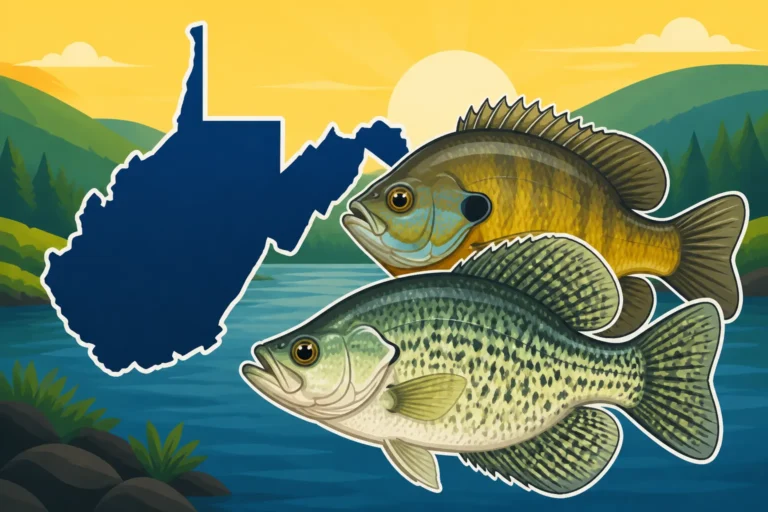
For bluegill, sunfish (other than redbreast and rock bass), and crappie (both black and white crappie), the daily bag limit is wonderfully liberal: 30 fish per day, in aggregate. This means you can keep a combined total of 30 bluegill, crappie, and other sunfish. The possession limit for these panfish is 60 fish, or twice the daily bag limit. There are typically no minimum size limits for these common panfish, allowing anglers to keep fish of all sizes they catch.
Yellow perch also fall into this generous category, usually sharing the same 30 fish per day aggregate daily bag limit with no minimum size. The possession limit, again, is 60 fish.
This means you can have a truly fantastic day targeting these species, making them ideal for kids or anyone looking for consistent action. Whether you're using worms under a bobber for bluegill or minnows for crappie, you can often catch enough for a wonderful meal without worrying about hitting restrictive limits. Just make sure you're properly identifying your catch, especially if you're venturing into areas with more unique sunfish species.
Limits for White Bass, Striped Bass Hybrids, and Others
Beyond the main panfish, West Virginia has several other exciting game fish with their own specific regulations. These often bridge the gap between panfish and larger predatory species.
White Bass: These feisty fish are known for their aggressive schooling behavior and strong fights, especially during spring runs. The daily bag limit for white bass is generally 15 fish per day, with no minimum size limit. The possession limit is 30 fish. White bass provide excellent action and are fantastic table fare.
Striped Bass Hybrids (Wipers): These powerful crossbreeds are stocked in several of West Virginia's large reservoirs, such as Summersville Lake and Sutton Lake, providing a unique big-fish experience. The regulations for hybrid striped bass are typically: a daily bag limit of four (4) fish, with a minimum size limit of 15 inches. The possession limit is eight (8) fish. These regulations help manage this valuable introduced fishery.
Redbreast Sunfish and Rock Bass: While most sunfish fall under the general 30-fish aggregate limit, redbreast sunfish and rock bass sometimes have slightly different rules in specific streams or sections where they are a primary game fish. Currently, they often share the general panfish limits, but it's always worth a quick check.
Trout (again, for clarity): It’s worth a quick reminder here, as mentioned earlier: trout have their own distinct limits. They do not fall under the general panfish aggregate limits. Their daily limit is 6, with a possession limit of 12, unless in special regulation waters.
Table: Summary of West Virginia General Fishing Limits (Most Common Species)
| Species Group | Daily Bag Limit (Most Waters) | Minimum Size (Most Waters) | Possession Limit (Most Waters) |
|---|---|---|---|
| Trout (Stocked) | 6 | None | 12 |
| Black Bass (Aggregate) | 6 | 12 inches | 12 |
| Walleye | 6 | 15 inches | 12 |
| Sauger | 6 | None (Ohio River: 10 in) | 12 (Ohio River: 20) |
| Muskellunge | 1 | 40 inches | 1 |
| Northern Pike | 6 | 24 inches | 12 |
| Channel Catfish | 10 | None | 20 |
| Flathead Catfish | 4 | None | 8 |
| Bluegill/Sunfish/Crappie/Yellow Perch | 30 (Aggregate) | None | 60 |
| White Bass | 15 | None | 30 |
| Striped Bass Hybrid | 4 | 15 inches | 8 |
Note: This table summarizes general regulations. Always consult the current WV DNR Fishing Regulations for specific water bodies and any potential changes.
Remember, when you're stocking up on tackle, consider what species you'll be targeting. For panfish, simple hooks, bobbers, and small weights are often all you need. You can find excellent starter kits and individual components on Amazon, making it easy to prepare for your next outing. Knowing the specific limits for each species ensures you’re prepared to comply with regulations, no matter what bites your hook!
Navigating Boundary Waters and Interstate Compacts
West Virginia shares borders with several other states, and where our rivers and lakes form these boundaries, things can get a little tricky with fishing regulations. It’s not uncommon to find yourself fishing in water that is legally shared by West Virginia and a neighboring state, like Ohio, Kentucky, Maryland, or Virginia. In these "boundary waters," special agreements, known as interstate compacts, are often in place to streamline regulations, but knowing the specifics is still paramount.
Ohio River Fishing Rules and Reciprocity
The Ohio River is arguably West Virginia's most significant boundary water, stretching along much of our western border. Fishing this mighty river offers fantastic opportunities for walleye, sauger, catfish, bass, and much more. To avoid confusion for anglers, West Virginia has reciprocal agreements with both Ohio and Kentucky concerning the Ohio River.
This reciprocity means that if you possess a valid fishing license from either West Virginia or Ohio (when fishing the WV/Ohio boundary), or from West Virginia or Kentucky (when fishing the WV/Kentucky boundary), you are generally permitted to fish the entire main stem of the Ohio River. You don't need a license from both states. This is a huge convenience for anglers who live near the border or travel between states.
However, here's the critical catch: while your license might be valid from either state, you must abide by the fishing regulations (including bag and possession limits, and size limits) of the state in which you are licensed. For example:
- If you have a West Virginia fishing license, you must follow West Virginia's regulations for the Ohio River.
- If you have an Ohio fishing license, you must follow Ohio's regulations for the Ohio River (even if you're technically on the West Virginia side of the river).
This distinction is incredibly important because, as we saw with walleye and sauger, regulations can differ between states. Always clarify which state's rules apply to your license, and carry a copy of those rules with you. This also applies to things like West Virginia Boating Laws for Anglers and boat registration, which typically follow the state of registration, but some safety equipment rules might be universal. It’s always best to be overly cautious than to risk a citation.
Potomac River and Other Boundary Water Considerations
Beyond the Ohio River, West Virginia shares other significant waterways with neighboring states, each with its own set of rules and agreements.
Potomac River (with Maryland and Virginia):
The North Branch of the Potomac River forms a significant portion of West Virginia's border with Maryland. Similarly, the mainstem Potomac and its tributaries like the South Branch and Shenandoah River can involve Virginia boundaries.
- Maryland Border: Generally, if you are fishing the mainstem of the North Branch Potomac River and its impoundments (like Jennings Randolph Lake), a valid fishing license from either West Virginia or Maryland is often accepted. However, the exact regulations (bag limits, size limits, creel limits) to follow can vary by specific section or species. Sometimes, reciprocal agreements dictate that the regulations of the state whose side of the river you are on apply. Other times, there might be specific "Potomac River Fisheries Commission" rules that supersede individual state rules. This area, especially for trout, can be complex, so always consult both WV DNR and Maryland DNR regulations.
- Virginia Border: For sections of the Potomac River and its tributaries shared with Virginia, similar reciprocal agreements may exist. Anglers often need to be acutely aware of which state's side of the river they are fishing from or which state's license they are using to determine the applicable rules. For instance, sections of the South Branch Potomac River shared with Virginia have complex agreements.
Other Smaller Boundary Waters:
Numerous smaller streams and rivers also cross state lines or form brief boundaries. While comprehensive reciprocity agreements might not exist for every tiny creek, the general principle holds: understand which state's jurisdiction you are primarily in, or if a specific compact covers that water.
Key Takeaway for Boundary Waters:
- Always Carry Your License: Make sure your fishing license is valid for the state you are claiming jurisdiction under.
- Know the Regulations for Your Licensed State: If you're licensed in West Virginia, you must follow West Virginia's rules for that boundary water. If licensed in the neighboring state, follow theirs.
- Check Annually: Reciprocal agreements and regulations can change. It's vital to check the current year's West Virginia Fishing Regulations Summary and, if possible, the regulations of the neighboring state, especially for the specific body of water you intend to fish.
Fishing these boundary waters offers a unique experience, allowing you to explore diverse fisheries. However, the responsibility falls on the angler to be meticulously informed about the applicable regulations. A quick check of the WV DNR website, or even a call to their customer service, can save a lot of headaches and ensure a smooth, legal fishing trip.
Disclaimer
Please remember that fishing regulations, including bag and possession limits, are subject to change by the West Virginia Division of Natural Resources (WV DNR). While this guide provides comprehensive information based on current general regulations, it is your responsibility as an angler to always consult the most recent official West Virginia Fishing Regulations Summary before each fishing trip. This document, available on the WV DNR website and at license vendors, is the definitive source for all legal fishing requirements in the state.