Where sauger live in West Virginia
Oh, the sauger! These often-overlooked cousins of the walleye are fantastic sport fish and even better table fare, but boy, can they be elusive if you don't know where to look. Many anglers, myself included, have spent frustrating hours on the water, convinced sauger must be there, only to come up empty-handed. It's a common challenge because they have very specific preferences for their habitat. This guide is all about helping you cut through that frustration by pinpointing exactly where sauger live in West Virginia, what kind of environments they favor, and how their locations change with the seasons.
Getting to Know West Virginia's Elusive Sauger
Before we dive into specific locations, let's clear up a common misconception and truly understand what makes a sauger tick. Many folks confuse them with walleye, and while they're definitely related, sauger have their own distinct preferences and habits that dictate where you'll find them. Knowing these nuances is your first step to consistent sauger success.
What Sets Sauger Apart from Walleye?
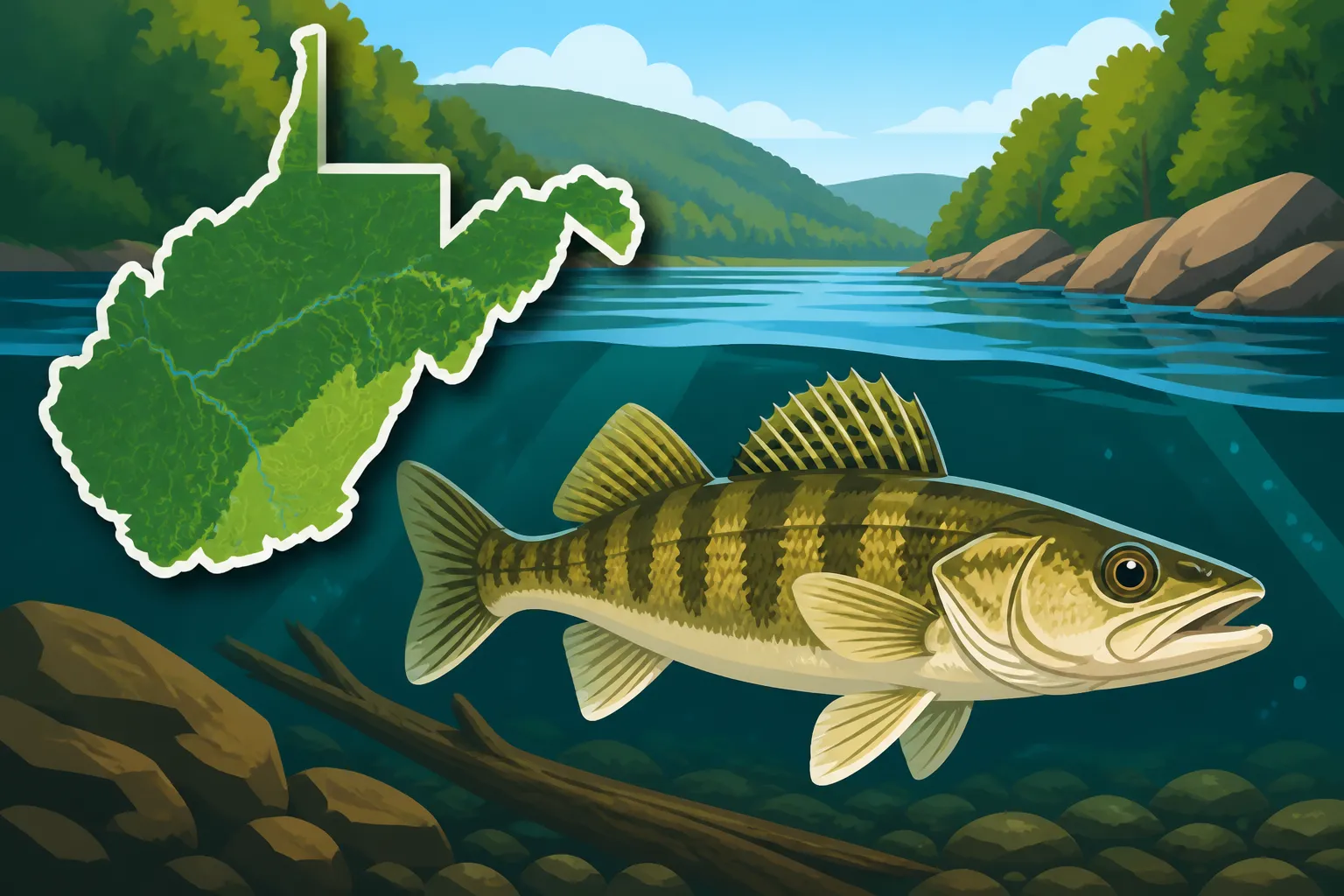
It's easy to mistake a sauger for a small walleye, especially when they're first pulled from the water. Both have those distinctive large, glassy eyes, adapted for low-light conditions. However, there are a few key differences you can spot, even when a fish is flopping on the deck. Sauger typically have distinct dark spots on their dorsal fin, rather than the uniform dusky coloration of a walleye's dorsal fin. They also lack the prominent white tip on the lower lobe of their tail fin that walleye famously possess. Size-wise, sauger generally don't grow as large as walleye; a trophy sauger in West Virginia might be in the 2-4 pound range, while a walleye could easily double that.
Beyond the physical appearance, their preferred habitats, which we'll get into, are also a major distinguishing factor. Walleye can be found in larger lakes and reservoirs, but sauger are almost exclusively river dwellers. Understanding these differences, both visually and behaviorally, will help you focus your efforts. For a deeper dive into identifying these fish, you might find our guide on What a sauger is and how it differs from a walleye very helpful.
The Ideal Environment for Sauger to Thrive
Sauger aren't just any river fish; they're quite particular about their surroundings. They absolutely love turbid (cloudy) water, often preferring it over the clearer conditions that walleye sometimes seek. This preference for murkier water helps them ambush prey, as their keen low-light vision gives them an advantage. You'll rarely find sauger in still, clear lakes; they are creatures of current. They actively seek out areas with moderate to strong current, often congregating behind current breaks like submerged rocks, wing dams, bridge pilings, or sharp river bends. These spots offer them a place to rest out of the main flow while still having an abundance of food washing by.
Depth is another critical factor. While they might move shallower during feeding or spawning events, sauger generally prefer deeper water, especially during the day and in colder months. Think deep channels, holes, and ledges. They are also highly sensitive to water temperature, preferring cooler water, which is why they become so active in late fall and winter. Knowing these habitat preferences means you're not just looking for "water" but for specific, sauger-friendly underwater real estate.
Prime West Virginia Waters for Sauger Hunters
When it comes to finding sauger in West Virginia, you're primarily going to be focusing on our larger river systems. These expansive, flowing waters provide the perfect blend of current, depth, and forage that sauger need to thrive.
The Mighty Ohio River: A Sauger Hotbed
Without a doubt, the Ohio River is West Virginia's premier destination for sauger fishing. This massive river, forming our western border, is essentially a sauger superhighway. The continuous flow, deep channels, and abundance of baitfish make it an ideal environment. You'll find sauger congregated around the many dams and lock systems that punctuate the river. The turbulent water immediately below these structures, as well as the deeper scour holes they create, are absolute magnets for sauger, especially during cooler months and spawning runs. Specific sections below dams, like those near New Martinsville, Parkersburg, and Huntington, are particularly renowned hotspots.
Beyond the immediate dam areas, look for deep main channel bends, underwater humps, and any significant changes in bottom contour. Current seams where faster water meets slower water are also prime ambush points. Boat anglers have an advantage here, allowing them to cover vast stretches of river and target specific structure using sonar. However, plenty of sauger are caught from shore, particularly below the dams where public access is available. If you're planning a trip to this incredible fishery, our comprehensive Ohio River Fishing Guide for West Virginia Anglers offers even more detailed insights. You'll find that anglers who consistently boat sauger often frequent these specific locations on the river. Many of these prime spots are highlighted in our Sauger fishing spots on the Ohio River guide.
Kanawha River: Another Key Sauger Fishery
While perhaps not as vast or well-known for sauger as the Ohio, the Kanawha River, particularly its lower reaches before it flows into the Ohio, is another fantastic option. The Kanawha is a large, navigable river with significant current and deep channels, especially near its confluence with the Ohio at Point Pleasant and upstream to Charleston. Similar to the Ohio, sauger here will relate to deep holes, navigation structures, and current breaks. The influence of the Ohio River on the lower Kanawha creates excellent sauger habitat.
Anglers often target the areas around the locks and dams on the Kanawha as well, particularly the deeper pools and eddies. The river's generally stained water also aligns perfectly with a sauger's preference for lower visibility. Focusing your efforts on the deeper bends and junctions with significant tributaries can also yield good results. For a more detailed breakdown of accessing this river, check out our Kanawha River Fishing Spots guide.
Beyond the Big Rivers: Exploring Lesser-Known Sauger Spots
While the Ohio and Kanawha are your best bets, sauger can occasionally be found in the lower reaches of other larger tributaries that feed into these main river systems, especially if those tributaries maintain decent current and depth. These might include the lower Cheat River, certain sections of the Monongahela River, or even the lower New River, although populations tend to be much smaller and more localized compared to the Ohio.
These smaller, less-pressured areas can sometimes offer a unique experience, though finding sauger there might require more persistence and local knowledge. Look for areas with significant depth changes, particularly below any dams or larger rapids that create scour holes. Access points might be fewer, so a kayak or small jon boat could be advantageous for exploring these stretches. Always remember that sauger are river specialists, so if the water isn't flowing, deep, and at least a little turbid, your chances are slim.
Timing is Everything: Seasonal Sauger Strategies
Just like any fish, sauger movements and concentrations are heavily influenced by the seasons. Understanding their annual patterns is crucial for knowing where to find them and when to target them most effectively. West Virginia's distinct seasons play a huge role in how sauger position themselves in the river systems.
Winter Concentrators: Finding Sauger in the Colder Months
If you're willing to brave the cold, winter can be one of the absolute best times to target sauger. As water temperatures drop, sauger don't get lockjaw; they actually become quite active and congregate in large numbers in their wintering holes. These are typically the deepest, slowest-moving sections of the river, often downstream of dams, in major scour holes, or in deep main-channel bends. They hunker down in these spots to conserve energy and find stable temperatures, but they're still actively feeding on anything that washes by.
Vertical jigging with spoons, blade baits, or heavy leadhead jigs tipped with minnows or plastics is incredibly effective during this time. The fish are often stacked up tightly, so once you find a school, you can experience fast and furious action. Many anglers brave the frosty mornings because the reward of consistent bites and excellent-eating fish is well worth it. You can learn more about general fish behavior throughout the year by looking at West Virginia Fishing Seasons by Month.
Spring into Action: The Spawning Run
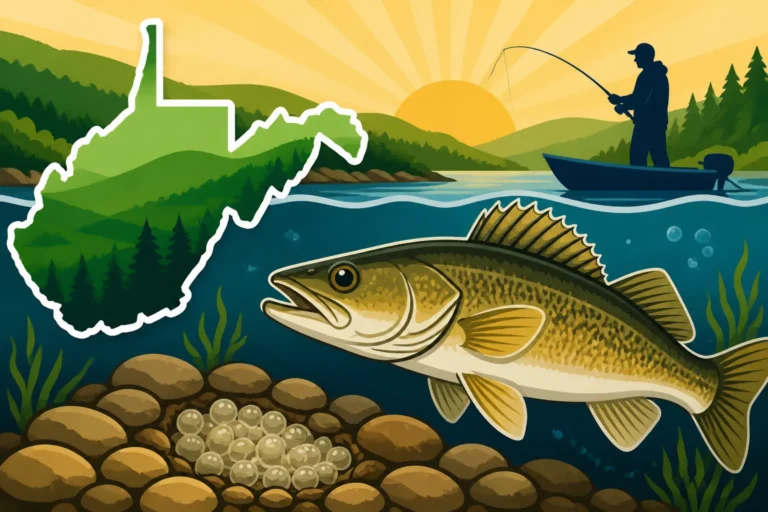
As winter transitions to spring and water temperatures begin to rise, sauger undertake their annual spawning migration. They'll move upstream, often congregating in significant numbers below dams or natural riffle areas where the current is strong and the bottom is rocky or gravely – perfect for depositing eggs. This pre-spawn and spawning period can offer some of the most intense sauger fishing of the year.
The exact timing will vary based on water temperature, but generally, late winter into early spring is prime time. Look for them in shallower, faster water near these spawning grounds, especially during low light conditions or at night. After spawning, they'll gradually disperse back into deeper holding areas, though some larger females might linger longer, feeding heavily to recover. Understanding these movements is key to intercepting them at their most vulnerable.
Summer and Fall Transitions: Where Sauger Go as Waters Warm and Cool
During the warmer summer months, sauger can be a bit more scattered. They'll still stick to the deepest, coolest parts of the river, often in strong current to find oxygenated water. Deep scour holes, shaded banks, and the coolest tailwater sections below dams remain productive. They might move into slightly shallower water to feed during low-light periods, but for the most part, you'll be targeting them near the bottom in the deepest available structure.
As fall arrives and water temperatures begin to drop again, sauger become increasingly active and predictable. They start to move back towards their wintering areas, feeding aggressively to build up reserves for the cold months ahead. This period, from late September through November, is another fantastic time to chase sauger. They'll be found along current seams, deep breaks, and channel edges, often holding slightly shallower than they would in the dead of winter but still relating strongly to structure and current. For a general overview of the best times to hit the water, consult Best Time of Year to Fish in West Virginia.
Equipping Yourself for Sauger Success
Finding where sauger live is only half the battle; the other half is having the right tools to tempt them. You don't need a boatload of specialized gear, but having a few key items and understanding how to use them will significantly increase your odds of success.
Recommended Gear and Tackle for River Sauger
For sauger fishing, you'll want a medium-light to medium-action spinning rod, about 6 to 7 feet long, paired with a reliable spinning reel spooled with 6-10 pound test monofilament or fluorocarbon line. Braided line can also be effective for its sensitivity, especially in deeper water, but a fluorocarbon leader is always a good idea in clearer conditions. The rod needs enough backbone to handle the current and set the hook but still sensitive enough to detect those subtle sauger bites.
When it comes to lures, jigs are king for sauger. Think leadhead jigs from 1/8 to 1/2 ounce, depending on current and depth, tipped with soft plastic bodies (grubs, curly tails, minnow imitations), or live bait like minnows or nightcrawlers. Blade baits, small crankbaits that dive deep, and even jigging spoons can also be highly effective. The key is to get your presentation down to where the fish are holding and keep it in the strike zone. Sometimes, a subtle lift-and-drop presentation is all it takes to trigger a bite.
When you're looking for those specialized sauger jigs or a new casting rod that can handle the Ohio's currents, it's pretty common to start your research online. Many anglers find themselves browsing a vast selection on platforms like Amazon to compare options, read reviews, and explore new brands. While it's great for gathering information and seeing what's available, nothing beats a chat with your local tackle shop expert for real-time advice on what's biting right now and what specific colors or weights are working best in your local waters. They can even advise you on specific jigs, like those mentioned in Best Jigs for West Virginia Walleye, which are often interchangeable for sauger.
Decoding the Depths: Locating Sauger Structure
A good fish finder is an invaluable tool for sauger anglers, especially on large river systems like the Ohio or Kanawha. It allows you to identify those crucial deep channels, scour holes, submerged humps, and current breaks where sauger congregate. Pay close attention to changes in bottom composition—sauger often prefer gravel or rocky bottoms over soft mud.
If you're fishing from shore or a non-motorized boat, you'll need to rely more on reading the visible signs of the river. Look for eddies behind bridge pilings, distinct current seams, and areas where the river visibly deepens or changes character. Knowing the local topography and how the current interacts with it is key. Even without electronics, carefully observing the water and understanding current dynamics can put you on fish. For those considering more advanced equipment, remember that many modern fish finders and related accessories can be researched extensively online, with detailed product specifications and user reviews available on sites like Amazon. This can help you make an informed decision before investing.
West Virginia Sauger vs. Walleye Characteristics
To help you distinguish between these two popular species and know what you're targeting, here's a quick comparison:
| Feature | Sauger | Walleye |
|---|---|---|
| Dorsal Fin | Distinct dark spots across the entire fin | Generally dusky or clear, no distinct spots |
| Caudal (Tail) Fin | No white tip | Prominent white tip on lower lobe |
| Size | Smaller (typically 1-4 lbs, rarely over 6 lbs) | Larger (often 3-10 lbs, can exceed 15 lbs) |
| Preferred Habitat | Turbid rivers, strong current, deep holes | Rivers, large lakes, reservoirs, varying clarity |
| Body Shape | Slender, elongated | More robust, slightly deeper-bodied |
| Spines | Sharp spines on dorsal and anal fins | Sharp spines on dorsal and anal fins |
| Eyes | Large, glassy (good for low light) | Large, glassy (good for low light) |
This table provides a handy reference when you're out on the water. Keep these points in mind, and you'll be able to confidently identify your catch! Always remember to consult the West Virginia Bag and Possession Limits by Species to ensure you're in compliance with current regulations.
Disclaimer
This article is for general informational purposes only and does not constitute professional advice. Laws, prices and regulations vary by location and change over time. Consult a qualified professional for guidance on your specific situation.