What color is a golden rainbow trout
Have you ever seen a picture of a West Virginia golden rainbow trout and thought, "Wow, is it really that vibrant in person?" Or perhaps you’ve heard whispers of these dazzling fish and wondered what all the fuss is about. It's a common question, because their color truly sets them apart, often sparking a mix of awe and curiosity among anglers. This guide is dedicated to unraveling the mystery behind the golden rainbow trout's captivating hue, detailing exactly what color they are and why they look that way, all within the unique context of West Virginia's angling scene.
The Dazzling Appearance of a Golden Rainbow Trout
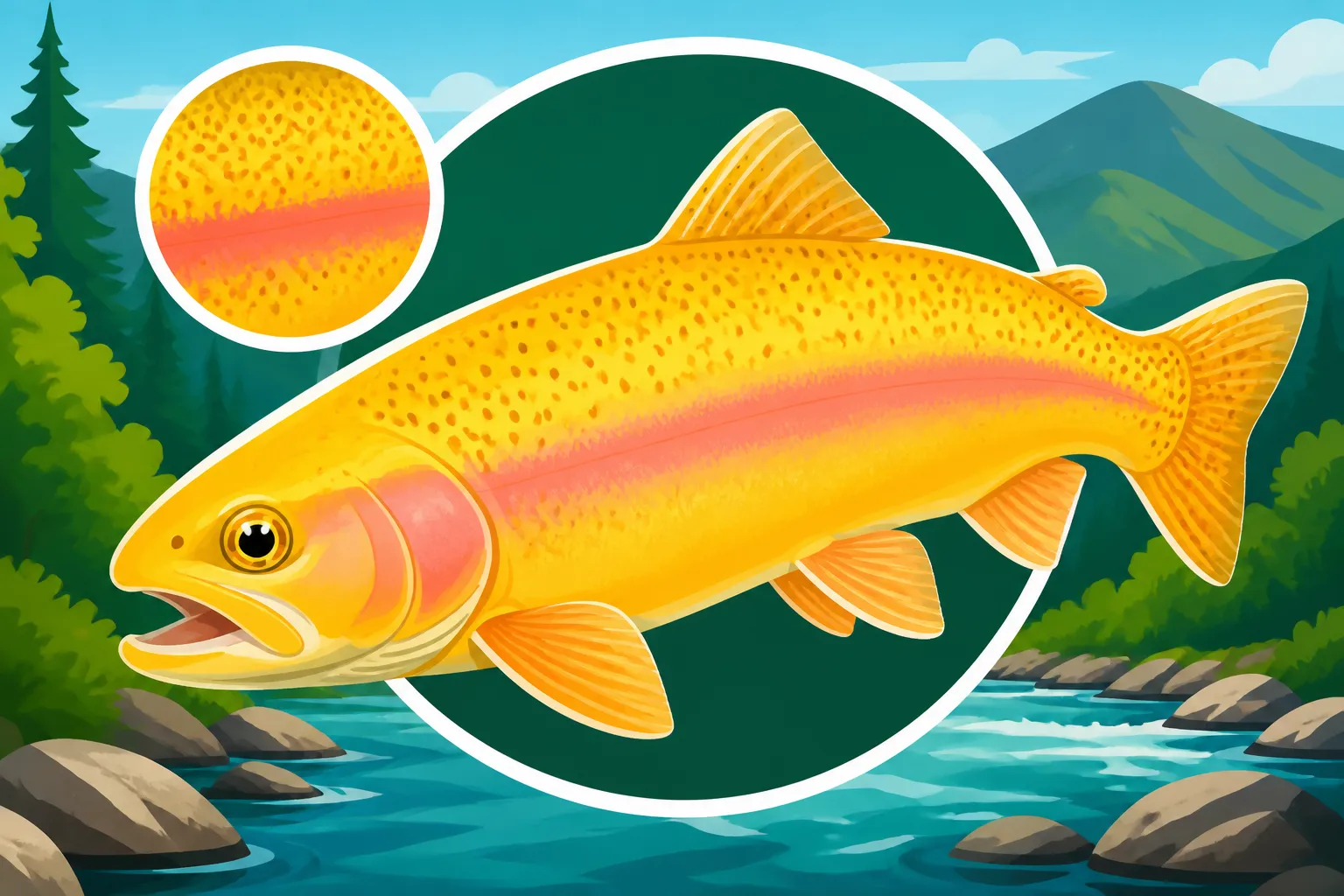
When you picture a regular rainbow trout, you probably think of silver sides, a dark back, and that distinctive pinkish-red stripe running along its length. Now, imagine taking that basic template and bathing it in a radiant, almost iridescent golden glow. That's essentially the golden rainbow trout. They are not merely "yellow," but truly golden, often shimmering with hints of orange, yellow, and even a faint blush of pink.
Beyond Just Yellow: A Spectrum of Gold
It's easy to assume "golden" means a simple yellow, but these fish are far more nuanced. Their primary body color is a bright, luminous yellow to orange-gold. This vibrant base is often overlaid with a darker, olive-green or brownish hue on their backs, creating a beautiful contrast. The fins, too, typically share this golden or orange tint, sometimes with darker edges, especially on the caudal (tail) fin. Unlike their wild rainbow cousins, the prominent red lateral stripe can be less defined or even absent, though some individuals might display a faint rosy tint, particularly during spawning season or when stressed. The spotting patterns common on regular rainbows can still be present, usually as darker, sometimes faint, spots that stand out against the golden background.
Imagine seeing one of these beauties finning in the clear waters of a West Virginia stream – it's like a flash of living gold. This striking coloration makes them instantly recognizable and a true prize for any angler. It's a color that really pops, especially against dark stream bottoms or green moss, making them a sight to behold.
Distinguishing Golden Rainbows from Other Trout Species
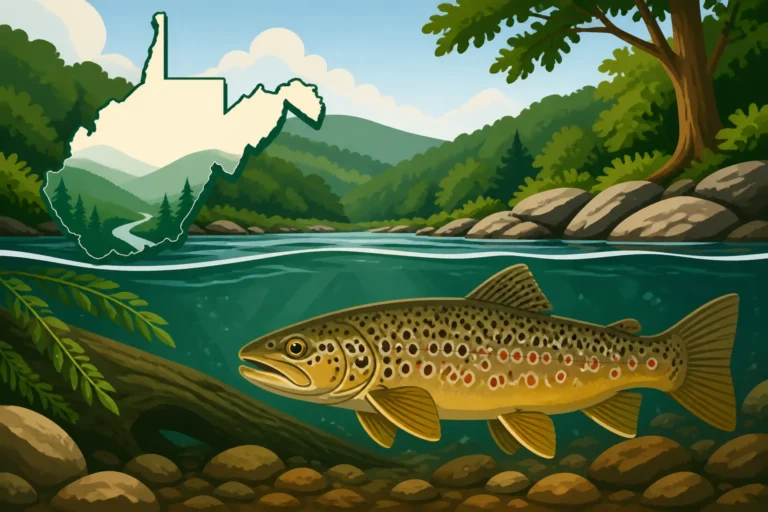
While their color is their most defining characteristic, it's good to know how they stack up against other trout you might encounter. Regular rainbow trout, as mentioned, are predominantly silver with a red stripe. Brown trout typically have a golden-brown body with prominent red and black spots, often encircled by lighter halos. Brook trout, West Virginia's native state fish, are a mosaic of olive-green, red spots with blue halos, and worm-like markings (vermiculations) on their backs.
Here’s a quick visual comparison to help you tell them apart:
| Feature | Golden Rainbow Trout | Regular Rainbow Trout | Brown Trout | Brook Trout |
|---|---|---|---|---|
| Primary Color | Luminous yellow to orange-gold | Silvery-white to olive-green | Golden-brown to olive | Olive-green to dark brown |
| Lateral Stripe | Often less defined or absent, sometimes faint pink | Distinct pinkish-red stripe | Usually absent | Usually absent |
| Spots | Darker, often faint spots | Numerous small black spots | Red spots with blue halos, black spots | Red spots with blue halos (smaller), vermiculations on back |
| Fins | Golden/orange, sometimes dark edges | Clear, often with dark spots on tail | Often clear or yellowish, dark spots on adipose | White leading edge on lower fins, dark wavy lines on dorsal |
| Overall Impression | Dazzling, bright gold | Classic, sleek silver | Earthy, camouflaged | Jewel-toned, intricate |
This distinct color is why they're such a celebrated catch, especially during events like the annual Gold Rush. It's not just a fish; it's a spectacle. Trout Species Identification Guide for West Virginia can give you even more details on distinguishing between these magnificent fish.
Why Golden Rainbow Trout Look That Way
The captivating color of the golden rainbow trout isn't a random occurrence; it's the result of some pretty interesting genetics and intentional stocking efforts here in West Virginia. These aren't just regular rainbow trout that spent too much time in the sun; they're a unique genetic strain.
The Genetic Origin Story
The golden rainbow trout actually originated from a natural genetic mutation found in a single rainbow trout back in the 1950s. This specific mutation affects the pigmentation, preventing the development of normal melanin (dark pigment) and leading to the overproduction of a different pigment called xanthophyll, which gives them their yellow-orange hue. Imagine stumbling upon a literal golden fish in a stream – that's essentially what happened!
Once this unique individual was identified, fisheries biologists selectively bred it to create a stable population of these golden-colored fish. This means every golden rainbow trout you see today descends from that original mutant and has been carefully propagated to maintain its distinct color. It’s a testament to how slight genetic variations can lead to something truly extraordinary. This selective breeding ensures that the vibrant golden color is consistent across the population, making them reliably dazzling. For more on their specific origins, you might find Golden Rainbow Trout Origin and Genetics a fascinating read.
West Virginia's Stocking Program and the "Gold Rush"
In West Virginia, the golden rainbow trout plays a starring role in the state’s extensive trout stocking program. They are specifically raised in state hatcheries, like the Bowden Fish Hatchery and others, primarily for recreational angling. Their striking color makes them an incredibly popular target, adding an extra layer of excitement to a day of fishing.
The most famous event where these fish are featured is West Virginia’s annual "Gold Rush." This special stocking event involves releasing thousands of golden rainbow trout into waters across the state, usually around late March or early April. It transforms regular trout fishing into a thrilling treasure hunt, with anglers eagerly seeking out these shiny prizes. This program is designed not only to enhance fishing opportunities but also to create memorable experiences for families and seasoned anglers alike. It’s one of the highlights of the fishing calendar, bringing a huge buzz to the communities around the stocked waters. West Virginia Trout Season and Stocking Rules provides a great overview of how these programs operate.
Spotting a Golden Rainbow Trout in West Virginia Waters
While their color is unmistakable once you see it, actually spotting one in the water can still be a challenge. They might be bright, but fish are masters of camouflage, even the golden ones. Knowing where to look and what conditions help will increase your chances of witnessing their dazzling appearance.
Prime Locations for Golden Encounters
Given that golden rainbow trout are a hatchery-reared and stocked species, your best bet for encountering one is in waters that are part of West Virginia's stocking program. These include:
- Stocked Trout Streams: Many of West Virginia's well-known trout streams receive regular stockings. Check the West Virginia Division of Natural Resources (WVDNR) stocking schedules for specific locations. Often, the smaller, more accessible streams are prime candidates.
- State Park Lakes and Ponds: Lakes and ponds within state parks and other public access areas are frequently stocked, offering easy bank access for anglers of all ages and skill levels.
- Gold Rush Waters: During the annual Gold Rush event, specific streams and lakes are heavily stocked with golden rainbow trout. This is by far your best chance to see and catch these beautiful fish. Keep an eye on the WVDNR's announcements and the West Virginia Trout Stocking Hotline and Schedule for the exact dates and locations.
These areas are chosen for their accessibility and ability to support trout, making them ideal places for you to try your luck.
Tips for Visual Identification and Observation
Even with their bright color, spotting fish beneath the surface requires a keen eye and the right conditions.
- Polarized Sunglasses: This is perhaps the most crucial piece of gear for sight fishing. Polarized lenses cut through glare on the water's surface, allowing you to see deeper into the water column. Many anglers find polarized sunglasses, like those you can find on Amazon, are incredibly helpful for spotting these elusive golden flashes beneath the surface.
- Clear Water: The clearer the water, the easier it will be to spot their distinctive color. After a heavy rain, when streams might be muddy or turbid, visibility will be greatly reduced. Wait for the water to clear up for optimal viewing.
- Sunlight: On bright, sunny days, the golden scales of these trout will reflect light beautifully, making them shine and easier to pick out. Overcast days make it harder for that golden glow to truly pop.
- Look for Movement: Often, you'll spot movement before you identify the fish. Look for sudden flashes of color or the subtle sway of a fish holding in current. Golden rainbow trout are often active feeders, and their movements can give them away.
- Vary Your Perspective: Sometimes, changing your angle to the water or looking from a higher vantage point can reveal fish you might have missed. If you're wading, move slowly and observe from different positions.
By combining knowledge of stocking locations with these visual tips, you significantly increase your chances of witnessing the stunning color of a golden rainbow trout in its natural (or at least, semi-natural) element.
Fishing for Golden Rainbows: A Unique West Virginia Experience
Beyond just admiring their beauty, catching a golden rainbow trout is a memorable experience that many anglers specifically seek out. Their unique color makes them a coveted trophy, and targeting them adds a special thrill to trout fishing.
Techniques to Entice a Golden Bite
Golden rainbow trout, being a strain of rainbow trout, generally respond to the same baits and lures as their silver counterparts. However, their hatchery upbringing can sometimes make them a bit less wary, especially right after stocking.
- Bait Fishing: Traditional trout baits like PowerBait (especially brightly colored variations like orange or chartreuse, which might mimic their own hue!), corn, or small worms are highly effective. Rigging these on a small hook with a split shot or a light bobber can be very productive.
- Spinning Lures: Small inline spinners (like Panther Martins or Mepps), tiny spoons (such as Thomas Buoyants or Kastmasters), and micro jigs are excellent choices. The flash and vibration can mimic fleeing baitfish or insects, drawing attention from these curious fish. Bright colors, or even gold-colored lures, can sometimes trigger a strike.
- Fly Fishing: For fly anglers, standard trout patterns will work. Nymphs (like Hare's Ears, Pheasant Tails, or Prince Nymphs) fished under an indicator are often productive, especially in deeper pools or runs. Streamers (like Woolly Buggers) can also provoke an aggressive strike. Dry flies might work during hatches, but given their hatchery background, they often respond well to subsurface presentations. Fly Fishing for Trout in West Virginia offers some great insights into patterns and techniques.
Remember, presentation is key. Sometimes a subtle drift is best, while other times a slow retrieve with intermittent twitches can be more effective. Experimentation is your best friend when trying to crack the code on a particular day.
The Thrill of the Catch and Release
While some anglers choose to keep their golden rainbow trout for the dinner table (and yes, they taste just like regular rainbow trout), many prefer to practice catch and release, especially for these special fish. The joy often comes from the visual spectacle and the fight, rather than the meal. If you plan to release, remember to handle them gently. Wet your hands before touching the fish, use a rubberized landing net, and try to keep them in the water as much as possible for photos and release. This helps protect their delicate slime coat and increases their chances of survival. For those interested in preserving these beautiful fish, West Virginia Catch and Release Rules for Trout provides essential guidelines.
Whether you’re keeping or releasing, landing a golden rainbow trout is truly a special moment. That vibrant flash of gold as you reel it in, the way it glistens in the sunlight – it’s an experience that solidifies why West Virginia is such a fantastic place for anglers. Getting a quality photo of your catch is also a popular tradition, and a good waterproof camera bag, easily found on Amazon, is essential for keeping your gear safe while you capture that golden moment without worrying about splashes.
Responsible Angling for Golden Rainbows
Catching a golden rainbow trout is a highlight for many, but it's important to remember that responsible angling ensures these opportunities continue for everyone. Respecting regulations and the environment are paramount.
Understanding Regulations and Ethical Practices
Even though golden rainbow trout are primarily stocked, they are still subject to all standard West Virginia fishing regulations. This means you'll need a valid West Virginia fishing license, and often a trout stamp, to target them in designated trout waters. Be sure to check the current West Virginia Fishing Regulations Explained for bag limits, season dates, and any special regulations that might apply to the specific waterbody you're fishing.
Ethical angling also extends beyond just licenses. It involves practicing good stewardship:
- Leave No Trace: Pack out everything you pack in, and perhaps even pick up any litter you find. Keeping our wild places clean benefits everyone.
- Respect Other Anglers: Trout streams can be popular, especially during stocking events. Give other anglers plenty of space and avoid "crowding" productive spots.
- Know Your Limits: Understand and adhere to both daily creel limits and possession limits. These rules are in place to manage the fishery sustainably.
- Support Conservation: Your purchase of a fishing license and trout stamp directly funds the stocking programs and conservation efforts that make these golden opportunities possible. Consider getting a West Virginia's Conservation Stamp, Explained if you don't already have one.
By following these principles, you contribute to a healthy and enjoyable fishing environment for all.
The Long-Term Impact of Golden Rainbows in West Virginia
The introduction and continued stocking of golden rainbow trout have undoubtedly had a significant impact on West Virginia's angling culture. They've become an iconic part of the state's fishing identity, drawing visitors and creating excitement around trout season. While they are essentially a novelty strain and do not reproduce naturally in the wild like native brook trout or wild brown trout, their presence provides a fantastic recreational resource.
They serve as a powerful attractor to introduce new anglers, especially children, to the sport, thanks to their eye-catching appearance and often more willing bite. The "Gold Rush" event, in particular, has become a beloved tradition, bringing communities together and boosting local economies. The WVDNR's careful management ensures that while these special fish provide a unique thrill, they don't negatively impact the state's wild trout populations. It's a delicate balance of providing exciting opportunities while protecting the natural resources that make West Virginia truly wild and wonderful.
Disclaimer
This article is for general informational purposes only and does not constitute professional advice. Laws, prices and regulations vary by location and change over time. Consult a qualified professional for guidance on your specific situation.