Sunfish Species Identification Guide for West Virginia
Ever stood by a West Virginia pond or river, admiring a brightly colored panfish, only to wonder if it was a bluegill, a pumpkinseed, or something else entirely? Identifying the many species of sunfish that call our beautiful state home can be a fun challenge, but it's also a source of real head-scratching for many anglers. This guide is here to untangle the confusion, offering clear identification tips and helping you confidently name the delightful sunfish you encounter on your angling adventures across West Virginia.
Understanding the Sunfish Family in West Virginia
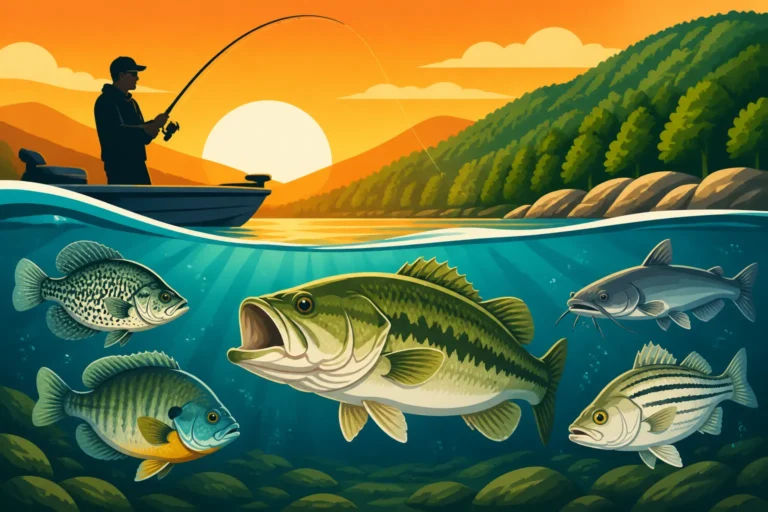
The sunfish family (Centrarchidae) is a diverse and fascinating group of freshwater fish that are incredibly popular with anglers of all ages across West Virginia. While many think of them as just "panfish," the family includes not only the various sunfish species but also the beloved crappie and even the mighty largemouth and smallmouth bass. Understanding their shared characteristics, as well as their unique traits, is the first step to becoming a true sunfish connoisseur.
The Broad Appeal of Panfish
Panfish are, simply put, fish small enough to fit in a frying pan, and they’re incredibly abundant and accessible throughout West Virginia. Their willingness to bite, their vibrant colors, and their delicious taste make them a favorite target for families, beginners, and seasoned anglers alike. There's nothing quite like spending a relaxed afternoon on a serene lake or a slow-moving river, pulling in a stringer full of bluegill or redbreast. It's a fundamental part of the fishing experience here, a tradition passed down through generations. Plus, they offer fantastic opportunities to practice your casting and presentation skills before tackling larger, more elusive game fish.
Many anglers start their journey chasing panfish, often with a simple cane pole and a worm. The thrill of a bobber disappearing under the water is universal, and sunfish provide that excitement consistently. From farm ponds to large reservoirs and our pristine mountain streams, these fish are truly everywhere, offering endless opportunities for a memorable day on the water. They are also incredibly resilient, often thriving in a variety of water conditions, which further adds to their ubiquity and appeal.
Key Characteristics of Sunfish
While each sunfish species has its unique flair, they all share some common family traits. Typically, they have a laterally compressed, deep body shape, almost disc-like in many cases. Their dorsal fin, which runs along their back, usually has spiny rays in the front portion and soft rays in the back, often appearing as a single, continuous fin. This is a crucial identifier that helps distinguish them from other fish families. They also generally possess relatively small mouths compared to their body size, especially when compared to their larger cousins, the bass.
Beyond these physical attributes, most true sunfish are nest builders, with males aggressively guarding their eggs and fry. This fascinating reproductive behavior makes them especially vulnerable during spawning season, but it also means they tend to be concentrated in shallow areas during those times, making them easier targets for shore anglers. Knowing these general characteristics will give you a solid foundation before diving into the specifics of each individual species, helping you appreciate the subtle differences that make each one special.
Bluegill: The Everyday Favorite
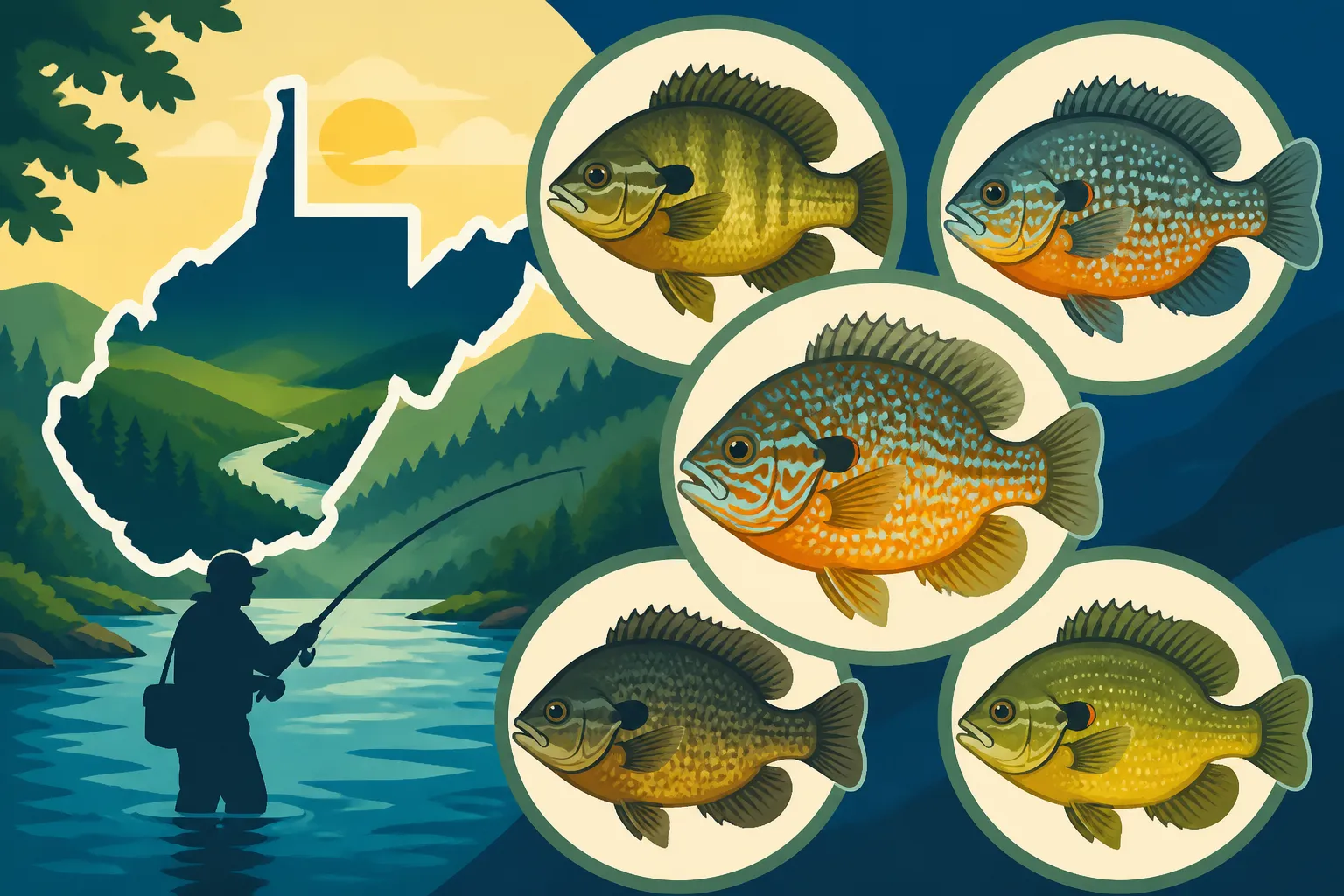
When most folks in West Virginia think of a "sunfish," chances are they're picturing a bluegill. These little powerhouses are perhaps the most widespread and popular panfish in the state, inhabiting nearly every warmwater lake, pond, and slow-moving river section. Their abundance, coupled with their feisty nature, makes them an absolute joy to catch. They are a staple of West Virginia fishing, providing countless hours of entertainment for anglers young and old.
Identifying Bluegill by Sight
Bluegill are quite distinctive once you know what to look for. Their body is typically deep and compressed, giving them a very round, disc-like appearance. Coloration can vary quite a bit depending on the water clarity and their diet, ranging from olive-green or dark blue on their back, fading to lighter green or yellow on their sides, and often a yellowish or orange belly, particularly in spawning males. Many bluegill also display several faint, dark vertical bars along their sides, although these can be more pronounced or nearly absent.
The most defining feature, and the one that gives them their name, is the small, dark blue-black spot found on the posterior edge of their gill cover, often referred to as the "ear flap." This spot is usually solid black and lacks any light-colored margin, which is key for distinguishing them from some other sunfish species. They also have a relatively small mouth, and their pectoral fins (the fins just behind their gills) are noticeably long and pointed, extending past their eye when pressed forward. If you're looking for a good identification guide, many excellent resources can be found on Amazon that often feature detailed diagrams and photographs to help you confirm your catch.
Bluegill Habitat and Behavior
Bluegill are incredibly adaptable and thrive in a wide array of habitats across West Virginia. You’ll find them in the quiet coves of Summersville Lake Fishing Guide, the lily pad fields of farm ponds, the backwaters of the Ohio River, and even in slower sections of larger rivers like the Kanawha. They prefer areas with aquatic vegetation, submerged timber, or other forms of cover, which provide both ambush points for feeding and protection from predators. These areas also typically hold the insects, larvae, and small crustaceans that make up the bulk of their diet.
During the warmer months, especially in late spring and early summer, bluegill gather in colonies to spawn in shallow, sandy, or gravelly areas. The males will sweep out circular nests, often side-by-side, creating a "honeycomb" appearance on the bottom. They are aggressively protective of these nests, which is why they are so easy to catch during this time. For more specific information on where to find these eager biters, check out Bluegill Habits in West Virginia Ponds and Best Techniques for Panfish in West Virginia. Knowing their preferred habitats and behaviors will drastically increase your success rate and make your time on the water even more enjoyable.
Redbreast Sunfish: River Gems
While bluegill might be the most common panfish in West Virginia lakes and ponds, the redbreast sunfish holds a special place in the hearts of river anglers. These beautiful fish are true denizens of moving water, often found alongside smallmouth bass in the state's picturesque streams and rivers. Their vibrant colors and strong fight for their size make them a rewarding catch, and their preference for flowing water distinguishes them from many of their pond-dwelling cousins.
Visual Cues for Redbreast Sunfish
The redbreast sunfish is perhaps one of the most strikingly beautiful members of the sunfish family, living up to its name with a gorgeous, often brilliant orange to red belly and breast, especially noticeable in mature males. Their back is typically a dark olive or bluish-green, fading to a lighter olive on their sides, which may have some faint vertical barring. Unlike the deep, disc-like bluegill, the redbreast tends to have a more elongated, streamlined body shape, reflecting its life in current.
A key identification feature for the redbreast is its exceptionally long, black opercular (gill) flap, which lacks the distinct colored spot of a bluegill or pumpkinseed. This flap can be quite prominent, sometimes extending almost to the start of the dorsal fin. They also possess a moderate-sized mouth and often display iridescent blue or green wavy lines radiating from their snout and around their eyes. Their pectoral fins are relatively long and pointed, similar to a bluegill's, but the overall body profile is distinctly different. Many comprehensive field guides, available for purchase through retailers like Amazon, can further assist in pinpointing these subtle yet important differences.
Where to Find Redbreast Sunfish
As mentioned, redbreast sunfish are primarily river fish in West Virginia. They absolutely love clean, clear streams and rivers with moderate current, making them a common sight in the tributaries of the Potomac River, the Greenbrier River, and many other free-flowing waters throughout the state. You'll often find them lurking around rocky structures, submerged logs, undercut banks, and the edges of riffles and runs where they can ambush passing insects and small minnows. Their preferred habitat often overlaps with that of smallmouth bass, which is why you'll often catch both while fishing the same stretches of river.
Look for them in areas where the water is well-oxygenated and there's a mix of sun and shade. They're particularly fond of holding behind current breaks, where they can conserve energy while still having easy access to food. If you're specifically targeting these beautiful panfish, focusing on these riverine environments will yield the best results. For more details on where these vibrant sunfish thrive, be sure to check out Redbreast Sunfish in West Virginia Rivers, which offers a deeper dive into their river homes.
Green Sunfish: The Hardy Survivor
The green sunfish might not be as universally beloved as the bluegill, but it's an incredibly common and hardy species found throughout West Virginia. Often overlooked or mistaken for other sunfish, the green sunfish is a fascinating creature known for its aggressive nature and incredible adaptability. These tenacious little fish are survivors, thriving in conditions that might challenge other species, making them a prevalent catch even in less-than-pristine waters.
Distinctive Features of Green Sunfish
Identifying a green sunfish is relatively straightforward once you know its key characteristics. They typically have a more robust, chunkier body than a bluegill, though still compressed, and a larger mouth that often extends back to or even past the middle of their eye. This larger mouth is a significant differentiator. Their coloration is usually olive-green or dark green on their back and sides, fading to a yellowish or white belly. They often have irregular, iridescent blue or green spots and streaks on their cheeks and opercles, which can be quite striking.
A distinctive feature is the dark spot on their gill cover (operculum), which is typically black but usually edged with a lighter, sometimes orange or reddish, margin. Their dorsal, anal, and caudal fins often have a yellowish or orange margin, adding to their distinct look. Unlike the long, pointed pectoral fins of a bluegill or redbreast, the green sunfish has shorter, more rounded pectoral fins. While they might not be the prettiest sunfish, their unique blend of features makes them identifiable with practice. Many online fishing forums and guides, even some available through Amazon, can provide additional visual aids for identification.
Green Sunfish Adaptability and Locations
Green sunfish are perhaps the most adaptable sunfish species in West Virginia, capable of surviving in a remarkable range of aquatic environments. You'll find them in warm, sluggish streams, muddy farm ponds, roadside ditches, and the backwaters of larger rivers and lakes. They can tolerate higher turbidity and lower oxygen levels than many other sunfish, which is why they often dominate in less-than-ideal habitats where other species struggle. This hardiness contributes to their widespread distribution across the state.
Despite their tolerance for poorer conditions, they still prefer areas with some cover, like submerged logs, rocks, or aquatic vegetation, where they can hide and ambush prey. Their diet is incredibly varied, consuming insects, small crustaceans, and even small fish, thanks to their larger mouth. While they might not grow to trophy size, their aggressive feeding habits and widespread presence mean they are often caught when targeting other panfish. They can be a fun, if sometimes a nuisance, catch for anglers exploring smaller, more out-of-the-way fishing spots.
Pumpkinseed: A Flash of Color
The pumpkinseed sunfish is arguably one of the most beautiful and easily recognizable panfish in West Virginia, particularly because of its stunning, intricate coloration. These vibrant little fish are like living jewels of the freshwater world, and spotting one is always a treat for the eyes. While perhaps not as widespread as the bluegill, where they do occur, they add a splash of unique beauty to the aquatic landscape.
Spotting a Pumpkinseed
The pumpkinseed is perhaps the most colorful of the common sunfish species, making it a joy to identify. Their body is typically deep and compressed, similar to a bluegill, but their markings are far more elaborate. Their sides are usually olive to golden-brown, adorned with numerous irregular, speckled spots that can be golden, orange, or even red. Their belly often shades from yellow to orange. The most striking features are the iridescent blue or green wavy lines that radiate across their cheeks and gill covers, giving them a truly distinctive appearance.
The absolute giveaway for a pumpkinseed is the bright orange or red spot, often rimmed with black, on the posterior edge of their gill cover (operculum), directly behind their eye. This "ear flap" decoration is usually quite vivid and stands out against the darker gill cover. Their mouth is small, and their pectoral fins are long and pointed, much like a bluegill's. With their dazzling array of colors and the signature red-orange ear flap, once you’ve seen a pumpkinseed, you’ll rarely confuse it with any other sunfish. A good pair of polarized sunglasses, easily found on Amazon, can greatly enhance your ability to spot these intricate details in clear water.
Pumpkinseed Preferred Environments
Pumpkinseed sunfish tend to prefer clear, cool, and well-vegetated waters. In West Virginia, you might find them in some of the quieter coves of larger lakes, smaller ponds with abundant submerged plants, or slow-moving sections of clear streams. They are often found in association with bluegill but tend to favor slightly cooler, cleaner conditions. Their diet consists mainly of aquatic insects, snails, and small crustaceans, which are often abundant in their preferred vegetative cover.
They are relatively slow-growing compared to some other panfish, but their beauty more than makes up for it. Anglers targeting pumpkinseed will have the best luck in areas with dense lily pads, weed beds, and submerged brush, where these colorful fish feel most secure and find ample food. While they might not grow to large sizes, their willingness to bite and their striking appearance make them a prized catch, especially for younger anglers who are often captivated by their vibrant patterns.
Warmouth: The Angler's Challenge
The warmouth is a somewhat less common, but equally intriguing, member of the sunfish family found in West Virginia. Often mistaken for a small bass or another sunfish, the warmouth has a more robust, bass-like build and an aggressive demeanor that makes it a fun, albeit sometimes elusive, target. They are a true testament to the diversity within the sunfish family, offering a unique challenge for those seeking to catch every species.
How to Identify a Warmouth
The warmouth has a stockier, more bass-like body than the disc-shaped bluegill or pumpkinseed. Their coloration is typically olive-brown to dark brown on their back and sides, often mottled with darker blotches and vertical bars, providing excellent camouflage in their preferred murky habitats. Their belly is usually yellowish or white, and they possess a distinctive red or orange eye, which is a key characteristic.
Perhaps the most telling feature of a warmouth is its large mouth, which extends well past the front of the eye, similar to a green sunfish, but often appearing even more exaggerated. They also have three or four prominent dark streaks radiating backward from their eye, which are often described as "teardrops" or "warpaint." Their gill cover typically has a dark spot, often with a light edge, but it's usually less defined than a bluegill's. Their pectoral fins are relatively short and rounded. If you compare it to a true bass, you'll notice the distinct sunfish characteristic of a connected dorsal fin (spiny and soft portions together), rather than the two separate dorsal fins often seen on bass.
Warmouth Habits and Where They Hide
Warmouth are champions of warm, often murky, and heavily vegetated waters. In West Virginia, you're most likely to find them in sluggish streams, swamps, oxbow lakes, and the weed-choked backwaters of larger reservoirs. They absolutely love dense cover like lily pads, duckweed mats, stumps, and submerged brush, using these areas to ambush prey. Unlike many other sunfish that feed primarily on insects, warmouth have a more predatory diet, readily consuming small fish, crayfish, and large aquatic insects, thanks to their larger mouth.
Their preference for dense cover means they can be a bit harder to reach, often requiring precise casts or careful maneuvering of a kayak or small boat. They are notoriously aggressive and will strike at a variety of baits and lures, including small jigs, worms, and even tiny crankbaits. While not growing as large as bass, a warmouth will put up a surprising fight for its size, adding excitement to your panfish pursuits. For tactics on how to best approach these tenacious fish, you might find articles on Best Techniques for Panfish in West Virginia helpful, as many apply to warmouth as well.
Crappie and Bass: Sunfish Cousins Often Confused
It's easy to get confused when you're on the water, especially when so many fish share similar family traits. Within the broader sunfish family (Centrarchidae), crappie and bass are often caught alongside or mistaken for the smaller "true" sunfish like bluegill and pumpkinseed. While they are indeed cousins, there are some very clear distinctions that, once learned, will help you tell them apart with confidence. Knowing these differences is not just about bragging rights; it's also important for adhering to specific West Virginia Bag and Possession Limits by Species, which can vary greatly between these groups.
Differentiating Crappie from True Sunfish
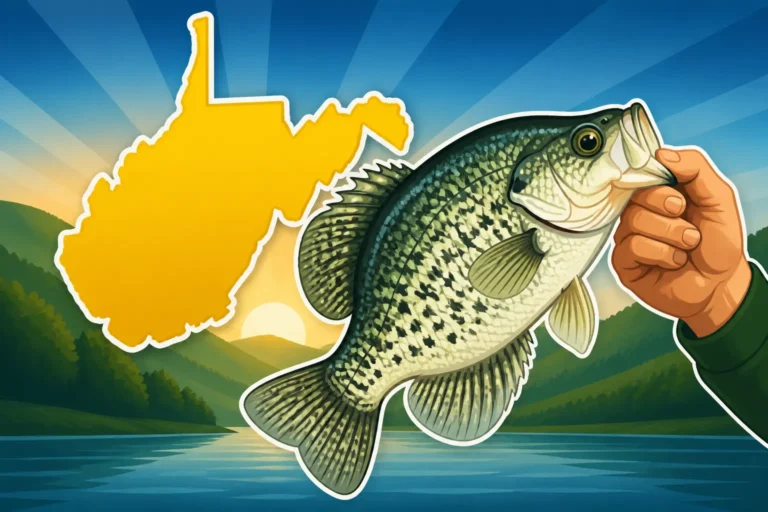
Crappie, both black and white, are perhaps the most commonly confused with true sunfish, and for good reason—they are technically a type of sunfish themselves! However, they have distinct features that set them apart. The most obvious difference is their body shape: crappie are much more elongated and taller than the rounded, disc-like bluegill or pumpkinseed. They have a more slender profile, giving them a "slab-sided" appearance, especially larger specimens. Their mouths are also significantly larger than a bluegill's, extending beneath the eye, which helps them feed on small baitfish.
Another key identifier is their coloration. Crappie typically have silvery bodies with irregular dark blotches or vertical bars (more defined in white crappie). They lack the vibrant blues, greens, or reds seen on the opercles and cheeks of many true sunfish. Furthermore, crappie generally have more soft rays in their dorsal and anal fins compared to the true sunfish. If you're really looking to hone your crappie identification skills, you'll find Black Crappie vs White Crappie Identification a great resource to differentiate between the two main crappie species, further clarifying their separation from other panfish. Learning these nuances will ensure you know exactly what you've landed.
Separating Bass from the Panfish Crowd
Largemouth and smallmouth bass, while belonging to the same sunfish family, are clearly distinct from the smaller panfish species. The most striking difference is their size and overall build. Bass are much larger, more robust, and significantly more elongated and torpedo-shaped than any bluegill or pumpkinseed. Their mouths are also enormous, especially the largemouth, with the upper jaw extending well past the eye. This large mouth is perfectly adapted for consuming larger prey like baitfish, frogs, and crayfish, setting them apart from the insect and invertebrate-focused diets of many smaller sunfish.
Another primary distinguishing feature for bass is their dorsal fin. Unlike the single, continuous dorsal fin of true sunfish and crappie, bass typically have two distinct dorsal fins, or at least a very deep notch separating the spiny front portion from the soft-rayed rear portion. This is a dead giveaway. Coloration also differs, with bass generally being darker green, brown, or black, often with a prominent lateral line (largemouth) or vertical bars (smallmouth), and lacking the intricate, vibrant patterns of the smaller sunfish. For a comprehensive look at these popular game fish and how to tell them apart, check out Largemouth Bass vs Smallmouth Bass Identification. Recognizing these key anatomical differences will ensure you correctly identify your catch and appreciate the diversity of West Virginia's sunfish family.
| Feature | Bluegill | Redbreast Sunfish | Green Sunfish | Pumpkinseed | Warmouth | Black Crappie | Largemouth Bass |
|---|---|---|---|---|---|---|---|
| Body Shape | Deep, disc-like | More elongated | Robust, chunky | Deep, oval | Stout, bass-like | Tall, compressed, slab-sided | Elongated, torpedo-shaped |
| Gill Cover Spot | Distinct black spot | No distinct spot | Black spot with light edge | Orange-red spot | Dark spot with light edge | No distinct spot | No distinct spot |
| Mouth Size | Small | Moderate | Large, extends past eye | Small | Large, extends past eye | Moderate, extends under eye | Very large, past eye |
| Pectoral Fin | Long, pointed | Long, pointed | Short, rounded | Long, pointed | Rounded | Rounded | Short, rounded |
| Cheek Markings | Often faint vertical bars | Wavy lines on opercle | Irregular spots | Wavy blue lines | Dark streaks from eye | None or faint | None |
| Other | Blue-black ear flap | Long opercular flap | Yellow/orange fin edges | Speckled body, small red spot on ear flap | Red eye, mottled pattern | 7-8 dorsal spines | Deeply notched dorsal fin |
Disclaimer
This article is for general informational purposes only and does not constitute professional advice. Laws, prices and regulations vary by location and change over time. Consult a qualified professional for guidance on your specific situation.