Walleye Spawning Season in West Virginia
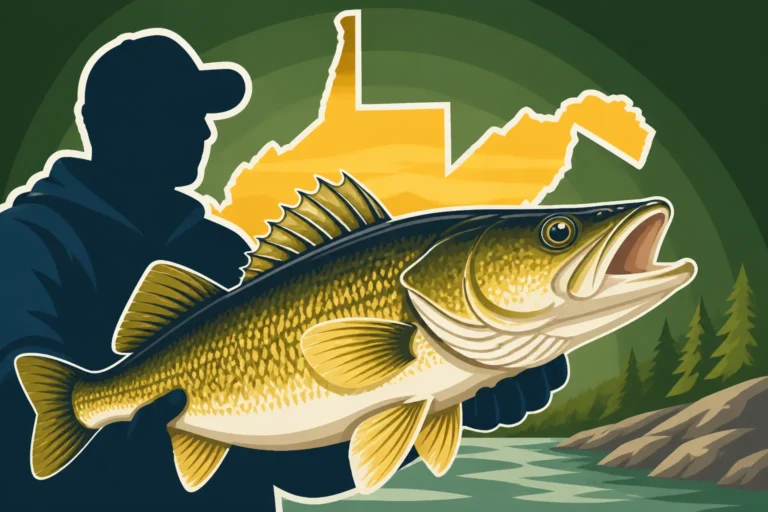
There's nothing quite like the thrill of hooking into a feisty walleye, but for many anglers, understanding their seasonal movements, especially during the critical spawning period, can feel like trying to solve a complex puzzle. Walleye are one of West Virginia's most prized game fish, and cracking the code of their spawning season is key to both responsible angling and better fishing success. This guide will walk you through the nuances of walleye spawning season in our beautiful Mountain State, helping you understand their behavior, preferred habitats, and how these patterns profoundly influence your fishing endeavors.
Understanding the Walleye Spawning Cycle in West Virginia
Walleye are incredibly sensitive to environmental cues, and their entire spawning process is a finely tuned dance with nature. Missing these subtle signals means missing out on some of the best fishing opportunities, or worse, inadvertently disrupting a crucial natural event. It's not just about a specific date on the calendar; it's a dynamic period influenced by a variety of factors unique to West Virginia's diverse waterways.
The Critical Environmental Triggers
The primary drivers for walleye spawning are water temperature and photoperiod, which is essentially the length of daylight. As winter loosens its grip and days grow longer, the sun begins to warm our lakes and rivers, signaling to walleye that it's time to prepare for reproduction. Typically, walleye in West Virginia will begin their spawning migration when water temperatures reach the upper 30s to low 40s Fahrenheit. The actual spawning activity usually kicks into high gear once the water warms further, generally falling within a range of 42 to 55 degrees Fahrenheit. This temperature window is crucial; if it warms too quickly, they might spawn earlier, and if a cold snap hits, they could delay the process for days or even weeks. Local conditions, like heavy snowmelt or prolonged cold fronts, can shift this window considerably, making local knowledge and up-to-date water temperature readings invaluable.
Beyond temperature, the flow of water, especially in river systems, plays a significant role. Increased current from spring rains or dam releases can trigger upstream migrations to ideal spawning grounds. These environmental factors combine to tell the walleye's biological clock that it's time, initiating hormonal changes and the physiological preparation for laying and fertilizing eggs. Ignoring these triggers means you might be fishing too early or too late, or in the wrong type of water, missing the concentrated populations that gather for this annual event. Understanding these triggers is the first step in unlocking the secrets of Walleye Fishing in West Virginia.
Pre-Spawn Aggregation: The Build-Up
Before the actual spawning begins, walleye undergo a fascinating phase known as "pre-spawn aggregation." This is a period when large numbers of walleye, particularly the larger females laden with eggs, begin to move from their deeper wintering grounds towards shallower, rocky staging areas near their eventual spawning sites. Think of it as a massive congregation, where they gather, feed heavily, and stage themselves for the main event. This pre-spawn period is often one of the absolute best times for anglers to target trophy walleye, as the fish are actively feeding to build up energy reserves for the strenuous spawning process. They're often less wary during this time, driven by instinct.
These staging areas typically consist of submerged humps, points, rocky reefs, rip-rap shorelines, or the mouths of feeder creeks and rivers. In reservoirs like Summersville Lake, they might stack up on underwater points or along old creek channels leading to shallower flats. In a river system like the Ohio, they'll often gather in deeper holes just downstream from rapids or dam structures, waiting for the water temperatures to stabilize and the conditions to be just right. Knowing these specific types of structures and transitions on your chosen body of water is paramount. Many anglers will spend hours trying to locate these gathering spots, often using sonar technology to identify schools of fish holding tight to the bottom. During this time, they are opportunistic feeders, making them susceptible to a variety of baits and lures, which is a major reason why many consider this the Best Time of Year to Fish in West Virginia for this species.
Prime Spawning Habitats and Locations
Walleye are specific about where they choose to spawn, preferring certain bottom types and water conditions that give their eggs the best chance of survival. Their preference dictates their movements and, consequently, where anglers should focus their efforts—or, in some cases, where they should avoid to minimize disturbance.
Riverine Spawning Grounds
In West Virginia's extensive river systems, such as the Ohio, Kanawha, and even sections of the New River, walleye typically seek out areas with clean, hard bottoms, especially those comprised of gravel, cobble, or small rocks. They rarely spawn over soft, silty, or muddy bottoms, as silt can smother their eggs. Look for stretches of river with a moderate current, often downstream from rapids, riffles, or shoals. The current helps keep the eggs oxygenated and prevents them from settling in stagnant, low-oxygen areas.
Often, you'll find them concentrating in shallower river sections, usually 2 to 10 feet deep, where the water warms quicker and the light penetration is better. They might utilize the rocky edges of islands, the tails of large pools, or areas where tributaries flow into the main river, bringing with them warmer water and sometimes a surge of plankton or baitfish. Anglers exploring these river sections might consider drift fishing with jigs or casting crankbaits that mimic baitfish, carefully navigating around the most sensitive spawning beds. Understanding the dynamics of these river systems is key to success, and there are specific rules and techniques for places like the Ohio River Fishing Guide for West Virginia Anglers.
Reservoir and Lake Spawning Areas
West Virginia's lakes and reservoirs, while different from rivers, offer their own unique set of walleye spawning habitats. Here, walleye will often move into the shallow rocky shorelines, particularly those exposed to wind and wave action. This wave action serves a similar purpose to river current, keeping the eggs agitated and free of silt, while also helping to oxygenate the water. Rip-rap banks, rocky points, and submerged humps are prime targets. In large reservoirs like Summersville Lake or Stonewall Jackson Lake, you'll often find them utilizing extensive rock piles or gravelly flats near shore.
The shallow bays and coves that receive good sun exposure and warm up first can also be hot spots, provided they have the preferred hard bottom. In these lake environments, walleye will often spawn in depths ranging from just a few feet down to about 20 feet, depending on clarity and available structure. They will move in under the cover of darkness, broadcast their eggs, and then retreat. This behavior makes night fishing during the pre-spawn and post-spawn periods particularly effective, as walleye are naturally more active then. Knowing the Best Fishing Lakes in West Virginia for walleye and focusing on these specific types of structure is paramount.
Artificial Structures and Walleye Spawning
It's not just natural rock and gravel that attracts spawning walleye. In many of West Virginia's impoundments and even some river sections, artificial structures can become surprisingly productive spawning grounds. These can include rip-rap along dam faces, bridge abutments, causeways, and even old roadbeds or foundations submerged when a reservoir was created. The key characteristic these artificial structures share with natural ones is a clean, hard, and often somewhat irregular surface that allows eggs to adhere and remain oxygenated.
For example, the rip-rap along the main dam at Tygart Lake or the bridge pilings on the Kanawha River can concentrate spawning walleye. The rough surfaces provide excellent cover and substrate for eggs, and the depths adjacent to these structures often offer quick access to deeper water for staging and retreat. Anglers should pay close attention to maps that show submerged structures, or use their fish finders to locate these areas. While these spots can be very productive, it's essential to practice responsible angling during this sensitive time. Targeting fish aggressively directly on spawning beds can negatively impact future populations.
The Spawning Act Itself: What to Expect
The actual act of walleye spawning is a quick, somewhat chaotic event driven by instinct. Unlike some other fish species that build elaborate nests or guard their young, walleye engage in a "broadcast spawning" method, relying on sheer numbers and favorable conditions for their offspring's survival.
Nocturnal Habits and Group Spawning
Walleye are largely nocturnal spawners. They typically move onto their chosen spawning grounds after dusk and continue through the night, often peaking in activity just before dawn. This nocturnal behavior serves several purposes: it offers protection from predators for the vulnerable adults, and the cooler night temperatures can be more stable for egg development. During this time, multiple males (known as "milt") will crowd around a single female, bumping and nudging her, stimulating her to release her eggs. As she releases thousands of tiny, adhesive eggs, the males simultaneously release their milt, fertilizing the eggs in the water column. The adhesive nature of the eggs allows them to stick to the rocky substrate, preventing them from being swept away or sinking into suffocating silt.
This process is rapid and intense, often lasting only a few hours for an individual female. Larger females can lay tens of thousands to hundreds of thousands of eggs in a single season. The sheer number of eggs compensates for the lack of parental care. Once the eggs are laid and fertilized, the adult walleye disperse, leaving the eggs to develop on their own. Anglers might notice an increase in surface activity in these areas at night, or perhaps even hear splashes, which can be an indicator of active spawning. Given this nocturnal tendency, techniques focusing on Night Fishing Techniques for West Virginia Lakes can be particularly effective during the broader pre- and post-spawn windows.
Post-Spawn Behavior and Recovery
Immediately following spawning, both male and female walleye enter a recovery phase. The females, having expended a tremendous amount of energy and bodily resources, are often quite lethargic and will seek deeper, cooler water to recuperate. They may be less interested in feeding for a few days to a week. Males, on the other hand, tend to linger around the spawning grounds for a bit longer, sometimes attempting to spawn with late-arriving females. Eventually, they too will seek deeper water for recovery.
Once they regain their strength, both sexes will begin to feed heavily again to replenish their energy stores. This post-spawn feeding frenzy can be another excellent time to target walleye, as they are often very hungry and aggressive. They will typically move from the immediate spawning areas to nearby deeper structures, drop-offs, or open water to chase baitfish. Understanding this post-spawn movement is crucial for continued success. They won't stay in the shallow spawning areas for long; instead, they will transition to areas where food is abundant and they can recover comfortably. Knowing How deep walleye go in summer can become particularly relevant as they move into their deeper, warmer season patterns after recovery.
Fishing Considerations During Walleye Spawning Season
Approaching walleye during their spawning season requires a blend of savvy angling techniques and a strong sense of ethical responsibility. The goal is to maximize your chances of success while minimizing any negative impact on this vital part of their life cycle.
Ethical Angling and Conservation
While fishing during the pre-spawn period can be highly productive, it's critical to consider the ethical implications once spawning activity is underway. Directly targeting walleye on their spawning beds can disrupt the reproductive process and stress the fish, potentially reducing the success of the spawn. It's often best to give them space during the peak spawning window. After all, the health of the walleye population directly impacts future fishing opportunities for everyone. Many anglers choose to focus on the pre-spawn staging areas or the post-spawn recovery zones, where fish are actively feeding but not directly engaged in reproduction.
When you do hook a walleye, especially a large female full of eggs, handle it with extreme care. Minimize its time out of water, use wet hands, and release it gently. Consider using single, barbless hooks to reduce injury, particularly if you intend to practice catch-and-release. Check local regulations for any specific seasonal closures or restrictions related to walleye during spawning, as these are put in place to protect the species. Remember, we are stewards of our natural resources, and responsible angling ensures healthy fish populations for generations to come. This aligns with broader principles discussed in articles like West Virginia Fishing Regulations Explained and West Virginia Walleye Daily and Possession Limits.
Effective Techniques During the Pre-Spawn Window
The pre-spawn period is arguably the most exciting time for walleye anglers in West Virginia. The fish are concentrated, aggressive, and actively feeding. Your tactics should reflect this.
- Jigging: One of the most effective methods is vertical jigging with bucktail jigs, soft plastic swimbaits, or blade baits. Walleye are often holding tight to bottom structure, and a jig dropped right into their strike zone can be irresistible. Vary your retrieve speed and jigging motion until you find what they prefer on a given day.
- Crankbaits: Trolling or casting crankbaits that mimic baitfish can also be incredibly productive. Choose baits that dive to the depth where fish are staging, and select natural colors like perch, shad, or crawfish patterns. Look for models with a tight wobble, as this often imitates a struggling baitfish. For deeper staging areas, even larger lipless crankbaits retrieved with a yo-yo motion can trigger strikes. You might find a great selection of walleye-specific jigs or crankbaits on Amazon that mimic the local baitfish and are ideal for this time of year.
- Live Bait: Minnows, shiners, or nightcrawlers fished on a jig head or a slip-bobber rig can be deadly, especially when fish are somewhat lethargic in colder water. Presenting live bait slowly and naturally is often key.
- Location, Location, Location: Focus on those transition areas – points, humps, channel edges, and rip-rap. These are where the walleye will be staging, preparing for their move to the shallower spawning grounds. Pay attention to your fish finder; walleye often show up as arcs hugging the bottom. For a deeper dive into techniques, exploring Trolling Techniques for West Virginia Lake Walleye can offer further insights.
Post-Spawn Fishing Strategies
Once the walleye have completed their spawning duties and recovered their energy, they'll be on the prowl for food. This post-spawn period often sees them moving from the immediate spawning areas into slightly deeper water, often associating with the first available cover or structure off the spawning grounds.
- Shifting Depths: Expect them to move into slightly deeper ranges than during the spawn, perhaps 15-30 feet, depending on water clarity and the availability of bait. They'll still relate to structure, but it might be deeper humps, ledges, or main lake points rather than the very shallow rocky flats.
- Baitfish Focus: Post-spawn walleye will be primarily focused on baitfish. Look for concentrations of shad, alewives, or other forage fish, as the walleye won't be far behind. Trolling crankbaits or spinner rigs with live bait (like a crawler harness) can cover a lot of water and help locate these scattered fish.
- Timing is Key: While they might still be active at dawn and dusk, walleye in the post-spawn can be caught throughout the day, especially if there's cloud cover or a chop on the water. However, the periods of low light still offer prime opportunities. Understanding the Best Time of Day to Catch Walleye in West Virginia can give you an edge.
- Versatility: Be prepared to switch up your tactics. If trolling isn't working, try casting jigs to specific structures. If the fish seem finicky, present live bait. The post-spawn can be a dynamic time, and adaptability is your best friend. For those looking to deep dive into walleye biology, there are many excellent field guides available on Amazon that can further enhance your understanding of these post-spawn movements.
Key West Virginia Walleye Waters and Their Spawning Nuances
West Virginia boasts a variety of excellent walleye fisheries, each with its own characteristics that influence the timing and location of the walleye spawn. Knowing these localized nuances is crucial for any angler hoping to find success.
Major River Systems: Ohio, Kanawha, New River
West Virginia's large river systems are iconic for their walleye populations, each presenting unique challenges and opportunities during the spawning period.
- Ohio River: The Ohio River is a powerhouse walleye fishery, heavily influenced by its series of locks and dams. Walleye here often congregate in the tailwaters below these dams during the pre-spawn and actively spawn on the extensive rocky and gravelly areas found in shallower sections and along the main channel. Spawning can begin as early as late February and extend into April, depending on water temperatures and flow rates. Anglers often target staging fish in deeper scour holes below the dams before they move onto the shallower spawning flats. Tactics involving jigging with heavy spoons or large grub-tipped jigs, as well as trolling deep-diving crankbaits, are highly effective here. The sheer size of the river means finding the right current breaks and bottom contours is key.
- Kanawha River: While perhaps less known for trophy walleye than the Ohio, the Kanawha River offers fantastic opportunities, particularly in its upper stretches and around its own lock and dam systems. Walleye will migrate upstream from the Ohio, seeking out rocky shoals and gravel bars in sections with good current. The spawning window here typically mirrors the Ohio, starting in early to mid-March. The confluence of tributaries, where warmer water or increased flow might attract baitfish, can be excellent staging areas. Vertical jigging in deeper bends or casting crankbaits to rocky points are common and successful approaches.
- New River: The ancient New River is famous for its smallmouth bass, but it also holds a respectable population of walleye, particularly in its middle and lower sections. Walleye in the New tend to be more scattered but will concentrate in areas with significant rock and gravel bottom and moderate current. Look for them below rapids, around large boulders, or in the tails of long pools. Spawning here might be slightly later than the Ohio or Kanawha due to cooler headwaters, often peaking in April. Fly anglers targeting walleye with large streamer patterns, or spin fishermen casting suspending jerkbaits and jigs, can find success. The rugged nature of the New River Gorge Fishing Guide means access points often determine prime fishing areas.
Top Walleye Lakes: Summersville, Stonewall Jackson, Tygart
Our reservoirs offer a different experience, with walleye spawning behaviors adapted to larger, often deeper, impounded waters.
- Summersville Lake: Summersville Lake, with its clear waters and abundant rocky structure, is a premier walleye destination. Walleye here will often stage on deeper humps and points before moving to the shallower, wind-swept rocky shorelines and rip-rap areas for spawning. The spawning window typically begins in late March and extends through April, as the lake slowly warms. The key here is to target those rocky transitions and utilize tactics that allow you to cover water, such as trolling crankbaits or vertical jigging with spoons and soft plastics when fish are schooled up. The main dam face and large rock piles are classic pre-spawn and spawning locations. For more details, explore the Summersville Lake Walleye Fishing guide.
- Stonewall Jackson Lake: Stonewall Jackson Lake is a fantastic fishery known for its healthy walleye population. The lake's irregular bottom, with old creek channels, timber, and numerous points, provides ample spawning habitat. Walleye here tend to move into the shallower, rocky flats and points along the main lake, often near old roadbeds or submerged rock piles. Spawning usually kicks off in mid-March and continues into April, depending on the water temperature. Anglers find success by trolling crankbaits along contours, or by casting jigs and plastics to rocky points and humps. Fish finders are invaluable for locating the subtle structures that hold staging fish. Learn more in the Stonewall Jackson Lake Fishing guide.
- Tygart Lake: Tygart Lake, another popular impoundment, also offers good walleye fishing. Its walleye typically utilize the rocky shorelines and submerged humps, especially those with gravel and cobble, for spawning. The rip-rap on the dam face is also a significant spawning area. The spawning season at Tygart generally runs from late March through April. Trolling crankbaits along the main channel and around prominent points is a popular and effective method. Vertical jigging in deeper areas where fish are staging is also productive. Understanding the layout of the lake and its specific deep-water structures is key to locating these fish. The Tygart Lake Fishing Guide provides further detailed insights into this body of water.
To help visualize the general timelines and conditions, here's a table summarizing the typical walleye spawning window in some of West Virginia's prime waters:
| Waterway | Typical Spawning Window | Preferred Water Temp (F) | Primary Spawning Habitat | Key Characteristics |
|---|---|---|---|---|
| Ohio River (Tailwaters) | Late Feb – Early April | 42-50 | Rocky shoals, gravel bars, rip-rap | Current-driven, below dams, high traffic areas |
| Kanawha River | Early March – Mid April | 42-52 | Gravel bars, rocky points, tributary mouths | Upstream migrations, moderate current |
| New River | Mid March – Late April | 45-55 | Boulder fields, rocky runs, pool tails | Scattered populations, rugged access |
| Summersville Lake | Late March – Late April | 45-55 | Wind-swept rocky points, rip-rap, humps | Clear water, deep lake, significant rock structure |
| Stonewall Jackson Lake | Mid March – Mid April | 42-52 | Rocky flats, submerged humps, old roadbeds | Diverse structure, good forage base |
| Tygart Lake | Late March – Late April | 45-55 | Rocky shorelines, rip-rap (dam), gravel | Large impoundment, main channel contours |
Disclaimer:
This article is for general informational purposes only and does not constitute professional advice. Laws, prices and regulations vary by location and change over time. Consult a qualified professional for guidance on your specific situation.