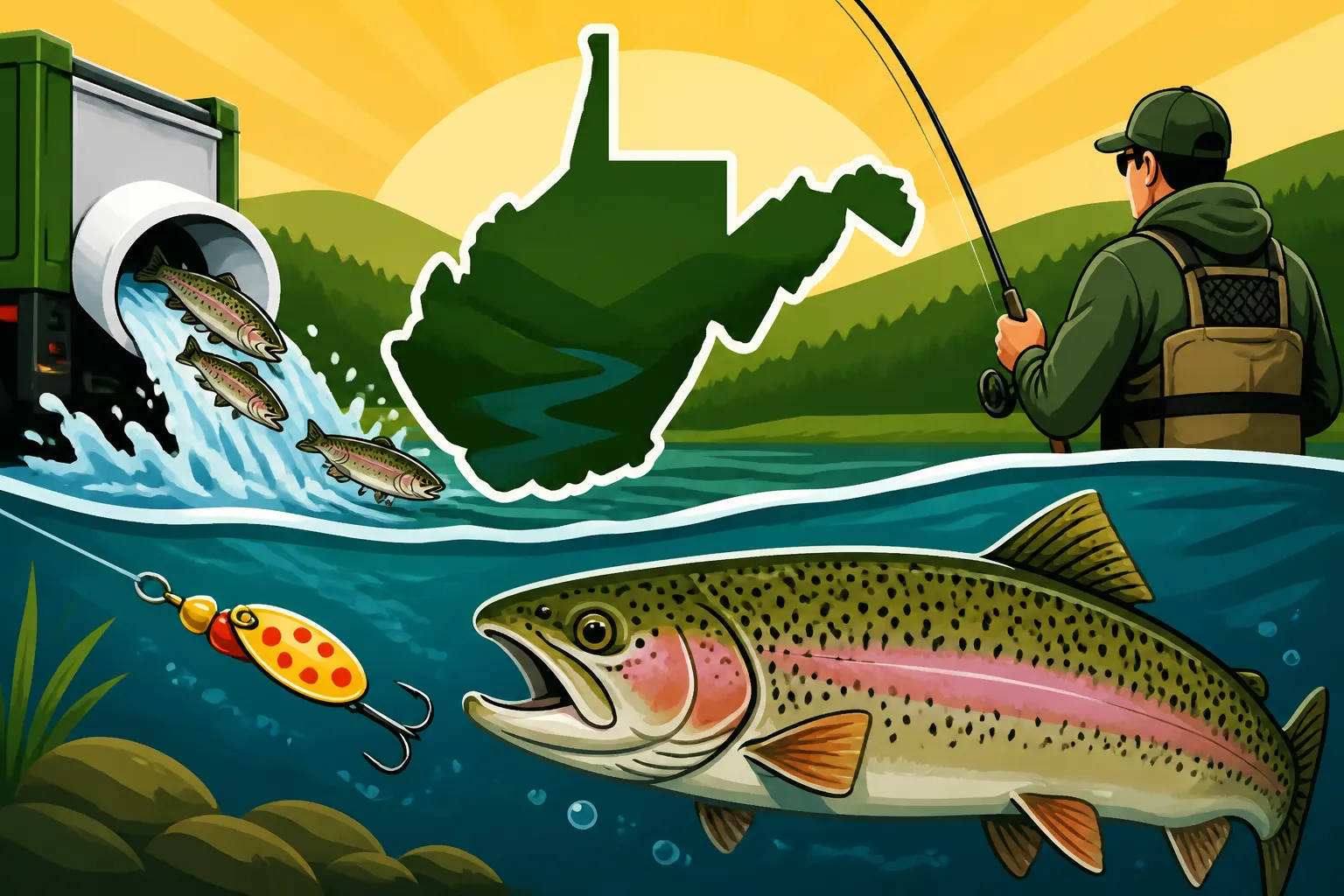
How to catch trout right after stocking in West Virginia
You've checked the West Virginia DNR stocking schedule, you've driven to the creek, and there they are – fresh trout! But sometimes, getting them to bite right after they've been dumped in is harder than it looks. They're disoriented, spooky, and sometimes just not interested in what you're throwing. This guide is all about cutting through that confusion, giving you the real-world tips and tricks to successfully catch trout right after stocking in West Virginia, turning a hopeful outing into a successful one.
Understanding West Virginia's Trout Stocking Program
West Virginia's trout stocking program is a fantastic initiative that brings the joy of trout fishing to anglers across the state, even in waters that might not naturally support a wild trout population year-round. The West Virginia Division of Natural Resources (WV DNR) puts a lot of effort into raising and distributing these fish, often stocking tens of thousands of trout into various rivers, streams, and lakes. However, these are hatchery-raised fish, and their behavior immediately after being released is quite different from their wild counterparts, or even from holdover trout that have been in the system for a while.
The "Fresh Stock" Mentality
When trout are first released from the hatchery truck, they're often in a state of mild shock and disorientation. Think about it: one moment they're in a controlled environment, being fed commercial pellets, and the next they're splashing into a completely foreign world with new sights, sounds, and currents. This initial confusion means they might not immediately react to natural food sources or even aggressive lures. They tend to stick together in tight schools, often lingering in the deeper pools or slack water near the drop-off points where they were introduced. They're still looking for that familiar pellet, and their survival instincts aren't fully tuned to the wild yet.
This "fresh stock" mentality also means they can be incredibly vulnerable and, ironically, sometimes too easy to catch, especially in the first few hours. This is why many anglers flock to stocking locations right after the trucks roll through. However, as the initial frenzy subsides, they can become quite wary. Understanding this transition is key; what works in the first 30 minutes might not work an hour later, let alone the next day. They're learning, adapting, and getting spookier by the minute, especially after seeing a few of their buddies get caught.
The Stocking Schedule and Locations
Knowing when and where the trout are going to be is half the battle when it comes to catching freshly stocked fish. The WV DNR provides an invaluable resource through its official stocking schedule, often updated weekly. You can usually find this information directly on their website or by calling the West Virginia Trout Stocking Hotline and Schedule. It’s a game-changer because it tells you which waters are receiving fish and when. Some anglers even follow the stocking trucks, though it's important to remember to give the fish some space upon release and not interfere with the stocking process itself.
These schedules often specify not just the waterbody, but sometimes even specific access points or sections of a stream where the trout will be released. For instance, popular spots like the Williams River, Cranberry River, or various state park lakes will be regularly listed. Paying attention to these details can put you right on top of the action. It's also worth noting that some waters are designated as put-and-take, while others might have special regulations, like catch and release rules for trout, so always check the specific rules for the water you plan to fish. Getting a solid grasp on the general West Virginia Fishing Season Dates and Closures is also paramount to ensure you're fishing legally and effectively.
Essential Gear and Bait for Freshly Stocked Trout
When it comes to outfitting yourself for success right after a West Virginia trout stocking, you don't necessarily need the fanciest gear, but having the right gear and bait for the unique behavior of these hatchery fish makes all the difference. Their recent diet and disoriented state mean certain presentations are far more effective than others.
Tackle for Success
For freshly stocked trout, a lighter tackle setup is almost always the way to go. You're not usually fighting monster wild browns that require heavy gear. Instead, you'll be dealing with fish that are often between 8 to 14 inches, and quite sensitive to heavy lines or clumsy presentations. A lightweight or ultralight spinning rod, typically 5 to 6 feet long, paired with a small spinning reel (size 1000 or 2000) spooled with 4 to 6-pound monofilament or fluorocarbon line is perfect. The lighter line allows for longer casts and a more natural bait presentation, which can be crucial when these fish become a bit more wary.
Fluorocarbon leader material, in particular, can give you an edge. It's nearly invisible underwater, which can trick even the spookiest stocked trout. Attach a 2-4 foot section of 2 to 4-pound fluorocarbon leader to your main line using a small swivel or an Albright knot. This combination offers both casting distance and stealth. While you can find decent starter combos at most local sporting goods stores, if you're looking for a wider variety or specific brands, checking out fishing gear sections on Amazon can often yield good results, with many options for a reliable rod and reel combo for beginners.
The Irresistible Baits
This is where the "hatchery" factor really comes into play. Since these trout were raised on commercial pellets, they have a strong association with that artificial scent and taste. This makes dough baits, particularly those bright, smelly, and moldable options like PowerBait, incredibly effective. PowerBait comes in a myriad of colors and scents, but popular choices include neon green, rainbow, yellow, and orange. The key is to mold it onto a small hook (size 10-14, sometimes even smaller) so it floats, suspending just off the bottom where trout are likely to be cruising.
Another classic that works wonders is live bait. Worms, especially small red wigglers or pieces of nightcrawlers, are natural and irresistible. Corn, believe it or not, is also a highly effective bait for stocked trout. Its bright color and slight sweetness often trigger a strike. Use a few kernels on a small hook, again, aiming for a floating presentation if possible with a small float or by pairing it with a piece of PowerBait. Many anglers swear by the effectiveness of live maggots or wax worms too, often available at local bait shops. The beauty of these baits is their simplicity; they require minimal technique, making them ideal for new anglers or a relaxing day on the water. For a full breakdown on what to toss out, take a look at our guide on the Best Baits for Opening Day Trout in West Virginia.
Lures That Mimic Natural Prey
While artificial baits often get the initial attention, small lures can also be incredibly effective, especially as the trout start to acclimate and their predatory instincts kick in. Small inline spinners like Panther Martins, Mepps Aglias, or Rooster Tails in sizes 0 to 2 are deadly. Colors like silver, gold, black, or even bright chartreuse can entice a strike. The flash and vibration mimic small baitfish or aquatic insects, which these hatchery fish will eventually start recognizing as food.
Small spoons, such as Kastmasters or Little Cleos (1/16 to 1/8 ounce), also have their moments. Their erratic wobble on the retrieve can trigger aggressive strikes. Consider colors that contrast with the water, or those that have some flash. For both spinners and spoons, a slow, steady retrieve is often best, but don't be afraid to experiment with slight pauses or twitches. If you're looking to stock up on a variety, an assorted lure kit purchased from Amazon can provide a good starting point without breaking the bank. Just remember to use a small snap swivel to prevent line twist when using inline spinners. If you're looking to upgrade your general fishing tackle, you might want to dive into our article on the Best Gear for West Virginia Trout Fishing.
Effective Techniques for Post-Stocking Trout
Having the right gear and bait is crucial, but knowing how to present them effectively is what truly separates a successful angler from someone just hoping for a bite. Freshly stocked trout behave differently, and your techniques need to adapt to their temporary environment and state of mind.
Fishing the Plunge Pool and Immediate Area
Right after stocking, trout often congregate in the deepest, most accessible pools or the immediate vicinity where they were released. These areas, sometimes called "plunge pools" if it's a waterfall or a point where a culvert enters, offer them a sense of security and often have slower currents where they can recover from the shock of being transported. Your first approach should always be to target these locations. Don't cast too far; sometimes they're right at your feet, clinging to the shadows or deeper sections.
A simple float rig (bobber) is incredibly effective here. Set your bobber so your bait is suspended a few inches to a foot or two off the bottom, or just above any submerged cover. This keeps your PowerBait, worm, or corn right in their strike zone without getting snagged. If the water is moving, cast upstream of the likely holding area and let your bait drift naturally down into the pool. Watch your bobber intently; stocked trout can have a very subtle bite. If you're fishing a lake, target the areas near the boat ramp or accessible shoreline where trucks typically unload. You'll often find these fish schooling tightly, making it a numbers game once you locate them.
Finesse Presentations and Light Tackle
Even though stocked trout can be eager, they can also become line-shy or spooked, especially after the first wave of anglers has passed through. This is where finesse becomes critical. Light line, as discussed earlier, is your friend. But beyond that, consider how your bait is presented. Avoid heavy sinkers that create a splash or drag your bait unnaturally. Instead, use minimal weight, often just a single split shot a foot or so above your hook to help cast and get your bait down.
When using PowerBait, mold it into a small, tear-drop shape around your hook, ensuring the hook point is covered. This makes it look like a floating pellet. For worms or corn, thread them on gently, leaving the hook point exposed for better hook-ups. The goal is to make the bait look as natural and non-threatening as possible. Casting gently, avoiding big splashes, and retrieving slowly are all part of a finesse approach. If you're fly fishing, this means using smaller nymph patterns, delicate casts, and fine tippets, mimicking the natural insects they might encounter for the first time. For more general advice on how to approach West Virginia's trout streams, consider reading up on Spring Trout Fishing Techniques for West Virginia Streams.
Moving with the Fish
Trout don't stay in one spot forever, even if they're freshly stocked. As they acclimate to their new surroundings, they will begin to disperse, moving both upstream and downstream from their initial release point. This movement is influenced by current, available cover, and the presence of food, or lack thereof. Don't get stuck fishing one single spot for hours if the bite dies. Be prepared to move and explore.
Start by fishing the immediate stocking area thoroughly, then gradually expand your search. Walk upstream, casting into pools, riffles, and undercuts. Then, work your way downstream, repeating the process. Pay attention to changes in current, submerged rocks, fallen trees, or overhanging vegetation – these are all prime areas where trout will seek shelter and security. Remember to keep an eye on your fellow anglers, too; if someone upstream or downstream starts consistently catching fish, it might be a sign that the trout have moved to their location. This mobility is key to maintaining a consistent catch rate throughout the day, especially on larger rivers where fish can spread out quickly. Our detailed guide on West Virginia Fishing Regulations Explained will offer crucial insights into specific water rules, including bag and possession limits.
Overcoming Common Challenges and Maximizing Your Catch
Fishing for freshly stocked trout in West Virginia can be incredibly rewarding, but it's not without its frustrations. From crowded banks to finicky fish, a few common challenges often arise. Knowing how to anticipate and overcome these can greatly improve your experience and your catch rate.
Dealing with Crowds
One of the biggest realities of fishing a freshly stocked stream or lake in West Virginia is the crowd. Especially on prime stocking days or during popular events like the Gold Rush Golden Rainbow Trout Event Rules, you can expect company. Many anglers, often families and beginners, flock to these spots, creating a lively but sometimes challenging environment. The key is patience and respect. Find your spot, give others their space, and focus on your fishing.
If a popular spot is just too packed, don't be afraid to walk a little further. Often, just a short hike upstream or downstream from the main access points can put you in less crowded water, where the fish are also less pressured. Alternatively, consider visiting on a weekday or during off-peak hours if your schedule allows. Early mornings, even on a weekend, can often provide a quieter experience before the bulk of the crowds arrive. Remember, everyone is out there for the same reason – to enjoy the outdoors and catch some fish – so a friendly wave and a courteous approach go a long way.
When the Bite Slows Down
The initial bite right after stocking can be fast and furious, almost too easy. But often, within an hour or two, or even less, the action can drop off dramatically. This isn't necessarily because all the fish are gone; it's usually because they've become accustomed to their new environment, wised up to common baits, or simply dispersed. When the bite slows, it's time to switch things up.
First, change your bait. If PowerBait isn't working, try a worm or corn. If those fail, switch to a small spinner or spoon. Experiment with different colors and sizes. Next, adjust your presentation. Go lighter on the line, smaller on the hook, and more subtle with your cast. Try varying your retrieve speed with lures, or adjust the depth of your bait with a bobber. Sometimes, simply taking a break, letting the water rest, and then returning with a fresh approach can yield results. Moving to a new section of the waterbody, even if it's just a hundred yards, can also find you unpressured fish. Consider how long a particular waterbody has been stocked; if it's been several days, the fish will be more spread out and acting more like naturalized fish, requiring more sophisticated tactics.
Responsible Angling Practices
While the goal is to catch fish, especially after a fresh stocking, responsible angling practices are paramount. Always respect the West Virginia Bag and Possession Limits by Species for trout. These limits are in place to ensure sustainable fishing for everyone. If you plan to keep fish, dispatch them quickly and humanely. If you're practicing catch and release, handle the fish as little as possible with wet hands, and use a net designed for trout that won't damage their slime coat or fins. Barbless hooks can also make releasing fish much easier and less stressful for the trout.
Understanding the specific regulations for the water you're fishing is crucial. Some waters may have special catch and release sections, or different limits based on species or time of year. Before you head out, make sure your West Virginia Fishing License Guide for 2026 is current, and that you've purchased any necessary add-ons like the West Virginia Trout Stamp Cost for Residents and Nonresidents if you plan on targeting trout. By being responsible, we ensure that West Virginia's excellent trout fishing opportunities continue for years to come.
Here's a quick look at some effective baits and lures for freshly stocked trout:
| Bait/Lure Type | Description | Pros | Cons |
|---|---|---|---|
| PowerBait | Artificial, moldable dough bait in various colors/scents (e.g., neon green, rainbow, yellow, orange). | Strong scent/color appeals to hatchery-fed fish, floats off bottom. | Can be messy, fish might get wise after heavy pressure. |
| Live Worms | Red wigglers, nightcrawlers (pieces). | Natural food source, irresistible to most fish. | Can be hard to keep on hook, less scent than PowerBait initially. |
| Corn | Canned whole kernel corn. | Bright color, subtle sweetness, cheap, effective. | Can fall off hook easily, less durable. |
| Wax Worms/Maggots | Small, live grubs. | Very natural, good for finicky fish, subtle presentation. | Smaller size means less visual appeal from a distance, can be delicate. |
| Inline Spinners | Small metal lures with a spinning blade (e.g., Mepps, Panther Martin, Rooster Tail). | Flash and vibration attract fish, covers water quickly. | Requires continuous retrieve, can cause line twist without a swivel. |
| Small Spoons | Metal lures that wobble on retrieve (e.g., Kastmaster, Little Cleo). | Erratic action, good for deeper water, can be cast long distances. | Can snag on bottom easily, less effective in very slow current. |
Disclaimer
Fishing conditions and regulations in West Virginia can change. Always consult the official West Virginia Division of Natural Resources (WVDNR) website or the current fishing regulations summary before heading out to ensure you have the most up-to-date information on licenses, limits, and specific waterbody rules. This guide is for informational purposes only and should not replace official sources.