How to catch bass during a cold front in West Virginia
Oh, the dreaded cold front. We've all been there, right? You wake up, excited to hit your favorite West Virginia bass spot, only to find the air has dropped, the wind is howling a bit more than yesterday, and that warm, sunny pattern has vanished. Suddenly, the fish that were biting like crazy the day before seem to have evaporated into thin air. It's incredibly frustrating when bass suddenly get lockjaw, but don't pack up your gear just yet. This guide is all about helping you understand exactly what happens to West Virginia bass when a cold front rolls through and, more importantly, how you can adjust your strategy to still catch fish when the conditions turn tough.
Understanding How Cold Fronts Affect West Virginia Bass
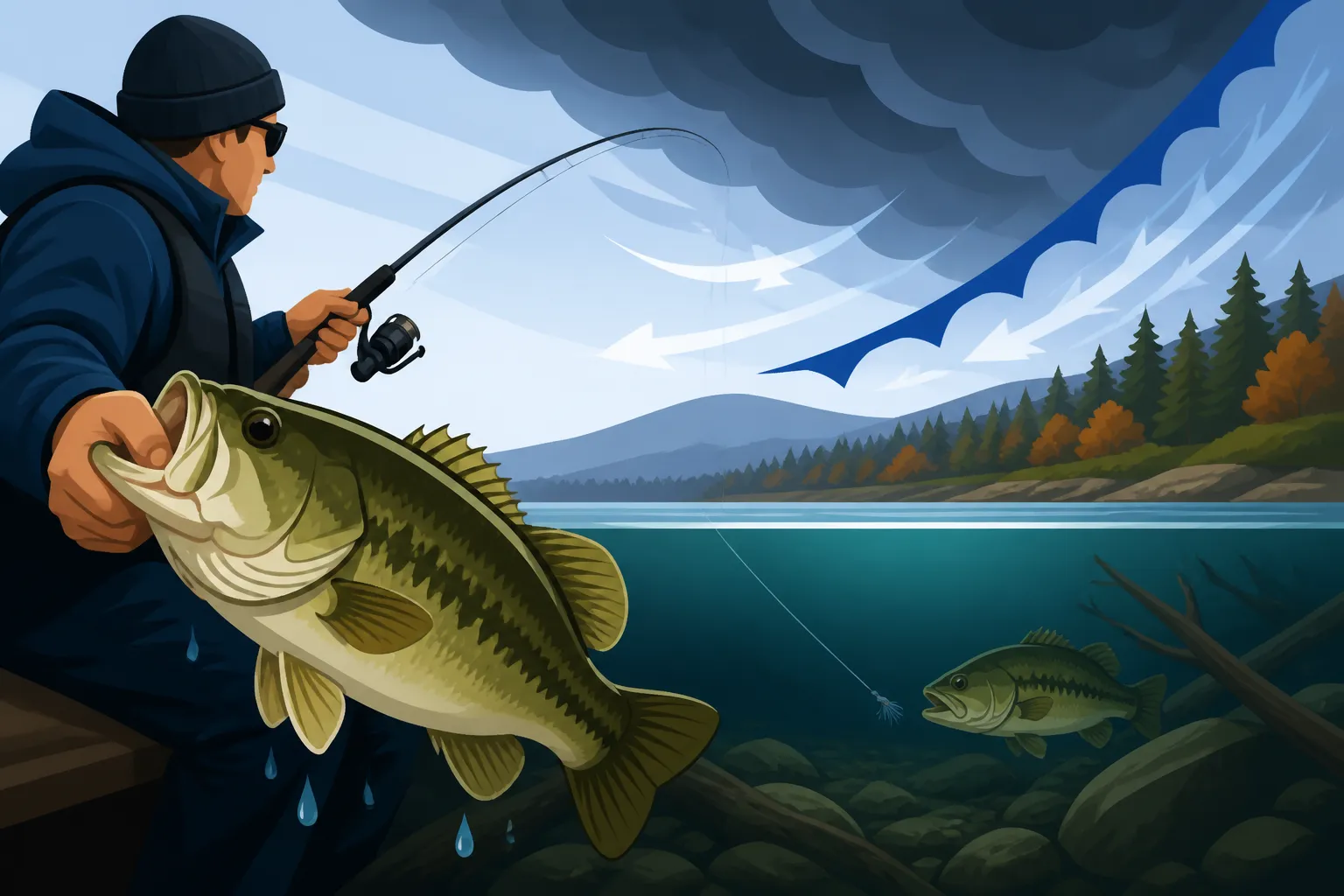
A cold front isn't just a change in air temperature; it's a ripple effect that impacts the entire aquatic environment, from the surface to the deepest reaches. For us anglers, it means understanding how these subtle yet significant shifts influence our target species. Bass, particularly, are highly sensitive to these changes, and their survival instincts kick in, making them much harder to entice.
The Science Behind Bass Behavior Changes
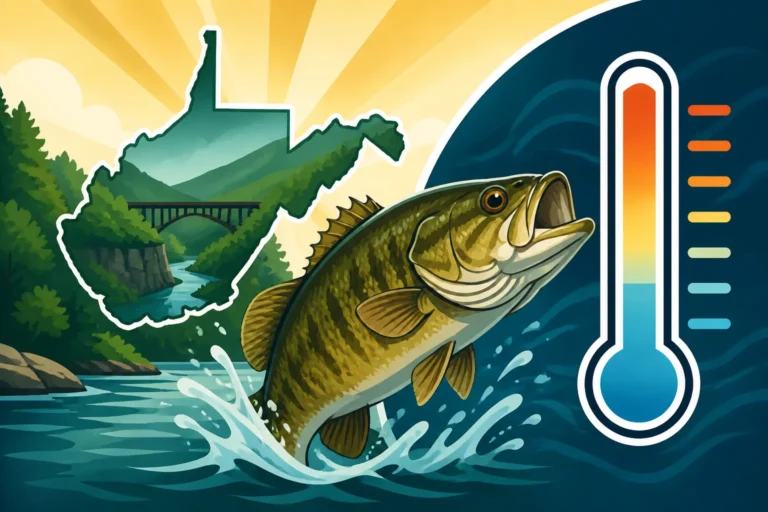
When a cold front pushes through, the most immediate and noticeable effect is a drop in air temperature. This often leads to a decrease in water temperature, especially in shallower areas. Bass, being cold-blooded creatures, have their metabolic rates tied directly to water temperature. As the water cools, their metabolism slows down dramatically. Think of it like trying to run a marathon in freezing weather – everything just moves slower, requires more effort, and you're far less enthusiastic.
This metabolic slowdown means bass become less active. They're not as inclined to chase fast-moving baits, and their feeding windows shrink considerably. Beyond metabolism, the sudden change in barometric pressure that often accompanies a cold front can make fish uncomfortable. Many anglers have observed that a rapidly dropping barometer, which often precedes a front, can trigger a feeding frenzy. But once the front passes and the high-pressure system settles in, bass tend to feel exposed and retreat. They seek deeper water or denser cover, feeling more secure from predators above. This is why you'll often find them tucked tightly into brush piles or hugging the bottom, almost trying to disappear.
Impact on Forage and Water Conditions
It’s not just the bass that are affected; their entire food chain also reacts to a cold front. Baitfish, like shad and minnows, often move deeper or tighter to cover as well, making them harder for bass to find and ambush. This scarcity of easily accessible food further reduces the bass's motivation to hunt aggressively. If their primary food source is hiding, why would a bass expend precious energy chasing something that isn't there, especially when its metabolism is already sluggish?
Additionally, cold fronts can bring clearer water. Strong winds associated with a front can churn the surface, but after the front passes, the air often settles, leaving behind crisp, clear water. While clear water can be great for sight fishing on bright, calm days, it can make bass even more wary during a post-front period. With clearer visibility, they can spot predators (and your fishing line!) much more easily, making them even more skittish and harder to approach. This increased wariness means your presentation needs to be incredibly subtle and natural. You'll often find these clear water conditions particularly challenging in the smaller, more pristine lakes and streams of West Virginia, where bass already have excellent visibility.
Essential Gear Adjustments for Cold Front Bass Fishing
When a cold front hits, simply throwing the same big spinnerbaits and fast-moving crankbaits you used yesterday is a recipe for frustration. Bass become lethargic and extremely wary, so your gear needs to reflect a more subtle, finesse approach. Making a few key adjustments can dramatically increase your chances of getting a bite.
Downsizing Your Lures and Line
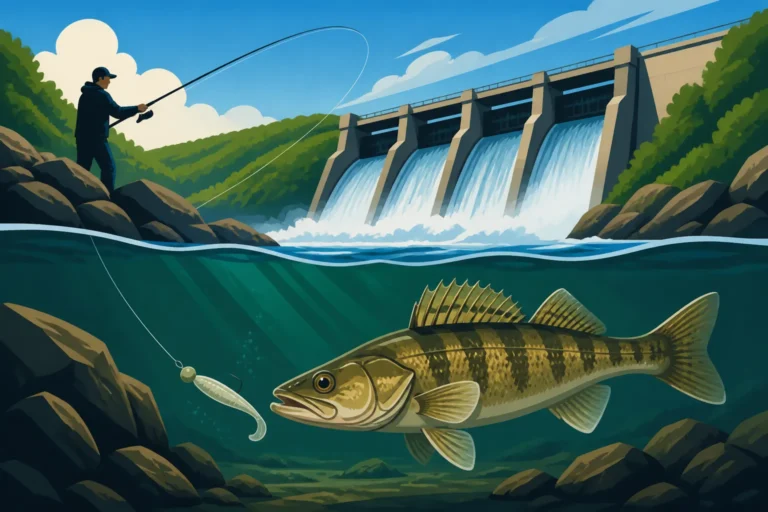
One of the most crucial changes you can make is to downsize. Big, flashy baits that work well when bass are aggressive can actually spook them during a cold front. Instead, reach for smaller presentations. Think about things like finesse worms, small jigs, Ned rigs, and tiny crankbaits. These baits offer a more natural, less threatening profile, mimicking the smaller, less active forage that bass might be willing to pick off. For example, a 3-inch finesse worm on a shaky head jig will often outperform a 7-inch power worm when the bite is tough.
Along with downsizing lures, it's vital to lighten your line. Heavier line, especially monofilament, is more visible in the clearer post-front waters and can inhibit the natural action of your delicate baits. Switching to lighter fluorocarbon line, perhaps 6-8 pound test, is a game-changer. Fluorocarbon has a lower visibility underwater and less stretch than mono, giving you better feel for those incredibly subtle cold front bites. You can find excellent fluorocarbon lines on Amazon that offer a good balance of strength and low visibility, helping your presentation appear almost invisible to a cautious bass. Remember, the goal is to make your offering look as easy and natural to eat as possible, without giving the bass any reason to be suspicious.
The Importance of a Slow Presentation
This cannot be emphasized enough: slow down, then slow down some more. Your retrieve speed should go from aggressive to almost agonizingly slow. Bass in cold front conditions are not going to chase. They're conserving energy and are often hunkered down, waiting for an easy meal to practically swim into their mouths. This means taking long pauses, barely twitching your rod tip, and letting your bait sit on the bottom for extended periods.
For jig fishing, imagine barely dragging your jig along the bottom, feeling for any slight change in texture or a tell-tale tap. If you're using a shaky head, let it sit for 10-15 seconds, then give it one or two tiny quivers. If you're working a small crankbait, use a retrieve that's just fast enough to get the bait to dive, then pause it and let it float or slowly sink. This slow, deliberate approach forces the bass to make a decision without having to expend much energy in pursuit. Sometimes, the fish might just "suck in" the bait without a definitive strike, making a sensitive rod and good feel absolutely essential.
Rods, Reels, and Line Considerations
To effectively employ these finesse techniques, your rod and reel setup needs to be up to the task. Forget the heavy-action flipping sticks and fast-retrieve baitcasters. Instead, opt for spinning gear, specifically a medium-light to medium power rod with a fast or extra-fast tip. A sensitive tip is crucial for detecting those barely-there bites that are common during a cold front. Look for rods made with high-modulus graphite, as they transmit even the slightest tap directly to your hand. For example, a 7-foot medium-light spinning rod is a fantastic all-around choice for this type of fishing. Many anglers find great options for such sensitive rods on Amazon.
Pair this rod with a smooth spinning reel in the 2000-2500 size range. The smooth drag system is important when fighting a bass on lighter line, and a consistent retrieve will aid in your slow presentation. As mentioned, fluorocarbon line is your best friend here. If you're fishing heavier cover, you might consider a braided main line (10-15 lb test) with a 6-10 lb fluorocarbon leader. This combination gives you the sensitivity and strength of braid with the low visibility of fluorocarbon, offering the best of both worlds. Being prepared with the right setup makes all the difference when the fishing gets tough. You can learn more about specific setups in our guide on Best Spinning Rods for Smallmouth Bass.
Locating Bass During a West Virginia Cold Front
Finding bass after a cold front can feel like searching for a needle in a haystack. They don't just stop feeding; they change their entire behavior pattern, seeking comfort and security. Understanding where they go is half the battle, and often, it's not where you found them a day or two earlier.
Deep Water and Cover are Key
When that high-pressure system settles in after a cold front, bass will often retreat to deeper water. They do this for a couple of reasons. Firstly, deeper water tends to be more stable in temperature, providing a more consistent and comfortable environment than shallow flats that cool quickly. Secondly, and perhaps more importantly, deep water offers a sense of security from overhead predators like eagles and ospreys. The increased light penetration in clear, post-front conditions makes them feel exposed in shallower water.
Alongside depth, bass will seek out heavy cover. This could be submerged timber, rock piles, ledges, or dense weed lines that still offer good camouflage. In West Virginia, this often means targeting the deep bends and rock shelves of rivers like the New River Gorge, or the extensive submerged timber found in reservoirs such as Summersville Lake or Stonewall Jackson Lake. When fishing a lake like Summersville, don't be afraid to pull away from the banks and start scanning your electronics for structure in 15-30 feet of water. These areas provide both protection and a stable environment where they can conserve energy.
Targeting Specific Structures
Once you understand that bass are seeking depth and cover, you can start to pinpoint specific structures. Look for areas where deep water meets some form of vertical or horizontal structure.
- Ledges and Drop-offs: These are prime cold front locations. Bass will often position themselves on the deeper edges of ledges, or even suspended just off the face, waiting for an easy meal to drift by. Finding a significant depth change where baitfish might congregate is crucial.
- Channel Swings: In rivers and reservoirs, the main river channel often has sharper bends or swings that create deeper scour holes and adjacent cover. Bass will often move into these protected areas, especially if there's wood or rock on the bottom.
- Submerged Timber and Brush Piles: These are classic bass hideouts. Bass will bury themselves deep within the branches, using the cover for protection and as an ambush point. A good fish finder is invaluable for identifying these submerged forests. Many of the Best Fishing Lakes in West Virginia are full of such structure.
- Rock Piles and Boulders: Rocky bottoms offer warmth retention and numerous crevices for bass to hide. Large boulders or rock piles in deeper water can be magnets for cold front bass, especially if they're near a drop-off.
- Deep Docks and Marina Pilings: Don't overlook man-made structures. Deep docks, especially those with brush piles sunk underneath, can hold significant numbers of bass. The pilings themselves offer vertical cover that bass can relate to.
It's all about finding those transition zones where bass feel safe, comfortable, and have access to potential food without expending too much energy.
The Role of Electronics
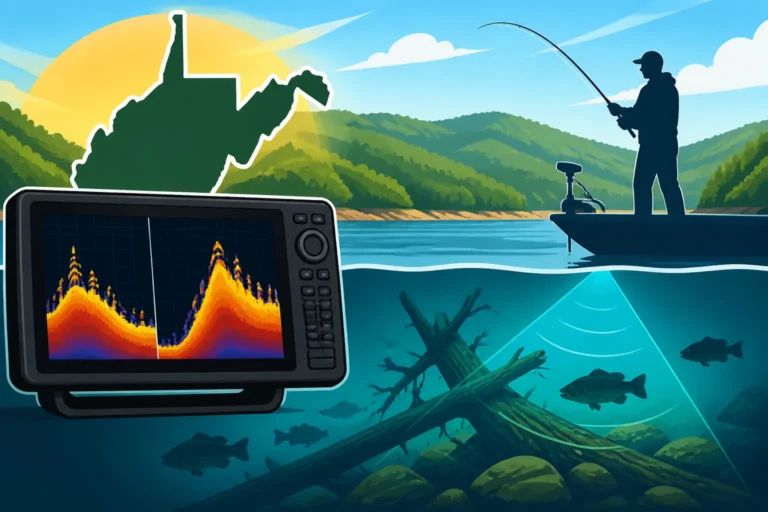
In cold front conditions, your electronics are your best friend. A good fish finder is no longer just a luxury; it's a necessity. Use your side imaging and down imaging to scan large areas quickly, identifying those submerged timber piles, rock ledges, and deep-water humps where bass might be holding. Pay close attention to any baitfish schools you mark; bass will often be nearby, even if they're not actively chasing.
Once you've identified potential cover or structure, use your 2D sonar to confirm fish presence. Don't expect to see huge arches; cold front bass are often glued to the bottom, appearing as faint bumps or "streaks" right on the bottom line. Some modern fish finders, like those from Humminbird or Lowrance, also offer features like LiveScope or Mega Live, which can allow you to actually see and target individual fish holding tight to cover. This technology can literally show you where the fish are hiding, eliminating a lot of wasted casts and greatly improving your efficiency when you're trying to figure out How to catch bass during a cold front in West Virginia.
Proven Techniques and Baits for Cold Front Success
Once you've located bass holding deep and tight, the challenge shifts to getting them to bite. Aggressive lures and fast retrieves are generally out. This is where finesse shines, and patience becomes your most potent weapon.
Finesse Techniques That Work
When bass are lethargic due to a cold front, it’s all about offering them an easy, irresistible meal. Here are some techniques that consistently produce:
- Ned Rig: This has become a staple for tough conditions, and for good reason. A small, mushroom-shaped jig head (typically 1/16 to 1/8 oz) paired with a buoyant, short stick bait (often 2.75 to 3 inches) creates a presentation that stands upright on the bottom. This "stand-up" posture mimics a small forage fish or crayfish defending itself, making it an irresistible target for lethargic bass. The key is to drag it slowly, occasionally pausing and letting it sit. The buoyancy of the plastic will keep it upright, even when stationary, making it look alive.
- Drop Shot: The drop shot rig is unparalleled for targeting suspended bass or those holding precisely on specific structure in deeper water. By tying the hook directly to your main line and attaching a weight below it, your bait can hover at a predetermined depth, right in the bass’s strike zone, without getting snagged on the bottom. This allows for incredibly subtle movements of the bait with minimal rod twitching. Use a small, straight-tail worm or creature bait on a size 1 or 2 hook. This rig is particularly effective when you've located fish on your electronics that are suspended off a ledge or timber.
- Shaky Head: Similar to a Ned rig but with a slightly larger profile, a shaky head jig allows for a slow, dragging presentation along the bottom with a finesse worm. The worm attached to the jig head quivers with the slightest movement, imitating a struggling baitfish or a foraging creature. This is excellent for probing submerged timber or rock piles. The trick is to drag it very slowly, pause, and give the rod tip tiny shakes to impart action without moving the bait forward too much.
- Small Jigs: A tiny football jig or a finesse jig (1/4 oz or less) with a small, compact trailer can be deadly. These jigs imitate crawfish or small baitfish. The key is to drag them slowly, feeling for every rock and piece of wood, and pausing frequently. When you feel a piece of cover, let the jig sit there for a few seconds before gently hopping it over. This can often trigger a reaction bite from a bass that's tight to cover. Our guide on How to Catch Smallmouth Bass in West Virginia Rivers offers more specific advice on jig choices.
Best Bait Choices
When selecting baits, natural colors and minimal action are generally preferred for cold front conditions.
- Soft Plastics (Finesse Worms, Creature Baits): These are your primary weapons. Colors like green pumpkin, junebug, watermelon red, and natural browns are excellent choices in clearer water. Scented plastics can also make a huge difference, enticing a bass to hold onto the bait longer, giving you more time to set the hook. Brands like Berkley PowerBait and Yamamoto Senko are popular choices that you can often find readily on Amazon.
- Live Bait: Sometimes, nothing beats the real thing. Small shiners, minnows, or even a nightcrawler on a small hook can be incredibly effective when bass are completely shut down to artificials. Presenting live bait on a drop shot or a simple free-lined rig can often coax a bite when all else fails. Just be sure to check West Virginia Fishing Regulations Explained for any restrictions on live bait use in specific waters.
- Subtle Crankbaits/Jerkbaits: While "fast-moving" is generally out, some specific hard baits can work if fished with extreme patience. Small, silent crankbaits that dive to the depth where bass are holding, retrieved very slowly with long pauses, can sometimes draw a strike. Jerkbaits, particularly those with a suspended action, can be worked with a long pause-and-twitch cadence, allowing them to hang enticingly in the water column for several seconds between movements. The longer the pause, the better.
Strategic Presentation Tips
Success during a cold front is less about finding the "magic" bait and more about the "magic" presentation.
- Dead Sticking: This is exactly what it sounds like. Cast your finesse bait, let it sink to the bottom, and then literally do nothing. Let it sit there. And sit there. And sit there some more. A bass might eventually suck it in without you imparting any action at all. This works especially well with buoyant plastics like Ned rigs.
- Slow Dragging: Whether it's a jig, a shaky head, or a Texas-rigged worm, keep your bait in contact with the bottom. Imagine you're dragging it through mud, so slowly that you can feel every pebble. This methodical approach often triggers a reaction from bass that are reluctant to move.
- Long Pauses: Incorporate pauses of 5, 10, even 20 seconds into your retrieve. This allows the bass ample time to approach, inspect, and eventually commit to the bait. Many bites will happen during these pauses. It takes incredible discipline, but it pays off.
Navigating Common Cold Front Challenges
Fishing during a cold front isn't just about changing your lures; it's also about managing your expectations and maintaining your resolve. It's a mental game as much as it is a technical one.
Dealing with Finicky Bites
One of the most disheartening aspects of cold front fishing is the extremely finicky bite. You might feel a slight "tick," a spongy weight, or just notice your line jump a fraction of an inch. These aren't the aggressive thump-thumps you get on a good day. It's crucial to be hyper-aware of your line and rod tip. Any subtle change in tension, movement, or feeling could indicate a bass inhaling your bait.
When you do feel something, don't immediately set the hook with a violent swing. Instead, lean into the fish, taking up any slack, and then apply steady pressure. Many cold front bites are tentative, and the bass might just be "mouthing" the bait. Giving them a second to fully engulf it before setting the hook can improve your landing ratio. Experiment with different hook sizes and styles to ensure you're getting good hook penetration even with light bites. Sometimes, switching to a lighter wire hook can make a difference in how easily it penetrates.
Patience and Persistence are Virtues
Let's be honest: cold front fishing can test the patience of a saint. The bites will be fewer and far between, and the retrieves will be excruciatingly slow. It's easy to get discouraged, to speed up your retrieve, or to move to new spots too quickly. However, persistence is absolutely key. If you've found a good piece of deep cover or structure where bass should be holding, work it thoroughly. Make multiple casts from different angles. Try different finesse baits. Slow down even more.
Don't let the lack of immediate action get you down. Every fish caught during a cold front is a trophy because it required skill, patience, and a refusal to give up. Embrace the challenge. It’s during these tough conditions that you truly hone your angling skills and gain a deeper understanding of bass behavior. Think of it as a master class in fishing finesse, where every single bite feels like a hard-earned victory.
Safety First
While fishing, especially during colder weather, always prioritize safety. Cold fronts often bring strong winds and significant drops in temperature, making conditions on the water potentially hazardous. Dress in layers, including waterproof outer shells, even if the sun is out. Hypothermia can set in quickly if you get wet or are exposed to sustained cold winds.
If you're boating, ensure all your safety equipment is in good working order. Life jackets, especially, should be worn, not just stored. Water temperatures can be dangerously cold, and an unexpected fall overboard can quickly turn serious. Also, be mindful of changing weather patterns. Cold fronts can sometimes be followed by even more severe weather. Always check the forecast before you go, and be prepared to cut your trip short if conditions worsen. There's no fish worth risking your safety for. You can also review West Virginia Boating Laws for Anglers to ensure you're fully prepared.
Here's a quick comparison of cold front vs. normal bass fishing tactics:
| Feature | Normal Conditions | Cold Front Conditions |
|---|---|---|
| Bass Activity | Aggressive, chasing, actively feeding | Lethargic, tucked tight to cover, reluctant to chase |
| Location | Shallower flats, weed lines, ambush points | Deeper water, heavy submerged cover, bottom-hugging |
| Lure Size | Medium to large (spinnerbaits, crankbaits, jigs) | Small, finesse (Ned rigs, drop shots, tiny jigs) |
| Line Weight | 10-17 lb mono/fluorocarbon/braid | 6-10 lb fluorocarbon or braid with fluoro leader |
| Retrieve Speed | Moderate to fast, aggressive jerks and pops | Extremely slow, dead sticking, long pauses, subtle |
| Bite Detection | Aggressive thumps, clear pulls | Subtle ticks, spongy weight, line jumps |
| Rod Power | Medium-Heavy to Heavy | Medium-Light to Medium, Fast/Extra-Fast Tip |
| Patience | Moderate | Extreme |
This table isn't exhaustive, but it provides a good snapshot of the mindset shift required to tackle a cold front effectively.
Disclaimer
The information provided in this guide is for general informational purposes only and does not constitute professional advice. Fishing conditions, regulations, and fish behavior can vary greatly. Always consult the latest West Virginia fishing regulations before heading out and prioritize safety on the water.