Night Fishing Techniques for West Virginia Lakes
There's a special kind of magic that settles over West Virginia's lakes when the sun dips below the mountains, painting the sky in fiery hues before darkness takes hold. For many anglers, the daytime hustle, the boat traffic, and the scorching summer sun can really take the fun out of a peaceful fishing trip. But when night falls, a whole new world opens up, bringing with it cooler temperatures, quieter waters, and often, some of the most phenomenal fishing opportunities you'll ever experience. This comprehensive guide will walk you through everything you need to know to confidently and successfully cast your line into the mysterious, productive depths of West Virginia's lakes after dark.
Why Night Fishing is Worth the Effort
Heading out onto the water after sunset might seem a little daunting at first, but the rewards often far outweigh any initial hesitation. West Virginia's lakes transform into a tranquil, often cooler, and incredibly active environment once darkness descends, offering unique advantages that you just won't find during the day.
Escaping Daytime Pressures
One of the most immediate and appreciated benefits of night fishing is the sheer lack of crowds. During peak season, popular spots like Summersville Lake or Stonewall Jackson Lake can be buzzing with pleasure boats, jet skis, and a constant parade of daytime anglers. This constant activity not only creates noise and waves but can also put immense pressure on fish populations, making them skittish and harder to catch. When the sun goes down, most of that activity vanishes.
Imagine launching your boat at Bluestone Lake as dusk settles, and instead of navigating a crowded ramp, you find yourself with ample space and a peaceful launch. The water becomes still, reflecting the moon and stars, and the only sounds are the gentle lapping of waves against the hull, the distant call of an owl, or the splash of a fish jumping. This tranquility allows you to focus, enjoy the natural beauty, and fish without constant interruption. It's a truly serene experience that allows you to reconnect with the water and the rhythm of nature, free from the distractions of the modern world. Plus, many species, especially larger ones, become far more active once the cover of darkness sets in, venturing out from deeper, cooler daytime retreats.
Targeting Nocturnal and Opportunistic Feeders
Many of West Virginia's most sought-after game fish are either naturally nocturnal or become significantly more active under the cloak of night. This shift in behavior is a primary reason why night fishing can be so incredibly productive. Species like walleye, crappie, and especially catfish, are well-known night hunters, using their keen senses to locate prey in low light.
Walleye, for instance, have large, light-sensitive eyes that give them a distinct advantage in the dark, often moving into shallower feeding flats and along points where they can ambush baitfish. If you've struggled to find them during the day, try fishing for walleye at night, as they often become much more aggressive. Catfish, with their excellent sense of smell and touch provided by their barbels, are perfectly adapted to rooting out food in the darkest conditions. They often move from deep channels into shallower areas to forage for anything from insect larvae to smaller fish. Even largemouth and smallmouth bass, while often associated with daytime fishing, will take advantage of the reduced light to hunt baitfish that are more vulnerable after dark. The cooler water temperatures near the surface also make it more comfortable for them to feed, especially during the sweltering summer months.
Essential Gear for Safe and Successful Night Fishing
Stepping out onto a lake after dark requires a bit more preparation than your typical daytime excursion. Safety should always be your top priority, but having the right specialized gear can also dramatically increase your chances of success and enjoyment. Don't let the darkness catch you unprepared; a little planning goes a long way.
Lighting Solutions for Visibility and Safety
Proper lighting is absolutely non-negotiable when night fishing. It's not just about seeing your tackle; it's about navigating safely, both on the water and on shore, and making yourself visible to others. You'll want a combination of personal lighting and boat/area lighting.
For personal use, a high-quality headlamp is essential. Look for models with adjustable brightness settings and, crucially, a red light option. White light can ruin your night vision and spook fish, while red light allows you to see what you're doing without blinding yourself or alerting your quarry. Many anglers find durable, waterproof LED headlamps available on Amazon to be excellent for this purpose. Carry spare batteries, or better yet, a rechargeable unit with a portable power bank. For your boat, navigation lights are legally required, but consider adding some subtle LED strip lighting or small lanterns to illuminate your deck and tackle box without being overly bright. These can be particularly helpful when rigging baits or unhooking fish. Glow sticks or small, battery-operated LED clip-on lights can also be attached to rods or net handles to make them easy to locate in the dark. Just remember, subtlety is key; you want enough light to be safe and efficient, but not so much that you turn your fishing spot into a beacon.
Specialized Tackle and Baits for After Dark
While many of your favorite daytime lures and baits will still work at night, there are some specialized options that can give you a significant edge when visibility is limited. Fish rely more heavily on other senses – sound, vibration, and smell – in the dark, so tailoring your presentation to these senses is critical.
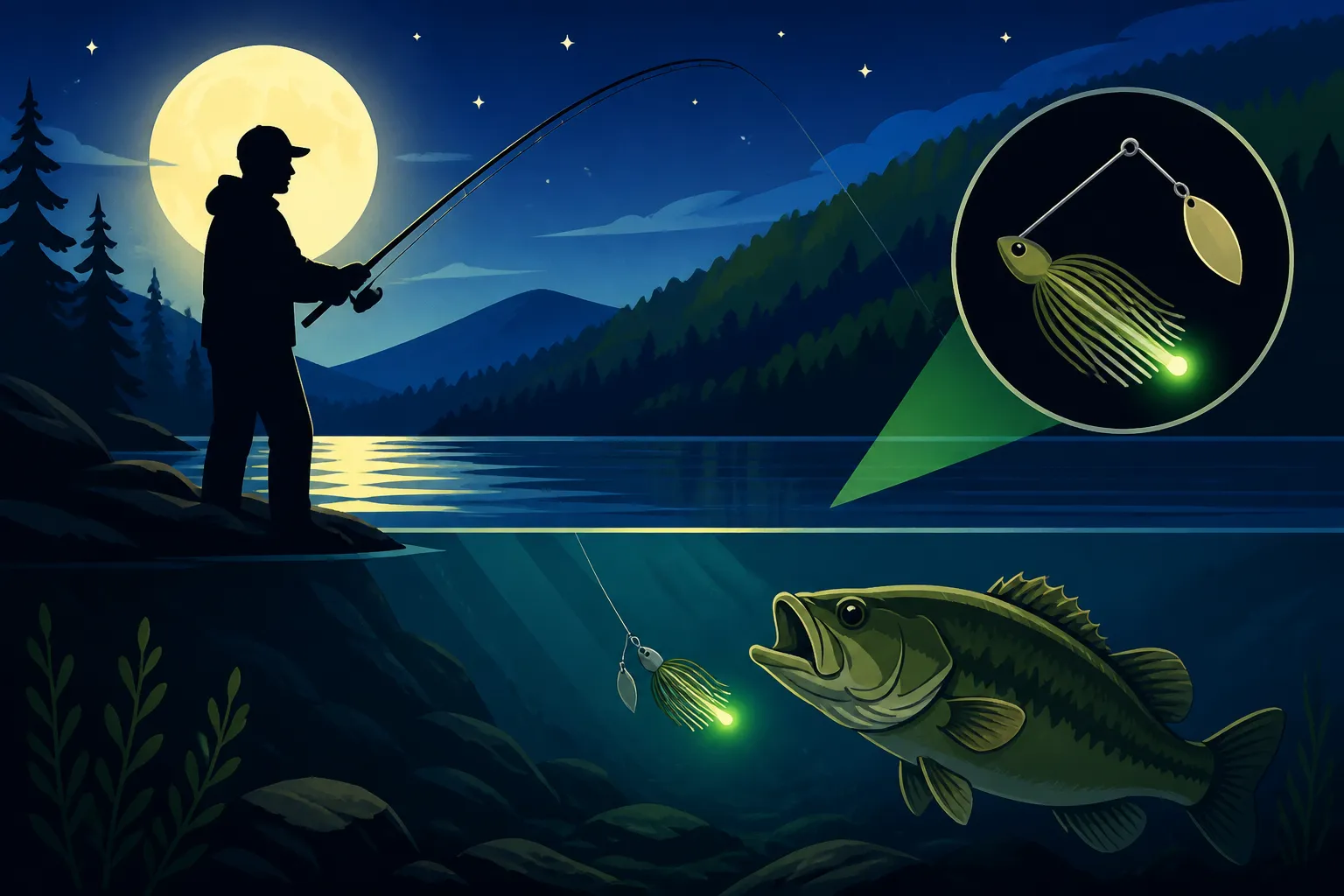
Lures with built-in rattles or those that produce strong vibrations are fantastic. Bladed jigs, crankbaits with internal BBs, and spinnerbaits with large thumping blades can draw strikes from fish that are hunting by sound. Darker colored lures (black, purple, blue) can actually create a stronger silhouette against the lighter night sky or water surface, making them more visible to fish looking up. Some lures even come with glow-in-the-dark features or can be charged with a UV flashlight, providing a subtle, attractive glow. For live bait, nothing beats the natural appeal of minnows, shad, or nightcrawlers. When fishing for catfish, cut bait like chicken livers, shad, or even specially prepared stink baits are incredibly effective, as their strong scent trails guide the catfish right to your hook. Always have a variety on hand, as fish preferences can change throughout the night.
| Gear Category | Item | Key Feature for Night Fishing | Why It's Essential |
|---|---|---|---|
| Personal Lighting | Headlamp (LED) | Red light mode, adjustable brightness, waterproof | Hands-free illumination, preserves night vision, safety |
| Extra Batteries/Power Bank | Long-lasting power | Prevents being stranded in the dark | |
| Boat/Area Lighting | Navigation Lights (LED) | USCG approved, reliable | Legal requirement, prevents collisions |
| Small LED Strip Lights | Subtle deck illumination, low power draw | Lights up workspace without spooking fish | |
| Glow Sticks/Clip-on Lights | Disposable or reusable, various colors | Marks rods, nets, or buoys for easy location | |
| Specialized Tackle | Lures with Rattles/Vibration | Internal BBs, thumping blades | Attracts fish via sound and vibration in low light |
| Dark/Glow Lures | Strong silhouette, UV-chargeable | Increased visibility for fish, adds appeal | |
| Strong Scent Baits (Catfish) | Fish offal, stink baits | Capitalizes on catfish's keen sense of smell | |
| Safety Equipment | PFDs (Life Jackets) | Easily accessible, worn | Legal requirement, crucial for emergencies |
| First-Aid Kit | Comprehensive, well-stocked | Addresses minor injuries in the dark | |
| Whistle/Air Horn | Loud, distinctive sound | Signals distress, warns others | |
| VHF Radio/Charged Cell Phone | Communication | Emergency contact, weather updates | |
| GPS/Chartplotter | Accurate navigation | Prevents getting lost on unfamiliar waters | |
| Comfort & Convenience | Thermos with Hot Drink | Keeps warm | Counteracts night chill, boosts morale |
| Bug Repellent | Effective, long-lasting | Protects from biting insects | |
| Cooler with Snacks/Drinks | Insulated, accessible | Stays hydrated and fed, prevents leaving post |
Navigation and Safety Equipment
Beyond lighting, navigating West Virginia's lakes at night demands attention to additional safety gear. Even familiar waters can become disorienting in the dark, and unforeseen circumstances can arise quickly.
A fully charged cell phone is a given, but don't rely solely on it; invest in a marine-grade VHF radio, especially if you're fishing on larger bodies of water where cell service might be spotty. Always have enough U.S. Coast Guard-approved Personal Flotation Devices (PFDs) for everyone on board, and ensure they are readily accessible, or better yet, worn at all times. Check out the official West Virginia Boating Laws for Anglers to make sure you're compliant with all regulations. A well-stocked first-aid kit is also crucial for handling any minor cuts, scrapes, or hook incidents that can be harder to manage in the dark. For navigation, a GPS unit or a chartplotter with up-to-date maps of your chosen lake is invaluable. Before you even head out, mark any submerged hazards, rock piles, or shallow areas on your GPS. It's a good idea to scout the area during the day to familiarize yourself with landmarks and potential dangers. Remember, even though the lake might seem empty, other boats, often not properly lit, could be out there. Maintaining a vigilant watch and knowing your location at all times are paramount for a safe night on the water.
Top West Virginia Lakes for Night Fishing
West Virginia is blessed with a plethora of stunning lakes, many of which offer exceptional night fishing opportunities. While almost any body of water can be fished after dark, some stand out for their accessibility, species variety, and general productivity under the moonlight.
Summersville Lake: Walleye, Bass, and Catfish Heaven
Summersville Lake, with its impressive deep, clear waters and dramatic sandstone cliffs, is an absolute gem for night anglers. During the day, it's a hub for boating and recreation, but once the sun sets, it transforms into a prime hunting ground, especially for walleye and smallmouth bass. The lake's clear water means light penetration can be significant during the day, pushing fish deeper. But at night, these fish often move up onto shallower flats, points, and humps to feed.
For walleye, focus on main lake points and humps that top out in 15-30 feet of water, especially those near deeper channels. Trolling crankbaits or slow-jigging blade baits can be incredibly effective here. You might also find them shallower, around riprap banks or rocky shorelines. Smallmouth bass will cruise rocky banks and submerged timber. Topwater lures like poppers or walk-the-dog baits can produce explosive strikes, especially on calm, moonlit nights. Soft plastics, such as tube jigs or senkos, fished slowly along the bottom, also account for many bass. Catfish are also abundant, especially channel cats, and can be caught throughout the lake using cut bait or stink baits fished on the bottom in shallower coves or along creek channels. If you're planning a trip, be sure to check out our detailed Summersville Lake Fishing Guide for more tips.
Stonewall Jackson Lake: Crappie and Largemouth Opportunities
Stonewall Jackson Lake is unique in West Virginia, offering a robust fishery with a significant amount of standing timber left in its depths. This timber provides incredible habitat for crappie and largemouth bass, making it an excellent choice for night fishing, particularly for those seeking panfish action.
Crappie are a major draw here after dark. They often congregate around submerged timber and brush piles, especially under suspended lights. Many anglers use submersible green or white lights to attract plankton and baitfish, which in turn draw in schools of crappie. Minnows fished under a bobber or small crappie jigs are the go-to baits. Largemouth bass will also patrol the edges of these timber lines and weed beds, particularly in the shallower, stump-filled coves. Pitching dark-colored jigs or Texas-rigged worms into these cover areas can be highly effective. During the summer, largemouth will move into shallower water at night to hunt, making topwater presentations a thrilling option. The lake’s irregular shoreline, with countless coves and points, offers endless opportunities to explore after dark.
Bluestone Lake: Catfish and Hybrid Striped Bass Action
Located in the southern part of the state, Bluestone Lake is a large impoundment on the New River known for its fantastic catfish and hybrid striped bass fishing, both of which can provide incredible action under the cover of darkness. The lake's varying depths and extensive shoreline make it a versatile night fishing destination.
For catfish, Bluestone Lake is a powerhouse. Both channel and flathead catfish grow to impressive sizes here. Target them in creek mouths, along deep river channels, and in the shallower flats of coves where baitfish gather. Fresh cut bait, chicken livers, or live minnows fished on a bottom rig are usually the ticket. The hybrid striped bass, a hard-fighting crossbreed, will often feed aggressively at night, especially when they push schools of shad to the surface. Look for boils or splashes indicating feeding activity. Trolling large crankbaits or casting bucktail jigs and swimbaits into these feeding schools can lead to explosive strikes. While not strictly nocturnal, the reduced light allows these fish to hunt more freely. It’s a truly exhilarating experience when you hook into one of these powerful fish after dark.
Species-Specific Night Fishing Techniques
Different fish behave differently in the dark, and what works for a channel catfish might send a walleye swimming in the opposite direction. Understanding the habits of your target species after sundown is crucial for consistent success.
Catfish: Scent, Sound, and Bottom Rigs
Catfish are arguably the quintessential night fishing target in West Virginia lakes, and for good reason. Their primary senses for hunting are smell and touch, making them perfectly adapted to low-light conditions. They rely on their barbels to detect food along the bottom and their powerful sense of smell to home in on pungent baits.
When targeting catfish at night, the key is to present baits that emit a strong scent trail. Cut bait from oily fish like shad or herring, chicken livers, and various prepared "stink baits" are excellent choices. Rig these on a simple bottom rig: a circle hook (size appropriate for your bait and target cat), a swivel, and an egg sinker above the swivel. This allows the fish to take the bait without feeling the weight of the sinker. Cast your baits into promising areas such as creek channels, deep holes, the edges of submerged weed beds, or shallower flats adjacent to deeper water where catfish move up to feed. Once your bait is out, put your rod in a sturdy holder and let the scent do the work. Pay close attention to your rod tip; catfish bites can range from subtle taps to a rod-doubling pull. Many experienced anglers use glow sticks clipped to their rod tips to easily detect these nocturnal bites. The best time is often right after dark, and then again towards dawn, but they can be active all night, especially on cloudy nights or during a full moon.
Walleye: Light-Sensitive Eyes and Horizontal Presentations
Walleye are another species that truly shines under the cover of darkness, thanks to their large, light-sensitive eyes which give them a predatory advantage over their prey at night. They often move from deeper, cooler water into shallower feeding grounds, presenting an excellent opportunity for anglers.
When targeting walleye at night, focus on main lake points, humps, and rocky shorelines that taper off into deeper water. These are areas where baitfish will congregate, and walleye will follow. Trolling crankbaits that dive to the depth of the thermocline or slightly above it can be incredibly effective. Choose lures with some rattle or vibration to help walleye locate them in the dark. Darker colored crankbaits like black, purple, or blue can also create a better silhouette against the moonlit water. Another fantastic technique is slow-jigging blade baits or soft plastics with a glow-in-the-dark jig head. Cast them out, let them sink to the bottom, and work them with a lift-and-fall retrieve. The subtle flash and vibration can entice a strike. Some anglers even use slip bobbers with glow-in-the-dark bobber stops, fishing live minnows or leeches just off the bottom in known walleye haunts. The key is often a slower, more methodical presentation than during the day, giving the walleye time to home in on your offering.
Largemouth and Smallmouth Bass: Topwater Thrills and Subtle Tactics
While bass are often associated with daytime fishing, both largemouth and smallmouth bass become opportunistic and even aggressive feeders at night, especially during the warmer months when the surface water cools down. Night fishing for bass can be incredibly exciting, often involving explosive topwater strikes.
For largemouth, target shallow coves, weed lines, lily pad fields, and submerged timber. Topwater lures like a Jitterbug, Pop-R, or a quiet plopping bait can be deadly. The distinct gurgle or splash mimics a struggling baitfish or frog on the surface, driving bass crazy. Cast these lures close to cover and retrieve them slowly with plenty of pauses. If topwater isn't working, switch to a dark-colored jig and pig combo or a Texas-rigged worm. Pitch these into dense cover and work them slowly along the bottom. For smallmouth bass in clearer West Virginia lakes, rocky points, humps, and riprap banks are prime areas. They too will hit topwater, especially smaller poppers or walking baits. Subsurface options like a dark tube jig or a Senko fished wacky style can be incredibly effective, allowing the lure to slowly undulate as it falls, mimicking an injured baitfish. The key for both species is often a slower retrieve than you'd use during the day, giving the bass more time to locate and strike the lure in the low light.
Crappie: Light Attraction and Vertical Jigging
Crappie are another phenomenal night fishing target, particularly for anglers who enjoy a steady bite. They are highly attracted to light, which makes them relatively easy to locate and catch after dark. West Virginia's impoundments like Stonewall Jackson Lake and Bluestone Lake are known for their great crappie populations.
The most popular and effective technique for night crappie fishing involves using submersible fishing lights. These battery-powered or 12-volt lights, often green or white, are lowered into the water from your boat or a pier. The light attracts plankton, which in turn attracts baitfish (like minnows and shad), and the crappie follow the baitfish. Position your boat over a brush pile, a submerged tree, or along a creek channel, and drop your light. Give it some time for the ecosystem to gather. Once the crappie arrive, vertical jigging is usually the most productive method. Use small jigs (1/32 to 1/8 ounce) tipped with a small minnow or soft plastic crappie grub. Vary your depth until you find the school. Crappie often suspend at a particular depth, so once you catch one, try to stay at that depth. A sensitive rod and reel combo is crucial for detecting their often subtle bites. Many anglers will set up multiple rods at different depths around the light to quickly pinpoint where the fish are holding.
Safety Considerations and Regulations for Night Fishing
While the allure of night fishing is strong, safety should always be your number one priority. The darkness introduces unique challenges that require extra vigilance and adherence to both common sense and specific West Virginia fishing regulations.
Boating Safety and Navigation at Night
Operating a boat after dark carries significantly more risk than daytime navigation. Visibility is severely reduced, and identifying hazards becomes much harder. It's crucial to understand and follow all West Virginia boating laws, especially those concerning navigation lights. Your boat must be equipped with proper red and green sidelights and an all-around white stern light that is visible from 360 degrees. Without these, you are not only breaking the law but putting yourself and others in grave danger.
Always operate at a reduced speed at night. You simply cannot react as quickly to unforeseen obstacles like floating debris, unmarked buoys, or even other unlit boats. Keep a sharp lookout, using your headlamp only intermittently and cautiously to scan the water ahead. Avoid unfamiliar areas or shallow zones with submerged stumps or rocks; stick to well-known, deep water paths. A reliable GPS unit or chartplotter is invaluable for staying on course and avoiding hazards. Before you leave the ramp, double-check that all your lights are working, your battery is fully charged, and you have all required safety equipment on board, including fire extinguishers and a sound-producing device like a whistle or air horn. Make sure everyone on board is wearing a PFD; even experienced swimmers can struggle in cold, dark water if an accident occurs. Learn more about Life Jacket Requirements for West Virginia Boaters to ensure you're fully prepared.
Shore Fishing and Personal Safety
Night fishing from shore, while generally safer than boating, still presents its own set of risks. Uneven terrain, slippery banks, and unseen obstacles become amplified in the dark. Always scout your chosen shore fishing spot during the day to identify safe paths, potential hazards, and good casting areas.
Wear sturdy, non-slip footwear, and use your headlamp to navigate to and from your fishing spot. Keep your fishing area clear of clutter to prevent tripping. If fishing alone, always let someone know where you're going and when you expect to return. Consider bringing a friend; there's safety in numbers, and it's always more fun to share the experience! Be aware of your surroundings, as wildlife is often more active at night. Keep your cell phone charged for emergencies, and consider carrying a personal alarm or whistle. While West Virginia lakes are generally safe, isolated areas at night can sometimes attract unwanted attention. Remember to pack out everything you pack in; litter is harder to spot and retrieve in the dark, and leaving trash degrades the natural beauty we all enjoy.
Reading the Night: Understanding Conditions
Night fishing isn't just about showing up after dark; it's about understanding how various environmental factors play into the nocturnal habits of fish. Just like during the day, conditions can make or break a trip, and knowing how to "read" the night can give you a significant advantage.
The Influence of Moon Phases
The moon, that luminous orb in the night sky, plays a much more significant role in night fishing than many realize. Its brightness directly impacts visibility in the water, which in turn affects how fish feed. Generally, a full moon or bright moonlight can be a double-edged sword. On one hand, it provides enough ambient light that fish can sometimes see more clearly, making them potentially more active and easier to locate bait. On the other hand, the increased light can also make fish more wary, behaving almost as they would during twilight hours.
On a bright full moon, fish like walleye might feed more aggressively, as they can spot baitfish more easily. However, some anglers report that a very bright moon can push fish deeper, similar to bright daylight. Conversely, during a new moon or heavily overcast nights, when darkness is absolute, fish rely almost entirely on their other senses. This is often when vibration, sound, and scent-laden baits truly shine. Catfish, in particular, seem to thrive in these conditions, as their superior olfactory and tactile senses give them a distinct advantage. Experimentation is key; a night that is too dark might make it harder for you to navigate, while a night that's too bright might require more subtle presentations. Keep a log of your successes and failures tied to moon phases; over time, you'll see patterns emerge for your favorite West Virginia lakes and target species.
Weather and Water Temperature Changes After Dark
Beyond the moon, weather patterns and water temperatures are critical factors that influence nocturnal fish behavior. The transition from day to night often brings significant changes in air and water temperature, particularly in the summer months.
As the air cools, the surface water of lakes also begins to cool. This can be a huge trigger, especially for warm-water species like bass and panfish, which might have been lethargic in the hot daytime surface waters. The cooler surface temperatures make them more comfortable and willing to feed in shallower areas. Pay attention to cold fronts or approaching storm systems. Just like during the day, a sudden drop in barometric pressure can often trigger a feeding frenzy, followed by a slower bite after the front passes. Light breezes can be beneficial, creating a surface chop that breaks up the moon's reflection and provides cover for feeding fish, while also concentrating baitfish. However, strong winds can make boat control and casting difficult, so always check the forecast. Understanding how these factors interplay will help you choose the right lake, the right spot, and the right technique for your West Virginia night fishing adventure. For more on seasonal changes, consider reading about West Virginia Fishing Seasons by Month.
Setting Up for Success: Pre-Trip Planning and On-Site Execution
A successful night fishing trip isn't just about having the right gear; it's about meticulous planning before you even leave home and thoughtful execution once you're on the water. The less you have to fumble around in the dark, the more enjoyable and productive your experience will be.
Pre-Trip Planning and Organization
The work for a successful night fishing trip begins long before you launch your boat or set foot on the bank. Thorough planning and organization can prevent headaches and ensure you maximize your time on the water.
Start by scouting your chosen West Virginia lake during the day. Identify potential fishing spots like submerged humps, rocky points, brush piles, or weed lines. Look for landmarks you can use to navigate at night. Pay attention to access points – are they well-lit? Is the ramp easy to use in the dark? Consult maps and, if possible, sonar readings to mark waypoints for hazards and productive areas. Next, organize your tackle. Pre-tie leaders, rig up a few rods for different techniques, and make sure all your baits and lures are easily accessible in a well-organized tackle box. Consider using small tackle trays that can be pulled out and placed where you can easily find things, or even glow-in-the-dark containers. Double-check all your batteries – headlamp, boat lights, fish finder, cell phone. Pack plenty of water and snacks, and dress in layers; even warm summer nights can get chilly on the water. Don't forget bug spray! By taking care of these details in the light, you free yourself to focus purely on fishing when darkness falls.
Stealth, Presentation, and Patience on the Water
Once you're on the water at night, a different mindset takes over. Stealth and subtle presentations become paramount, and patience is often rewarded with the biggest catches. Fish, especially those in clear West Virginia lakes, are often more sensitive to disturbances at night.
Minimize noise as much as possible. Avoid banging tackle boxes, dropping anchors loudly, or running your outboard more than necessary. Use your trolling motor to approach your chosen fishing spots quietly. When casting, try to make smooth, controlled movements to avoid unnecessary splashes. Remember, fish are relying on their sense of hearing and vibration, and sudden, unnatural sounds can quickly send them scattering. Your presentation should often be slower and more deliberate than during the day. Give fish time to locate your bait by scent, sound, or subtle silhouette. Experiment with retrieve speeds and pauses. When you get a bite, be patient. Many nocturnal feeders, particularly walleye and catfish, will often mouth a bait before fully committing. Learn to discern the subtle differences between a "bump" and a true "take." Finally, embrace the quiet and the darkness. It's easy to get frustrated if the bite is slow, but the peaceful ambiance of night fishing is part of its charm. Be patient, trust your preparation, and enjoy the unique experience of fishing under the stars.
Disclaimer
Fishing regulations and conditions can change. Always consult the latest West Virginia Division of Natural Resources (WVDNR) fishing regulations before heading out. Safety should always be your priority on the water.