Best early spring fishing spots in West Virginia
Oh, that early spring itch! There's nothing quite like the feeling when the days start getting longer, the ice melts away, and you can practically smell the fresh water calling your name. But let's be real, figuring out where to even start fishing in West Virginia when the weather is still so fickle can be a real head-scratcher. Water temperatures are all over the place, fish are transitioning, and what worked last fall definitely isn't going to cut it now. This guide is all about cutting through that confusion and pointing you to some of the absolute best early spring fishing spots across the Mountain State, so you can make the most of those first few glorious outings.
Why Early Spring Fishing is Unique in West Virginia
Early spring in West Virginia is a fascinating, albeit challenging, time for anglers. It's a period of significant transition, marked by fluctuating temperatures, increased water flows, and fish waking up from their winter lethargy. Understanding these dynamics is crucial for success, because what might be a hot spot in summer could be completely barren when the water's barely above freezing. The fish are often more lethargic, their metabolism still slow, and their feeding windows can be short and specific.
Understanding Water Temperature and Fish Behavior
The biggest factor dictating early spring success is water temperature. As the ice recedes and sunlight penetrates the water, the surface layers begin to warm first. This warming trend is what triggers fish activity. For cold-water species like trout, the warming water might mean increased insect activity, prompting them to feed more aggressively. For warm-water species like bass and crappie, the initial rise in temperature nudges them out of their deepest winter haunts and towards shallower, sun-warmed areas where they'll eventually stage for spawning. You'll often find them congregating in these slightly warmer pockets, even if the difference is only a degree or two. Look for dark bottom areas, coves, or protected bays that receive ample sunlight throughout the day.
The Thaw and Runoff Impact
Another major characteristic of early spring is the runoff from melting snow and increased rain. This influx of fresh, often colder water can significantly impact water clarity and levels. High, muddy water can make fishing tough, scattering fish and reducing visibility. However, don't despair! This runoff also carries nutrients and can stir up invertebrates, creating feeding opportunities. Fish often tuck into eddies, current breaks, or behind structures to escape the strongest flows and ambush food being swept downstream. On the flip side, sustained clear, low water conditions might mean fish are more skittish, requiring a more stealthy approach and lighter tackle. Always check local river gauges and weather forecasts before you head out, as conditions can change rapidly in the spring mountains.
Top Early Spring Fishing Spots for Trout
For many West Virginia anglers, early spring means one thing: trout. The Mountain State is renowned for its excellent trout fishing, and the West Virginia Division of Natural Resources (WVDNR) works tirelessly to ensure ample opportunities, particularly in the spring. This is the prime time to chase both freshly stocked fish and the wily holdovers from previous seasons, or even the native brook trout in high-elevation streams.
Premier Stocked Trout Streams and Lakes
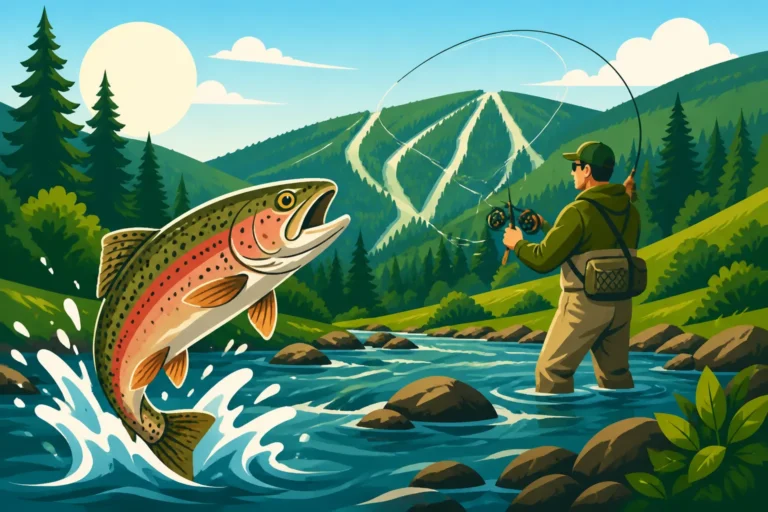
When it comes to stocked trout, West Virginia pulls out all the stops in early spring. The WVDNR begins its intensive stocking schedule as soon as conditions allow, often starting in late February and continuing through May. You'll find a fantastic mix of rainbow, golden rainbow, and brown trout hitting hundreds of miles of streams and dozens of lakes and ponds. Some perennial favorites that get significant attention include the Cranberry River (upper sections below the put-and-take are great for catch and release), Shavers Fork, Williams River, and the Elk River's catch-and-release section. These rivers, with their diverse structures of riffles, runs, and pools, offer excellent habitat for newly stocked fish.
For lake fishing, spots like Coopers Rock Lake, Tygart Lake Tailwaters, and Spruce Knob Lake are popular destinations that receive heavy stockings. These lakes often warm up a bit slower than rivers, but once they do, the trout become quite active. Bait anglers often do well with PowerBait, corn, or worms fished near the bottom, while spin fishermen can have success with small inline spinners or spoons. Don't forget to check the official West Virginia Trout Stocking Hotline and Schedule for the most up-to-date information on where and when fish are being released. Remember to review the West Virginia Fishing Regulations Explained before heading out, especially concerning creel limits and tackle restrictions on specific waters. If you're looking to plan a guided trip for these prime trout waters, services like FishingBooker can connect you with local experts who know exactly where the fish are hiding.
Wild Trout Sanctuaries Coming Alive
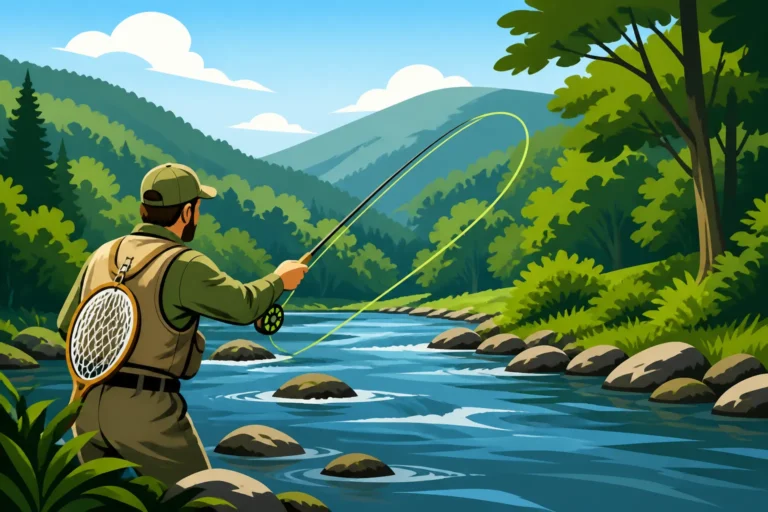
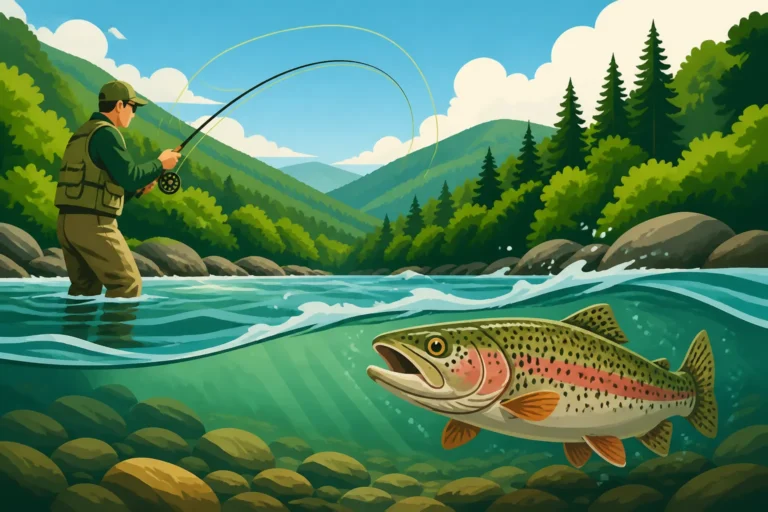
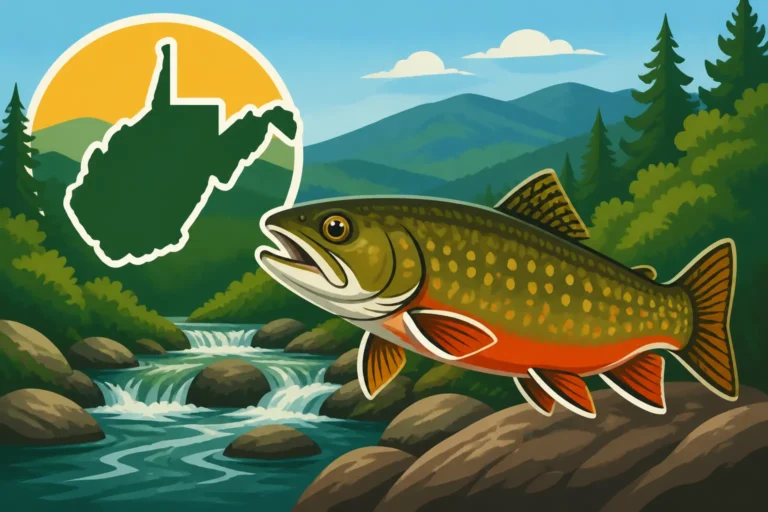
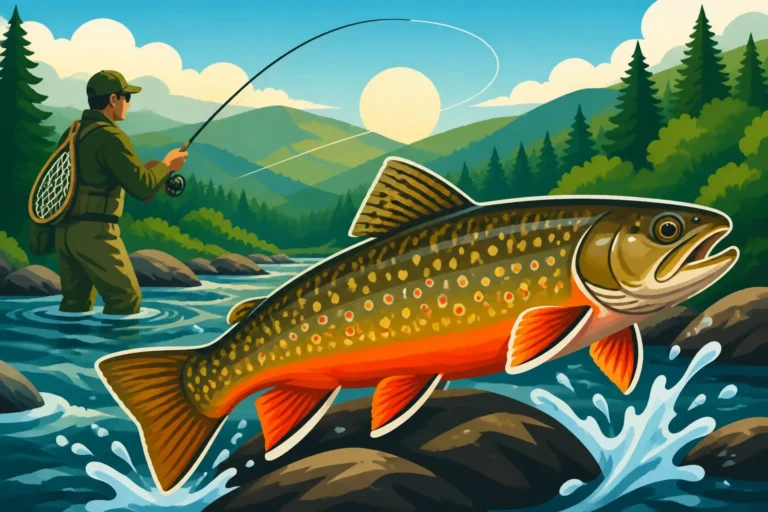
While stocked trout provide consistent action, there's a special magic to pursuing wild trout in the remote hollows of West Virginia. Many of the smaller, high-elevation streams in the Monongahela National Forest, which are home to native brook trout, start to become more accessible as the snow melts and trails become passable. Streams like Seneca Creek, Laurel Fork, and Dry Fork offer incredible opportunities for those willing to hike a bit. These fish are generally smaller but incredibly beautiful and feisty. Fly anglers, in particular, will find this a rewarding experience, often using small nymphs or wet flies as aquatic insects begin to emerge.
It's important to note that wild trout streams often have special regulations, including catch-and-release only or specific gear restrictions, so always consult the WVDNR regulations summary. These waters are often crystal clear, requiring a stealthy approach and delicate presentations. For more specific locations and techniques, a deeper dive into Best Trout Streams in West Virginia or Best Fly Fishing Rivers in West Virginia might give you additional ideas for your early spring adventures.
Early Spring Hotspots for Bass and Other Warmwater Species
While trout often steal the early spring spotlight, warmwater species are also shaking off their winter blues and starting to feed. The key is finding them in areas where the water is warming fastest, usually shallower zones that receive direct sunlight. This can mean explosive action if you hit it right.
River Smallmouth Action in the Greenbrier and New River
For many, West Virginia smallmouth bass fishing is legendary, and early spring on rivers like the New River and the Greenbrier River can be absolutely phenomenal. As river temperatures climb into the low to mid-50s, smallmouth will start moving out of their deep wintering holes and congregating in transition areas. Look for rocky points, current seams, and the heads of pools where they can ambush baitfish. The New River, in particular, offers some incredible opportunities for trophy smallmouth. These fish are aggressive in the spring, looking to pack on weight before the spawn.
Target them with suspending jerkbaits, small crankbaits, tubes, or finesse jigs. Crawfish-imitating lures are often very effective, as crawfish become more active with rising water temperatures. Remember that high water from spring rains can affect river conditions, so always prioritize safety if you're wading or boating. For a comprehensive guide on tactics, you'll want to check out How to Catch Smallmouth Bass in West Virginia Rivers. Additionally, be aware of the West Virginia Black Bass Limits and the New River Slot Limit which protect these fantastic fish. If you're considering a guided trip on these larger rivers, checking out guides listed on platforms like FishingBooker can give you a local edge.
Reservoir Largemouth and Crappie Opportunities
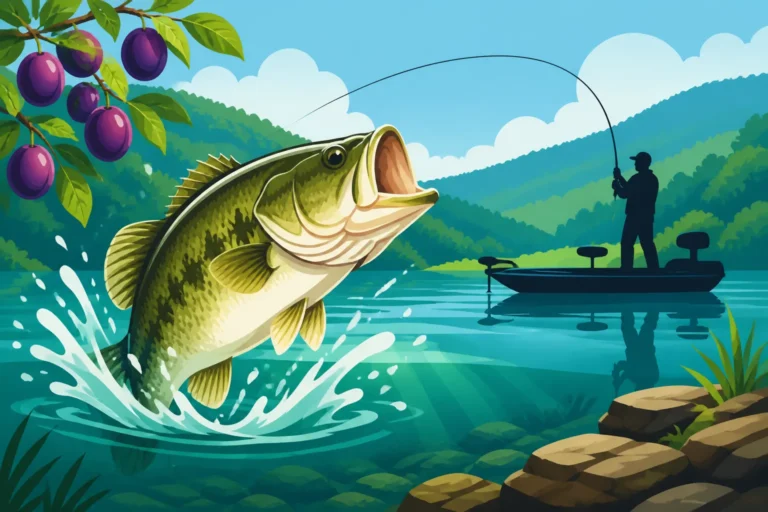
Lakes and reservoirs across West Virginia also offer fantastic early spring action for largemouth bass and crappie. Places like Summersville Lake, Stonewall Jackson Lake, and Burnsville Lake are prime examples. In these larger bodies of water, largemouth will seek out the warmest shallow coves, often near submerged timber, docks, or rocky banks. They're still a bit sluggish, so slower presentations like a jig and pig, a Texas-rigged worm, or a lipless crankbait worked slowly can be incredibly effective. Focus on northern-facing coves that get the most direct sunlight throughout the day.
Crappie, another favorite target, become very active in early spring as they prepare for their spawn. They'll move into shallow brush piles, downed trees, and bridge pilings in protected coves. A simple jig tipped with a minnow, or a small tube jig, fished under a bobber or slow-trolled, can fill a cooler quickly. Lakes like Bluestone Lake and Beech Fork Lake are known for their crappie populations. For more in-depth strategies, our guide to West Virginia Crappie Fishing has you covered. Whether you're targeting bass or crappie, exploring the best fishing lakes in West Virginia in early spring can yield some truly memorable catches.
Tips for Success in Early Spring West Virginia
Fishing in early spring requires a different mindset and approach than other seasons. The conditions are often unpredictable, and fish behavior is highly influenced by the changing environment. Being prepared and adaptable are your best assets.
Essential Gear and Tackle Considerations
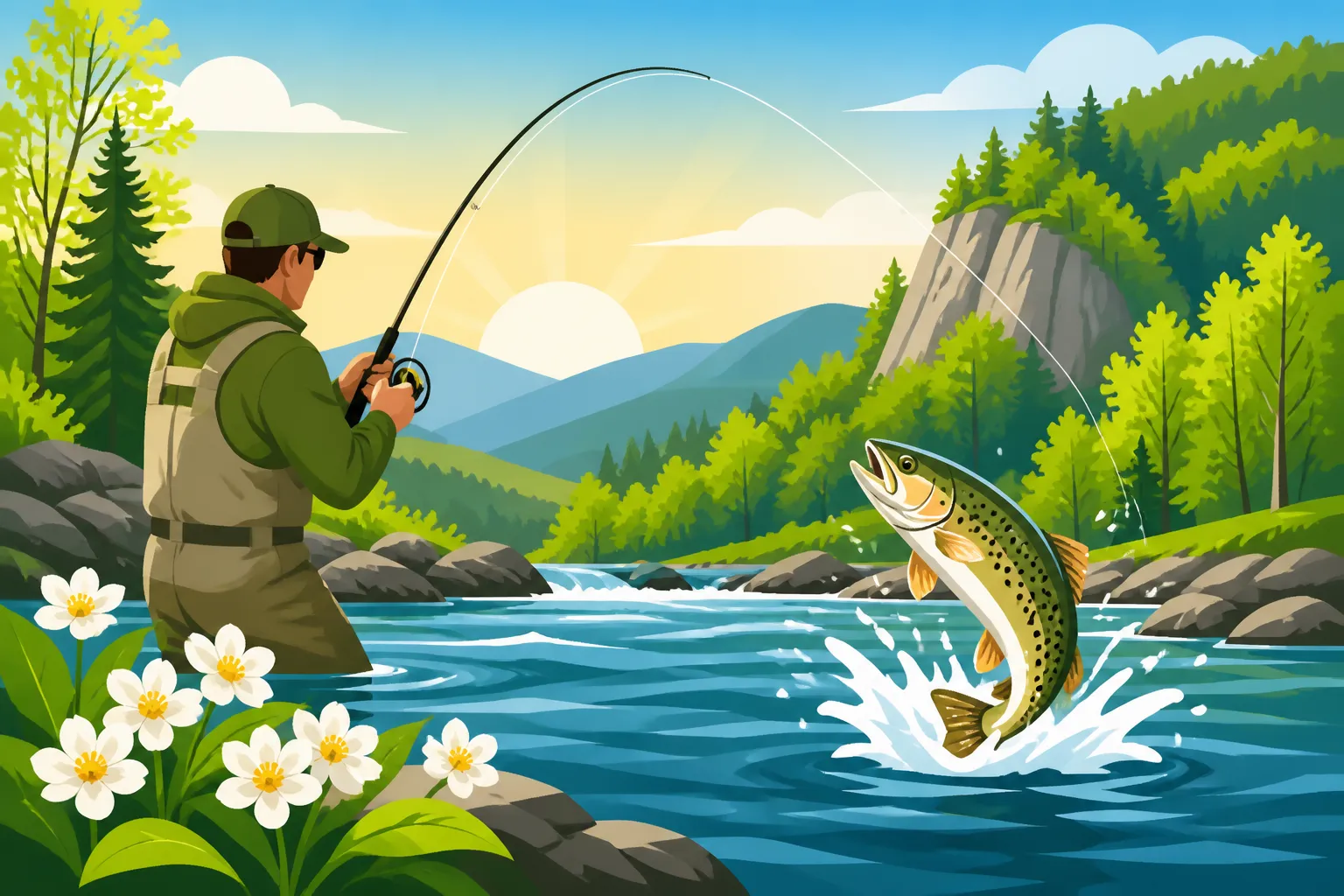
Your gear choices in early spring can make a significant difference. For trout, light spinning gear with 4-6 lb test fluorocarbon or monofilament line is ideal. Small inline spinners (like Panther Martins or Mepps), tiny spoons, or natural baits (worms, mealworms) are excellent choices. Fly anglers should have a variety of nymphs, emergers, and perhaps a few dry flies for opportunistic rises. For bass, medium-light to medium-heavy spinning or baitcasting setups are appropriate. Suspending jerkbaits, small crankbaits, football jigs, and various soft plastics are key. Darker colors can be effective in stained water, while more natural patterns might work better in clear conditions.
No matter your target, consider having a good pair of polarized sunglasses to cut glare and spot fish or structure, especially in clear water. Layers of clothing are crucial as temperatures can swing wildly throughout the day. A reliable pair of waterproof boots or waders will keep you comfortable. If you're exploring new waters, portable fish finders can be invaluable for locating submerged structures and temperature breaks. And speaking of preparation, make sure your fishing license is current – you can always find out Where and How to Buy a West Virginia Fishing License if you need to renew.
Safety Precautions for Cold Water
Perhaps the most critical aspect of early spring fishing in West Virginia is safety. Water temperatures are still dangerously cold, often in the 30s and 40s Fahrenheit. Accidental immersion in water this cold can quickly lead to hypothermia. Always wear a PFD (Personal Flotation Device), even if you're just wading. Waders, while keeping you dry, can fill with water and become extremely heavy if you fall in, so a wading belt is a must to minimize water entry.
If you're using a boat or kayak, ensure it's in good working order and that you have all necessary safety equipment. Be especially cautious of rapidly rising water levels and strong currents due to spring runoff. Always let someone know where you're going and when you expect to return. Mobile phone service can be spotty in many remote West Virginia fishing areas, so don't rely on it for emergencies. If you're planning a boat trip, remember to brush up on West Virginia Boating Laws for Anglers. It's always better to err on the side of caution when dealing with unpredictable spring conditions.
| Fishing Spot Category | Example Locations | Target Species | Recommended Lures/Baits | Key Early Spring Factor |
|---|---|---|---|---|
| Stocked Trout Streams | Williams River, Elk River (catch & release), Shavers Fork | Rainbow, Golden Rainbow, Brown | PowerBait, worms, small spinners, nymphs | Frequent stocking, colder water, current breaks |
| Stocked Trout Lakes | Coopers Rock Lake, Spruce Knob Lake, Tygart Tailwaters | Rainbow, Golden Rainbow, Brown | PowerBait, corn, small spoons, jigs | Slower to warm, deeper water, sun-warmed coves |
| Wild Trout Streams | Seneca Creek, Laurel Fork, Dry Fork | Brook Trout | Small nymphs, dry flies (opportunistic), wet flies | Remote access, clear water, delicate presentation |
| River Smallmouth Bass | New River, Greenbrier River, South Branch Potomac | Smallmouth Bass | Suspending jerkbaits, tubes, finesse jigs, crawfish imitations | Rocky areas, current seams, warming shallow points |
| Reservoir Largemouth Bass | Summersville Lake, Stonewall Jackson Lake, Burnsville Lake | Largemouth Bass | Jig & pig, Texas-rigged worms, lipless crankbaits | Shallow, sun-warmed coves with structure |
| Reservoir Crappie | Bluestone Lake, Beech Fork Lake, Sutton Lake | Crappie | Small jigs, minnows, tube jigs | Brush piles, submerged timber, bridge pilings in coves |
Disclaimer
Fishing conditions and regulations in West Virginia can change. Always consult the latest West Virginia Division of Natural Resources (WVDNR) fishing regulations guide before you head out, and prioritize safety on the water. This guide is for informational purposes only.