Best fall fishing spots in West Virginia
The leaves are starting to turn, there's a crispness in the air, and for many anglers, the thought of packing away the gear for winter can be a real bummer. But what if I told you fall fishing in West Virginia isn't just an afterthought, but arguably the best time to hit the water? This guide will dive deep into why autumn offers some of the most exciting and productive fishing opportunities, highlighting specific spots where you can make the most of this spectacular season.
Why Fall Fishing in West Virginia is a Game Changer
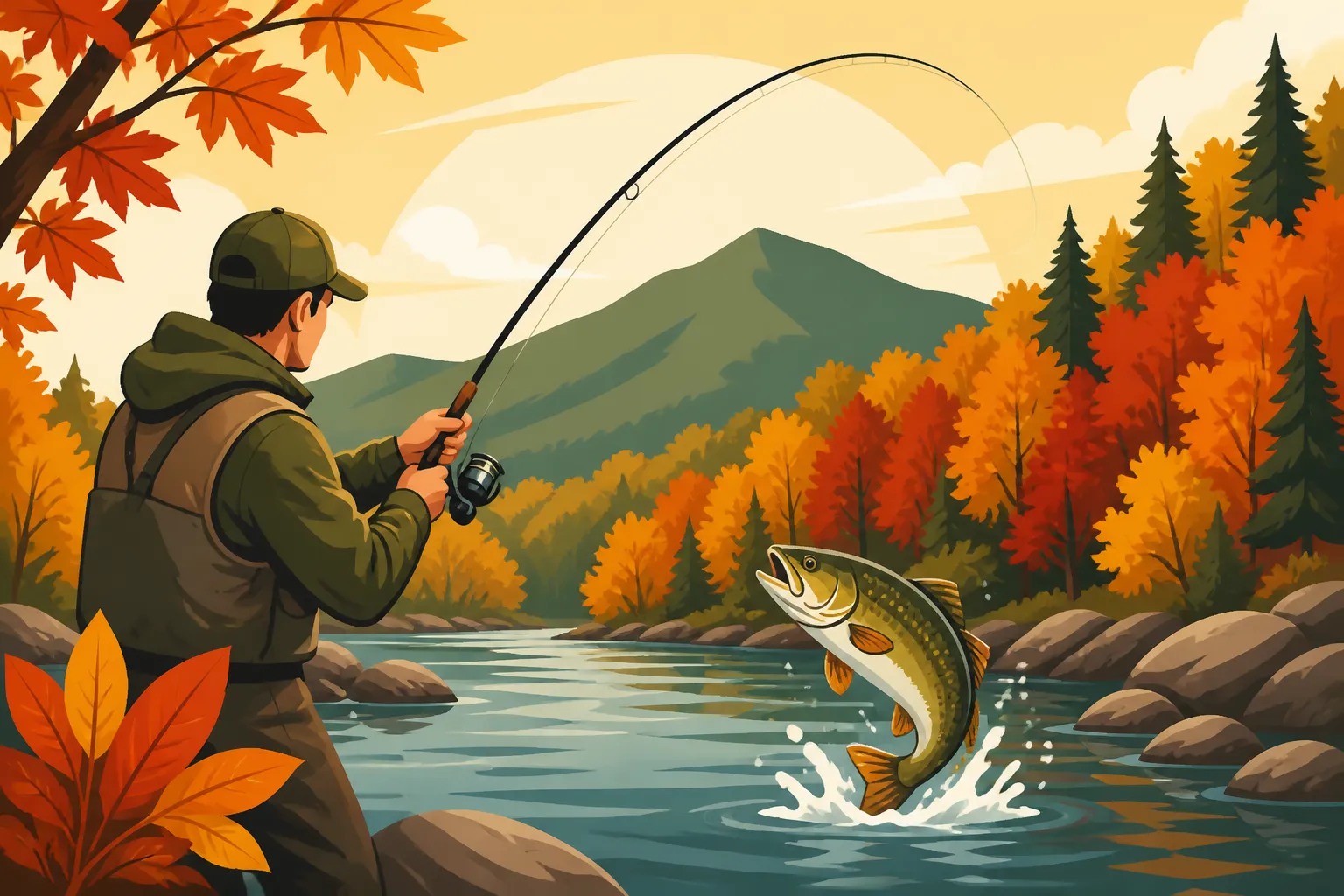
There's something truly magical about fishing in the fall here in West Virginia. The vibrant tapestry of reds, oranges, and golds reflecting on the water, the quiet solitude as many fair-weather anglers have packed up their rods—it's an experience unlike any other. Beyond the scenery, the biological rhythms of the fish themselves make this a prime time to pursue everything from trophy smallmouth to hungry trout and muskie.
The Magic of Cooler Water Temperatures
As summer's heat fades, the water temperatures in West Virginia's lakes and rivers begin a steady descent. This cooling trend is absolutely crucial for many fish species, particularly cold-water fish like trout and many of our beloved bass and muskie. During the dog days of summer, these fish can become sluggish, retreating to deeper, cooler waters where they are harder to find and entice. Fall brings them back to life, spreading them out and often pushing them into more accessible depths.
Think about it: that oppressive surface temperature that made your summer fishing trip a grind is gone. Now, the entire water column becomes more comfortable for fish. This means they're more active, more willing to chase prey, and generally more predictable in their movements. You'll often find them cruising shallower flats or congregating around structure that was too warm just a few weeks prior. This increased activity leads to more aggressive strikes and, often, bigger fish on the end of your line.
Less Crowds, More Peace
One of the most undeniable perks of fall fishing in West Virginia is the significant drop in angling pressure. While the spring and summer months see bustling boat ramps and crowded shorelines, especially on popular lakes and trout streams, autumn ushers in a period of relative calm. Most vacationers have returned home, kids are back in school, and many fair-weather enthusiasts are focused on hunting season or other fall activities.
This reduction in crowds translates directly to a more peaceful, enjoyable experience for you. Imagine having your favorite stretch of river almost entirely to yourself, or casting into a prime lake cove without another boat in sight. Fish that have been pressured all summer become less wary, making them potentially easier to catch. It’s a chance to truly connect with nature, soak in the beauty of the Mountain State, and enjoy the solitude that often feels so elusive during peak fishing seasons. For those who cherish quiet mornings and unmolested water, fall is truly your time.
The Fall Feeding Frenzy Explained
Beyond comfortable temperatures and fewer crowds, the biological imperative for many fish in the fall is to eat, eat, eat. As winter approaches, fish instinctively know they need to pack on calories to survive the lean, cold months ahead. This triggers what anglers affectionately call the "fall feeding frenzy." Species like smallmouth bass, muskie, walleye, and even panfish become incredibly aggressive, actively hunting down forage to build up their fat reserves.
This aggressive feeding behavior means they're less picky about what they strike and are often willing to travel further to chase down a meal. Larger baits, faster retrieves, and more erratic presentations often become highly effective. For trout anglers, the cooler water also means increased metabolism, leading to more active feeding on nymphs, emergers, and terrestrial insects. It’s a dynamic time when fish are at their most vulnerable to a well-placed lure or fly, making for some truly epic days on the water.
Top Lakes for Fall Fishing in West Virginia
West Virginia is blessed with numerous impoundments, and many of them truly shine during the autumn months. As the water cools and baitfish begin to school up, predatory species follow suit, offering fantastic opportunities for anglers willing to explore.
Summersville Lake: A Smallmouth Powerhouse
Summersville Lake, with its stunning cliffs and crystal-clear waters, is a legendary spot for smallmouth bass, and fall is arguably its prime season. As the lake turns over and temperatures drop, those bronze beauties become incredibly active. They often move shallower, congregating around points, submerged humps, and rocky ledges that were too deep for summer success. Anglers targeting smallmouth here in the fall should focus on throwing crankbaits, spinnerbaits, and swimbaits to cover water, or work Ned rigs and drop shots around deeper structure once the fish are located.
The lack of summer recreational traffic also means you can easily navigate the lake and find those prime spots without interruption. The smallmouth at Summersville can be chunky, often reaching trophy sizes, and the cooler water gives them incredible fighting power. Beyond smallmouth, anglers might also find good numbers of walleye and panfish getting aggressive as well. If you're looking for an unforgettable smallmouth experience with a breathtaking backdrop, this is definitely one of the Best Fishing Lakes in West Virginia to consider.
Stonewall Jackson Lake: Largemouth and Muskie Havens
Stonewall Jackson Lake is known for its incredible timber and excellent populations of largemouth bass and muskie, and fall fishing here can be absolutely phenomenal. For largemouth, the fish will often relate to the abundant standing timber and brush piles. As temperatures cool, they might not be buried as deep, making them more accessible to jig and worm presentations, or even a well-placed topwater early in the morning before the sun gets too high.
But it's the muskie fishing that really comes alive in the fall at Stonewall Jackson. These toothy critters are in full-on feeding mode, looking for large meals to fuel up. Throwing big crankbaits, jerkbaits, and bucktails around the timbered points, creek channels, and submerged cover can yield some truly monstrous fish. Anglers often report increased activity in October and November, making it a bucket-list destination for muskie enthusiasts. Remember, muskie fishing is a game of patience and persistence, but the fall window offers some of the highest rewards.
Tygart Lake: Walleye and Panfish Delights
While Tygart Lake might not always grab the headlines like some other West Virginia impoundments, it offers a fantastic fall fishery, particularly for walleye and panfish. As the lake cools, walleye become more concentrated and aggressive, often moving into shallower feeding flats or staging along underwater humps and points. Trolling crankbaits at various depths or vertical jigging spoons can be incredibly effective here.
Crappie and bluegill fishing also picks up significantly in the fall. These panfish will often school up in large numbers around submerged brush, timber, or bridge pilings. Using small jigs, minnows, or even tiny spoons can lead to fast and furious action. For families or those just looking for consistent bites, Tygart Lake in the fall can be a fantastic option. Plus, the surrounding autumn scenery is simply stunning, making for a beautiful day on the water, whether the fish are biting or not.
Premier Rivers for Autumn Angling
West Virginia's rivers truly come alive in the fall, offering dynamic and challenging fishing for a variety of species. The cooler water, vibrant foliage, and often lower water levels combine to create unforgettable experiences.
New River Gorge: Trophy Smallmouth and Muskie
The New River Gorge National Park and Preserve is a national treasure, and its namesake river provides some of the best fall fishing in the state, especially for trophy smallmouth bass and muskie. As the water temperatures drop, the New River's legendary smallmouth start to bulk up, aggressively feeding on crayfish and baitfish. They’ll often hold in current seams, around boulders, and along rocky banks. This is a fantastic time to use crankbaits, tubes, and jigs that mimic their natural forage. You can learn more about How to Catch Smallmouth Bass in West Virginia Rivers to maximize your chances.
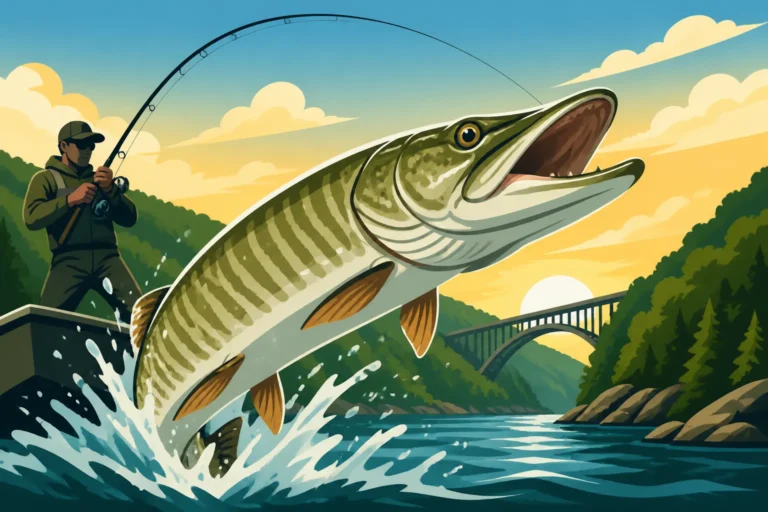
Muskie also become incredibly active in the fall on the New River. These apex predators are on the hunt, often ambushing prey from slower current eddies or deep holes. Casting large bucktails, swimbaits, or even oversized crankbaits can entice a strike from a true river monster. The sheer beauty of the gorge in autumn, coupled with the chance at a fish of a lifetime, makes the New River Gorge Fishing Guide a must-read for anyone considering a fall trip here. The river offers numerous access points for wade fishing, shore fishing, and float trips, catering to all types of anglers.
Greenbrier River: A Scenic Trout and Bass Retreat
The Greenbrier River, known for its picturesque flow and diverse fishery, offers a more serene fall experience. While the Greenbrier isn't heavily stocked with trout, its upper reaches and tributaries can hold wild brook trout, and stocked trout can be found in designated areas. However, it truly shines for smallmouth bass and various panfish in the fall. The smallmouth here, much like on the New River, become more active and are often found in the rocky runs and pools.
The fall colors along the Greenbrier are simply spectacular, making any fishing trip feel like a scenic tour. Fly anglers will find success with streamers and nymphs, while spin casters can do well with small crankbaits, jigs, and spinners. The river is relatively easy to wade in many sections, or you can float it in a canoe or kayak for a full day of exploration. For those seeking beauty and a good fight, the Greenbrier offers an idyllic fall escape.
Cheat River: Underrated for Bass and Muskie
Often overshadowed by other larger rivers, the Cheat River, particularly its lower sections and the Cheat Lake impoundment, presents an underrated fall fishing opportunity. The river itself holds a healthy population of smallmouth bass and can surprise anglers with muskie. As temperatures cool, both species will be aggressively feeding. Smallmouth will relate to the rocky structure and current, while muskie will often hold in deeper pools or ambush points.
Cheat Lake offers fantastic largemouth bass fishing and is another notable muskie fishery. The lake's cooler temperatures in the fall make these fish more active and responsive to lures. The surrounding Cheat Canyon area also boasts incredible fall foliage, adding to the allure. Whether you're targeting bass from the bank or chasing muskie from a boat, the Cheat River system in autumn can deliver some exciting action and is definitely worth considering for your next fall adventure.
Hidden Gems and Stocked Waters for Fall Trout
While many anglers focus on bass and muskie in the fall, West Virginia's trout fishing also experiences a resurgence as temperatures drop. The state actively stocks trout through the autumn months, and some of our wild trout waters become more accessible and productive.
Shavers Fork and Cranberry River: Wild Trout Paradises
For the purist, the wild trout waters of the Monongahela National Forest are a dream come true in the fall. Rivers like Shavers Fork and the Cranberry River, which host healthy populations of native brook trout and wild brown trout, experience cooler water temperatures that invigorate these wary fish. The foliage in these remote areas is breathtaking, and the solitude is unmatched. Fly fishing with terrestrial patterns, small nymphs, and even streamers can be highly effective. The low, clear water often found in autumn requires a stealthy approach, but the rewards of catching a vibrant native brook trout in its natural habitat are unparalleled.
Keep in mind that some sections of these rivers have special regulations, such as catch-and-release or artificial lures only. Always consult the West Virginia Fishing Regulations Explained before you go. This is a time when the leaves might be falling onto the water, mimicking natural insect drops, adding to the fish's feeding opportunities. For a truly immersive and challenging wild trout experience, these mountain gems are where you want to be.
State Park Lakes and Stocked Streams
Beyond the wild trout streams, many West Virginia State Park lakes and designated trout streams receive fall stockings from the West Virginia Division of Natural Resources (WVDNR). This means that even if you prefer a more accessible, higher-probability trout fishing experience, fall has you covered. Popular spots like Babcock State Park's Glade Creek or Blackwater Falls State Park's Blackwater River, among many others, receive fresh stockings.
These newly stocked fish are often eager to bite, especially in the days immediately following a stocking. PowerBait, corn, small spinners, and classic trout flies like Woolly Buggers can all be highly effective. The WVDNR provides a West Virginia Trout Stocking Hotline and Schedule that anglers can check to plan their trips around stocking dates. This is a fantastic option for families or those looking to fill a cooler with some delicious trout, all while enjoying the beautiful fall scenery that our state parks are famous for.
Essential Fall Fishing Tips and Considerations
While fall fishing offers incredible opportunities, it's not without its unique challenges. Being prepared and understanding the nuances of the season can greatly improve your success.
Matching the Hatch and Changing Forage
As the seasons change, so does the available forage for fish. In fall, insects might be less prevalent, but crayfish are often very active, and baitfish begin to school up in preparation for winter. This means your lure selection should reflect these changes. For bass and muskie, baits that mimic larger baitfish like shad or suckers, or those that imitate crayfish, become incredibly effective. Think crankbaits, jerkbaits, and soft plastic creature baits.
For trout, while aquatic insects like nymphs are always a staple, terrestrial insects like grasshoppers and ants become less common. However, streamers that mimic small fish or leeches can be deadly, especially for larger brown trout. Also, keep an eye out for any late-season hatches of smaller midges or blue-winged olives, particularly on warmer fall days. The key is to observe your surroundings and adjust your presentation to what the fish are likely feeding on.
Safety First: Weather and Water Conditions
Fall weather in West Virginia can be notoriously unpredictable. A warm, sunny morning can quickly turn into a cold, rainy, or even snowy afternoon. It's absolutely crucial to dress in layers and be prepared for rapidly changing conditions. Waterproof outer layers are a must, as is checking the forecast before heading out. Water temperatures also continue to drop, making falls from a boat or wading accident significantly more dangerous due to the risk of hypothermia.
Always wear a life jacket when on the water, especially if you're boating or wading in swift currents. If you're wading, a good wading staff can provide essential stability on slippery rocks. Let someone know where you're going and when you expect to return. While the solitude of fall fishing is a blessing, it also means help might be further away if something goes wrong. Always prioritize safety, especially as the days shorten and the weather turns colder.
Planning Your Trip with Resources Like FishingBooker
Planning a successful fall fishing trip in West Virginia can be made much easier by utilizing online resources. Sites like FishingBooker can be incredibly helpful for finding local guides and charters, especially if you're unfamiliar with an area or want to target a specific species like muskie or walleye that might require specialized knowledge and gear. A local guide can put you on fish quickly and safely, leveraging their experience with fall patterns and specific hot spots.
Beyond booking guides, other resources are invaluable. The WVDNR website is your go-to for current fishing regulations, stocking schedules, and lake reports. Online forums and local bait shops also offer a wealth of up-to-date information on what's biting and where. Don't forget to check the West Virginia Fishing Seasons by Month to ensure your target species is in season and to understand any specific rules that might apply. Utilizing these tools can save you time, enhance your experience, and ultimately lead to more successful days on the water.
West Virginia Fall Fishing Overview
Here’s a quick overview of some top fall fishing spots and their prime targets:
| Fishing Spot | Primary Target Species (Fall) | Key Fall Techniques | Special Considerations |
|---|---|---|---|
| Summersville Lake | Smallmouth Bass, Walleye | Crankbaits, Jigs, Drop Shot (bass); Trolling (walleye) | Stunning scenery, less boat traffic, potential for trophies |
| Stonewall Jackson Lake | Largemouth Bass, Muskie | Jigs, Worms (bass); Large Jerkbaits, Bucktails (muskie) | Abundant timber, patience needed for muskie |
| Tygart Lake | Walleye, Panfish | Trolling crankbaits, vertical jigging (walleye); Small jigs, minnows (panfish) | Good for consistent bites, beautiful fall colors |
| New River Gorge | Smallmouth Bass, Muskie | Tubes, Crankbaits, Swimbaits (bass); Large Bucktails (muskie) | Trophy potential, current fishing, diverse access |
| Greenbrier River | Smallmouth Bass, Wild Trout | Spinners, Jigs (bass); Streamers, Nymphs (trout) | Scenic float/wade trips, serene environment |
| Cheat River/Lake | Smallmouth Bass, Largemouth Bass, Muskie | Crankbaits, Jigs (bass); Large Baits (muskie) | Underrated, varied fishing, beautiful canyon |
| Shavers Fork/Cranberry River | Wild Brook Trout, Brown Trout | Fly fishing (Nymphs, Streamers), Stealthy approach | Catch-and-release, remote, focus on wild fish |
| State Park Lakes (stocked) | Rainbow Trout, Brook Trout, Brown Trout | PowerBait, Corn, Spinners, Small Jigs | Easy access, regular stockings, good for families |
Disclaimer
The information provided in this guide is for general informational purposes only. Fishing regulations, stocking schedules, and conditions can change rapidly. Always consult the official West Virginia Division of Natural Resources (WVDNR) website or their current printed regulations summary for the most up-to-date and accurate information before planning any fishing trip. Adhere to all local, state, and federal laws and practice responsible angling.