Deep Creek fishing access near Petersburg
Finding those truly special fishing spots in West Virginia, especially ones with easy access and incredible beauty, can feel like searching for a hidden gem. Many anglers get frustrated trying to pinpoint ideal locations that aren't overly crowded or require an expedition just to reach the water. If you’ve been looking for a prime trout fishing destination near Petersburg, Deep Creek offers an accessible and rewarding experience that combines the tranquility of mountain streams with excellent fishing opportunities. This guide will walk you through everything you need to know to make your trip to Deep Creek a success.
Deep Creek's Unique Charm for Anglers
Deep Creek, flowing through a picturesque valley near Petersburg in Grant County, is much more than just another stream; it’s a vibrant ecosystem that offers a truly immersive West Virginia fishing experience. Its cold, clear waters are a magnet for trout, drawing anglers from all over for its accessibility and consistent action.
A Pristine Mountain Trout Fishery
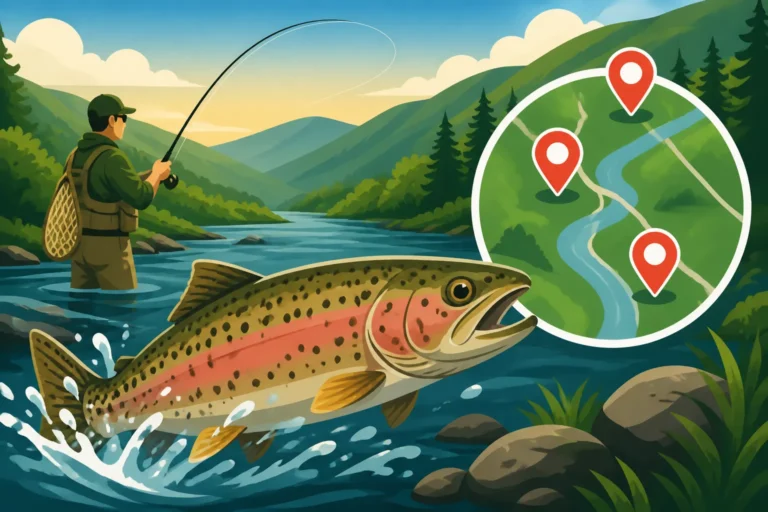
What makes Deep Creek stand out is its character as a pristine mountain trout fishery. Fed by springs and mountain runoff, the water here stays cool even into the warmer months, providing an ideal habitat for various trout species. You'll find sections where wild brook trout, West Virginia's official state fish, thrive, their vibrant colors flashing in the sun. In other areas, particularly those designated for stocking, you'll encounter robust rainbow trout and sometimes brown trout, eager to take a well-presented fly or lure. It's this blend of wild and stocked opportunities that really makes Deep Creek special – you can chase native fish in one bend and then target larger, recently stocked fish just a short walk away. The stream meanders through a landscape that feels utterly untouched, offering a peaceful retreat from the hustle and bustle of everyday life.
Scenic Beauty and Angling Solitude
One of the most appealing aspects of fishing Deep Creek is the incredible scenic beauty that surrounds it. Nestled within the Monongahela National Forest and its environs, the creek is framed by towering hardwoods, rhododendron thickets, and impressive rock formations. This creates a sense of solitude that many anglers crave, allowing you to truly connect with nature. Imagine casting your line with the sound of birdsong as your only companion, the sun dappling through the leaves, and the fresh scent of the forest filling the air. While it's certainly not entirely undiscovered, Deep Creek generally offers a more peaceful experience than some of the more heavily publicized trout streams in the state. For those looking to escape the crowds and enjoy a truly tranquil day of fishing, Deep Creek provides that perfect blend of productive waters and serene wilderness.
Navigating Deep Creek Access Points
Getting to Deep Creek and finding a good spot to cast your line is surprisingly straightforward, which is one of its biggest advantages. Unlike some backcountry streams that require extensive hiking, many sections of Deep Creek are easily reachable, making it a great option for anglers of all mobility levels.
Key Roads and Turnoffs from Petersburg
Deep Creek runs parallel to or is easily accessed from Route 48 (Corridor H) and then via local roads like Smoke Hole Road (County Route 2). Coming from Petersburg, you'll head south. As you venture further along these routes, you’ll find various pull-offs and smaller access roads that lead directly to the creek. For example, some sections of Smoke Hole Road offer direct views and relatively easy walks down to the water. Keep an eye out for small parking areas or wider shoulders where you can safely pull off. While there aren't always big, flashy signs, experienced anglers know to look for subtle indicators like well-worn paths through the brush or gaps in the trees. It’s always a good idea to have a detailed map, whether digital or paper, to help navigate the network of smaller roads. Knowing the precise turnoffs can save you a lot of time, allowing more precious moments for actual fishing. Many local bait shops in Petersburg can also provide up-to-the-minute directions and highlight current hotspots.
Public vs. Private Lands and Parking
Understanding the difference between public and private land is absolutely crucial when fishing any West Virginia waterway, and Deep Creek is no exception. While many parts of Deep Creek flow through public lands, particularly within the Monongahela National Forest boundaries, there are also sections bordered by private property. Always respect "No Trespassing" signs and avoid parking in a way that blocks driveways or access points for landowners. The beauty of Deep Creek is that ample public access exists, particularly around the Smoke Hole Canyon area, which is well-known for its recreational opportunities.
Designated parking areas, though often small, are typically marked. When in doubt, look for signs indicating public easements or fishing access points. If you're exploring, it's safer to stick to areas that are clearly public or where you see other anglers legally parked. Over the years, I've learned that a little bit of scouting on Google Maps Satellite View beforehand can save a lot of headaches on the ground. Also, if you’re ever unsure, consider visiting a local outfitter or checking the West Virginia Fishing Regulations Explained for maps and detailed information on land ownership and access rights.
Wading and Bank Fishing Considerations
Deep Creek offers fantastic opportunities for both wading and bank fishing, depending on the section and the angler's preference. The stream bed is often a mix of gravel and small rocks, making for relatively easy wading in most areas, especially during lower flows. However, like any mountain stream, currents can be swift in places, and water levels can fluctuate, particularly after heavy rains. A good pair of Wading Techniques for West Virginia Trout Streams is highly recommended for safety and comfort. A wading staff can also be a real game-changer, providing stability on uneven or slippery bottoms.
For those who prefer bank fishing or have mobility limitations, certain sections offer more open banks and easier casting room. These spots are great for families or beginners. Often, these are the same areas that are frequently stocked. Look for wider, flatter sections of the creek where the banks aren't overgrown with dense vegetation. While you might not reach every prime pocket from the bank, you can still have incredibly productive fishing without ever stepping into the water. This versatility makes Deep Creek a truly inclusive fishing destination.
What You Can Expect to Catch at Deep Creek
Deep Creek is predominantly known as a trout fishery, and for good reason. It’s a stream that truly delivers on the promise of cold-water species, offering a diverse experience for anglers pursuing different types of trout.
Target Species and Their Habits
The primary target species in Deep Creek are trout. You'll generally encounter three main types:
- Brook Trout: These are West Virginia's only native trout, and they thrive in the colder, higher-elevation sections and smaller tributaries of Deep Creek. They're often smaller, but their vibrant colors and wild nature make them highly prized. Brook trout prefer clean, oxygenated water and are often found hiding in plunge pools, behind rocks, or under cutbanks. Their aggressiveness means they'll often strike at a variety of small flies and lures. You can learn more about Brook Trout: West Virginia's Native and State Fish to truly appreciate these beautiful fish.
- Rainbow Trout: These are the bread and butter of stocked trout fisheries in West Virginia. The DNR regularly stocks Deep Creek with rainbow trout, especially during the spring and fall months. These fish are generally larger than the wild brook trout and are often more eager to strike, especially shortly after stocking. They'll be found throughout the main stem of Deep Creek, often congregating in deeper pools or slower runs where food might accumulate.
- Brown Trout: While less prevalent than rainbows or brookies, some brown trout are also stocked or can be found as wild holdovers, particularly in sections that offer more overhead cover and slightly warmer temperatures. Brown trout are known for their wariness and can be a challenge to catch, making them a rewarding prize for experienced anglers. They are often found lurking near submerged logs, large rocks, or undercut banks, waiting to ambush prey.
While trout are the main draw, in the very lowest sections of Deep Creek where it starts to warm and widen before joining larger rivers, you might occasionally encounter smallmouth bass or various panfish, but for the most part, anglers come to Deep Creek specifically for the trout.
Seasonal Expectations for Trout Fishing
The fishing at Deep Creek changes significantly with the seasons, offering unique opportunities throughout the year:
- Spring (March-May): This is prime trout season. The West Virginia Trout Stocking Hotline and Schedule will confirm when the creek gets its biggest infusions of rainbow and brown trout. Fish are often very active, feeding aggressively after the long winter. This is when you'll find the most consistent action, especially for stocked fish. Hatchery-raised trout are often less selective, making it a great time for beginners.
- Summer (June-August): As water temperatures rise, trout become more challenging to catch. The wild brook trout will retreat to the coldest pockets, and stocked fish may become sluggish or seek deeper, cooler water. Early mornings and late evenings are the best times to fish. Focus on shaded areas, springs, and oxygenated riffles. This is a great time to practice stealth and finesse.
- Fall (September-November): Often overlooked, fall can be an incredible time to fish Deep Creek. Water temperatures cool, and another round of stocking can occur. The foliage colors are spectacular, and the fishing can be excellent for both stocked and wild trout that are actively feeding before winter. This is also when some of the larger brown trout might become more aggressive.
- Winter (December-February): While challenging, Deep Creek remains open to fishing year-round. Ice fishing is generally not an option on a flowing stream like Deep Creek, but open water fishing can still be productive on warmer winter days, especially for holdover trout that have acclimated to the wild. Fish will be less active, so slow presentations and smaller baits or flies are key.
| Season | Primary Target Species | Recommended Techniques | Key Considerations |
|---|---|---|---|
| Spring | Rainbow, Brown, Brook Trout | Spin Fishing (bait/lures), Fly Fishing (nymphs, streamers) | Heavily stocked, active fish, can be crowded. |
| Summer | Brook Trout, Holdover Rainbow/Brown | Fly Fishing (dry flies, small nymphs), Finesse Spin Fishing | Focus on cold water, early/late fishing, stealth. |
| Fall | Rainbow, Brown, Brook Trout | Fly Fishing (streamers, nymphs, dries), Spin Fishing | Fewer crowds, beautiful scenery, active fish. |
| Winter | Holdover Trout | Finesse Spin Fishing, Deep Nymphing | Slow presentations, warmer days, very few anglers. |
Catch and Release vs. Harvest
West Virginia's fishing regulations provide clear guidelines on what you can keep and what should be released. For Deep Creek, particularly concerning trout, it's important to differentiate between wild and stocked fish. While many stocked trout are intended for harvest, anglers targeting native brook trout often practice catch and release to help preserve these precious populations.
Before you head out, always consult the current West Virginia Bag and Possession Limits by Species to understand the daily creel limits and size restrictions for trout. Some sections of Deep Creek might even be designated as catch-and-release only or have special regulations, so staying informed is crucial. If you choose to harvest, do so ethically and only take what you intend to eat. For catch and release, handle fish with wet hands, minimize their time out of water, and use barbless hooks to reduce harm. This mindful approach ensures that Deep Creek remains a fantastic fishery for everyone, for years to come.
Essential Gear and Best Practices for Deep Creek
Being prepared with the right gear and knowledge of best practices can significantly enhance your Deep Creek fishing experience, making it both more enjoyable and more successful.
Recommended Tackle and Techniques
Whether you're a fly angler or prefer spin fishing, Deep Creek offers opportunities for both.
- Fly Fishing: This is arguably the most popular and effective method for trout in Deep Creek, especially for targeting wild brookies. A lightweight fly rod (3-5 weight) is ideal, paired with a floating line. For fly patterns, bring a variety of nymphs (Pheasant Tail, Hare's Ear, Prince Nymph) to imitate subsurface insects, especially in the spring and fall. Dry flies (Parachute Adams, Elk Hair Caddis, stimulators) are excellent for summer hatches and targeting rising fish. Streamers (Woolly Bugger) can be effective for larger trout, particularly brown trout or aggressive rainbows. For detailed advice, check out Fly Fishing for Trout in West Virginia. If you're looking for a guided experience to master these techniques, you could explore options on FishingBooker, which often lists local guides familiar with streams like Deep Creek.
- Spin Fishing: For those who prefer spin gear, an ultralight or light action spinning rod (5-6 feet) with a matching reel spooled with 4-6 pound test monofilament or fluorocarbon line is perfect. Small inline spinners (Mepps, Panther Martin, Rooster Tail) in sizes #0 to #2 are incredibly effective, especially in brighter colors after a fresh stocking or in stained water. Small spoons, jigs, and soft plastics (like Berkley PowerBait or Gulp! Trout Dough) also produce excellent results. Live bait, such as redworms or mealworms, can be irresistible to recently stocked trout. The key with spin fishing in a smaller stream like Deep Creek is to keep your presentations light and subtle.
Safety and Preparedness Tips
Fishing in a natural environment like Deep Creek always requires a degree of preparedness.
- Wading Safety: As mentioned, a wading staff can be a lifesaver. Always test the depth and current with your staff before stepping, especially in unfamiliar stretches. Be aware of slippery rocks covered in algae.
- Footwear: Good quality Best Wading Boots for Rocky Streams or sturdy waterproof hiking boots are essential, even if you’re mostly bank fishing.
- Weather: Mountain weather can change rapidly. Always check the forecast before you go and pack rain gear, even on sunny days. Layering your clothing is key to staying comfortable in fluctuating temperatures.
- Hydration and Snacks: Carry plenty of water and some high-energy snacks, especially if you plan to be out for several hours.
- First Aid: A small, basic first-aid kit is always a good idea for minor cuts, scrapes, or hook mishaps.
- Know the Rules: Ensure your West Virginia Fishing License Guide for 2026 is current and that you have any necessary stamps, like the Trout Stamps and Trout Fishing Rules in West Virginia. Print or save a digital copy of the regulations on your phone, as cell service can be spotty in some areas.
Leveraging Local Knowledge and Resources
One of the best ways to maximize your fishing success at Deep Creek is to tap into local knowledge.
- Local Bait and Tackle Shops: Stores in Petersburg or nearby towns are invaluable resources. They can provide up-to-the-minute information on water conditions, recent stocking reports, effective baits and flies, and even point you to specific access points. They are often the best source for finding out what fish are biting on that day.
- Online Resources: The West Virginia Division of Natural Resources (WVDNR) website is a treasure trove of information, including stocking schedules and regulation summaries. Forums and social media groups dedicated to West Virginia fishing can also offer insights and tips from fellow anglers.
- Fishing Guides: If you’re new to the area or want to learn specific techniques, consider hiring a local guide. They know the water intimately and can put you on fish quickly. Services like FishingBooker can help you find reputable local guides who specialize in trout fishing on streams like Deep Creek. A guide can teach you everything from reading the water to the best local fly patterns, making your trip incredibly efficient and educational. They often provide gear too, which is a bonus if you're not fully equipped for mountain stream fishing.
Disclaimer
Please note that fishing conditions and regulations can change. Always consult the official West Virginia Division of Natural Resources (WVDNR) website or their current fishing regulations summary before planning your trip to ensure you have the most up-to-date information on licenses, seasons, and creel limits. Your safety and adherence to all local laws are your responsibility.