Watoga State Park trout pond fishing
For many of us, the idea of a peaceful day spent fishing is often overshadowed by the thought of crowded boat ramps, complex river currents, or the need for specialized gear. If you’re looking for a straightforward, relaxing, and often fruitful trout fishing experience in West Virginia, Watoga State Park's trout ponds offer a perfect solution, especially for families or those just starting their angling journey. This guide will walk you through everything you need to know to make your trip a success.
Watoga State Park: A Trout Pond Haven in West Virginia
Watoga State Park, nestled deep in Pocahontas County, is West Virginia’s largest state park, a true gem for outdoor enthusiasts. It’s a place where the Appalachian beauty surrounds you, and the pace of life slows considerably. For anglers, particularly those keen on trout, the park's stocked waters, especially Watoga Lake, are a major draw. Unlike the often challenging conditions of larger rivers, these ponds offer a more controlled and accessible environment, making them incredibly appealing.
The Allure of Watoga's Stocked Waters
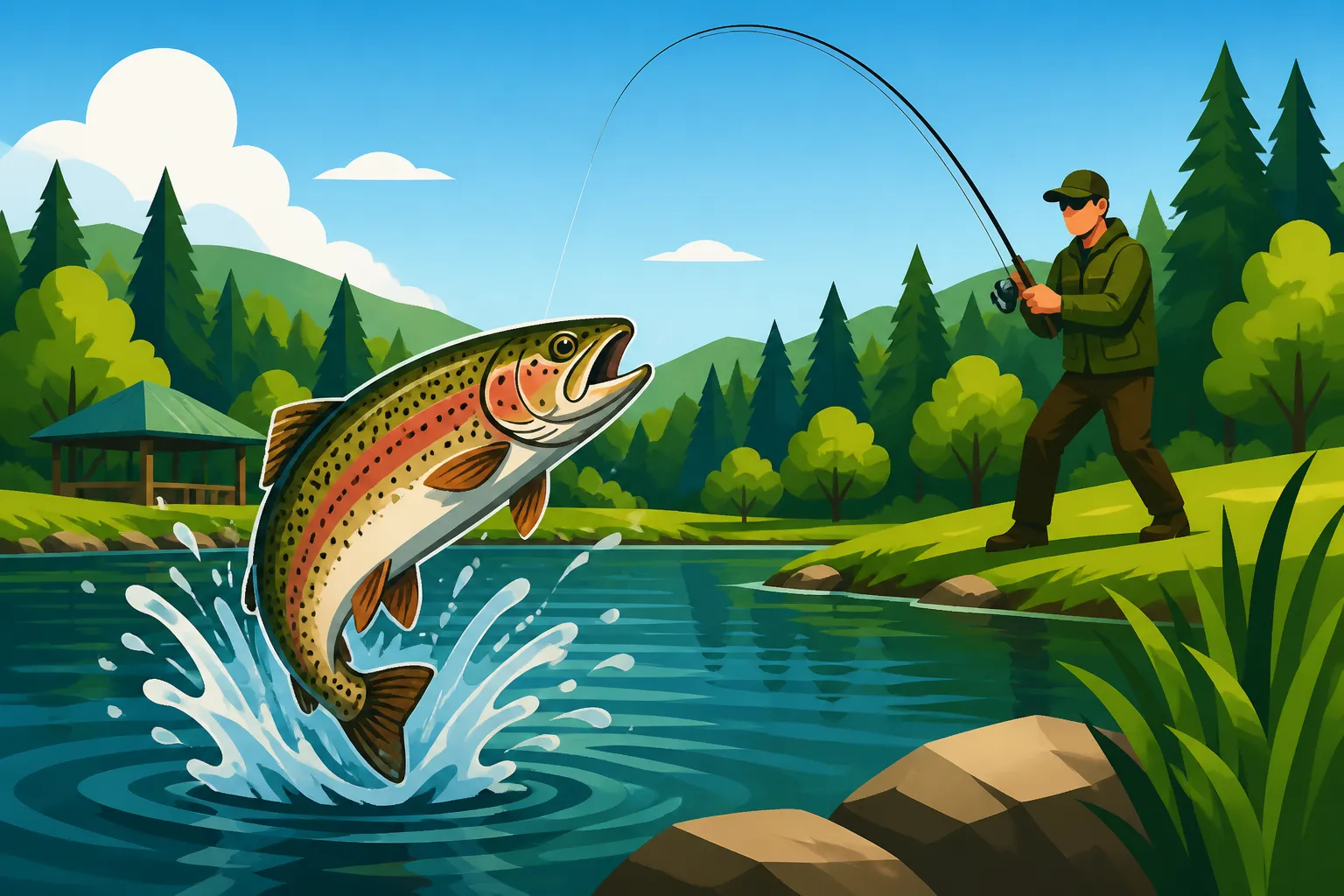
The primary reason Watoga State Park stands out for trout fishing is its consistent stocking program. The West Virginia Division of Natural Resources (WVDNR) regularly stocks these waters with rainbow trout, ensuring a healthy population for anglers. This means you don't have to be an expert at reading complex stream flows or identifying wild trout holding patterns. The fish are there, and often, they're quite eager to bite. It's a fantastic place to practice your casting, try out new baits, or simply enjoy the thrill of a tug on your line without feeling overwhelmed. The clear, calm waters of Watoga Lake, in particular, provide an excellent habitat for these stocked beauties, allowing them to acclimate well and offer a spirited fight.
Accessibility and Family-Friendly Features
One of the biggest frustrations for new anglers or families with young children is finding a fishing spot that's safe, accessible, and provides amenities. Watoga State Park ticks all these boxes. The main fishing areas, including the shores of Watoga Lake, are generally easy to get to, with ample parking and relatively flat terrain. This means you won't be navigating steep, rocky banks or dense underbrush just to cast a line. The park also offers various facilities like restrooms, picnic areas, and even boat rentals (often paddle boats or canoes, perfect for getting to slightly different spots on the lake if you wish, though many prefer to fish from shore). It’s an environment designed to make fishing enjoyable for everyone, regardless of age or experience level. For those looking for a relaxed outing, the serene setting itself is worth the trip, even before you factor in the fishing. You can truly make a day of it, enjoying nature’s beauty while waiting for that tell-tale nibble.
Prime Fishing Spots within Watoga State Park
While Watoga State Park offers a vast expanse of natural beauty, when it comes to dedicated trout pond fishing, your focus will primarily be on one main body of water, with perhaps a few smaller, less publicized spots. Understanding these areas will help you maximize your time and efforts.
Watoga Lake and its Trout Populations
The crown jewel of fishing at Watoga State Park is undoubtedly Watoga Lake. This tranquil, relatively small lake (around 11 acres) is the main destination for trout anglers within the park. Its size makes it manageable for shore anglers, and you can comfortably cast to many areas from various access points around its perimeter. The lake is fed by natural springs and streams, maintaining good water quality that's conducive to trout survival, especially after stocking.
The WVDNR's stocking schedule typically focuses on rainbow trout, which are known for their vibrant colors and willingness to strike a variety of baits. You might also encounter some "holdover" trout, especially in cooler months, which are fish that have survived from previous stockings and grown larger, offering an even more exciting challenge. These older fish can become quite savvy, so don't be surprised if they test your angling skills a bit more than the freshly stocked ones. The lake's depth varies, with some deeper sections providing cooler water refuges for trout during warmer periods. Casting near downed trees, submerged structures, or around the small coves can often yield good results. If you want to dive deeper into the state's stocking efforts, you can find information on the West Virginia Trout Season and Stocking Rules or check the West Virginia Trout Stocking Hotline and Schedule for real-time updates.
Exploring Other Waterways and Hidden Gems
While Watoga Lake is the primary trout pond, it's always worth keeping an eye out for other potential fishing opportunities within or very near the park, though these may not be specifically "trout ponds." Sometimes, smaller streams or creeks that feed into or out of the lake might hold wild brook trout, though these are often much smaller and require a different approach (like fly fishing) and specific regulations may apply. For example, some pristine mountain streams in West Virginia have special regulations for native brook trout, which are the state fish.
It’s always a good idea to consult a detailed park map or speak with park rangers upon arrival. They can often provide insights into any lesser-known spots or recent changes in fishing conditions. However, for a guaranteed trout pond experience, Watoga Lake remains your best bet. Remember that while Watoga focuses on trout, other nearby rivers might offer different species. For instance, if you're exploring the region further, you might consider casting for smallmouth bass on a river like the Greenbrier, a short drive away. Always be prepared with the appropriate West Virginia Fishing License Guide for 2026 and ensure you understand the West Virginia Fishing Regulations Explained for any waters you plan to fish, as rules can vary between lakes, rivers, and even specific sections of streams.
Essential Gear and Techniques for Watoga's Trout Ponds
You don't need a boatload of fancy equipment to enjoy trout fishing at Watoga State Park. In fact, one of the beauties of pond fishing is its simplicity. However, having the right basic gear and understanding a few straightforward techniques will significantly increase your chances of success and enjoyment.
Recommended Tackle and Bait
For Watoga’s trout ponds, lighter tackle is generally preferred. A light to medium-light action spinning rod, typically 5 to 7 feet long, paired with a small spinning reel (size 1000-2500) spooled with 4-6 pound monofilament or fluorocarbon line, is ideal. This setup allows for good casting distance with light baits and provides excellent sensitivity to feel those subtle trout bites. You'll want to ensure your line is fresh and your knots are strong, as stocked trout can still put up a surprising fight.
When it comes to bait, trout in stocked ponds are often not particularly picky, especially right after a stocking. Here are some reliable options:
- PowerBait: This artificial, dough-like bait is a classic for stocked trout. It comes in various colors and scents. Ball it up on a small treble hook (size 10-14) or single hook (size 8-12), making sure it floats.
- Corn: Yes, plain old canned corn! Trout love it, and it's surprisingly effective. Hook a few kernels directly onto a small hook.
- Worms: Live nightcrawlers or red wigglers are always a winner. Thread a small piece onto your hook.
- Small Spinners: Lures like Panther Martins, Mepps, or Rooster Tails in sizes 0-2 can be deadly, especially if the fish are a bit more active. Silver, gold, or brass blades with a black, white, or chartreuse dressing are good choices.
- Small Spoons: Tiny Kastmaster or Little Cleo spoons can imitate baitfish and entice a strike.
- Crappie Jigs: Believe it or not, micro jigs often used for crappie can also attract trout, especially those with marabou or soft plastic bodies in white, black, or pink.
Always carry a variety of options, as trout preferences can change day-to-day. You can find more comprehensive gear recommendations in guides like Best Gear for West Virginia Trout Fishing.
Simple Techniques for Success
The beauty of Watoga's trout ponds is that complex techniques aren't usually required. Here are a few simple yet effective methods:
- Bottom Fishing with Floating Bait (PowerBait, Marshmallows):
- Rig: Use a slip sinker (1/8 to 1/4 oz) above a barrel swivel, then a 12-24 inch leader of lighter line (2-4 lb test) tied to a small hook.
- Method: Cast out, let your sinker settle on the bottom, and the floating bait will rise off the bottom, putting it right in the trout's strike zone. This is a very popular and effective method.
- Float Fishing (Bobber Fishing):
- Rig: Attach a small bobber (slip or fixed) to your line, with a small split shot weight (to help with casting and sink the bait) placed 6-12 inches above your hook.
- Method: Adjust the bobber depth so your bait (worms, corn, PowerBait) suspends a few feet off the bottom or near any visible structure. Watch the bobber closely for any dips or movement. This is fantastic for kids!
- Casting and Retrieving Lures:
- Rig: Tie a small spinner or spoon directly to your main line or a short leader.
- Method: Cast out and retrieve slowly and steadily. Vary your retrieve speed and add occasional twitches to imitate a struggling baitfish. Trout often strike as the lure falls or when you change speed. For more advanced tactics, consider checking out articles like Spring Trout Fishing Techniques for West Virginia Streams.
Remember to pay attention to where other anglers are having success, and don't be afraid to move around the lake until you find an active school of fish. Sometimes, even a slight change in location can make all the difference.
Navigating Regulations and Planning Your Trip
Before you even pack your bags, understanding the local regulations and planning the logistics of your trip to Watoga State Park is crucial for a smooth and enjoyable experience. No one wants a run-in with a game warden or a wasted trip!
Understanding West Virginia Fishing Regulations
Fishing in West Virginia, even in state parks, requires adherence to state-specific regulations. The most fundamental requirement is a valid West Virginia fishing license. If you're a resident, you'll need the appropriate resident license. Non-residents will need a non-resident license, and there are often options for annual, 3-day, or 1-day permits. It's important to remember that a trout stamp is also required if you intend to fish for or keep trout in designated trout waters, and Watoga Lake falls into this category. You can typically purchase these licenses online through the WVDNR website, or from authorized vendors across the state. For detailed information on costs and types of licenses, refer to our comprehensive guide on How Much Does a West Virginia Fishing License Cost.
Beyond the license, you must also be aware of the daily creel limits and possession limits for trout. These rules dictate how many fish you can keep per day and how many you can have in your possession. These limits are in place to ensure sustainable fishing practices and can be found in the West Virginia Bag and Possession Limits by Species guide. Always keep a copy of your license (digital or physical) with you while fishing, and familiarize yourself with the current year's fishing regulations summary, often available as a PDF from the WVDNR. These regulations can occasionally change, so it's best to check annually.
Best Times to Visit for Trout Fishing
The timing of your visit can significantly impact your trout fishing success at Watoga State Park.
- Spring (March – May): This is arguably the prime season for trout fishing in West Virginia, especially in stocked waters like Watoga Lake. The WVDNR conducts heavy stocking throughout the spring, often leading to excellent catch rates. The water temperatures are ideal, and the trout are generally very active. The "opening day" of trout season or the periods immediately following a stocking event are often the most productive. However, spring also brings more anglers, so be prepared for some company, especially on weekends.
- Fall (September – November): As temperatures drop, fall becomes another fantastic time. The crowds thin out, and the WVDNR often conducts additional stockings, especially for special events. The vibrant fall foliage makes for an incredibly scenic fishing experience.
- Winter (December – February): For dedicated cold-weather anglers, winter can offer surprisingly good fishing, particularly on warmer days. Ice fishing isn't typically reliable or safe on Watoga Lake due to fluctuating temperatures, but open-water fishing can still be productive, especially for larger holdover trout.
- Summer (June – August): Trout fishing in stocked ponds can become more challenging in the peak of summer as water temperatures rise. Trout become less active and may seek deeper, cooler water. Early mornings and late evenings will be your best bet during these months, and focusing on deeper sections of the lake.
If you're interested in finding a local expert or just want to broaden your search for fishing opportunities beyond Watoga, platforms like FishingBooker can sometimes connect you with local guides or give you a sense of fishing activity in the wider region. While a guide might not be necessary for a simple pond trip, it's a good resource for exploring other types of fishing in West Virginia. For a broader perspective on timing, you can also consult articles like Best Time of Year to Fish in West Virginia.
| Time of Year | Trout Activity | Crowds | Best Techniques | Notes |
|---|---|---|---|---|
| Spring | High | Moderate to High | Floating Bait, Spinners, Worms | Peak stocking season, excellent bite. |
| Summer | Low to Moderate | Low to Moderate | Early/Late Day, Deeper Water, Natural Baits | Challenging due to warm water; focus on cooler times. |
| Fall | Moderate to High | Low to Moderate | Floating Bait, Spinners, Small Jigs | Another good stocking season, beautiful scenery. |
| Winter | Moderate | Low | Slow Retrieves, Live Bait (Worms) | Requires patience, focus on warmer winter days. |
Remember, no matter when you go, a day spent in the natural beauty of Watoga State Park, with a fishing rod in hand, is always a good day.
Disclaimer
Please be aware that fishing regulations, stocking schedules, and park amenities can change. Always consult the most current West Virginia Division of Natural Resources (WVDNR) regulations and Watoga State Park information before planning your trip. This guide is for informational purposes and does not replace official state and park directives. Fishing inherently carries risks; please prioritize safety and practice responsible angling.