Best trout fishing spots on the Elk River
There's nothing quite like the dream of hooking into a feisty trout in the pristine waters of West Virginia, but for many anglers, the sheer number of rivers and streams can be overwhelming. Where do you even begin, especially when you've heard whispers of the legendary Elk River but aren't sure which stretches live up to the hype? This comprehensive guide will cut through the confusion, revealing the best trout fishing spots on the Elk River and arming you with the knowledge to make your next trip a resounding success.
Understanding the Elk River's Trout Fishery
The Elk River is a true gem in West Virginia's fishing crown, celebrated for its diverse trout opportunities. What makes it so special isn't just one type of fishing, but a blend of experiences, from robust stocked sections to serene wild trout hideaways. It’s critical to understand these distinct zones to plan your adventure effectively, whether you're chasing freshly stocked rainbows or elusive native brookies.
The Tailwater Section and Its Bounty
Downstream from Sutton Lake Dam, the Elk River transforms into a phenomenal tailwater fishery, a section many consider to be among the best trout waters in the eastern United States. This area benefits from the consistent release of cold, oxygen-rich water from the bottom of Sutton Lake. This stable environment creates ideal conditions for trout year-round, allowing them not only to survive but to grow to impressive sizes. We're talking about hefty brown trout and rainbow trout that can challenge even the most experienced angler. The sustained cold water flow also means that fish stocking efforts here are incredibly successful, and trout tend to hold over well from season to season.
Access along the tailwater is generally good, with several public areas where you can easily get to the river. You'll find a mix of deep pools, runs, and riffles, providing diverse habitats for trout. This section is particularly popular for fly fishing, but spin anglers using appropriate techniques can also find great success. The sheer volume of fish, combined with the potential for true trophy trout, makes the Sutton tailwater a perennial favorite. For those looking to maximize their time and perhaps learn the nuances of this specific water, booking a local guide through platforms like FishingBooker can be incredibly beneficial. These guides often have intimate knowledge of the currents, hatches, and holding lies specific to the tailwater.
Upstream Wild Trout Opportunities
While the tailwater gets a lot of the spotlight, don't overlook the upper reaches of the Elk River and its numerous feeder streams, which offer a completely different, yet equally rewarding, experience. As you move upstream from Sutton Lake, the river takes on a more freestone, mountain stream character. Here, you’ll find sections that hold native brook trout, West Virginia’s state fish, often alongside wild rainbow and brown trout populations. These fish are typically smaller than their tailwater counterparts but are renowned for their vibrant colors and feisty fight.
Fishing for wild trout in these upstream sections requires a more stealthy and often more challenging approach. The water is usually clearer and shallower, and the fish are incredibly wary. You’ll often be fishing smaller pockets, plunge pools, and runs, navigating through denser vegetation and sometimes rugged terrain. This kind of fishing is less about numbers and more about the solitude, the pristine environment, and the satisfaction of outsmarting a truly wild fish in its natural habitat. Access can be limited to hiking trails or undeveloped pull-offs, offering a more secluded experience for those willing to put in the effort. Exploring the various access points for West Virginia wild trout waters can lead to some truly memorable fishing.
Prime Fishing Locations on the Elk River
Now that we understand the different types of fisheries, let's dive into some specific spots along the Elk River that are renowned for their trout fishing. Each location offers unique characteristics and experiences, catering to different styles of angling and levels of adventure.
Webster Springs Area – Gateway to the Trophy Zone
The stretch of the Elk River around Webster Springs is often considered a fantastic entry point for anglers looking to experience the famed trout fishery. This area sees consistent stockings by the West Virginia Division of Natural Resources (WVDNR), ensuring a good population of catchable fish throughout the cooler months. The accessibility here is a major draw; you'll find ample public access points, including roadside pull-offs and designated fishing areas. The river here flows through a mix of small towns and rural landscapes, making it convenient to find supplies, lodging, and local information.
Many anglers use Webster Springs as a base to explore both the stocked sections and to venture towards the upper reaches of the river that hold wilder trout. The water in this area provides a good balance of pools, riffles, and runs, suitable for both bait and lure fishing, as well as fly fishing with nymphs and streamers. If you're planning a trip, be sure to check the West Virginia Trout Stocking Hotline and Schedule to know when new fish are being introduced. This can significantly increase your chances of a successful outing. A local guide found on FishingBooker can also provide invaluable real-time advice on the best spots and techniques around Webster Springs, especially after a recent stocking.
Bergoo and Its Remote Charms
For those who crave a bit more solitude and a wilder experience, heading upstream towards Bergoo offers an excellent alternative. Located deeper in the mountainous terrain, the river here becomes more intimate, characterized by tighter bends, boulder-strewn stretches, and dense forest canopy. This area is less crowded than the more accessible downstream sections and offers a higher chance of encountering holdover and wild trout. While stocking still occurs in some accessible parts, the overall feel is one of wilderness.
Fishing near Bergoo often means more wading and sometimes a bit of hiking to reach the best spots. The rewards, however, are often worth the effort. The clearer water and less pressured fish can provide exceptional opportunities for skilled fly anglers targeting wary trout. Small spinners and spoons can also be effective, particularly for those targeting opportunistic wild rainbows and brook trout. The beauty of this remote setting is undeniable, providing a peaceful escape for anglers looking to truly connect with nature. It’s crucial to be prepared with appropriate gear, including sturdy wading boots, as the terrain can be uneven.
Sutton Dam Tailwater – The Winter Haven
The undisputed king of Elk River trout fishing is the tailwater section directly below Sutton Dam. This stretch is a true year-round fishery, famous for producing some of West Virginia's largest trout. The constant flow of cold water from the dam creates a stable thermal environment, even during the peak of summer or the depths of winter, preventing the water from getting too warm or too cold for trout. This stability allows fish to thrive and grow to impressive sizes, with brown trout in particular often reaching trophy dimensions.
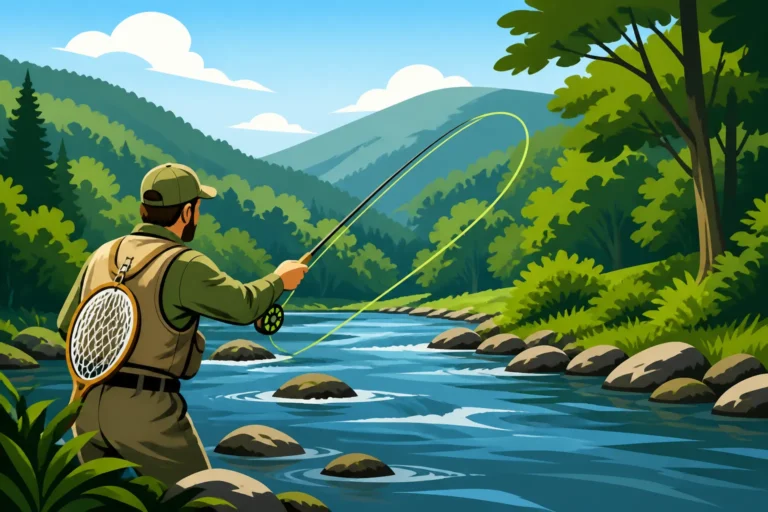
This tailwater is a mecca for fly anglers, who often find success with a variety of techniques, including nymphing, streamer fishing, and even dry fly fishing during prolific hatches. Spin anglers also do very well with jigs, small inline spinners, and spoons. The deep pools directly below the dam and downstream offer excellent holding water, while the numerous riffles provide ample feeding opportunities. Access is excellent, with dedicated parking areas and paths leading to the river's edge. This area is so popular that it has specific regulations to protect its precious resource, so always consult the West Virginia Fishing Regulations Explained before you go. The sheer abundance and size of the fish make this an exciting destination for anglers of all skill levels, and it’s a spot where a guide service, easily found on platforms like FishingBooker, can make a huge difference in navigating the powerful currents and understanding the specific fish behavior.
Here's a quick overview of some key areas along the Elk River:
| Location / Stretch | Primary Species | Best Season(s) | Fishing Style Focus | Characteristics & Notes |
|---|---|---|---|---|
| Sutton Dam Tailwater | Brown, Rainbow, Brook | Year-round (esp. Fall/Winter) | Fly, Spin (Jigs, Lures) | Trophy potential, cold water, consistent flow, often crowded. |
| Webster Springs Area | Rainbow, Brown (stocked) | Spring, Fall | Spin, Bait, Fly | Good access, heavily stocked, family-friendly, convenient. |
| Birkana/Bergoo Section | Wild Brook, Rainbow, Brown | Spring, Summer, Fall | Fly (small stream), Spin | More remote, less pressured, smaller stream feel, beautiful. |
| Elk River (Upper Reaches) | Native Brook, Wild Rainbow | Summer | Fly (ultra-light), Stealth | Challenging access, true wilderness experience, catch & release focus. |
Seasonal Strategies for Elk River Trout
Fishing the Elk River effectively means understanding how the seasons influence trout behavior and, consequently, the best techniques to employ. What works in April might be completely ineffective in August. Being prepared for these shifts will dramatically increase your success and enjoyment.
Spring Fishing – Post-Stocking Frenzy
Ah, spring! This is arguably the most anticipated time for many West Virginia trout anglers, and the Elk River truly shines. Starting in late winter and continuing through spring, the WVDNR conducts heavy stockings of rainbow and brown trout, particularly in the more accessible sections around Webster Springs and the Sutton tailwater. When those trucks hit the water, it often creates a "frenzy" as hungry trout disperse and begin to feed actively.
During this period, trout are often less wary and more willing to strike at a wider variety of offerings. For spin anglers, this means PowerBait, corn, salmon eggs, and small inline spinners are incredibly effective. Brightly colored lures often grab their attention. Fly anglers will find success with a range of patterns, including egg patterns, worm imitations, and nymphs like Princes and Hare's Ears. As the water warms slightly and insect activity increases, you might also encounter some early spring hatches, making for exciting dry fly opportunities. Remember that West Virginia Fishing Season Dates and Closures can impact when you can fish, so always check before heading out. This is also a fantastic time to consider booking a guided trip through FishingBooker, as local guides are often on top of the stocking schedules and can put you right on the freshest fish.
Summer Challenges and Wild Trout Pursuit
As the warmth of summer settles over West Virginia, the Elk River can present a more challenging, yet equally rewarding, fishing experience. The water temperatures in many sections of the main stem can rise, especially during prolonged dry spells, pushing trout into cooler, deeper pockets or forcing them to become less active during the heat of the day. However, the consistent cold water from the Sutton Dam tailwater remains productive, though fish can become warier due to increased pressure.
Summer is a prime time to shift your focus to the upper, wilder sections of the Elk River and its feeder streams. These higher-elevation waters often stay cooler, providing sanctuaries for native brook trout and wild rainbows. Here, the fishing becomes more technical, often requiring light tackle, stealthy approaches, and precise presentations. Fly anglers will find small dry flies, terrestrials like hoppers and ants, and delicate nymph patterns particularly effective. If you’re targeting the tailwater, focus your efforts during the cooler parts of the day – early mornings and late evenings – and be prepared to fish deeper and with smaller, more natural presentations. Understanding How to Fish a Tailwater in West Virginia during these conditions is key. Remember, sun protection and hydration are vital for summer angling.
Fall and Winter – Cooler Waters, Active Fish
When autumn paints the mountainsides in brilliant hues, the Elk River experiences a resurgence of trout activity. As air and water temperatures begin to drop, trout become more active and aggressive, feeding heavily in preparation for winter. This is a favorite time for many anglers, as the crowds thin out, and the fishing can be exceptional, especially for larger, holdover brown trout.
Fall is a fantastic time for streamer fishing, as larger trout are often looking for a substantial meal. Fly anglers will cast meaty patterns that imitate baitfish, crayfish, or sculpins. Nymphing remains highly effective, with stoneflies, caddis, and mayfly patterns being good choices. For spin anglers, larger inline spinners, spoons, and small jerkbaits can entice aggressive strikes. The cooler temperatures also mean that stocked trout remain active longer, making for consistently good fishing throughout the fall.
Winter on the Elk River, particularly the Sutton Dam tailwater, offers a unique opportunity. While many other trout waters in West Virginia freeze over or become inaccessible, the tailwater's consistent flow of cold, open water provides excellent winter fishing. Trout, though perhaps less active than in fall, can still be caught consistently, especially on nymphs and small jigs presented slowly. Patience is key, but the rewards of a winter trout on a quiet river are truly special. Dressing warmly and using proper Ice Fishing in West Virginia gear (though on open water, not ice) is crucial for comfort and safety during these colder months.
Essential Tips for a Successful Elk River Trip
Fishing the Elk River, while incredibly rewarding, also comes with its own set of considerations. Being well-prepared and respectful of the environment and regulations will ensure a safer, more enjoyable, and more successful outing for everyone.
Gear Up for Success
Having the right equipment can make all the difference on the Elk River. Given the varied nature of its sections, it pays to be versatile with your gear. For the Sutton tailwater, a 9-foot, 5 or 6-weight fly rod is a good all-around choice for fly anglers, capable of handling heavier nymph rigs and larger streamers. Spin anglers will do well with a medium-light spinning rod, around 6 to 7 feet, paired with a reliable reel spooled with 4-8 pound test monofilament or fluorocarbon. For the smaller, wilder upstream sections, a lighter 3 or 4-weight fly rod or an ultra-light spinning setup is more appropriate for delicate presentations.
Waders are almost a necessity for most productive areas of the Elk River. The water is cold, and being able to wade safely and comfortably will open up many more fishing opportunities. Make sure your Best Waders for West Virginia Trout Streams are breathable for warmer days and well-insulated for colder ones. A good pair of Best Wading Boots for Rocky Streams with felt or studded rubber soles will provide crucial traction on the slippery river bottom. Don't forget a quality landing net, especially if you're targeting those larger tailwater trout – a rubberized net is best for minimizing harm to fish you intend to release. Finally, a well-stocked tackle box or fly box, with a variety of patterns and lures appropriate for the season and conditions, is essential.
Understanding Regulations and River Etiquette
West Virginia has specific regulations for fishing, and the Elk River, particularly its special regulation sections, is no exception. Before every trip, it's paramount to review the current West Virginia Fishing Regulations Explained, which are updated annually. Pay close attention to bag limits, size restrictions, and any gear restrictions (like fly-fishing-only sections or single-hook artificial lure requirements) that might apply to the specific stretch you plan to fish. For instance, the Elk River has sections designated as "Trophy Trout Waters" or "Catch and Release" zones, each with its own strict rules. Make sure you have your West Virginia Fishing License Guide for 2026 and any necessary stamps, like a trout stamp, as required.
Beyond the written rules, practicing good river etiquette is vital. This means respecting other anglers by giving them plenty of space, avoiding excessive noise, and always packing out everything you pack in (and maybe even a little extra trash you find). If you encounter someone already fishing a prime spot, move downstream or upstream to find your own water. When wading, be mindful of disturbing the bottom too much, as this can spook fish downstream. For those releasing fish, handle them gently with wet hands, minimize their time out of the water, and ensure they are revived before letting them go. Being a responsible angler helps preserve the fantastic fishing opportunities on the Elk River for everyone, for years to come.
Disclaimer
Please remember that fishing conditions, regulations, and fish populations can change. Always consult the latest West Virginia Division of Natural Resources (WVDNR) regulations before planning your trip. The information provided here is for general guidance and informational purposes only.