Thurmond fishing access New River Gorge
There's nothing quite like the allure of the New River Gorge, but for many anglers, figuring out how to actually get to those prime fishing spots can feel like solving a puzzle. That's especially true for a place as unique and steeped in history as Thurmond. This guide is all about cutting through that confusion, giving you the insider scoop on how to access the fantastic fishing opportunities around Thurmond and make your trip a resounding success.
Why Thurmond Calls to Anglers in the New River Gorge
Thurmond isn't just another bend in the river; it's a living postcard of West Virginia's past, and it just so happens to sit right in the heart of some truly exceptional fishing waters. The blend of history, breathtaking scenery, and abundant fish makes it a bucket-list destination for many, despite its somewhat remote nature.
The Historical Charm and Natural Beauty
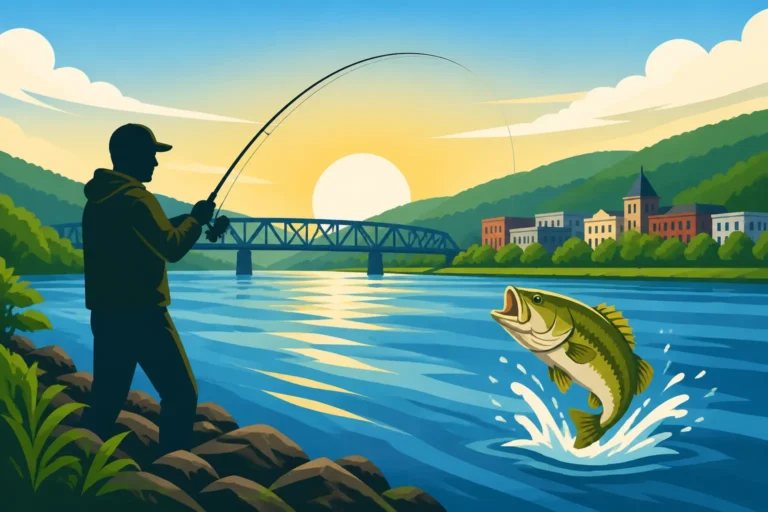
Imagine casting your line while the ghosts of boom-town coal miners and railwaymen watch from the decaying structures of a once-thriving town. That's Thurmond. This historic railroad town, now managed by the National Park Service, offers a unique backdrop that's hard to find anywhere else. The towering cliffs of the New River Gorge loom overhead, the sound of the river is ever-present, and the air is thick with the stories of a bygone era. It’s a place where you feel connected to something much larger than yourself, and that sense of awe only enhances the fishing experience. You’re not just chasing fish; you're immersed in a piece of American history surrounded by unspoiled wilderness. This deep connection to the environment often makes a day of fishing here feel more rewarding, even if the fish aren't biting every minute.
Target Species and Unique Habitat
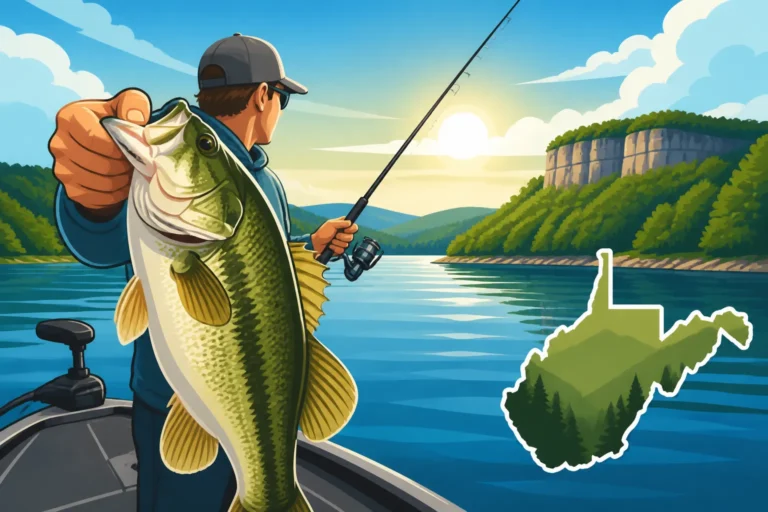
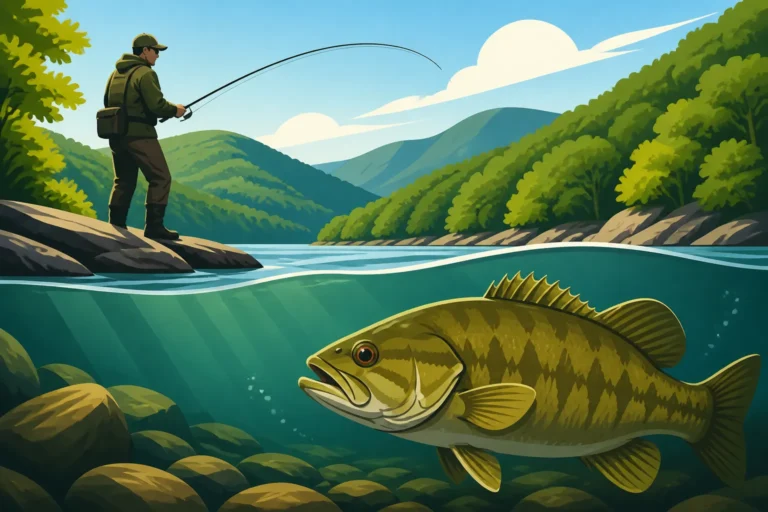
The New River is renowned for its smallmouth bass, and the waters around Thurmond are no exception. These feisty fighters thrive in the river's rocky structure, current breaks, and varied depths. Beyond smallmouth, anglers also find a healthy population of muskie, often referred to as "the fish of 10,000 casts." Landing one of these apex predators here is a true accomplishment and a memory that lasts a lifetime. In fact, many serious muskie anglers specifically target the New River Gorge for its potential to produce trophy-sized fish. You might also encounter walleye, especially in deeper pools and current seams, offering another exciting challenge. The river's varied flow, from riffles to deep pools, creates diverse habitats that cater to different species throughout the year. Understanding these varied habitats and what each species prefers is key to a productive day on the water.
Let's break down some of the main targets you'll find around Thurmond:
| Species | Preferred Habitat | Key Baits/Lures | Best Times to Fish (General) |
|---|---|---|---|
| Smallmouth Bass | Rocky banks, current breaks, eddies, submerged structure | Tubes, swimbaits, crankbaits, jigs, topwater | Spring, Summer, Fall |
| Muskie | Deep pools, slack water near current, submerged timber, weed lines | Large bucktails, swimbaits, glide baits, jerkbaits | Spring, Fall, Winter |
| Walleye | Deeper pools, current seams, ledges, low light conditions | Jigs, crankbaits, live bait (minnows) | Spring, Summer (night), Fall |
Navigating Thurmond's Access Points
Getting to Thurmond is part of the adventure, but knowing how to get to the water once you're there is paramount. The terrain can be rugged, and the sheer cliffs of the gorge mean that accessible spots aren't always obvious. Planning ahead is crucial for a smooth and safe fishing trip.
Driving Directions and Parking Realities
Thurmond is nestled deep in the New River Gorge, and while the roads leading to it are paved, they can be winding and narrow, especially the last few miles. You'll generally approach from US-19, turning onto WV-16 (or other local roads depending on your direction) and then following signs for Thurmond. The final stretch on WV-25 (Thurmond Road) takes you right into the historic town. Expect a scenic drive, but one that requires your full attention. Once you arrive, parking can be limited, especially during peak seasons or busy weekends. There are designated parking areas near the old depot and along the main road within the historic district. However, these fill up quickly. It’s always a good idea to arrive early to secure a spot. Be mindful of signed restrictions; the National Park Service enforces regulations to protect the historic resources and ensure public safety. Parking outside designated areas can lead to tickets or towing, which is definitely not how you want to end a fishing trip! If you're thinking about a multi-day adventure, researching available campsites or lodging options in nearby towns like Fayetteville or Oak Hill is a smart move.
River Access Points for Wading and Kayaking
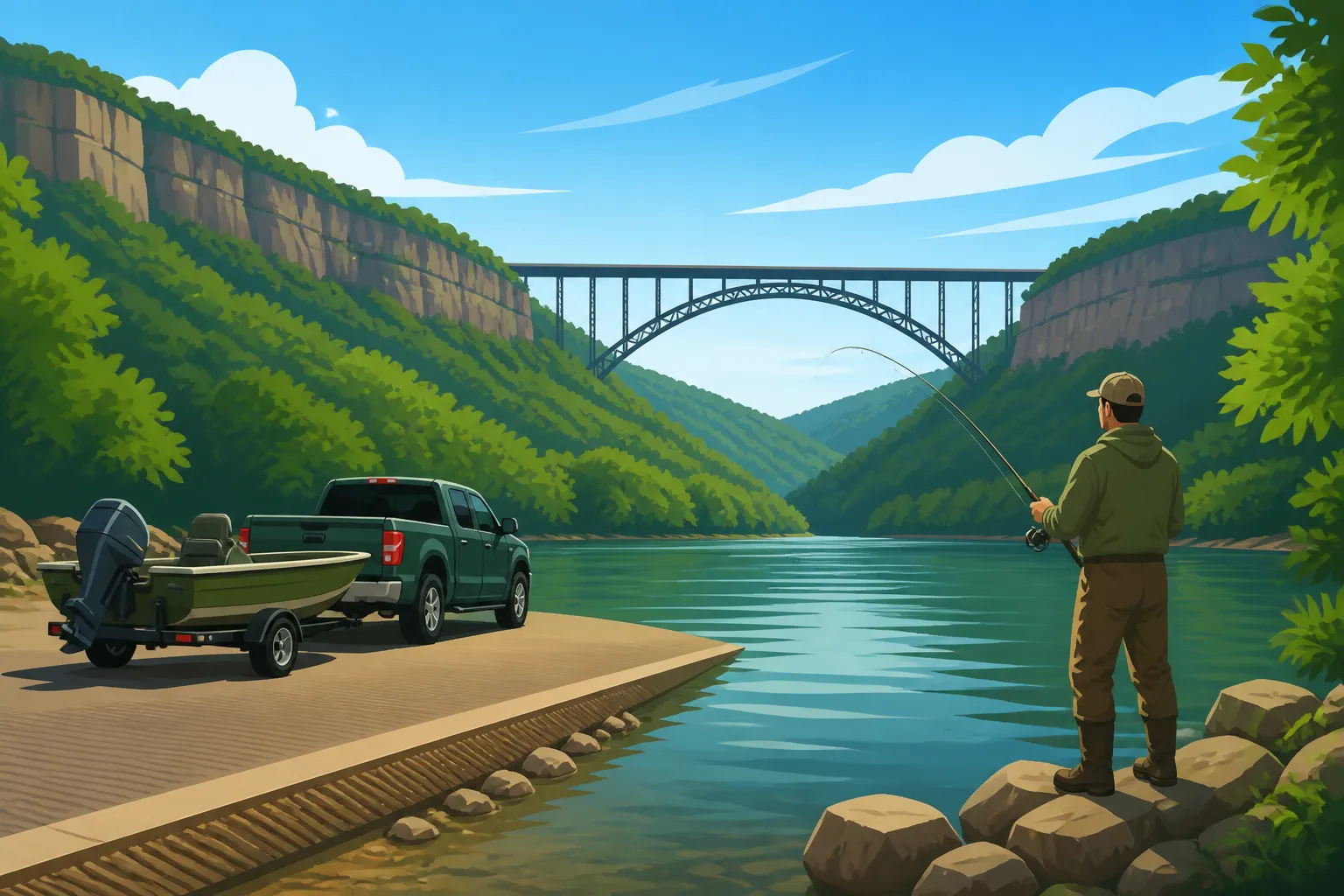
Once you're in Thurmond, getting to the water's edge requires a bit of planning. For wade anglers, there are several points where you can scramble down the bank to the river. The area directly around the old train depot and upstream or downstream offers some bank access, but it's often steep and rocky. Wear appropriate wading boots with good grip and consider a wading staff for stability. The river bottom itself is very rocky and can be slick, so caution is always advised.
For kayak or small boat anglers, launching can be a bit more straightforward, though still requires effort. There isn't a dedicated, paved boat ramp right in Thurmond. Most paddlers launch from accessible points where the bank slopes more gently, often just upstream or downstream from the main historic area. One popular, albeit primitive, launch point involves carrying your kayak or canoe a short distance from a parking area. If you're looking for more developed launches, you'd typically need to go to other spots along the New River, like Fayette Station or Cunard, and then paddle to Thurmond. Consider your vessel and fitness level when planning your launch. For those interested in extended kayak fishing trips, exploring options for a Best Kayak for the New River can make a world of difference. Always remember to check river levels before heading out; the New River can rise quickly after heavy rains, making some access points unsafe or impassable. For a truly immersive experience, many anglers hire local guides or outfitters who know the nuances of these specific launches and can provide a safer, more productive day on the water. Even when using a service like FishingBooker to find a guide, always confirm their specific launch and access plans for the Thurmond area.
Essential Tips for a Successful Thurmond Fishing Trip
Fishing in a majestic and wild place like the New River Gorge demands more than just a rod and reel. It requires preparation, respect for the environment, and an understanding of the river's unique challenges. A little foresight can turn a good trip into an unforgettable one.
Gear Considerations for the New River Gorge
When you're packing for a fishing trip to Thurmond, think rugged and versatile. The New River is powerful, and the fish are strong. For smallmouth bass, a medium-heavy spinning or baitcasting setup is ideal. You'll want a rod with enough backbone to handle those aggressive strikes and enough sensitivity to feel subtle bites in current. A 6'6" to 7' medium-heavy rod paired with a reel spooled with 10-15 lb fluorocarbon or braided line with a fluorocarbon leader is a solid choice. Lures like tube jigs, soft plastic swimbaits, and crankbaits that mimic crawfish or baitfish are consistently productive. Many anglers swear by the effectiveness of a natural-colored tube jig bounced along the bottom, especially when targeting those bigger Smallmouth Bass Habits on the New River.
For muskie, you're stepping into a different league of gear. Heavy-duty baitcasting setups, often 8-9 feet long, capable of throwing massive lures, are a must. Your reel needs to handle heavy line (50-80 lb braid) and have a strong drag system. Think bucktails, large swimbaits, and glide baits. You'll also need stout wire leaders to prevent bite-offs. It's an investment, but it's necessary for these toothy giants. Regardless of your target, always carry a good pair of pliers or forceps for hook removal and a measuring tape to ensure you're compliant with West Virginia Bag and Possession Limits by Species. For anglers considering their options, a comprehensive guide on Best Fishing Rods for West Virginia Rivers can offer further insights into selecting the right tools for this challenging environment.
Safety First: Understanding River Hazards
The New River, while beautiful, is a wild and powerful force of nature. Safety should always be your top priority. The current can be deceptively strong, especially after rains, and the water levels can fluctuate. If you're wading, always test the depth and current with a wading staff before stepping. Felt-soled wading boots offer excellent grip on slippery rocks, but rubber soles with studs can also be effective. Always wade with a buddy, and let someone know your float plan or where you intend to fish, especially if you're exploring more remote sections.
For those in kayaks or canoes, wearing a life jacket is not just a good idea; it's often legally required, particularly for children. The river has rapids, and even calm-looking stretches can have hidden hydraulics or strong eddies. Always be aware of your surroundings, listen for the sound of approaching rapids, and have an exit strategy if conditions become too challenging. Cold water immersion is another serious risk, particularly in cooler months, so dress in layers of synthetic materials that wick moisture away from your skin. Understanding West Virginia Boating Laws for Anglers is crucial before you head out. When booking a guided trip, perhaps through FishingBooker, ensure your guide prioritizes safety and provides all necessary safety equipment.
Respecting the Environment and Regulations
The New River Gorge National Park and Preserve is a special place, and it's up to all of us to keep it that way. Practice Leave No Trace principles: pack out everything you pack in, and leave no trash behind. That includes discarded fishing line, which can be deadly to wildlife. If you're camping or picnicking, be mindful of fire safety and wildlife.
It's also essential to be familiar with the local fishing regulations. West Virginia has specific rules for different species, particularly for muskie and smallmouth bass, including size limits and creel limits. There might also be special regulations for certain stretches of the river within the National Park boundaries. Always carry a copy of the current West Virginia Fishing Regulations Explained, whether it's a physical copy or a digital one on your phone. Ignorance of the law is not an excuse, and game wardens do patrol these waters. For detailed information on permits and regulations, a great starting point is the official West Virginia Fishing License Guide for 2026, as well as understanding if you need a West Virginia Trout Stamp Cost for Residents and Nonresidents if you venture into trout waters.
Planning Your Thurmond Fishing Adventure
A successful fishing trip to Thurmond goes beyond just knowing where to cast. It involves understanding the best times to visit, considering hiring a guide, and preparing for the unexpected. The wild beauty of the New River Gorge is best enjoyed when you're well-prepared.
Best Times to Fish Thurmond Waters
The New River around Thurmond offers excellent fishing opportunities throughout much of the year, but certain seasons stand out for particular species. Spring (April-May) is fantastic for smallmouth bass as they become active after winter and prepare for their spawn. The water temperatures are rising, and the fish are feeding aggressively. This is also a good time for muskie, as they too are moving and can be found in shallower areas.
Summer (June-August) offers consistent smallmouth action, especially during morning and evening hours, or in deeper, cooler pockets during the heat of the day. Early mornings and late evenings are also prime for topwater action. Muskie can be found, but they often move to deeper, cooler water. Fall (September-November) is arguably the best time for trophy muskie, as they put on the feed bag before winter. Smallmouth fishing also remains strong, with fish aggressively feeding. Winter fishing (December-March) can be challenging but rewarding for those willing to brave the cold, particularly for muskie or deeper-holding walleye. Always consult a resource like Best Time of Year to Fish in West Virginia for a more comprehensive seasonal breakdown.
Hiring a Local Guide for Expertise
Given Thurmond's unique challenges—its remoteness, the complexity of river access, and the often technical nature of fishing the New River—hiring a local fishing guide can be an absolute game-changer, especially for your first few trips. A good guide knows the river like the back of their hand. They'll know the current hot spots, the right baits and techniques for the conditions, and most importantly, how to navigate the river safely. They can provide all the specialized gear, transportation, and expertise, saving you a lot of guesswork and potentially wasted time.
A guide can also share invaluable knowledge about the river's ecology, the history of the gorge, and the nuances of How to Catch Smallmouth Bass in West Virginia Rivers or even How to Catch Muskie in West Virginia. While booking directly with local outfitters is always an option, platforms like FishingBooker can connect you with reputable, licensed guides operating in the New River Gorge area. This can be particularly useful if you're coming from out of state and don't have local contacts. Think of it as an investment in a memorable and productive experience.
Preparing for Weather and River Conditions
West Virginia weather can be famously unpredictable, especially in the mountains and river gorges. A sunny morning can quickly turn into a rainy afternoon, and river conditions can change rapidly. Always check the weather forecast before you go, and be prepared for anything. Pack rain gear, extra layers of clothing, and waterproof bags for electronics and valuables. Sunscreen and a hat are essential year-round.
More importantly, check the river flow and level. High water can make wading dangerous and fishing difficult, while extremely low water can expose obstacles and make boat navigation tricky. Resources like USGS stream gauges provide real-time data for the New River. Understanding how different conditions affect the fish and your safety is paramount. For example, knowing Best Techniques for High Water Conditions or Best Techniques for Low Clear Water Conditions can significantly impact your success. Being flexible with your plans and having a backup strategy for adverse conditions is a hallmark of a seasoned angler in West Virginia.
Making the Most of Your Thurmond Experience
Fishing at Thurmond isn't just about catching fish; it's about the entire experience. From packing the right amenities to remembering to soak in the incredible surroundings, these final tips will help ensure your trip is truly special.
Packing Smart: Beyond the Tackle Box
While your fishing gear is crucial, don't forget the essentials for a comfortable and enjoyable day in a remote setting. Given Thurmond's somewhat isolated nature, there are no convenience stores right on the spot. Pack plenty of water, snacks, and a packed lunch. A cooler with ice is always a good idea. A first-aid kit, insect repellent (especially in warmer months), and a headlamp or flashlight are also must-haves, just in case your adventure extends past sunset or you need to navigate tricky terrain.
Consider durable, quick-drying clothing and sturdy, comfortable shoes for walking to and from access points. A backpack designed for fishing, with external rod holders and ample storage for water bottles, can be a game-changer. Don't forget a camera to capture the stunning scenery and, hopefully, some impressive catches! Thinking about every aspect of your comfort and safety will allow you to focus on the fishing and truly appreciate the beauty of the New River Gorge.
Environmental Stewardship and Catch & Release
The New River Gorge National Park and Preserve is a cherished natural resource, and responsible angling is vital to its long-term health. While it's certainly rewarding to keep a legal catch for the table, many anglers practice catch and release, especially for trophy-sized smallmouth bass and muskie. These larger fish are crucial to the breeding population and provide future angling opportunities. If you do plan to release fish, handle them with care: minimize their time out of water, support their weight horizontally, and use barbless hooks for easier removal.
Always be aware of specific regulations regarding catch and release, particularly for any designated "catch and release only" sections, though these are more common for trout streams. By actively participating in environmental stewardship, we ensure that places like Thurmond continue to offer exceptional fishing experiences for generations to come. Your actions on the river truly make a difference, contributing to the health and vitality of this remarkable ecosystem.
Enjoying the Scenery and Local Culture
Beyond the tug on your line, take time to appreciate the grandeur of the New River Gorge itself. The historic buildings of Thurmond tell a fascinating story, and the sheer scale of the gorge is breathtaking. Walk around the town, read the interpretive signs, and imagine what life was like here during its coal boom heyday. If you have time, explore some of the nearby hiking trails or scenic overlooks. The famous New River Gorge Bridge, for instance, is not far away and offers spectacular views.
Consider spending some time in the nearby towns like Fayetteville, known for its outdoor adventure scene, charming shops, and local eateries. They offer a chance to connect with the local culture and unwind after a day on the river. Combining your fishing trip with an exploration of the broader New River Gorge area will create a richer, more fulfilling experience, leaving you with memories that go far beyond just the fish you caught. After all, the mountains and rivers of West Virginia offer so much more than just good fishing – they offer an experience.
Disclaimer
Please remember that fishing regulations, conditions, and access points can change. Always consult the official West Virginia Division of Natural Resources (WVDNR) website or their latest regulations summary for the most current and accurate information before planning your trip. Safety should always be your top priority when fishing in remote or wild areas.