Sutton Lake Fishing
Finding that next incredible fishing spot in West Virginia can sometimes feel like searching for a hidden gem, especially when you've fished all the usual haunts. If you're yearning for a lake that consistently delivers fantastic action across multiple species, yet still offers that serene, wild West Virginia feel, you're in the right place. This guide will take a deep dive into Sutton Lake, revealing its secrets, its best catches, and how to make your next trip truly unforgettable.
Sutton Lake: An Overview for Anglers
Sutton Lake, nestled in Braxton County, is one of West Virginia's true treasures, often overshadowed by some of its larger, more famous counterparts. But for those in the know, it's a phenomenal fishery offering diverse opportunities, from hard-fighting hybrid striped bass to feisty crappie and elusive walleye. It's a U.S. Army Corps of Engineers flood control lake, meaning its water levels can fluctuate, which adds an interesting dynamic to the fishing.
Location and Accessibility
Sutton Lake is conveniently located just off Interstate 79, making it relatively easy to access for anglers coming from various parts of the state or even neighboring states. The town of Sutton itself, a charming small community, provides necessary amenities like tackle shops, gas, and dining options. The lake stretches for about 14 miles, covering over 1,500 acres at summer pool, and boasts a substantial amount of shoreline. Its proximity to major highways doesn't detract from its natural beauty; the surrounding hills are heavily forested, creating a tranquil environment perfect for a fishing getaway. You'll find several public access points and marinas that cater to boaters, and a surprising amount of shoreline accessible for bank anglers, especially in the upper arms of the lake.
Lake Characteristics and Fish Habitat
Sutton Lake is characterized by its deep, clear water, especially in the lower sections near the dam, contrasting with the shallower, more stained waters of the upper reaches where the Elk River and Holly River feed into it. This variety in water conditions creates diverse habitats that appeal to a wide range of fish species. The lake's bottom structure is a mix of rock, gravel, and submerged timber, with plenty of points, humps, and creek channels that hold fish. Timber stands are particularly prevalent in the upper half of the lake, providing excellent cover for crappie, largemouth bass, and even muskie. The deep main lake basin is critical for species like walleye and the robust hybrid striped bass, offering them cooler, oxygen-rich waters during the warmer months. Understanding these transitions in depth and cover is key to patterning fish throughout the year.
Top Fish Species to Target at Sutton Lake
Sutton Lake is a veritable smorgasbord for anglers, boasting a fantastic array of fish species that appeal to all types of fishing preferences. You're not just limited to one or two options here; the lake offers something for everyone, making it a great destination for a varied fishing trip. From powerful fighters to delicious table fare, Sutton Lake truly has it all, and many anglers report fantastic success even on their first visit.
Hybrid Striped Bass: The Lake's Crown Jewel
If there's one species that truly shines at Sutton Lake, it's the hybrid striped bass. These hard-fighting fish are a cross between striped bass and white bass, offering the aggressive nature and size of stripers with a more resilient disposition for reservoir life. They are regularly stocked by the West Virginia Division of Natural Resources and grow to impressive sizes, often exceeding 10 pounds. Catching one of these bruisers is an experience in itself, with powerful runs and a relentless fight that will test your gear and your stamina.
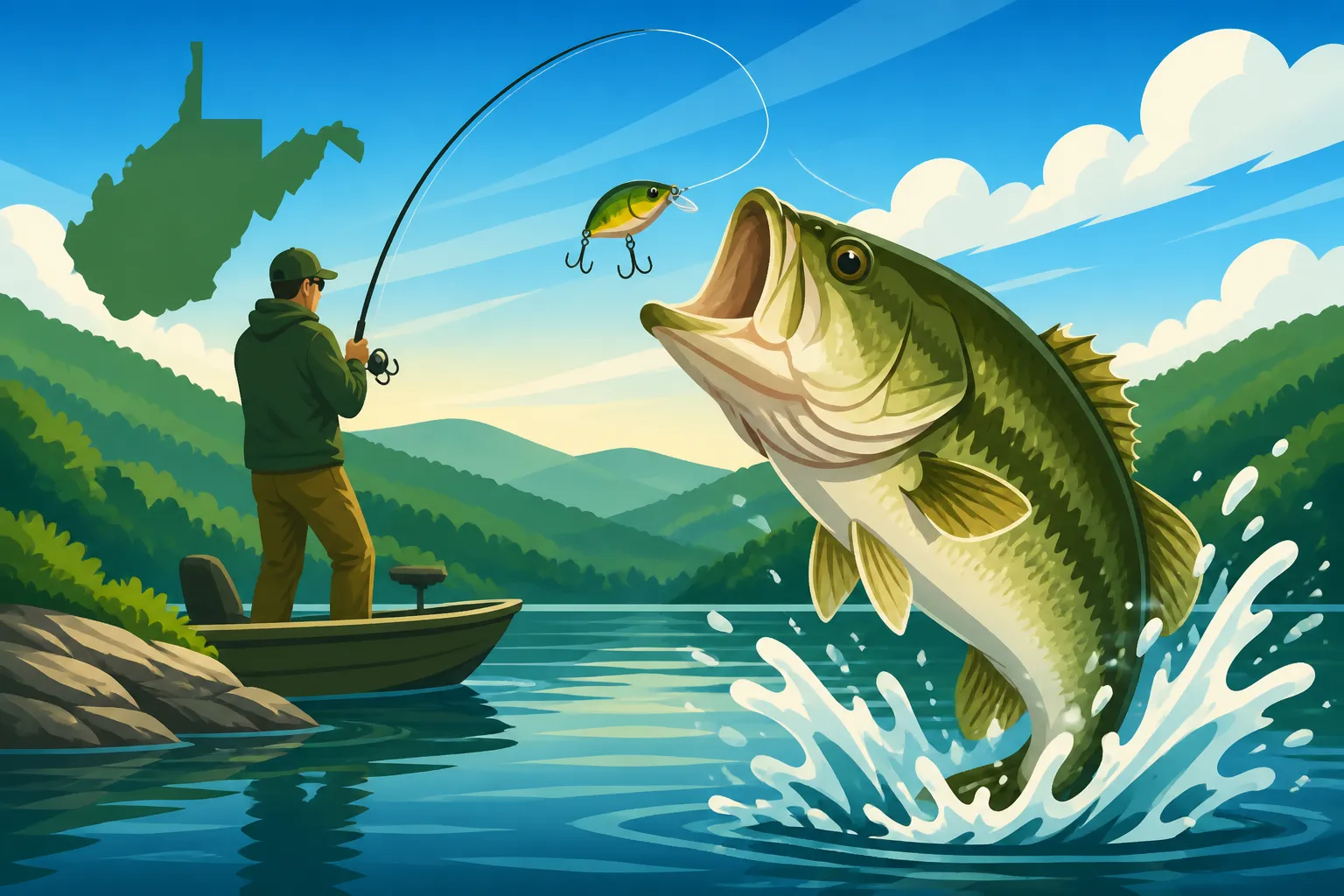
Anglers specifically targeting hybrids often focus on the main lake basin, particularly around points, humps, and submerged islands. They tend to school up, especially when actively feeding on baitfish like shad. Look for birds diving or splashes on the surface, as this often indicates a feeding frenzy below. The best approaches involve casting large crankbaits, topwater lures during low light, or vertically jigging spoons and heavy swimbaits in deeper water. Live bait, particularly gizzard shad or large shiners, fished on a Carolina rig or under a slip bobber, can also be incredibly effective when you find a school. You might want to check out our guide on how to catch striped bass hybrids for more specialized tips.
Crappie and Panfish: Consistent Action
For anglers looking for consistent action and excellent table fare, Sutton Lake's crappie and panfish population is outstanding. Both black and white crappie thrive in the lake's abundant cover, particularly in the timbered coves and creek arms. Bluegill and other sunfish are also plentiful, providing fantastic opportunities for young anglers or anyone who enjoys a steady bite. These species are often found in shallower water during the spring and fall, moving to deeper submerged structure in the summer and winter.
Targeting crappie often involves light tackle, small jigs (like Bobby Garland or Johnson Beetle Spins), and live minnows. Look for brush piles, fallen trees, and docks, especially those with some depth nearby. In the spring, they'll move into very shallow water to spawn, becoming more accessible. As summer progresses, they'll retreat to deeper timber, making vertical jigging or spider rigging with multiple poles a popular and effective method. Bluegill can be caught almost anywhere with small worms or crickets under a bobber. This consistent action makes them a favorite for family fishing trips and a great way to introduce beginners to the joys of angling. Our guide on crappie fishing in West Virginia has even more detailed strategies.
Largemouth and Smallmouth Bass: Fierce Fighters
Sutton Lake offers excellent opportunities for both largemouth and smallmouth bass, each with its own preferred habitat and fighting style. Largemouth bass tend to favor the shallower, weedier coves and areas with plenty of submerged timber, especially in the upper lake sections. They are ambush predators, so targeting cover is key. Smallmouth bass, on the other hand, prefer the rockier points, main lake humps, and clearer water, particularly towards the dam. They are renowned for their acrobatic jumps and powerful runs.
For largemouth, try pitching jigs, Texas-rigged plastics, or spinnerbaits into thick cover. Topwater frogs and poppers can be exhilarating during low-light conditions or over matted vegetation. For smallmouth, crankbaits, jerkbaits, and tube jigs fished along rocky banks and points are highly effective. Drop shots and Ned rigs can also work wonders when the bite is tough. The New River Gorge is famous for its smallmouth, but Sutton Lake can certainly hold its own in terms of quality bass fishing. If you're keen on chasing the bucketmouth, our guide to largemouth bass fishing in West Virginia can offer more specific advice.
Walleye and Catfish: Deeper Opportunities
While not as widely publicized as the hybrids or crappie, Sutton Lake also harbors a healthy population of walleye and various catfish species, offering fantastic deep-water and night-fishing opportunities. Walleye are prized for their delicious, flaky white meat and their often elusive nature. They prefer cooler, deeper water and are often found relating to submerged structure, creek channels, and the main lake basin. Catfish, including channel cats and flatheads, provide a different kind of challenge and are especially popular for night anglers.
Walleye fishing often involves trolling deep-diving crankbaits, blade baits, or jigging spoons along contours and main lake points. Live bait, particularly minnows or nightcrawlers on a bottom bigger or Lindy rig, can be incredibly effective when presented near the bottom. Early morning, late evening, and night are prime times for walleye. For catfish, stink baits, cut bait, or live bluegill fished on the bottom in creek channels or near timber are the go-to methods. Sutton Lake has produced some very respectable channel cats and even some monster flatheads. For more on these nocturnal feeders, consider checking out our guide to catfish fishing in West Virginia.
| Species | Primary Habitat | Best Time of Year | Common Techniques | Average Size (lbs) |
|---|---|---|---|---|
| Hybrid Striped Bass | Main lake basin, open water, deep points | Spring, Fall, Summer | Trolling, Jigging, Topwater, Live Bait | 3-8 |
| Crappie | Submerged timber, brush piles, docks | Spring, Fall | Jigging, Live Minnows, Spider Rigging | 0.5-1.5 |
| Largemouth Bass | Shallow coves, weed beds, fallen trees | Spring, Summer | Pitching Jigs, Texas Rigs, Spinnerbaits | 1.5-4 |
| Smallmouth Bass | Rocky points, humps, clear water | Spring, Fall | Crankbaits, Jerkbaits, Tube Jigs, Drop Shot | 1-3.5 |
| Walleye | Deep channels, humps, main lake basin | Spring, Fall, Night | Trolling, Jigging, Live Bait | 2-5 |
| Catfish | Creek channels, deep holes, timber | Summer, Night | Bottom Fishing (Cut Bait, Stink Bait) | 2-15+ |
Best Fishing Techniques for Sutton Lake
To truly unlock the potential of Sutton Lake, it's not enough to just know what fish are there; you need to understand how to catch them. The varied conditions of the lake call for a diverse set of techniques, and being adaptable will greatly increase your success. Whether you're a seasoned pro or a beginner, mastering a few key approaches will help you put fish in the boat or on the bank.
Trolling for Hybrid Stripers and Walleye
Trolling is an incredibly effective method on Sutton Lake, particularly for covering large expanses of water and locating schools of pelagic (open-water) species like hybrid striped bass and walleye. These fish often suspend at certain depths or follow baitfish schools across the main lake. Trolling allows you to present lures at consistent depths and speeds over prolonged periods, mimicking natural baitfish movements.
For hybrid stripers, focus your trolling efforts around major points, humps, and the main lake channel, especially where it narrows. Deep-diving crankbaits in shad patterns are excellent choices. Experiment with different depths by adjusting line length, using lead core line, or employing planer boards to spread out your presentation. Keep an eye on your fish finder for bait balls or arches indicating fish activity. For walleye, trolling usually involves slightly slower speeds and lures that hug the bottom, such as crawler harnesses or bottom-bouncing crankbaits. Early morning or late evening are prime times for walleye trolling, as they often move shallower to feed. Remember that proper boat handling and understanding your sonar are crucial for effective trolling on a large reservoir like Sutton Lake.
Jigging and Casting for Bass and Panfish
When fish are relating to specific structure or cover, active casting and jigging become the go-to techniques. This allows for precision presentation and the ability to thoroughly work a targeted area. Bass and panfish are prime candidates for these methods, as they often hold tight to cover.
For largemouth bass, casting spinnerbaits, chatterbaits, or Texas-rigged plastics into submerged timber, brush piles, or weed lines is highly effective. Flipping and pitching jigs into dense cover can entice strikes from larger, more cautious fish. Smallmouth bass, found on rocky points and ledges, will readily strike crankbaits, jerkbaits, tube jigs, and finesse presentations like drop shots. Experiment with retrieve speeds and pauses to trigger bites. For crappie and other panfish, vertical jigging with small lead-head jigs tipped with plastics or live minnows around brush piles and dock pilings is a deadly tactic. Cast small jigs or tiny crankbaits along shorelines in spring. The key is to thoroughly work the structure, understanding that sometimes the biggest fish are nestled deep within the cover.
Bottom Fishing for Catfish
Catfish are a major draw at Sutton Lake, particularly for those who enjoy a more relaxed fishing approach, often centered around evening or night excursions. While they can be caught during the day, night fishing for catfish is often incredibly productive, especially for larger specimens.
The technique itself is straightforward: present your bait on the bottom where catfish are likely to be scavenging. A simple slip sinker rig, or a Carolina rig, is perfect. Bait choices are crucial and can vary by species. For channel catfish, prepared stink baits, chicken livers, or cut bait (like pieces of shad or bluegill) are excellent. For flathead catfish, which prefer live prey, a live bluegill or large shiner fished on a stout hook is often the best bet. Focus your efforts in deep creek channels, along sharp drops, near submerged timber, or in the deeper sections of the upper lake where current might be present. Setting multiple rods with different baits and depths can help you dial in what the catfish are biting on a given night. Always remember to check West Virginia fishing regulations for specific rules on baitfish use and bag limits.
Prime Fishing Spots and Access Points on Sutton Lake
Knowing the best techniques is one thing, but knowing where to apply them on a large body of water like Sutton Lake is another challenge entirely. Sutton Lake offers a fantastic mix of distinct areas, each with its own character and species concentrations. Exploring these varied locations is part of the adventure!
Key Coves and Inlets
Sutton Lake is dotted with numerous coves and inlets that serve as prime habitat for various fish, especially those seeking calmer waters, food sources, or spawning grounds. The upper reaches of the lake, particularly where the Elk and Holly rivers feed in, feature shallower, more fertile coves with abundant timber and vegetation. These areas are fantastic for largemouth bass, crappie, and panfish, especially during the warmer months and throughout the spring spawn.
Look for coves with standing timber, submerged brush piles, or even old roadbeds that offer structure. Examples might include the broad, timber-filled cove near the Bee Run Day Use Area or the various smaller inlets along the upper Elk River arm. In these spots, you'll want to target visible cover with jigs, spinnerbaits, or live minnows. As you move towards the mid-lake, coves become deeper and rockier, often holding smallmouth bass and offering deeper crappie habitat. The mouths of these coves, particularly those with points extending into the main lake, can be excellent ambush points for hybrid stripers and walleye, especially during low light. Planning a trip with a service like FishingBooker can sometimes reveal local hot spots and guide services that know these areas intimately.
Boat Ramps and Shoreline Access
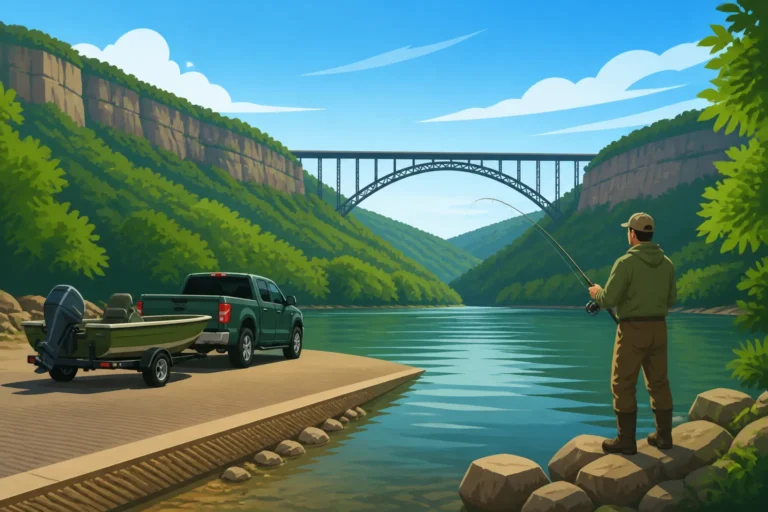
Getting onto Sutton Lake is relatively easy thanks to several well-maintained boat ramps, and there are also quite a few places for anglers who prefer to fish from the bank. For boaters, the biggest and most popular ramp is often found at the Sutton Lake Marina, which offers ample parking and facilities. Other good options include the Bee Run Recreation Area and the Holly Gray Park access. These ramps provide easy access to different parts of the lake, allowing anglers to choose their starting point based on their target species or preferred fishing style. It's always a good idea to check conditions before heading out, especially regarding water levels, as they can impact ramp usability.
For those without a boat, don't despair! Sutton Lake offers more shoreline access than many other reservoirs in the state. The Bee Run Day Use Area and the Gerald R. Freeman Campground both offer excellent bank fishing opportunities, with easy access to good crappie and panfish habitat, and sometimes even cruising bass. The area around the dam itself, including below it (the tailwaters of the Elk River), can also provide unique fishing opportunities, especially for trout that are stocked there. Always respect private property and designated access points, and be sure you understand West Virginia boating laws for anglers if you're taking your own vessel out.
Seasonal Fishing Guide for Sutton Lake
Fishing success on Sutton Lake, like any dynamic body of water, is heavily influenced by the changing seasons. Fish behavior, location, and preferred baits shift dramatically throughout the year. Understanding these seasonal patterns is key to consistently catching fish, rather than just relying on luck.
Spring: Pre-Spawn Frenzy
Spring at Sutton Lake is a time of awakening, both for the lake itself and for the fish within it. As water temperatures begin to rise from the chilly winter lows, fish become increasingly active, moving from their deep winter haunts to shallower waters in preparation for spawning. This pre-spawn period is often characterized by aggressive feeding as fish gorge themselves to build energy reserves.
Largemouth and smallmouth bass will move towards rocky points, creek channels, and warming coves, becoming highly susceptible to crankbaits, jerkbaits, and spinnerbaits. Crappie will stage in brush piles near shallower flats before moving right to the banks to spawn, where small jigs and minnows are deadly. Hybrid striped bass will also become more active, chasing baitfish schools in the main lake and around warmer embayments. This is a prime time for targeting a variety of species, as many are concentrated and actively feeding. Don't forget to check the specific West Virginia fishing season dates and closures for different species, as some may have restrictions during this crucial period.
Summer: Deep Water Strategies
Summer brings higher water temperatures, and with it, a shift in fish behavior on Sutton Lake. Many species, especially walleye and hybrid striped bass, will retreat to deeper, cooler, and more oxygenated waters. The heat can make fishing challenging, but it also presents unique opportunities for those willing to adapt their strategies.
Targeting suspended fish in the main lake basin becomes paramount. Trolling deep-diving crankbaits or vertically jigging spoons and heavy swimbaits can be incredibly effective for hybrid stripers and walleye. Look for thermoclines on your fish finder, as fish often stack up just above or within this layer. Bass, particularly largemouth, will seek out shade and cover, moving to deeper submerged timber, docks, or brush piles during the day, and becoming active on topwater lures during low-light hours. Catfish, however, thrive in the warm summer water and become very active, making night fishing with cut bait or stink baits a fantastic option in the deeper channels and holes. When planning a summer trip, consulting a platform like FishingBooker might reveal local guides who specialize in these deep-water tactics.
Fall: Feeding Blitz
As summer transitions into fall, Sutton Lake undergoes another significant change that benefits anglers: the fish enter a major feeding period. The cooling water temperatures signal that winter is approaching, and most species will aggressively feed to put on weight. This makes fall one of the most productive times of year to fish the lake.
Hybrid stripers and walleye will often move shallower, chasing baitfish that are themselves moving into coves and shallower flats. Trolling, casting spoons, or working topwater lures over schooling fish can be explosive. Bass, both largemouth and smallmouth, become incredibly active, feeding heavily on crawfish and baitfish. Crankbaits, jigs, and slow-rolled spinnerbaits are excellent choices as they patrol rocky points, main lake flats, and timbered coves. Crappie will also stage in brush piles and move to shallower depths as the water cools, providing excellent jigging and minnow fishing opportunities. The fall colors reflecting on the water only add to the beauty of a successful fishing trip during this season.
Winter: Hardwater Opportunities
While not as famous for ice fishing as some northern states, West Virginia does offer hardwater opportunities on lakes like Sutton when conditions allow. For adventurous anglers, winter can be a surprisingly productive time, especially for panfish and even some of the deeper-dwelling species.
When the ice is thick enough and safe (always check local conditions and exercise extreme caution), crappie and bluegill can be caught through the ice using tiny jigs tipped with wax worms or minnows. Focus on brush piles, humps, and submerged timber. Walleye can also be targeted with jigging spoons or small jigs fished near the bottom in deeper sections of the lake. While less common, brave anglers might even hook a winter hybrid striped bass by jigging vertically over deep schools. Of course, safety is paramount for ice fishing, and warm, protective gear is a must. If ice fishing isn't an option, open-water fishing during mild winter days can still yield results, especially for catfish and deep-dwelling walleye.
Tips for a Successful Sutton Lake Fishing Trip
Embarking on a fishing adventure to Sutton Lake, or any new body of water, comes with its own set of challenges and opportunities. To maximize your chances of success and ensure a smooth, enjoyable trip, a little preparation and insider knowledge go a long way. Let's talk about getting your gear in order and understanding the rules.
Gear and Tackle Recommendations
Having the right gear is crucial for tackling the diverse fishing opportunities at Sutton Lake. Since you might be targeting anything from panfish to powerful hybrid stripers, a versatile setup or a few specialized combos are recommended. For general-purpose fishing, a medium-action spinning rod (6'6" to 7'0") spooled with 8-10 lb fluorocarbon or braided line with a fluorocarbon leader will handle most bass, crappie, and smaller hybrids.
If you're serious about the hybrid striped bass, step up to a medium-heavy baitcasting or spinning rod (7'0" to 7'6") with 15-20 lb braid and a strong fluorocarbon leader. This will provide the backbone needed for their fierce runs. Lure-wise, pack a variety: deep-diving crankbaits (shad patterns are key), topwater lures (poppers, walking baits), jigs (1/4 to 1 oz for bass and hybrids, tiny 1/16 oz for crappie), and soft plastics (worms, tubes, swimbaits). Don't forget live bait: minnows for crappie, shiners or gizzard shad for hybrids, and nightcrawlers or cut bait for catfish. A good tackle box setup for West Virginia anglers should always include a diverse selection to be prepared for anything. Also, consider a portable fish finder, even a basic one, to help locate baitfish and structure, especially for walleye and hybrid stripers.
Navigating Lake Rules and Regulations
Before you even make your first cast, it's absolutely vital to be familiar with the specific rules and regulations for fishing on Sutton Lake and within West Virginia generally. These regulations are in place to ensure the health of the fishery and sustainable angling for everyone. First and foremost, you will need a valid West Virginia fishing license. If you're a resident, ensure you have your Class B resident license; non-residents will need a Class F nonresident license or a short-term permit. Remember that a separate trout stamp might be required if you plan on fishing for trout in any stocked tailwaters below the dam. You can find comprehensive details in our West Virginia Fishing Regulations Explained guide.
Beyond the license, pay close attention to species-specific regulations. These include daily creel (bag) limits, possession limits, and minimum length requirements. For example, hybrid striped bass often have a specific slot limit or daily creel. Crappie and bass limits also vary, so always consult the latest West Virginia Fishing Regulations Summary, which is available online through the West Virginia Division of Natural Resources (WVDNR). If you're using a boat, be sure to adhere to all West Virginia boating laws for anglers, including registration requirements and life jacket requirements for boaters. Ignoring these rules can lead to fines and a spoiled trip, so take the time to read up!
Disclaimer
Please be aware that fishing conditions and regulations can change frequently. Always consult the latest West Virginia Division of Natural Resources (WVDNR) official regulations before heading out on any fishing trip. This guide is for informational purposes only and does not supersede state or federal laws. Fish responsibly and safely.