West Virginia Class F nonresident license details
Navigating the myriad of fishing regulations in a new state can feel like trying to untangle a stubborn fishing knot, especially when you're just visiting. For our friends who don't call the Mountain State home but long to cast a line in its beautiful waters, understanding which license you need is the first crucial step. This guide is dedicated to demystifying the West Virginia Class F nonresident fishing license, ensuring you're fully informed and ready for a stress-free angling adventure.
Understanding the West Virginia Class F Nonresident Fishing License
When you're planning a fishing trip to West Virginia from out of state, one of the most common questions is, "Which license do I actually need?" For many, especially those who plan to visit multiple times a year or stay for an extended period, the Class F Nonresident Fishing License is the go-to option. It's designed specifically for individuals who reside outside West Virginia but want to enjoy the state's incredible fishing opportunities for a full license year.
What the Class F License Entails
The Class F license is West Virginia's annual nonresident fishing permit. Unlike shorter-term options, this license provides you with the privilege to fish in West Virginia's public waters for an entire license year, which typically runs from January 1st to December 31st. This means that once you purchase your Class F, you're covered for all general fishing throughout that calendar year, regardless of how many trips you make or how long each stay is within that period. It's the most comprehensive choice for a nonresident who frequently visits or plans to spend significant time exploring different fishing spots across the state, from the tranquil streams of the Monongahela National Forest to the mighty Ohio River.
Having an annual license simplifies things immensely. Imagine not having to worry about buying a new permit every time you cross the state line. You can just grab your gear and go. This makes the Class F an excellent investment if you anticipate more than a couple of short trips, as its cost can quickly become more economical than repeatedly purchasing short-term permits.
Who Needs a Class F License?
Essentially, any individual aged 15 or older who does not meet West Virginia's residency requirements will need some form of nonresident fishing license to legally fish in the state. The Class F is for those nonresidents who prefer an annual option. West Virginia has clear definitions for what constitutes a resident versus a nonresident for licensing purposes. Generally, a resident is someone who has lived in the state for at least 30 consecutive days immediately prior to applying for a license and intends to make West Virginia their permanent home. If you don't fit that description, you're considered a nonresident, and the Class F license (or one of its shorter-term counterparts) is what you'll need.
It's important to understand the distinctions, especially if you're a college student attending a West Virginia university but maintain a permanent address elsewhere, or if you own property in the state but don't reside there full-time. These scenarios often lead to confusion, but the general rule of thumb for fishing licenses leans heavily on your primary, permanent domicile. To get a full picture of who needs a license and at what age, you might find our guide on West Virginia Fishing License Age Requirements particularly helpful.
What Species and Waters are Covered?
The beauty of the Class F nonresident fishing license is its broad coverage. With this license in hand, you are permitted to pursue almost all freshwater fish species found in West Virginia's public waters. This includes popular targets like smallmouth bass in the New River, largemouth bass in our numerous lakes, various panfish, catfish, and even the elusive muskie. From the smallest mountain streams to the largest reservoirs and sections of the Ohio River that fall under West Virginia's jurisdiction, your Class F license generally grants you access.
However, it's crucial to understand that while the Class F covers the general act of fishing, it doesn't automatically cover all types of fishing or all waters. Just like with resident licenses, there are specific stamps and endorsements that might be required depending on what you're fishing for and where. For instance, if you plan to target trout, you'll need an additional trout stamp. We'll dive deeper into these specifics shortly, but for general fishing, the Class F is your comprehensive baseline.
Eligibility and Specific Requirements for Nonresidents
Determining your eligibility for a Class F nonresident license is straightforward once you understand West Virginia's definition of residency. It's not just about where you currently are, but where your primary home is and where you intend to reside long-term.
Defining "Nonresident" for West Virginia Fishing
The West Virginia Division of Natural Resources (WVDNR) considers you a nonresident if you don't meet the criteria for a resident license. This typically means you haven't continuously resided in the state for at least 30 days immediately preceding your application, and West Virginia isn't your permanent, legal domicile. It’s a pretty standard definition across many states. This definition impacts everything from the cost of your license to the types of licenses available to you. Understanding these nuances is essential, and you can delve into more detail about West Virginia residency requirements for a fishing license to ensure you're correctly categorized.
For example, if you visit your cabin in West Virginia every summer for two months but primarily live and work in Ohio, you are still a nonresident. Your primary residence, as determined by voter registration, income tax filings, and vehicle registration, would be outside West Virginia. This distinction is important because it dictates which license class you can purchase and helps fund conservation efforts appropriately based on where anglers reside.
Special Nonresident Situations
While the general rule is clear, West Virginia does acknowledge a few specific situations that can affect nonresident licensing. One common scenario involves out-of-state college students. Even if you're attending a West Virginia university for several years, you're generally still considered a nonresident for fishing license purposes unless you take specific steps to establish permanent residency. However, some states offer special student licenses; it's always worth checking the most current regulations for any specific provisions for students, but typically, an out-of-state student would fall under the nonresident category. You can learn more about West Virginia out-of-state college student fishing license rules to see if any specific provisions apply.
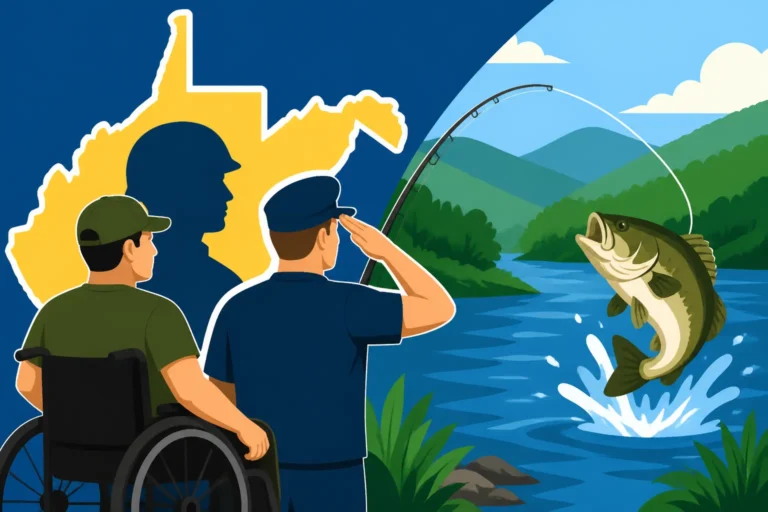
Another important group is active-duty military personnel. If you are active-duty military and permanently stationed in West Virginia, you (and your dependents) may be eligible for resident licenses, regardless of your state of origin. This is a common courtesy extended to those serving our country, recognizing their temporary relocation for service. However, if you're active-duty military but not permanently stationed in West Virginia, you would still be considered a nonresident for licensing purposes.
Comparing Class F with Other Nonresident Options
The Class F is an annual license, but it's not the only option for nonresidents. West Virginia also offers short-term permits that might be more suitable depending on the length and frequency of your visits. For instance, there are 1-Day and 3-Day Nonresident Fishing Permits available. These are ideal for a quick weekend trip or a spontaneous day on the water.
Let's break down the general characteristics of these options in a table to give you a clearer picture:
| License Type | Duration | Best For | Typical Coverage | Additional Stamps Required? |
|---|---|---|---|---|
| Class F | Full Calendar Year | Frequent visitors, extended stays | General freshwater fishing | Yes, for trout, etc. |
| Class P | 1 Day | Single day trips, testing waters | General freshwater fishing | Yes, for trout, etc. |
| Class P1 | 3 Consecutive Days | Weekend trips, short vacations | General freshwater fishing | Yes, for trout, etc. |
| Class P2 | 7 Consecutive Days | Week-long vacations | General freshwater fishing | Yes, for trout, etc. |
| Class LL | Lifetime | Anglers committed to WV, long-term | General freshwater fishing | Yes, for trout, etc. |
Note: The Class P2 (7-day) is less common and may not always be universally available, but 1-Day and 3-Day options are standard. Lifetime licenses for nonresidents are generally not available; the "Lifetime" option is often for residents only or has very specific and limited nonresident criteria, so it's critical to verify current regulations.
As you can see, the Class F really shines for those who plan to make West Virginia a regular fishing destination throughout the year. If you only anticipate one or two short trips, the 1-day or 3-day permits might save you a bit of money upfront. However, if you envision yourself enjoying the state's diverse fishing seasons – from spring trout to summer bass and fall muskie – the annual Class F quickly becomes the most cost-effective and convenient choice. For a detailed look at the short-term options, check out our guide on West Virginia 1-Day and 3-Day Nonresident Fishing Permits.
Purchasing and Carrying Your Class F License
Once you've decided the Class F is the right choice for your West Virginia fishing adventures, the next step is actually acquiring it. Thankfully, the WVDNR has made this process quite accessible, offering both online and in-person options.
How to Buy Your License
The most convenient way for many nonresidents to purchase their Class F license is online through the official WVDNR licensing system. This digital portal, often found on WVhunt.com, allows you to complete the entire transaction from the comfort of your home, print your license, or save a digital copy to your phone. It's a quick and efficient method, especially if you're planning your trip last minute or prefer not to worry about finding a vendor upon arrival. Our guide on how to buy a West Virginia fishing license online provides a step-by-step walkthrough of this process.
Alternatively, you can purchase your license in person at various authorized license agents across West Virginia. These agents often include sporting goods stores, bait shops, county clerks' offices, and other retail locations. While this option requires a physical stop, it can be useful if you have questions or prefer to speak with someone directly, or if you also need to pick up some local bait and tackle.
Required Documents and Information
When purchasing your Class F license, whether online or in person, you'll generally need to provide some basic personal information. This typically includes:
- Your full name
- Current address (outside West Virginia)
- Date of birth
- Height, weight, and eye color
- A valid form of identification, often a driver's license number or state ID.
Make sure all information is accurate and matches your identification. Any discrepancies could lead to issues if you're ever checked by a conservation officer.
Digital vs. Physical License: What to Carry
In this digital age, West Virginia allows anglers to carry either a printed copy of their license or a digital version on a smartphone or other electronic device. This is a huge convenience! You no longer have to worry about a paper license getting soggy or lost in the rain. Just make sure your device is charged and accessible, as you must be able to present your license upon request by a conservation officer.
However, many anglers still prefer a physical copy as a backup, especially in areas with spotty cell service or if they’re concerned about battery life. If you do print it, consider laminating it or placing it in a waterproof holder – something easily found on platforms like Amazon – to protect it from the elements. You can find more details about your options in our article on Printing or Carrying a Digital Fishing License in West Virginia.
Additional Stamps and Permits: Don't Forget the Details!
While the Class F license covers general fishing, there are two common additional stamps nonresidents often need to consider:
- West Virginia Conservation Stamp: This stamp is mandatory for almost all annual license holders, including nonresidents with a Class F. It’s a vital component of funding West Virginia’s wildlife and conservation efforts. There are very few exemptions for this stamp, so for most Class F holders, it will be a required add-on. For a deeper understanding of this crucial component, be sure to read West Virginia's Conservation Stamp, Explained.
- West Virginia Trout Stamp: If your fishing plans include targeting trout in any of West Virginia's designated trout waters, you will absolutely need a trout stamp in addition to your Class F and Conservation Stamp. This applies whether you're fly fishing in a pristine mountain stream or bait fishing at a stocked lake. The revenue generated from trout stamps directly supports the WVDNR's extensive trout stocking program, which provides incredible opportunities for anglers across the state. Without this stamp, fishing for or possessing trout is illegal. For comprehensive information on trout regulations and the stamp, consult Trout Stamps and Trout Fishing Rules in West Virginia.
Remember, it's not just about having the Class F, but ensuring you have all necessary endorsements for the specific type of fishing you plan to do. Always double-check the current regulations before heading out.
What the Class F Doesn't Cover and Additional Permits
While the Class F nonresident fishing license is comprehensive for general freshwater fishing, it's not an all-encompassing pass for every single angling activity or location in West Virginia. There are specific situations where additional permits, stamps, or knowledge of special regulations become absolutely necessary. Overlooking these details can quickly turn a peaceful fishing trip into a frustrating encounter with the law.
Beyond the Basic Stamps: Special Regulation Waters
West Virginia boasts an incredible diversity of fishing experiences, including many "special regulation waters." These are specific lakes, rivers, or stream sections that have unique rules regarding tackle, bait, harvest limits, or even catch-and-release requirements. These special regulations are often implemented to protect sensitive fish populations, create trophy fisheries, or enhance specific angling experiences, such as fly-fishing-only sections.
For example, areas like certain sections of the Cranberry River or Shavers Fork might have strict catch-and-release policies for trout, require artificial lures only, or have specific size restrictions. Your Class F license permits you to fish in these areas, but you must abide by the additional, often more stringent, rules of that specific water body. Not knowing these can lead to fines, even if you have a valid Class F and trout stamp. It's always a good idea to consult the WVDNR fishing regulations summary for a detailed list of these areas and their specific rules before you visit. Our guide on Special Regulation Waters in West Virginia can help you navigate these unique locations.
Boating Regulations and Permits
If your fishing plans involve using a boat – whether it's a small jon boat, a kayak, or a larger powerboat – your Class F fishing license does not cover the legal requirements for operating your vessel. West Virginia has its own set of boating laws, including registration requirements for motorized boats and even some non-motorized vessels, as well as specific safety equipment mandates.
For instance, all motorized boats must be registered and titled in West Virginia, and out-of-state registrations might have reciprocity rules. There are also specific life jacket requirements, especially for children, and boater education certificate requirements based on age. It's crucial to understand these rules to avoid citations on the water. Before you launch, be sure to familiarize yourself with West Virginia Boating Laws for Anglers, which covers everything from registration to safety equipment. You wouldn't want your fishing trip to be cut short because you didn't have the right safety gear or your boat wasn't properly registered.
National Park Fishing Rules
West Virginia is home to some incredible natural treasures, including the New River Gorge National Park and Preserve. While your state Class F license is generally valid within the park, national parks often have their own set of specific fishing regulations that might either supplement or supersede state regulations. These can include restrictions on certain areas, bait types, or species limits unique to the park's management plan.
Always check the National Park Service's specific fishing guidelines for the New River Gorge or any other national recreation area you plan to visit. While the Class F is your entry to fishing, the park's rules are the fine print that ensures you're fishing responsibly and legally within its boundaries. It's a layer of regulations many anglers overlook, so a quick check beforehand can save a lot of trouble. You can often find park-specific regulations on their official websites or at visitor centers. For exploring the park, having a good physical map and a local fishing guide, perhaps picked up from Amazon, can be incredibly helpful.
Penalties for Non-Compliance and Responsible Angling
No one wants their fishing trip to end with a citation, and understanding the West Virginia Class F nonresident license details is your best defense against that. Fishing without the proper license or violating regulations can lead to serious consequences that far outweigh the cost of a license.
The Cost of Fishing Without a License
Fishing without a valid license, or without the necessary stamps (like a trout stamp if you're targeting trout), is a direct violation of West Virginia law. The penalties can range from significant fines to the confiscation of your fishing gear, and in some cases, even jail time. Conservation officers are tasked with enforcing these laws to protect the state's natural resources and ensure fair play among anglers. They take their job seriously, and ignorance of the law is generally not considered an acceptable excuse. Imagine driving all the way to West Virginia, getting excited to fish, and then having your day ruined by a costly ticket. It's simply not worth the risk.
Each violation can incur its own fine, and these can add up quickly. For instance, if you're caught fishing for trout without a trout stamp, that's one violation. If you're also over the possession limit for another species, that's another. The financial hit can be substantial, not to mention the potential inconvenience and embarrassment. For a detailed breakdown of potential fines and legal repercussions, our article on Fishing Without a License in West Virginia: Penalties is a must-read.
The Importance of Understanding All Regulations
Beyond just the Class F license itself, it's absolutely critical to understand all of West Virginia's fishing regulations. These regulations are in place for a reason: to manage fish populations sustainably, protect endangered species, and ensure that future generations can enjoy the same incredible fishing opportunities we have today. This means being aware of:
- Bag and possession limits: How many fish of each species you can keep per day and how many you can have in your possession at any given time.
- Size limits: Minimum or maximum lengths for certain species.
- Season dates: When certain species are open or closed to harvest.
- Tackle restrictions: What types of hooks, lines, or bait are allowed in specific waters.
The WVDNR publishes an annual Fishing Regulations Summary that details all of these rules. This summary is typically available online as a PDF and often in print at license vendors. It's your responsibility as an angler to read and understand this document every year, as regulations can and do change. Carrying a copy with you, perhaps saved on your phone or in a waterproof pouch (many great options available on Amazon), is a smart move. Our guide to Reading the West Virginia Fishing Regulations Summary offers tips on how to effectively navigate this essential document.
Responsible angling goes beyond simply following the rules; it also involves ethical practices. This includes proper catch-and-release techniques to minimize harm to fish you don't intend to keep, disposing of trash properly, respecting private property boundaries, and being courteous to other anglers and outdoor enthusiasts. By understanding and adhering to all regulations, you contribute to the conservation of West Virginia's remarkable aquatic ecosystems and ensure that your fishing experiences remain positive and lawful.
Disclaimer
The information provided in this guide is intended for general informational purposes only and is subject to change. While we strive to offer accurate and up-to-date content, fishing regulations, license requirements, and fees are determined by the West Virginia Division of Natural Resources (WVDNR) and can be updated at any time. It is the responsibility of every angler to consult the most current official West Virginia Fishing Regulations Summary or contact the WVDNR directly before engaging in any fishing activities. Compliance with all applicable state and federal laws is mandatory.