West Virginia Dry Fork special regulations
It can be incredibly frustrating to plan a fishing trip, only to arrive at your destination and realize the rules are completely different from what you expected. West Virginia is full of amazing fishing opportunities, but some of its most pristine waters, like Dry Fork, come with their own unique set of regulations designed to protect their special ecosystems and enhance the fishing experience. This guide will walk you through everything you need to know about fishing the Dry Fork, ensuring you're fully prepared and compliant.
Understanding the Special Nature of Dry Fork Regulations
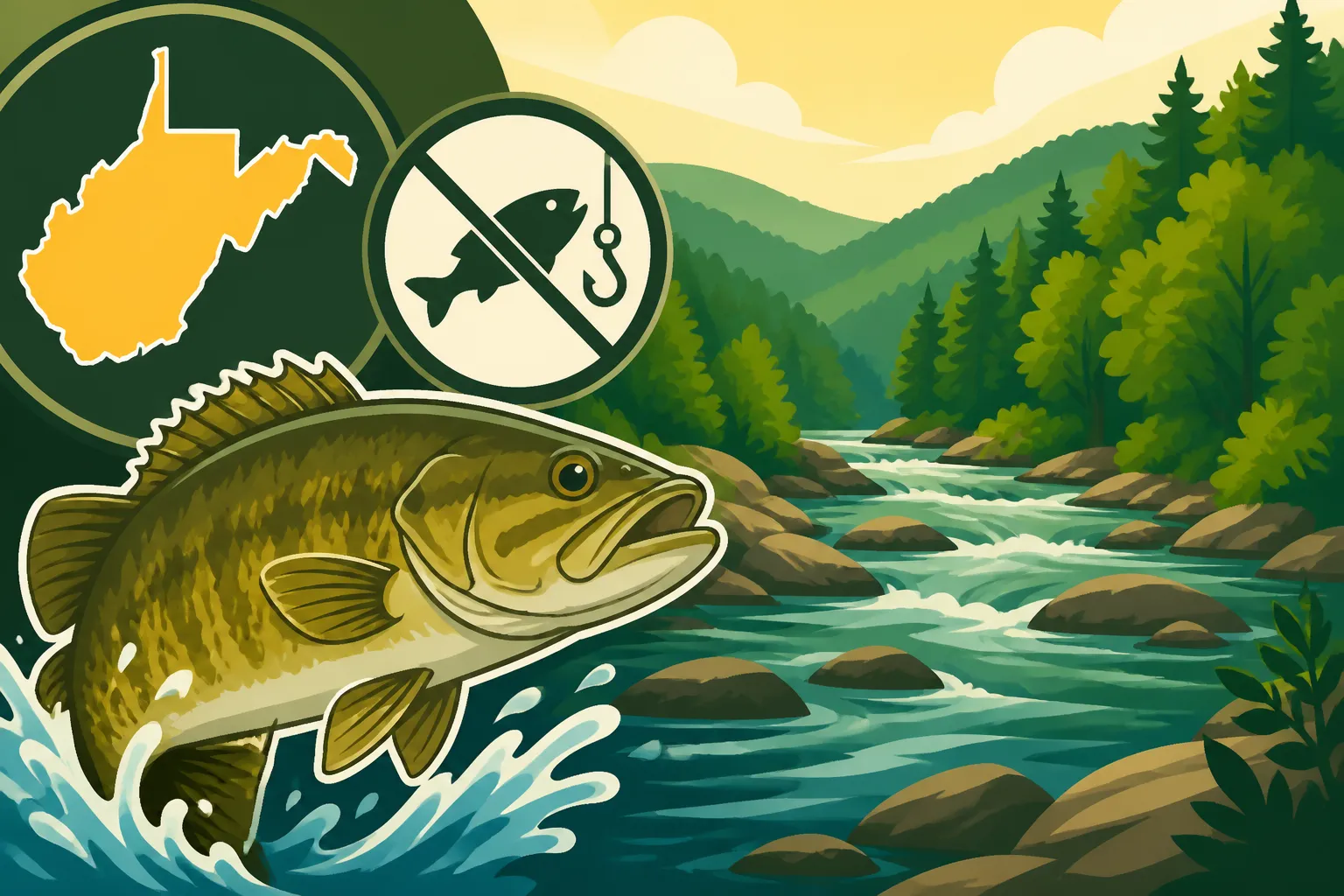
Dry Fork is not just any trout stream; it's a designated "catch and release" trophy trout water, and that designation comes with a very specific set of rules. Unlike many other stocked streams where you might keep a few fish for dinner, the focus here is entirely on conservation and creating an environment where trout can grow to impressive sizes and offer a challenging, rewarding angling experience. This commitment to catch and release fishing helps maintain a healthy population of larger, wilder-acting trout, making it a truly special place for serious anglers.
Why Dry Fork Has Unique Rules
The West Virginia Division of Natural Resources (WVDNR) implements these special regulations for several key reasons. Firstly, it's about protecting the natural resource. By limiting harvest and mandating specific gear, they reduce fishing pressure and allow fish to mature. This is especially important for waters that may have a mix of stocked and wild fish, ensuring the wild populations have the best chance to thrive. Secondly, it's about quality. Anglers who seek out waters like Dry Fork are often looking for a specific type of experience—one that involves challenging fish in a beautiful setting, where the goal isn't just quantity, but the size and fight of each fish. These regulations cater to that desire, ensuring that when you hook into a fish on Dry Fork, there's a good chance it's a substantial one. Finally, it helps manage the ecosystem. A robust, well-maintained fish population contributes to the overall health of the stream, impacting insect life, riparian zones, and other wildlife.
The Role of Catch and Release in Conservation
Catch and release isn't just a suggestion on Dry Fork; it's the law. This practice is foundational to sustaining the fishery. It means that every fish you catch must be returned to the water immediately and with the least amount of harm possible. For many anglers, this is a deeply ingrained ethic, but for newcomers or those used to "put and take" fisheries, it requires a different mindset. The thrill comes from the chase, the fight, and the careful handling and release of a magnificent fish, knowing it will continue to grow and provide sport for others. It directly contributes to the stream's ability to produce Trophy trout section of the South Branch Potomac and other large, memorable fish.
Specific Rules for Fishing Dry Fork
When you plan your trip to Dry Fork, you'll need to know the exact regulations inside and out. These aren't just guidelines; they are legally binding rules designed to ensure the health of the fishery and the quality of the fishing experience. Disregarding them can lead to significant penalties, as outlined in the general West Virginia Fishing Regulations Explained.
Gear Restrictions and Bait Limitations
One of the most critical aspects of Dry Fork's special regulations revolves around what you can and cannot use. Typically, these waters are designated as "artificial lures and flies only" with "single, barbless hooks." This isn't arbitrary; it's directly tied to the catch and release philosophy.
- Artificial Lures and Flies Only: This means no live bait, no powerbait, no corn, no worms, no salmon eggs, no dough balls. You're limited to flies, spinners, spoons, and other artificial presentations. The reasoning is that artificial baits are less likely to be deeply swallowed by a fish, increasing its chances of survival upon release. It also adds a layer of challenge, requiring anglers to "match the hatch" or understand artificial presentation techniques.
- Single, Barbless Hooks: This is paramount for minimizing harm. A single hook, rather than a treble hook, does less damage. Barbless hooks allow for much easier and quicker hook removal, often without the need for tools, reducing the time the fish is out of water and minimizing tissue damage. If your hooks come barbed, you must pinch down the barb with pliers. This is a common practice for serious fly anglers, as detailed in many Fly Fishing for Trout in West Virginia guides.
Catch and Release Mandates
As mentioned, every fish caught in Dry Fork must be immediately released. There is no creel limit because no fish can be kept. This means:
- Zero Retention: You cannot possess any trout, regardless of size or species, while fishing in the special regulation section of Dry Fork. This includes brook trout, rainbow trout, and brown trout.
- Immediate Release: As soon as you land a fish, you must unhook it quickly and gently, preferably without removing it from the water, and allow it to swim away. Minimizing handling and keeping the fish submerged as much as possible dramatically increases its survival rate.
- No Culling: You cannot catch a fish, keep it in a livewell or on a stringer, and then decide later to release it for a bigger fish. The "release" must be immediate.
Here's a quick comparison of general trout regulations vs. Dry Fork:
| Feature | General West Virginia Trout Stream | Dry Fork (Special Regulations) |
|---|---|---|
| Bait Allowed | Live bait, PowerBait, artificial lures, flies | Artificial lures and flies ONLY |
| Hook Type | Barbed hooks generally allowed (check specific rules) | Single, barbless hooks ONLY |
| Creel Limit (Trout) | Typically 6 trout per day (check West Virginia Bag and Possession Limits by Species) | 0 (All fish must be immediately released) |
| Possession Limit | Typically 12 trout (check West Virginia Bag and Possession Limits by Species) | 0 (No trout may be possessed) |
| Trout Stamp Required? | Yes, if keeping trout (see Trout Stamps and Trout Fishing Rules in West Virginia) | Yes, if 15 years or older, even for catch & release fishing (it's a privilege fee) |
This table clearly illustrates the stricter requirements for Dry Fork, emphasizing its unique conservation status.
Navigating Dry Fork: Access and Considerations
Knowing the rules is one thing, but actually getting out on the water and making the most of your trip requires a bit more planning. Dry Fork, like many of West Virginia's beautiful streams, flows through scenic, often remote areas. Understanding access points and what to expect is crucial for a successful and enjoyable outing. You might find some useful information about specific access points in a guide on Dry Fork trophy trout access points.
Public Access Points and Parking
Public access to Dry Fork is generally well-maintained, but parking can sometimes be limited, especially during peak seasons. You'll typically find designated parking areas along the roads that parallel the stream, often near bridges or marked trailheads. It's always a good idea to arrive early, particularly on weekends, to secure a spot. Remember to park responsibly, ensuring you don't block private driveways or access roads, and always respect private property. A little scouting beforehand using online maps or consulting local guides can save you a lot of hassle.
Wading and Stream Navigation
Dry Fork is primarily a wading stream, and navigating its currents and rocky bottom requires appropriate gear and caution. The stream bed can be uneven, slippery, and surprisingly deep in spots, especially after recent rains.
- Appropriate Footwear: Sturdy wading boots with good ankle support and felt or rubber soles designed for traction on wet rocks are essential. You can find excellent options online.
- Wading Staff: A wading staff is highly recommended, especially if you're unfamiliar with the stream or have any balance concerns. It provides an extra point of contact and can help you gauge depth and stability before taking a step.
- Current Awareness: Always be aware of the current, especially in faster sections. Cross at wider, shallower points if possible, and always face upstream when wading to maintain balance.
- Weather and Water Levels: Water levels can fluctuate significantly with rainfall. A stream that was easily wadeable last week might be roaring and dangerous after a heavy storm. Always check local weather forecasts and stream gauges before heading out. Fishing during high water can also make it harder to spot fish and present your flies effectively.
Respecting the Environment and Fellow Anglers
Dry Fork's beauty and the quality of its fishing depend heavily on everyone doing their part to keep it pristine. This means adhering to a "leave no trace" ethic.
- Pack It In, Pack It Out: Whatever you bring with you, take it back out. This includes all trash, discarded fishing line, and even fruit peels or other organic waste, which can take a long time to decompose and detract from the natural beauty.
- Stay on Trails: Where established trails exist, use them to access the stream. This minimizes erosion and protects delicate streamside vegetation.
- Give Others Space: Fishing, especially fly fishing, often requires ample casting room. Be mindful of other anglers on the water. If you see someone fishing a run, give them plenty of space and either wait for them to move or choose another section of the stream. A little courtesy goes a long way in ensuring everyone has a peaceful and productive day. This principle extends to all waters, from Cranberry River Fly Fishing to the smallest mountain rills.
Why These Regulations Matter: Conservation and Quality Fishing
These special regulations aren't put in place to make fishing harder; quite the opposite. They are a carefully considered strategy by the WVDNR to achieve specific goals: enhancing the fishing experience, promoting conservation, and preserving some of West Virginia's most unique aquatic environments. When you choose to fish Dry Fork, you're not just fishing; you're participating in a conservation effort.
Promoting a Trophy Fishery
The goal of catch and release, combined with gear restrictions, is to allow trout to grow larger than they would in a typical "put and take" fishery. In streams where harvest is allowed, fish are often caught before they reach their full growth potential. On Dry Fork, by returning fish to the water, you're giving them the chance to become truly impressive specimens. This creates a challenging and exciting environment for anglers who dream of catching a significant trout, often requiring more skill and patience. Many anglers specifically target these kinds of waters for the thrill of a big fish, whether it's Muskie Fishing in West Virginia or a trophy trout.
Protecting Native and Wild Trout Populations
While Dry Fork is regularly stocked, special regulations also play a vital role in protecting any native or wild trout that might be present. West Virginia is home to the Brook Trout: West Virginia's Native and State Fish, and these pristine mountain streams are critical habitats for them. By requiring barbless hooks and catch and release, the WVDNR helps ensure that accidental catches of wild trout are handled with the utmost care, increasing their chances of survival and reproduction. This supports the genetic integrity and long-term health of these irreplaceable wild fish populations.
Educating Anglers on Sustainable Practices
Fishing special regulation waters like Dry Fork serves as an excellent educational opportunity. It teaches anglers the importance of proper fish handling, the benefits of barbless hooks, and the satisfaction of catch and release. These skills and ethical considerations can then be applied to other fisheries, fostering a broader culture of conservation among the angling community. Many avid anglers, once they experience the rewards of a well-managed catch and release stream, become lifelong advocates for these practices. It's about ensuring that future generations can enjoy the same incredible fishing opportunities we do today, perhaps even exploring the West Virginia wild trout waters regulations.
Disclaimer
Please remember that fishing regulations can change. While this guide provides a comprehensive overview of the West Virginia Dry Fork special regulations, it is crucial to consult the most current West Virginia Fishing Regulations Summary available from the West Virginia Division of Natural Resources (WVDNR) before planning your trip. Ignorance of the law is not a defense, and penalties for violations can be significant.