West Virginia catfish daily limit
Ever find yourself out on a beautiful West Virginia lake or river, reeling in catfish after catfish, and suddenly wonder: "How many of these can I actually keep?" It's a common, valid question that can quickly turn a relaxing day into a head-scratching scramble through regulation books. This comprehensive guide is here to clear up all the confusion around the West Virginia catfish daily limit, ensuring you enjoy your time on the water without worry.
Decoding West Virginia's Catfish Daily Limits
The Mountain State offers some incredible catfish opportunities, from the mighty Ohio River to tranquil farm ponds. But with great fishing comes great responsibility, and that includes adhering to the daily creel limits set by the West Virginia Division of Natural Resources (WVDNR). These limits aren't just arbitrary numbers; they're carefully crafted to protect fish populations and ensure that future generations can enjoy the same fantastic fishing we do today. Getting a firm grasp on these numbers is essential before you head out.
Statewide Daily Limits for Major Catfish Species
In West Virginia, when we talk about catfish, we're primarily focused on three main species: Channel Catfish, Flathead Catfish, and, increasingly, Blue Catfish, especially in our larger river systems. Each of these can have specific regulations, although Channel and Blue Catfish often share similar general limits. It’s always best to consult the current regulations summary, but here’s the breakdown you generally need to know.
For most of the state's waters, the daily creel limit for Channel Catfish and Blue Catfish is a combined total of 10 fish. This means you can keep ten channel cats, ten blue cats, or any combination of the two that adds up to ten for the day. This limit is quite generous and allows anglers to bring home a good mess of fish for the dinner table. These species are abundant in many of our rivers and lakes, making them a popular target for anglers looking for both quantity and a good fight. If you’re fishing for these species, understanding Channel Catfish Habits in West Virginia Rivers can definitely improve your success.
Flathead Catfish, on the other hand, are a different story. These are often considered a trophy species, growing to immense sizes and living for many years. To protect these slow-growing giants, the daily creel limit for Flathead Catfish is typically much stricter, often set at 4 fish. Furthermore, there might be size restrictions in place for flatheads on certain waters, which means you might only be able to keep fish within a specific slot limit or above a minimum size. These regulations are designed to allow a healthy population of breeders to remain in the system, ensuring future generations of trophy fish.
Specific Water Body Regulations for Catfish
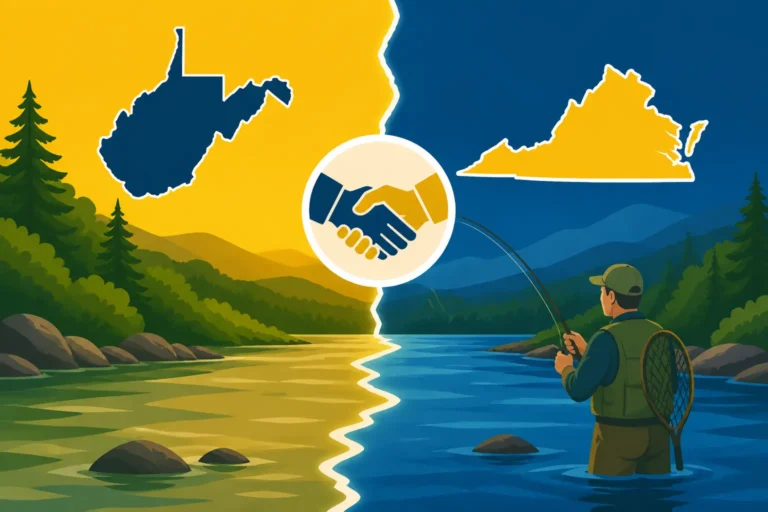
While the statewide limits provide a good baseline, West Virginia also has specific regulations for certain waters. These localized rules are crucial to know because they can override the general statewide limits. For instance, boundary waters like the Ohio River, which West Virginia shares with Ohio and Kentucky, often have reciprocal agreements or unique regulations that differ from inland West Virginia rules.
On the Ohio River, for example, West Virginia anglers need to be aware of the specific agreements. Often, if you have a valid West Virginia fishing license, you can fish the entire river from either bank up to the ordinary high-water mark of the opposite shore, as long as you comply with the regulations of the state whose license you hold. However, when it comes to species limits, it's usually the most restrictive of the two states that applies. For catfish, this means you need to check the Ohio River-specific regulations, which can sometimes involve an aggregate limit for all catfish species combined. This helps manage the shared resource effectively. Our guide on Ohio River Fishing Rules for West Virginia Anglers is an invaluable resource for navigating these complexities.
Similarly, some state park lakes or special regulation areas might have their own unique catfish limits or even catch-and-release only sections for certain species. Before you hit any specific body of water, especially one you haven't fished before, it’s always a good idea to cross-reference the statewide regulations with any localized rules. The WVDNR provides a comprehensive annual fishing regulations summary that details all these exceptions, which you can usually find at local license vendors or online as a PDF.
Here's a quick overview of the general daily limits for major catfish species in West Virginia:
| Catfish Species | General Statewide Daily Limit | Common Size Restrictions (Check Regulations) | Typical Habitat |
|---|---|---|---|
| Channel Catfish | 10 (combined with Blue Catfish) | None usually, but check specific waters | Most rivers, lakes, ponds statewide |
| Blue Catfish | 10 (combined with Channel Catfish) | None usually, but check specific waters | Ohio River, Kanawha River, larger impoundments |
| Flathead Catfish | 4 | Minimum size limits may apply | Larger rivers (Ohio, Kanawha, New), deep lakes |
The Science Behind Catfish Limits and Conservation
It might feel like just another rule to remember, but understanding the "why" behind fishing limits can really help you appreciate their importance. These regulations aren't designed to make fishing harder; they're a vital part of protecting our natural resources and ensuring that everyone gets a fair shot at a great fishing experience, now and in the future. The WVDNR fisheries biologists work tirelessly to collect data, analyze populations, and set limits that promote healthy ecosystems.
Sustaining Healthy Catfish Populations
Catfish species, particularly flatheads, grow relatively slowly and can live for many years. This makes them more susceptible to overfishing than faster-growing species. If anglers were allowed to keep an unlimited number of large flatheads, for example, it wouldn't take long before the population of mature, breeding fish would decline significantly. This would impact reproduction, leading to fewer fish for everyone in the long run.
By setting a daily limit, the WVDNR helps spread the harvest among more anglers and protects a sufficient number of fish to continue breeding. It's about maintaining a balance. For Channel Catfish and Blue Catfish, which tend to be more prolific and grow faster, the limits can be a bit more generous. However, even with these species, limits prevent a few anglers from taking an excessive number, thereby reducing the overall fishing pressure on the population. It's a fundamental aspect of sustainable management, allowing these fantastic fish to thrive in West Virginia's waters. Learning about Catfish Fishing in West Virginia can give you an even deeper appreciation for these unique fish.
Ensuring Quality Fishing Experiences
Beyond pure population numbers, regulations also aim to enhance the quality of fishing for everyone. Imagine a lake where all the biggest catfish are removed by a handful of anglers. What's left for others? Not much of a challenge, and certainly not the thrill of landing a truly large fish. Creel limits, especially those with size restrictions like potential slot limits on flatheads, help to maintain a healthy distribution of fish sizes, including those prized trophy specimens.
When larger fish are protected, they continue to grow, making for more exciting catches and contributing to the genetic diversity and strength of the population. This careful management means that the possibility of hooking a monster flathead on the Ohio River or a hefty Channel Cat in Summersville Lake remains a real possibility for every angler. It ensures that the fishing experience isn't just about catching fish, but about catching quality fish. This approach is similar to how the WVDNR manages other popular species, as detailed in our guide on West Virginia Bag and Possession Limits by Species.
Common Confusions and Staying Informed
Even with the best intentions, fishing regulations can be tricky to navigate. There are a few common misunderstandings that trip up even experienced anglers, especially when it comes to the difference between daily and possession limits or fishing in border waters. Knowing these potential pitfalls ahead of time can save you a lot of headache and ensure your fishing trip stays enjoyable and legal.
Daily Limit vs. Possession Limit
This is perhaps the most common source of confusion for anglers, and it's absolutely critical to understand the difference.
- Daily Limit (Creel Limit): This is the maximum number of fish of a particular species or aggregate group that you are allowed to catch and keep in a single calendar day (from midnight to midnight). So, if the daily limit for Channel Catfish is 10, you can keep 10 between 12:00 AM and 11:59 PM.
- Possession Limit: This is the maximum number of fish of a particular species or aggregate group that you can have in your possession at any given time, regardless of how many days you've been fishing. This includes fish in your livewell, cooler, vehicle, at your campsite, or even in your home if they haven't been processed (e.g., filleted and frozen). In West Virginia, the possession limit for most species is typically twice the daily creel limit.
Let's illustrate with an example: If the daily limit for Channel Catfish is 10, the possession limit is 20. If you fish on Monday and keep 10 Channel Catfish, you've met your daily limit. If you decide to go fishing again on Tuesday, you can catch another 10. However, if you haven't processed (filleted, packaged, and frozen) the fish from Monday, and they are still "in your possession" (e.g., in a cooler in your truck, or at your cabin), then on Tuesday, you would only be allowed to keep 10 more fish before hitting your possession limit of 20. If you keep 10 on Monday, and then process them (say, fillet them and put them in your freezer at home or camp), then on Tuesday, you can go out and catch another 10, starting your possession count fresh for that day's catch. This distinction is vital for multi-day fishing trips or when you're storing fish at a remote camp. Always ensure your catches are properly identified to species, especially before processing, as discussed in Catfish Species Identification Guide for West Virginia.
Navigating Boundary Waters and Special Regulations
Fishing boundary waters like the Ohio River or those bordering other states like Virginia, Kentucky, Pennsylvania, or Maryland requires extra diligence. As mentioned, reciprocal agreements often exist, meaning your West Virginia license might be valid across the shared water. However, the catch limits can vary, and it's often prudent to adhere to the most restrictive limit between the two states to avoid any issues. Always check the specific regulations for the particular body of water you're fishing. For instance, our guide on West Virginia Fishing Regulations Explained covers general rules, but specific sections often detail boundary water nuances.
Even within West Virginia, some lakes or river sections might have unique rules. For example, certain sections of rivers managed for specific species might have different daily limits or size restrictions for everything, including catfish. These areas are typically highlighted in the WVDNR fishing regulations summary. A good example might be an area managed for trophy bass where other species limits could be adjusted to support that primary goal.
Your Go-To Sources for Current Information
The most reliable source for up-to-date West Virginia fishing regulations is always the West Virginia Division of Natural Resources (WVDNR).
- Official WVDNR Website: The WVDNR's website is continuously updated and provides access to the latest fishing regulations. You can often download a PDF version of the current year's fishing regulations summary.
- Annual Fishing Regulations Summary: This small booklet is a lifesaver. It's printed annually and available at most places where you can buy a fishing license, such as bait shops, sporting goods stores, and many convenience stores across the state. It's a good practice to grab a new one each year, as rules can change. You can also find these summary booklets available for purchase online through retailers like Amazon, which is a handy way to get one delivered if you can't find it locally.
- WVDNR Mobile App (WVhunt): The WVhunt app often includes a digital copy of the regulations, making them easily accessible on your phone while you're out on the water. It's an excellent tool for quick look-ups. If you're wondering How to Buy a Fishing License on WVhunt.com, that guide can also help you navigate the app's features.
- Local Bait and Tackle Shops: The folks who run these shops are often seasoned anglers themselves and can provide invaluable local knowledge about regulations specific to the waters in their area. They're also great resources for tips on How to Catch Catfish in West Virginia Lakes or Best Catfish Bait for the Kanawha River.
Before every fishing trip, especially if you're venturing to a new body of water or it's a new fishing season, take a few minutes to review the current regulations. A small investment of your time can prevent potential fines and ensure you're contributing to the conservation efforts that make West Virginia such an amazing place to fish.
Disclaimer
Please note that fishing regulations are subject to change. While this guide provides comprehensive information based on current typical West Virginia regulations, it is your responsibility to consult the most recent official West Virginia Division of Natural Resources fishing regulations summary before engaging in any fishing activities. This article is for informational purposes only and does not constitute legal advice.