West Virginia panfish limit for bluegill and crappie
It can be incredibly frustrating to head out for a relaxing day of panfishing in West Virginia, only to second-guess whether you're staying within the legal limits for your catch. Confusing regulations and different rules for various species often lead to anxiety about unknowingly breaking the law. This comprehensive guide will meticulously break down the specific daily creel and possession limits for bluegill and crappie across West Virginia waters, ensuring you can enjoy your time on the water with confidence.
Understanding West Virginia's General Panfish Regulations
Why Panfish Limits Exist
The concept of daily limits on fish, often called creel limits, isn't just a bureaucratic hurdle designed to make your life difficult. These regulations are a cornerstone of fisheries management, put in place by the West Virginia Division of Natural Resources (WV DNR) to ensure the long-term health and sustainability of our cherished fish populations. Think about it: without limits, anglers could potentially deplete local fish stocks, particularly for popular, easy-to-catch species like bluegill and crappie, which reproduce relatively quickly but are also highly sought after.
Overfishing can lead to smaller average fish sizes, reduced spawning success, and an overall decline in the quality of fishing for everyone. By setting sensible limits, the WV DNR aims to strike a balance, allowing anglers to harvest a reasonable amount for personal consumption while safeguarding the future of the fishery. It's about preserving the natural resource so that future generations of West Virginia anglers can enjoy the same opportunities we have today. This commitment to conservation is why understanding rules like the specific West Virginia panfish limit for bluegill and crappie is so crucial.
Key Terms to Know: Daily Creel vs. Possession Limit
Before we dive into the exact numbers, it's essential to understand two critical terms that often trip up anglers: "daily creel limit" and "possession limit." These aren't interchangeable, and knowing the difference is vital for staying within the law.
Daily Creel Limit: This refers to the maximum number of fish of a particular species or aggregate group that an individual angler can legally keep in a single day, from midnight to midnight. Once you've caught and kept your daily limit, you must stop fishing for that species for the remainder of the day, or switch to catch-and-release fishing for that species. It doesn't matter if you throw some back later; once they're "creeled" (kept), they count towards your daily total.
For instance, if the daily limit for crappie is 30, you can keep 30 crappie between 12:00 AM and 11:59 PM. If you catch 31, that 31st fish must be immediately released unharmed. It's a hard and fast rule that resets each day.
Possession Limit: This is the total number of fish of a particular species or aggregate group that an individual can have in their possession at any given time, whether on the boat, in your vehicle, at your camp, or at home. In West Virginia, the possession limit for most species is typically equivalent to the daily creel limit. However, it's important to remember that if you're on a multi-day trip, your possession limit is not cumulative. You can't catch a limit on Monday and another limit on Tuesday and possess two limits unless specific regulations allow for it (which is rare for panfish).
The general rule of thumb is: you can never possess more than one day's legal limit per species unless explicitly stated otherwise. This distinction is crucial, especially for those who might be traveling and keeping fish for an extended period. For a deeper dive into the broader rules, you can always check out our guide on West Virginia Bag and Possession Limits by Species.
Specific Limits for Bluegill and Crappie in West Virginia
Navigating the regulations for panfish can feel like trying to untangle a bird's nest of fishing line, but for bluegill and crappie in West Virginia, it's actually quite straightforward for most waters. The WV DNR aims for simplicity where possible, especially for these widespread and abundant species.
Bluegill and Other Sunfish Regulations
When we talk about "bluegill," we're often thinking about that classic, feisty little sunfish that's so much fun to catch on light tackle. In West Virginia, the regulations for bluegill typically apply to the aggregate of sunfish species, which often includes bluegill, pumpkinseed, green sunfish, and redbreast sunfish. This means you don't need to be an expert in sunfish identification for each and every fish you catch and keep, which is a huge relief for many anglers.
For the vast majority of West Virginia's public waters, including lakes, ponds, and rivers, the daily creel limit for sunfish (including bluegill) is 50 fish. Yes, you read that right – 50! This generous limit reflects the abundance and prolific breeding habits of these species. They are often a primary forage fish for larger predators, and their populations can rebound quickly.
The possession limit is also 50, meaning you can't have more than 50 sunfish in your cooler, livewell, or at home from a single fishing trip at any given time. There are generally no size restrictions for bluegill or other sunfish, so anything you catch is typically legal to keep, as long as you stay within that 50-fish daily and possession limit.
It's important to always consult the official West Virginia Fishing Regulations Explained summary, which you can often find online or at local tackle shops, as there can occasionally be very specific, localized regulations for certain waters. However, for most of the state, the 50-fish aggregate limit holds true for bluegill and other sunfish.
Crappie Daily and Possession Limits
Crappie, whether black crappie or white crappie, are another incredibly popular panfish species in West Virginia, prized for their delicious white meat and sporting fight. Anglers often target them in spring around spawning structures or in deeper water during other seasons. Just like with bluegill, the WV DNR has set clear, and often consistent, limits for crappie throughout the state.
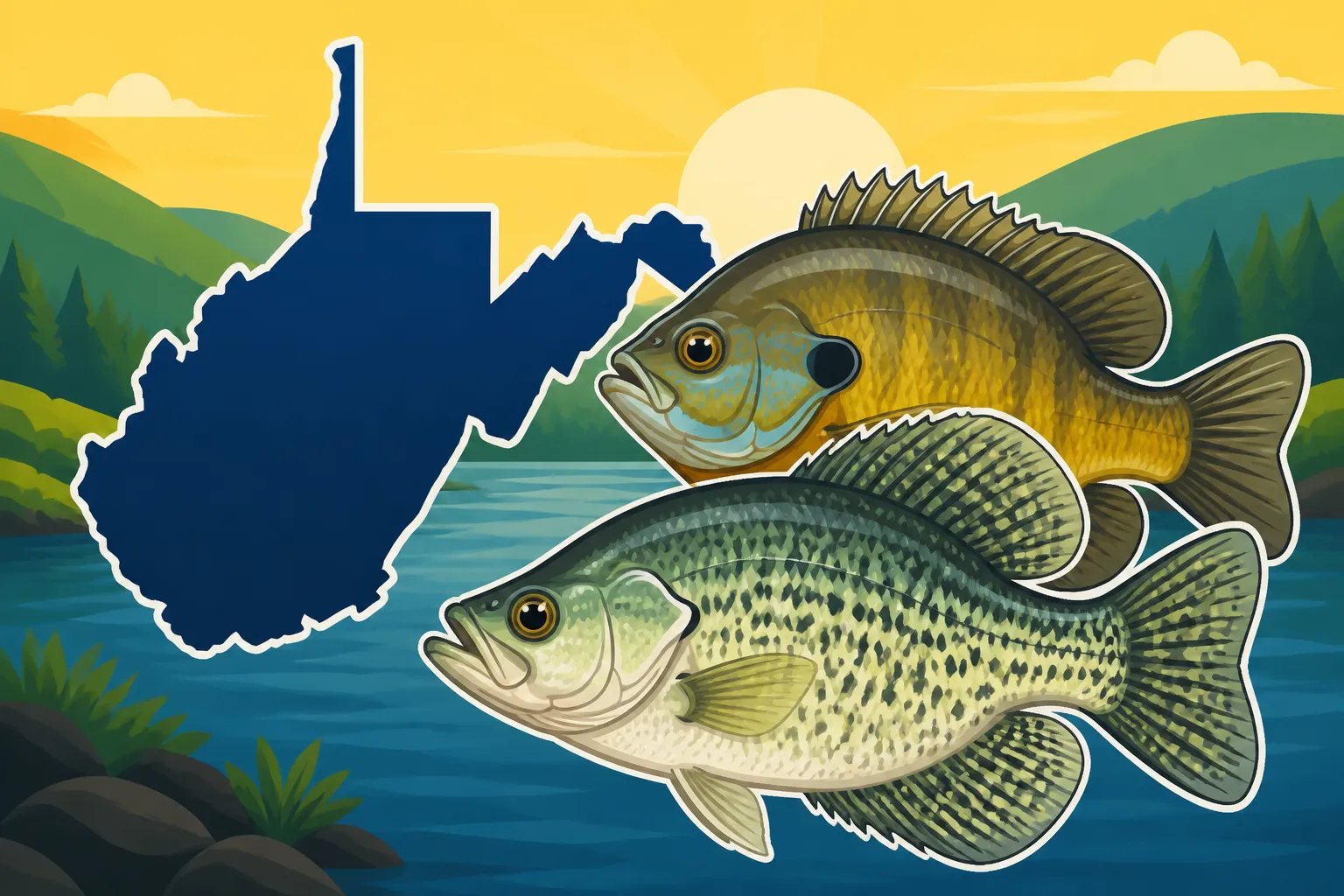
For the overwhelming majority of West Virginia's impoundments and river systems, the daily creel limit for crappie is 30 fish. This applies to both black crappie and white crappie, and it's an aggregate limit, meaning you can keep a combination of both species up to 30 fish in total. The possession limit for crappie is also 30 fish. This limit allows anglers to bring home a substantial meal while still protecting the crappie populations, which can be sensitive to overfishing, especially during their concentrated spawning periods.
Unlike some species like trout or bass, crappie generally do not have minimum size limits in most West Virginia waters. This means that if it's a crappie, and you're within your daily limit, you can usually keep it. However, this is where it pays to be vigilant and aware of any specific rules that might apply to the particular body of water you're fishing. For instance, some larger reservoirs or state park lakes might have unique management plans. Always remember to check the specific regulations for the water you plan to fish, perhaps by consulting the West Virginia State Park Fishing Guide if you're hitting up one of those beautiful locations.
Variations in Special Regulation Waters
While the 50-fish aggregate for sunfish and 30-fish aggregate for crappie are the general rules across West Virginia, it would be naive to assume these limits apply everywhere. The WV DNR manages fisheries on a water-by-water basis, and certain areas, known as "special regulation waters," might have different rules. These special regulations are usually implemented for specific conservation goals, such as managing a trophy fishery, protecting a unique population, or addressing localized environmental factors.
You might encounter waters with reduced creel limits, or even size restrictions for panfish, though these are far less common for bluegill and crappie than they are for species like trout or bass. For example, a small, heavily fished municipal pond might have a lower limit to spread the catch among more anglers, or to allow fish to grow larger. Or, in a designated "trophy" crappie lake, there might be a slot limit or a higher minimum size to protect larger breeding fish.
It is absolutely crucial to check the specific regulations for the body of water you intend to fish before you cast your line. The official Reading the West Virginia Fishing Regulations Summary is your go-to resource. It lists all general regulations, but more importantly, it details any exceptions for specific lakes, rivers, or streams. Don't rely on word-of-mouth or assumptions. A quick check can save you a potential fine and ensures you're doing your part for conservation. Remember, being informed is part of being a responsible angler!
Practical Tips for Adhering to Panfish Limits
Staying within the legal limits isn't just about knowing the numbers; it's about having practical strategies in place while you're out on the water. A little preparation can go a long way.
Measuring Your Catch Accurately
While bluegill and crappie generally don't have size limits in West Virginia, it's still a good habit to have a reliable measuring device on hand, especially if you also fish for species that do have length restrictions. A simple fish ruler or a measuring tape, which you can easily find on Amazon, can be an invaluable tool. Why? First, it helps you understand the growth patterns in the waters you fish. Are the crappie getting bigger year after year, or are they consistently small? This information can inform your fishing decisions.
Second, if you do venture into special regulation waters where size limits might be imposed, having that ruler ready means you won't be guessing. It's about being prepared for any scenario and fostering a habit of precise adherence to regulations, no matter how simple or complex they are. Even when not explicitly required, measuring your catch can contribute to valuable personal data about your favorite fishing spots.
The Importance of a Fish Keeper or Livewell
Once you've decided to keep a fish, it immediately counts towards your daily creel limit. This means you need a proper way to store it to keep it fresh and, importantly, to easily count your catch. Trying to keep track of a growing pile of fish on the bank or loosely in a bucket is a recipe for disaster and potential over-limiting.
- Stringers: For shorter trips or smaller catches, a simple fish stringer works well. It keeps your fish in the water, alive, and easy to count. Just be mindful of potential predators in the water.
- Coolers with Ice: For longer trips or when you want to ensure the best quality for the table, a cooler filled with ice is your best friend. As soon as you decide to keep a fish, dispatch it humanely and get it on ice. This prevents spoilage and provides a clear, countable location for your catch. Make sure it's a good quality cooler that can keep ice all day – many anglers find excellent options, like those found on Amazon, essential for a successful day. Consider pairing it with some Best Tackle for Panfish to complete your setup.
- Livewells: If you're fishing from a boat with a livewell, this is an excellent option. Livewells keep fish alive and healthy, which is great if you plan to release some later or if you're in a tournament setting. However, for general panfishing where you intend to keep your catch, a cooler with ice is often more practical for ensuring table quality.
Having a dedicated place for your kept fish helps you maintain an accurate count throughout the day, preventing accidental over-limits as you get caught up in the excitement of a hot bite. This organization is key to responsible angling.
What to Do When You Reach Your Limit
This is a fantastic problem to have – you've caught your West Virginia panfish limit for bluegill and crappie! Congratulations! But what happens next?
- Stop Keeping Fish of That Species: The most important rule is that once you've reached your daily creel limit for a particular species, you must immediately stop keeping any more of that species for the rest of the day. Period. You cannot selectively cull fish, releasing smaller ones to replace them with larger ones once they are considered "creeled" or kept.
- Switch to Catch-and-Release: If the bite is still on and you want to continue fishing, you can absolutely do so, but only for catch-and-release for that specific species. This means carefully unhooking the fish and releasing them back into the water unharmed. Be sure to use proper catch-and-release techniques to maximize their survival. This also applies to other species that have separate limits or no limits. For instance, if you've hit your crappie limit, you can still target bluegill (if you haven't hit that limit) or even switch to a different technique to target bass, provided you are adhering to those specific species' regulations. For tips on proper release, you might find some useful information in our article about West Virginia Catch and Release Rules for Trout, as many principles apply universally.
- Switch Species Entirely: If you've reached your limit on crappie, but haven't touched your bluegill limit, you can switch your focus entirely. Change your bait, lure, or location to target a different species whose limit you haven't yet met. Just ensure you're aware of the regulations for those other species too! This is where carrying a diverse tackle box, perhaps optimized for panfish, can really pay off.
- Call it a Day (or Head Home): Sometimes, when you've hit your limit and perhaps filled your cooler, it's just a good sign to pack up and head home to enjoy your harvest. There's immense satisfaction in a successful fishing trip, and sometimes the best thing to do is quit while you're ahead. Enjoy the fruits of your labor!
Consequences of Violating Panfish Regulations
Fishing in West Virginia is a privilege, and with that privilege comes the responsibility to know and abide by the state's fishing laws. Ignoring these regulations, especially those concerning daily and possession limits, can lead to serious repercussions.
Penalties for Over-Limiting
Getting caught with more fish than the legal limit, or with fish that are undersized (if a size limit applies), is not a minor infraction. West Virginia takes its natural resource management seriously, and wildlife violations are typically classified as misdemeanors. The penalties can include:
- Fines: You could face substantial monetary fines. These aren't just a slap on the wrist; they can range from hundreds to thousands of dollars depending on the severity of the violation, the number of fish over the limit, and whether it's a repeat offense.
- Court Appearances: Violations often require a mandatory court appearance, which means time off work and additional legal costs if you choose to hire an attorney.
- Forfeiture of Gear: In some cases, especially with egregious violations, a Conservation Officer might seize your fishing gear, including rods, reels, and even your boat, vehicle, or motor, as evidence or forfeiture. This can be a significant financial loss on top of everything else.
- License Revocation/Suspension: Perhaps one of the most impactful consequences for an avid angler is the potential suspension or complete revocation of your West Virginia Fishing License Guide for 2026. This could mean you're barred from legally fishing in the state for a significant period, sometimes for years. This is a tough pill to swallow for anyone who loves spending time on the water. For more details on this, you can refer to our guide on Fishing Without a License in West Virginia: Penalties, which often outlines the broader implications of violating fishing laws.
- Restitution: In addition to fines, you might be ordered to pay restitution for the value of the fish illegally taken, particularly for species with higher commercial or ecological value.
The bottom line is that the consequences are significant and far outweigh the fleeting satisfaction of keeping a few extra fish. Ignorance of the law is generally not considered a valid defense, which reinforces the importance of reading the West Virginia Fishing Regulations Explained every year.
The Ethical Angler's Responsibility
Beyond the legal ramifications, there's a strong ethical component to adhering to fishing limits. Being an ethical angler means more than just avoiding fines; it means actively participating in the conservation of our natural resources.
- Respect for the Resource: Every fish taken beyond the limit is a fish that won't contribute to future spawning, won't grow larger, and won't be available for another angler. Adhering to limits is a show of respect for the fish and the ecosystem they inhabit. It's about understanding that these resources are finite and need protection.
- Fairness to Other Anglers: When one angler takes more than their share, it reduces the opportunities for everyone else. Fishing limits are designed to distribute the harvest fairly among the angling community, ensuring everyone has a chance at a good day on the water.
- Setting an Example: If you're fishing with friends, family, or especially children, your actions set an example. Teaching responsible angling practices, including adherence to limits, instills a conservation mindset in the next generation. Consider involving younger anglers by teaching them about West Virginia Fishing License Age Requirements and how important it is to follow all the rules, even for the smallest catches.
- Supporting Conservation Efforts: The WV DNR uses data from angler surveys and harvest reports, along with scientific research, to set these limits. By following them, you're directly supporting their efforts to maintain healthy and vibrant fisheries, contributing to the overall health of West Virginia's aquatic environments.
Ultimately, understanding and respecting the West Virginia panfish limit for bluegill and crappie is a fundamental part of being a good steward of our wild resources. It ensures that the joy of fishing continues for generations to come in the Mountain State.
| Species/Group | Daily Creel Limit (Most Waters) | Possession Limit (Most Waters) | Size Restrictions (Most Waters) | Common Special Regulation Considerations |
|---|---|---|---|---|
| Bluegill & Other Sunfish (Aggregate) | 50 | 50 | None | Very rare, always check specific water rules for local ponds/lakes |
| Crappie (Black & White, Aggregate) | 30 | 30 | None | Possible reduced limits or size minimums on certain reservoirs/state park lakes |
Disclaimer
Please note that fishing regulations can change. While this guide provides the most current and accurate information available at the time of writing, it is always your responsibility to consult the official West Virginia Fishing Regulations Summary published by the West Virginia Division of Natural Resources (WV DNR) before you go fishing. This summary is available online and at licensed vendors. Relying solely on information from third-party sources may lead to unintentional violations.