Ohio River walleye aggregate limit for West Virginia anglers
Fishing the Ohio River can often feel like navigating a complex maze of rules, especially when you're trying to understand specific limits for popular species like walleye. It's not just about knowing West Virginia's laws; you're often dealing with shared regulations that span state lines. This guide is here to untangle the confusion surrounding the Ohio River walleye aggregate limit for West Virginia anglers, ensuring you can fish confidently and legally.
Understanding Ohio River Fishing Regulations
The Ohio River is a magnificent waterway, but its status as a border water creates a unique set of challenges and rules for anglers. Unlike fishing in a landlocked lake entirely within West Virginia, the Ohio River requires a keen understanding of interstate agreements and shared management.
The Shared Waters Dilemma
When you cast a line into the Ohio River from the West Virginia bank, or even if you're out in the middle of the current, you're operating in a jurisdiction that often involves more than one state. West Virginia shares the Ohio River with Ohio, Kentucky, and even touches Pennsylvania upstream. This means that the fishing regulations aren't unilaterally set by one state. Instead, West Virginia works in conjunction with its neighboring state wildlife agencies to establish consistent, reciprocal rules that simplify things for anglers, to a degree. For example, a West Virginia fishing license typically permits you to fish the entire width of the Ohio River from its banks, so long as you return to a West Virginia shore. However, knowing the specific rules for species like walleye, sauger, and saugeye is paramount, as these can still have subtle differences or aggregated limits. It's always best to carry your license and a copy of the current regulations. You can find detailed information in the comprehensive guide on Ohio River Fishing Rules for West Virginia Anglers.
West Virginia's Role in Ohio River Management
The West Virginia Division of Natural Resources (WVDNR) is the primary authority for setting and enforcing fishing regulations within West Virginia's portion of the Ohio River. While they cooperate with other states, the WVDNR publishes the official guidelines that West Virginia anglers must follow. These regulations are designed to manage fish populations sustainably, allowing for recreational opportunities while protecting the ecosystem. They regularly conduct surveys, stocking programs, and research to inform their decisions, ensuring that species like walleye continue to thrive. This dedicated management means that West Virginia anglers are held accountable to these specific WVDNR rules, even if they occasionally differ from general inland lake regulations within the state. Staying informed by regularly checking the official WVDNR website or printed regulations summary is crucial for any angler planning a trip to the Ohio River.
West Virginia's Walleye Aggregate Limit on the Ohio River
Now, let's get into the nitty-gritty of what you can actually keep when you're targeting walleye on the Ohio River. It's a bit different than some other waters in West Virginia, so pay close attention to the aggregate limits.
Daily Creel Limits Explained
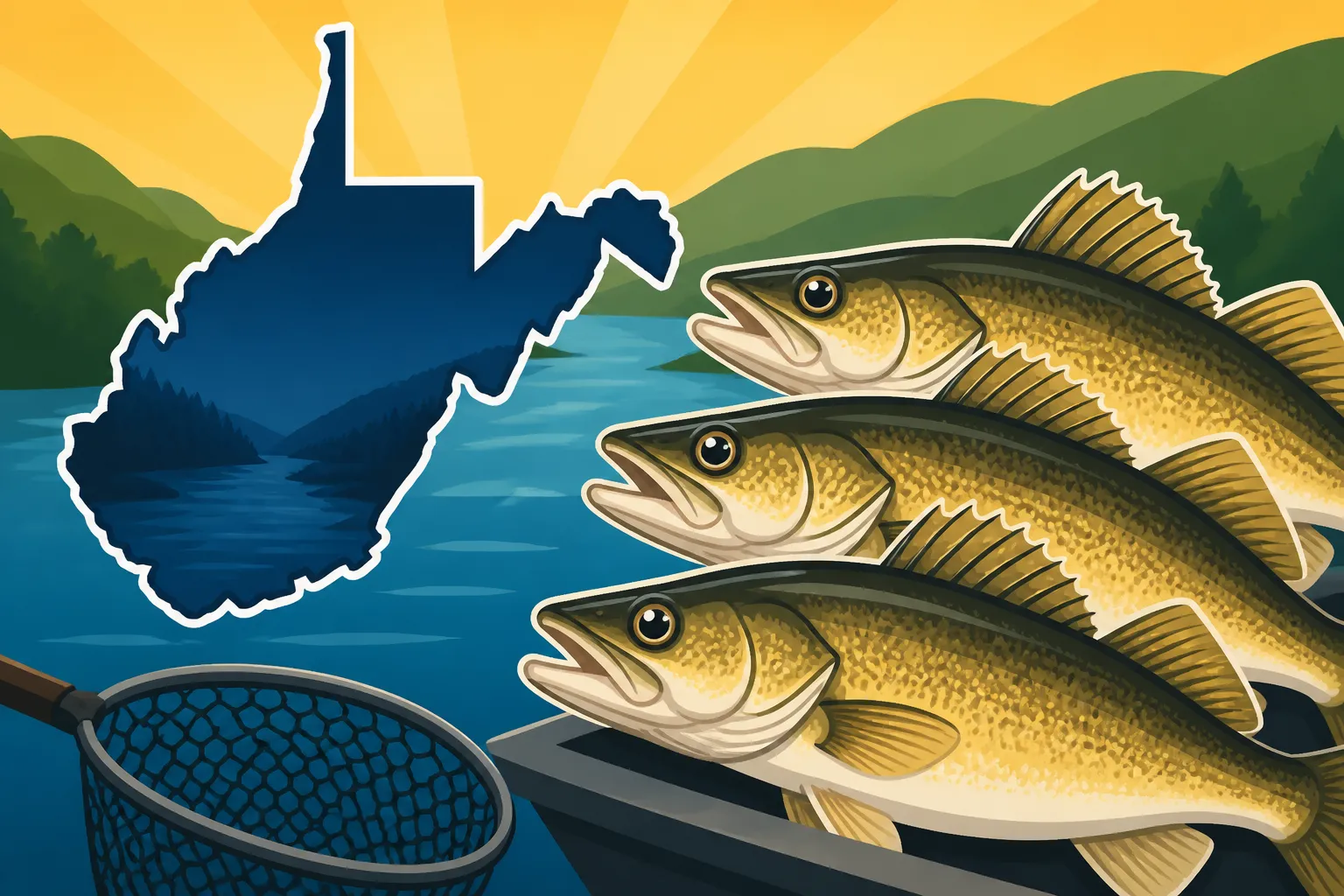
A daily creel limit refers to the maximum number of fish of a particular species, or combination of species, that an individual angler can legally keep in one calendar day. For walleye, sauger, and saugeye on the Ohio River, West Virginia employs an aggregate daily creel limit. This is a crucial distinction. As of current regulations, the aggregate daily creel limit for walleye, sauger, and saugeye combined on the Ohio River is 10 fish. This means that in any given day, the total number of walleye, sauger, and saugeye you harvest cannot exceed ten. There are no minimum size limits for these species when caught in the Ohio River, which simplifies things slightly compared to some other waters where length restrictions apply. This generous aggregate limit is a testament to the healthy populations of these species in the river, providing excellent opportunities for anglers. Always make sure to check the West Virginia Walleye Daily and Possession Limits for any updates before heading out.
Aggregate Limit vs. Single Species Limit
This is where many anglers can get confused, and it's vital to understand the difference to avoid violating regulations. A "single species limit" would mean you could keep 10 walleye, and then separately keep another 10 sauger, and so on. However, an "aggregate limit" bundles these species together.
Think of it this way: if the aggregate limit is 10 for walleye, sauger, and saugeye, your cooler can hold any combination of these fish, but the total count absolutely cannot go over 10. So, you could keep:
- 10 walleye and 0 sauger/saugeye
- 5 walleye and 5 sauger
- 3 walleye, 3 sauger, and 4 saugeye
- …or any other mix that totals 10 fish.
What you cannot do is keep 6 walleye and 6 sauger, because that totals 12 fish, exceeding the 10-fish aggregate limit. This rule is designed to manage the overall harvest of these closely related and often co-occurring fish species effectively. Understanding this distinction is key to staying legal and contributing to sustainable fishing practices on the Ohio River. For general rules, our article on West Virginia Fishing Regulations Explained offers a broader overview.
Possession Limits and Storage
Beyond the daily creel limit, which applies to what you can harvest in a single day, there's also the possession limit. In West Virginia, the possession limit generally refers to the maximum number of fish you can legally possess at any given time, whether they're in your livewell, in a cooler in your vehicle, or back at your home in the freezer. For walleye, sauger, and saugeye taken from the Ohio River, the possession limit is typically the same as the daily creel limit – meaning you can possess up to 10 fish in aggregate.
However, it's always prudent to ensure your catch is stored in a way that allows wardens to easily count and identify them, especially if you're keeping a mix of species. Filleting fish on the water is generally discouraged unless specific regulations allow it, as it can make it impossible to verify species and length limits. If you plan a multi-day trip, ensure you understand how your stored fish count towards your possession limit. For example, if you catch your limit on Monday and store them, then go fishing Tuesday, you can only catch another day's limit on Tuesday if those Monday fish are still counted against your total possession limit for that period. Generally, as long as you adhere to the daily limit and don't accumulate more than one day's limit per person on your person or in your immediate possession (vehicle, boat), you should be fine. When you return home and the fish are processed and stored, they are considered personal property, but be mindful if you have multiple anglers contributing to a large freezer stash – the limits apply per individual license holder. A durable cooler, like those you can find on Amazon, will help keep your catch fresh for the journey home.
Practical Implications for Anglers
Knowing the regulations is one thing, but putting them into practice on the water is another. There are a few practical considerations that can save you a lot of headache and ensure your Ohio River walleye trip is a success, and most importantly, compliant.
Species Identification is Key
This cannot be stressed enough: accurately identifying your catch is absolutely crucial when dealing with aggregate limits for walleye, sauger, and saugeye. These three species, while distinct, share a similar body shape and habitat, making misidentification a common mistake, especially for less experienced anglers.
- Walleye: Look for the distinct white tip on the lower lobe of their tail fin. Their dorsal fin usually has faint, indistinct stripes or spots.
- Sauger: Sauger typically lack the white tail tip. Instead, their dorsal fin is covered with clear, dark spots that often form distinct rows. Their bodies also tend to be more spotted or mottled.
- Saugeye: This is a hybrid cross between a walleye and a sauger. They often have some characteristics of both, which can make them the trickiest to identify. They might have a faint white tip on the tail, but their dorsal fin will usually have more pronounced spots than a pure walleye, though perhaps not as defined as a sauger.
A misidentified fish can lead to an accidental violation of the aggregate limit. Imagine you think you've caught 6 walleye and 4 sauger, perfectly within your 10-fish aggregate. But if two of those "walleye" were actually saugeye, and you've already filled your sauger quota, you might be over. Many anglers use resources found on sites like Amazon to purchase laminated fish identification cards that can withstand the elements and provide a quick reference right on the boat. Taking the time to learn these subtle differences before you hit the water will save you potential fines and contribute to better resource management. Our guide on Sauger Identification and Habits can provide more in-depth details.
Staying Compliant on the Water
Beyond knowing the fish, being mindful of your actions while fishing will keep you on the right side of the law. Here are a few tips:
- Count Your Catch Carefully: Keep a running tally of your walleye, sauger, and saugeye as you catch and keep them. If you're fishing with multiple people on the same boat, make sure each angler is aware of their individual limit and contributing to the overall count.
- Measure Fish Immediately: While there's no minimum size limit for walleye, sauger, or saugeye on the Ohio River, some other species do have length restrictions. It's good practice to get into the habit of measuring everything you intend to keep. A good, sturdy measuring board, easily found on Amazon, is an essential tool to ensure your catch meets the legal length requirements for any species you might target.
- Understand Your License: Ensure your West Virginia Fishing License Guide for 2026 is current and valid. Remember that on boundary waters like the Ohio River, reciprocity agreements are generally in place for residents of bordering states who also hold a valid license from their home state, but it’s always best to verify. Non-residents will need to understand options like the West Virginia 1-Day and 3-Day Nonresident Fishing Permits if they aren't planning an annual visit.
- Keep Regulations Handy: Regulations can and do change. Have a current copy of the West Virginia Fishing Regulations Summary (often available as a PDF online) on your phone or a printed version in your tackle box. This way, if you have a question about specific limits or other rules, the answer is just a quick glance away. You can learn more about this in our guide, Reading the West Virginia Fishing Regulations Summary.
Checking Up-to-Date Regulations
Fishing regulations are not static; they can change annually, and sometimes even within a season, based on biological assessments, stocking efforts, and environmental factors. Relying on outdated information is a sure way to accidentally break the law.
- WVDNR Website: The absolute best and most reliable source for the most current West Virginia fishing regulations is the official West Virginia Division of Natural Resources (WVDNR) website. They publish an annual Fishing Regulations Summary that details all limits, seasons, and special regulations for specific waters, including the Ohio River. Make it a routine to check this site before your first fishing trip of the year.
- Official Fishing Guide: The WVDNR also produces a physical fishing regulation booklet each year, often available where fishing licenses are sold. Grabbing a fresh copy at the start of each fishing season is a smart move.
- WVDNR App: The WVhunt app, which allows you to purchase and display your fishing license, often includes digital access to the current regulations as well. It's a convenient way to have everything at your fingertips. You can learn how to buy a license through this app in our post, How to Buy a Fishing License on WVhunt.com.
- Local Bait Shops: While not an official source, local bait and tackle shops along the Ohio River are often excellent resources for local knowledge, including any recent changes or specific nuances in enforcement. However, always cross-reference their advice with the official WVDNR sources.
- Digital Tools: Consider a waterproof notepad, readily available on Amazon, to jot down notes about current regulations or fish sizes. Many anglers find it helpful to keep a screenshot of the relevant Ohio River regulations on their phone, just in case cellular service is spotty on the water.
By proactively checking these resources, you ensure that you're always fishing within the current legal framework, protecting both yourself and the vital fish populations of the Ohio River.
Ohio River Walleye, Sauger, and Saugeye Limits in West Virginia
Here’s a quick summary of the aggregate limits you need to know for these popular species when fishing West Virginia’s portion of the Ohio River:
| Species | Daily Creel Limit (Aggregate) | Minimum Size Limit |
|---|---|---|
| Walleye | 10 (combined) | None |
| Sauger | 10 (combined) | None |
| Saugeye | 10 (combined) | None |
| Total Aggregation | 10 Fish (Walleye, Sauger, Saugeye combined) | N/A |
Remember, this table summarizes the aggregate limits specifically for the Ohio River. Regulations for other inland lakes and rivers in West Virginia may differ, so always confirm for the specific body of water you're fishing. Even a basic scale, easily sourced from Amazon, can help you keep track of your catch's total weight if you're concerned about aggregate weight limits (though for walleye, it's typically a numerical aggregate). If you're interested in pursuing these fish, our guide to Walleye Fishing in West Virginia has more tips, as does Best Time of Day to Catch Walleye in West Virginia.
Disclaimer
The information provided in this guide is for general informational purposes only and is based on publicly available regulations at the time of writing. Fishing regulations, including creel and possession limits, can change. It is the angler's responsibility to consult the most current official West Virginia Division of Natural Resources (WVDNR) fishing regulations before engaging in any fishing activity. Always verify regulations directly with the WVDNR.