Best live bait for smallmouth bass
There's nothing quite like the thrill of a hard-fighting smallmouth bass, especially in the clear, rocky rivers of West Virginia. But let's be honest, sometimes those bronzebacks can be incredibly finicky, ignoring every artificial lure you throw at them. When the bite gets tough, or you're simply looking for that proven edge, live bait often becomes the absolute game-changer. This comprehensive guide will dive deep into the best live bait options for West Virginia smallmouth, offering practical advice on selection, rigging, and fishing techniques to help you put more fish in the net.
Why Live Bait is a Game-Changer for West Virginia Smallmouth
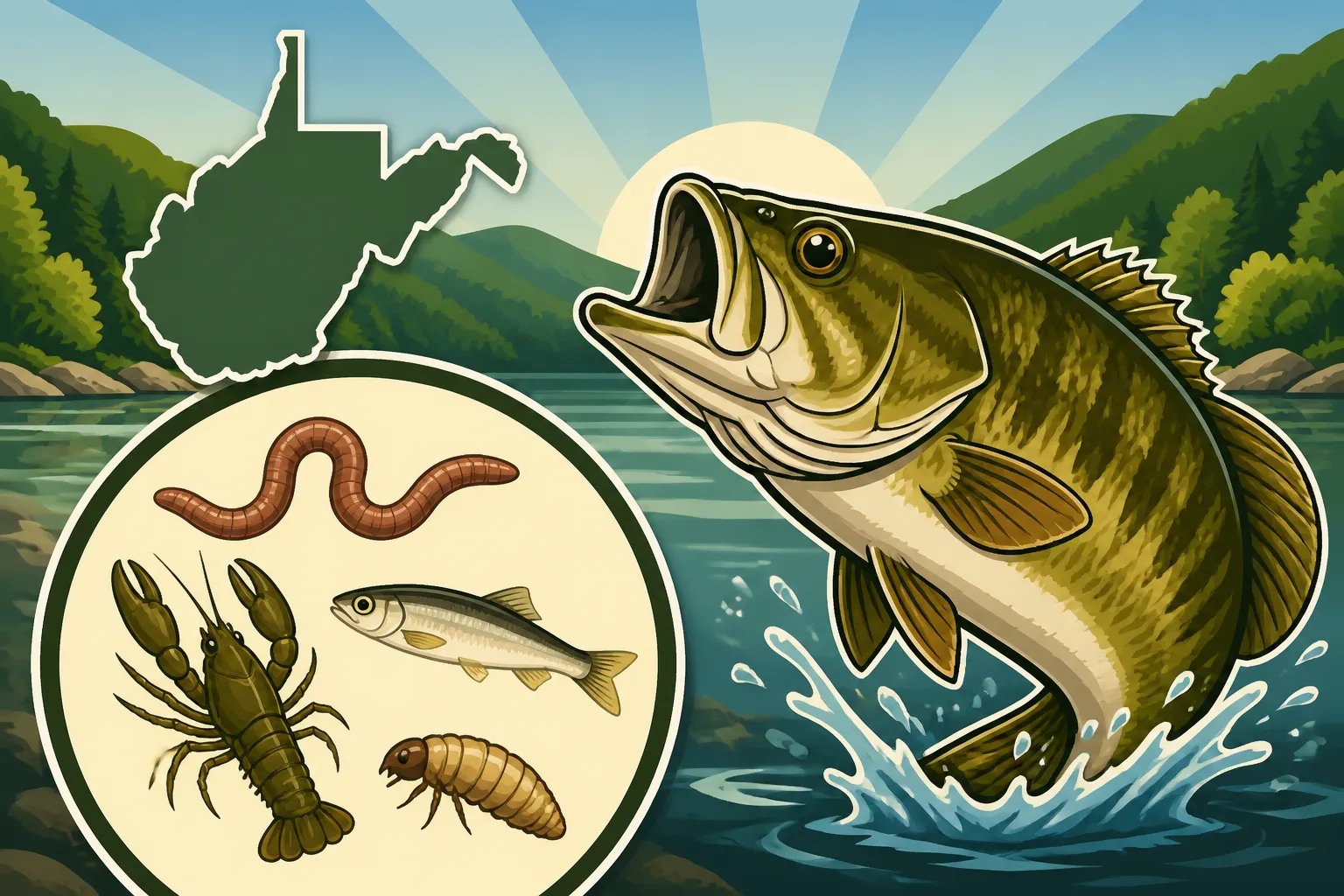
Smallmouth bass are opportunistic predators, and while they'll certainly smash a spinnerbait or a topwater plug, nothing quite mimics the natural movement, scent, and texture of real prey. In the wild, smallmouth feed heavily on a variety of aquatic critters, from crayfish to baitfish, and when you present them with the real deal, their instincts take over. It's not just about triggering a strike; it's about providing a meal they can't refuse.
Mimicking Natural Forage and Scent Trails
Think about it: a smallmouth's world is full of natural scents and vibrations. An artificial lure, no matter how realistic, can only go so far in replicating that sensory experience. Live bait, on the other hand, emits natural pheromones and distress signals that attract fish from a distance. The subtle twitch of a live minnow or the defensive crawl of a crayfish sends irresistible cues through the water, drawing in curious smallmouth who are often skeptical of anything that doesn't smell or act quite right. This is especially true in clearer waters, where sight feeding is prevalent, but scent plays a huge role in drawing fish out of cover.
When you're dealing with pressured fish, or those that have seen every plastic worm and crankbait in existence, live bait provides an unfair advantage. It's often the difference between a frustrating day of casting and a memorable one filled with screaming drags. The sheer realism of live bait means smallmouth are less likely to "short strike" or mouth a bait suspiciously; they'll typically inhale it with conviction, giving you a better hook set.
The Instinctual Advantage
Smallmouth bass are ambush predators, often lurking behind rocks, in current breaks, or under submerged logs, waiting for an easy meal to drift by. A lively baitfish struggling in the current, or a crayfish scurrying along the bottom, perfectly triggers this predatory instinct. It looks like a vulnerable, easy target, and the smallmouth's natural urge to feed kicks in. This instinctual response often overrides any caution they might have developed from seeing countless artificial presentations.
Consider the challenge of fishing a deep eddy or a complex rock garden. It can be incredibly difficult to work an artificial lure through such structure effectively, let alone make it look natural. But a live bait, fished on a simple rig, can drift or swim into those same challenging spots with an authentic presentation that artifice can rarely match. This means you can often reach and tempt fish that are simply inaccessible or uninterested in your tackle box full of plastics. It's about working with nature, not against it, and harnessing those primal predatory instincts that have kept smallmouth thriving for millennia.
Top Live Baits for West Virginia Smallmouth
When it comes to West Virginia's smallmouth bass, certain live baits stand head and shoulders above the rest. These aren't just random choices; they're the bread and butter of the smallmouth diet in our rivers and streams, and presenting them effectively can lead to incredible success.
Crayfish: The Undisputed King of Smallmouth Bait
If there's one bait that every West Virginia smallmouth angler should have in their arsenal, it's the crayfish. These crusty critters are a primary food source for smallmouth bass across the state, and a live crayfish is practically irresistible. Smallmouth gorge on them, especially during the warmer months when crayfish are most active.
Sourcing and Keeping Crayfish Alive
You can often catch your own crayfish by flipping rocks in shallow riffles or trapping them with bait traps. However, many bait shops, including some larger sporting goods stores and local spots that might be supplied by distributors like Bass Pro Shops, carry live crayfish. When buying, look for active, healthy specimens. Keep them in a well-aerated cooler with minimal water and some wet newspaper or river weeds, or a specialized crayfish bucket. They need oxygen and cool temperatures to stay lively. Changing the water frequently, especially if it gets murky, is essential. Never overcrowd your container.
Rigging and Presentation
There are a few effective ways to rig a crayfish. One common method is to hook it lightly through the tail, allowing it to swim naturally. Another is to hook it through the horn, which keeps the hook further from the smallmouth's mouth for a better hook set, but requires a more robust crayfish that won't get easily ripped off. Use a weedless hook if fishing in heavy cover.
For presentation, you can fish crayfish on the bottom with a simple Carolina rig or a split-shot rig, allowing them to crawl along the rocky bottom. Smallmouth will often pick them up as they scurry. In currents, you can drift them naturally with minimal weight, letting them tumble downstream into prime ambush points. Focus on current seams, eddy lines, and deep rock piles. A smallmouth will often grab a crayfish and try to crush it before swallowing, so feel for that distinctive thud or extra weight, then set the hook with a firm sweep.
Minnows and Shiners: Irresistible Flash and Movement
Another incredibly effective live bait option for smallmouth is a lively minnow or shiner. These baitfish are a natural food source for smallmouth in rivers like the New River, the South Branch of the Potomac, and many other West Virginia waterways. The flash and erratic movement of a struggling baitfish are hard for a smallmouth to pass up.
Selecting and Maintaining Your Baitfish
When choosing minnows or shiners, opt for those that are active and vibrant. Fathead minnows, golden shiners, and bluntnose minnows are all excellent choices. You can buy these at most bait shops. Keeping them alive requires a good bait bucket with an aerator. The clearer and colder you can keep the water, the longer your minnows will last. Portable aerators, readily available on platforms like Amazon or at your local Bass Pro Shops, are invaluable for this. Best Tackle for West Virginia Smallmouth Bass will often include details on essential accessories like these.
Effective Rigging Techniques
Minnows can be rigged in several ways. The most common is to hook them lightly through the lips, allowing them to swim freely. This is ideal for drifting them in current or under a bobber. For a more direct presentation, you can hook them lightly through the back, just behind the dorsal fin, being careful not to hit the spine. This allows them to struggle and sends out vibrations.
When fishing minnows, target deeper pools, current breaks, and the edges of submerged weed beds. You can drift them naturally, fish them under a slip bobber set to the depth of the fish, or even slowly retrieve them with a small split shot weight. The key is to let the minnow do most of the work, presenting a natural, struggling meal. Smallmouth will often strike minnows with aggressive takes, so be ready to set the hook quickly. Best Baits for Smallmouth Bass on the New River goes into more detail about how these baitfish can be particularly effective in larger river systems.
Hellgrammites: The Secret Weapon
For many seasoned smallmouth anglers in West Virginia, the hellgrammite is a secret weapon, often outperforming other baits when the bite is tough. These prehistoric-looking larvae of the Dobsonfly are incredibly tough, resilient, and packed with protein, making them a prime meal for trophy smallmouth. They live under rocks in riffles and current, exactly where smallmouth love to feed.
Locating and Handling Hellgrammites
Collecting your own hellgrammites can be an adventure in itself, often involving flipping rocks in riffles with a fine-mesh net downstream. Always check West Virginia Fishing Regulations Explained for rules on bait collection, as some methods or quantities might be restricted. If you're lucky, some specialty bait shops might carry them, but they are generally harder to find than crayfish or minnows. Handle them carefully, as they can deliver a painful pinch with their pincers – not dangerous, but certainly memorable!
Rigging and Fishing Tactics
Rigging a hellgrammite is best done by carefully inserting a small, sharp hook through the tough collar behind its head. This allows it to wriggle naturally without being easily pulled off the hook. You can fish hellgrammites on a simple split-shot rig, letting them bounce and tumble along the bottom in rocky areas and current. They are fantastic for drifting through riffles into deeper pools where smallmouth lie in wait.
Because they are so tough, a single hellgrammite can often catch multiple fish, making them efficient despite their rarity. Their natural appearance and action make them irresistible to smallmouth, particularly the larger, more cautious specimens. The key is a stealthy approach and a natural drift. If you find yourself struggling in clear, cold water, and can get your hands on some hellgrammites, you might just unlock a fantastic day of fishing.
Worms: The Universal Attractor
While perhaps not as specific to smallmouth as crayfish or hellgrammites, common worms like nightcrawlers or red wigglers are universally appealing and can certainly tempt West Virginia smallmouth, especially when they're actively feeding or when other baits aren't available. They're easy to find and keep, making them a reliable backup.
Keeping Worms Lively and Fresh
Worms are probably the easiest live bait to source and maintain. You can dig them up in your garden, buy them at virtually any bait shop, or order them online from places like Amazon. Keep them in a breathable container with damp bedding, away from direct sunlight and extreme temperatures. A cool basement or garage is ideal. Adding a bit of cornmeal or coffee grounds can even keep them healthier and more active.
Simple and Effective Rigging
For smallmouth, a section of a nightcrawler or a whole red wiggler can be threaded onto a small hook, or simply hooked once through the middle (wacky style) to allow maximum wiggle. A small split shot a foot or so above the hook is usually all the weight you need. You can drift worms through current, cast them into eddies, or even fish them under a bobber in calmer water. Their scent trail and continuous movement make them an easy target. While not always the top choice for trophy smallmouth, they are excellent for catching numbers of fish, and often surprise you with a quality bite. When the fish are less aggressive, a wriggling worm can be just enough to entice a strike.
Sourcing and Keeping Your Live Bait Healthy
Alright, you've decided on your bait of choice. Now comes the crucial part: getting it and keeping it in prime, fish-attracting condition. A dead or lethargic bait is rarely as effective as a lively one, so investing a little time and effort here pays huge dividends.
Where to Find the Best Live Bait
Finding live bait in West Virginia often means hitting up local bait and tackle shops. These smaller, independent shops are invaluable resources, not just for bait, but also for local fishing reports and advice. They often carry what's most effective in their specific region. Larger retailers, like Bass Pro Shops, also stock a good selection of common live baits, especially minnows and worms. If you're after something more specialized, like hellgrammites, you might need to call around to several shops or even consider collecting your own – always after checking the local regulations, of course!
Some anglers swear by online retailers for specialty baits, particularly for worms or crickets that can be shipped. However, for active baits like minnows and crayfish, local purchases are usually best to ensure freshness and vitality. It's a good idea to scout out a few bait shops near your intended fishing destination before you head out, just to make sure they'll have what you need.
Essential Gear for Live Bait Management
Keeping bait alive and kicking requires a few key pieces of gear. Think of it as investing in your success on the water.
Bait Buckets and Containers
For minnows and crayfish, a good insulated bait bucket is essential. Many feature an inner perforated bucket that lifts out, making it easy to grab bait without dumping all the water. Look for buckets with a secure lid and, if possible, a dark interior to keep the bait calm. For worms, a breathable worm container with proper bedding is crucial. Avoid sealed plastic bags or containers, as worms need air.
| Bait Type | Ideal Container | Key Features |
|---|---|---|
| Minnows/Shiners | Insulated Bait Bucket with Aerator | Keeps water cool, provides oxygen, easy access. |
| Crayfish | Insulated Bait Bucket (or specialized crayfish bucket) | Allows crawling space, keeps cool, good ventilation. |
| Hellgrammites | Small, vented container with wet leaves/grass | Mimics natural habitat, prevents drying out. |
| Worms | Worm Bedding Box or Styrofoam Container | Breathable, dark, maintains moisture. |
Aerators and Water Management
This is perhaps the most critical component for minnows and crayfish. A portable aerator, running on D-cell batteries or rechargeable packs, continuously bubbles air into your bait bucket, providing vital oxygen. You can find excellent options on Amazon, or pick one up when you're stocking up at Bass Pro Shops. Always carry extra batteries!
Beyond aeration, proper water management is key. Use non-chlorinated water, ideally from the same body of water you'll be fishing, or well water. Avoid tap water unless it has been declorinated. Keep the water cool, especially in warm weather, by adding a small frozen water bottle or ice pack outside the bait container to cool the surrounding water, or carefully adding small amounts of ice to the water, ensuring it's not chlorinated. Rapid temperature changes can shock and kill your bait. For longer trips, changing the water regularly can also help remove waste and keep oxygen levels high. West Virginia Boating Laws for Anglers often includes considerations for transporting bait, particularly across state lines.
Effective Techniques for Fishing with Live Bait
Having the right bait is only half the battle; knowing how to present it naturally and effectively is what truly makes the difference. Smallmouth bass are predators, but they can also be wary, so a stealthy and natural approach is often best.
Reading the Water for Smallmouth Bass
Before you even think about casting, take a moment to "read" the river or lake. Smallmouth bass love structure and current breaks. Look for submerged rocks, boulders, logjams, eddies behind obstructions, current seams, and drop-offs. These are prime ambush points where smallmouth can hide from the current and dart out to grab passing prey. In lakes, focus on rocky points, humps, ledges, and transition areas between shallow and deep water. How to Catch Smallmouth Bass in West Virginia Rivers provides excellent insights into locating these fish.
Consider the depth and speed of the current. In faster water, a heavier split shot or a Carolina rig might be necessary to keep your bait down. In slower water or slack pools, a lighter rig or even fishing under a bobber might be more effective. The goal is always to present the bait in a way that looks like it belongs there – like an easy meal that has drifted slightly off course.
Rigging for Success
Your rigging choice can greatly impact your success. For live bait, simplicity often reigns supreme.
- Split-Shot Rig: This is perhaps the most versatile and common. Simply tie on a small, sharp hook (size 4 to 1/0, depending on bait size), and pinch one or more small split shots a foot or two above the hook. This allows the bait to drift naturally while staying near the bottom. It's excellent for crayfish and hellgrammites.
- Carolina Rig: For more spread-out presentations, especially in deeper water or over rocky bottoms, a Carolina rig is fantastic. Slide an egg sinker onto your main line, followed by a bead (to protect your knot), and then tie on a swivel. To the other end of the swivel, attach a fluorocarbon leader (1-3 feet long) and then your hook. This allows the weight to sink to the bottom while your bait floats or swims freely above it, making it less likely to get hung up. Best Fluorocarbon Line for Clear River Water is a good read if you want to dial in your leader material.
- Slip Bobber Rig: When fishing over structure in varying depths or where you need to keep your bait suspended, a slip bobber rig is invaluable. This allows you to easily adjust your fishing depth without re-tying. The bobber slides freely on your main line until it hits a bobber stop, which you can set to any depth. This is great for suspending minnows near submerged timber or over deep holes.
- Weightless or Free-Drifting: In very slow current or calm pools, you can sometimes fish certain baits, especially minnows or larger worms, with no weight at all. This allows for the most natural presentation possible, as the bait drifts completely uninhibited. This technique requires patience but can be incredibly effective when fish are highly pressured or shy.
Setting the Hook and Fighting Smallmouth
When a smallmouth takes live bait, the strike can range from a subtle tap to a rod-wrenching thud. With crayfish or hellgrammites, you might feel a distinctive "thump" as the fish crushes the bait before trying to swallow it. Resist the urge to set the hook immediately. Give the fish a moment to fully engulf the bait. When you feel a steady pull or the line starts moving, then sweep the rod back firmly to set the hook.
Smallmouth are renowned for their powerful runs and acrobatic jumps. Keep a tight line, but let your drag do its job. Don't try to horse them in, especially if they're trying to jump; that's often when they throw the hook. Keep the rod tip up, apply steady pressure, and enjoy the fight. Landing a lively smallmouth on live bait is incredibly rewarding. Best Rods for West Virginia Rivers can help you select a rod with the right backbone and sensitivity for this exciting type of fishing.
Preserving and Releasing Your Catch
While live bait can lead to incredible catches, it's especially important to practice good catch and release techniques when using it, particularly with smaller fish or those you don't intend to keep. Smallmouth are a precious resource in West Virginia, and ensuring their survival after release helps maintain healthy populations for everyone to enjoy.
Minimizing Harm and Deep Hooking
One of the potential downsides of live bait, especially when you give the fish time to mouth it, is the chance of deep hooking. To minimize this, use single, sharp hooks rather than treble hooks, and consider using circle hooks. Circle hooks are designed to hook fish in the corner of the mouth, greatly reducing gut hooks, even if the fish swallows the bait. They're a game-changer for catch and release.
When you feel a bite, don't wait an excessively long time. Give the fish just enough time to get the bait in its mouth, then set the hook. This balance comes with practice. If you do encounter a deep-hooked fish, cut the line as close to the hook as possible. Attempting to remove a deeply embedded hook can cause more harm than leaving it in, as hooks will often rust away over time.
Proper Handling for Release
Once you've landed a smallmouth, handle it as little as possible. If you must handle it, do so with wet hands to protect its delicate slime coat. Avoid squeezing the fish, especially around its belly or gills. If the fish is legal size and you intend to keep it, dispatch it quickly and humanely. If you plan to release it, remove the hook gently with pliers or a de-hooking tool. Best Landing Net for Trout provides tips on selecting nets that are fish-friendly, though larger rubberized nets are ideal for smallmouth too.
Support the fish horizontally, especially if it's a larger one. Avoid holding it vertically by its jaw, as this can damage its spine and internal organs. If the fish seems stressed or unable to swim away on its own, hold it gently in the water, facing into the current, until it regains its strength and swims away willingly. The future of West Virginia's fantastic smallmouth fishing relies on all of us being responsible anglers.
Disclaimer
This article is for general informational purposes only and does not constitute professional advice. Laws, prices and regulations vary by location and change over time. Consult a qualified professional for guidance on your specific situation.