Best spoon color for winter panfish
Winter panfishing in West Virginia can be incredibly rewarding, but it often feels like a guessing game, doesn't it? You drill hole after hole, brave the biting cold, and try every trick in the book, only to be left wondering if you're even using the right lure. One of the biggest puzzles for many ice anglers, especially when targeting popular species like bluegill, crappie, and yellow perch, is figuring out the best spoon color. This guide is here to shed some light on that mystery, helping you understand how different colors perform under the ice and empowering you to make more informed choices for a more successful day on the frozen lakes and ponds of the Mountain State.
Decoding Panfish Behavior in West Virginia's Winter Waters
Before we even talk about specific colors, it's crucial to understand how panfish behave when the water turns to ice. They're not the same energetic, chase-anything-that-moves fish you find in summer. Winter drastically changes their metabolism and their world, which in turn influences what they'll bite.
When West Virginia's lakes like Stonewall Jackson Lake or Plum Orchard Lake freeze over, the water temperature drops, sometimes hovering just above freezing. This isn't just a minor chill for fish; it's a fundamental shift. Panfish, being cold-blooded, experience a significant slowdown in their metabolic rate. This means they digest food much slower, require less energy, and thus, feed less frequently and aggressively. You won't often find them chasing a lure across the entire water column. Instead, they become lethargic, often schooling tightly in specific areas, typically relating to structure or depth transitions where food might be concentrated or where they feel safest.
Their reduced activity also means their senses are tuned differently. While they still possess keen eyesight, the low light conditions under a layer of ice, especially if there's snow cover, mean that bright, flashy presentations might not always be the ticket. They often rely on more subtle cues, like the vibration of a small spoon or the slight shimmer of a baitfish imitation. Understanding these physiological and behavioral changes is the first step to choosing the right lure, including its color. A color that screams "eat me!" in summer might just be ignored or even spook a wary, slow-moving panfish in the depths of winter. Many experienced anglers will attest that even a slight change in the size or color of your presentation can make all the difference on a tough winter day, especially for species like crappie that can be notoriously finicky.
The Science of Light and Color Under the Ice
It’s not just about what looks good to us above the ice; it's about what the fish actually see. Light behaves very differently once it passes through ice and water, and this has a direct impact on how various colors appear to a panfish.
Water acts as a filter, absorbing different wavelengths of light at varying rates. Red is the first color to disappear as you go deeper, followed by orange, yellow, and green. Blue and violet penetrate the deepest. This means that a bright red spoon that looks vibrant in your hand above the ice might appear dull brown or even black just a few feet down, especially in deeper water. This phenomenon is why certain colors excel in specific conditions. For instance, in shallow, clear waters like those often found in some of our smaller, high-elevation ponds, a wide spectrum of colors remains visible. However, once you drop that spoon into 15 or 20 feet of water, or into stained waters like some sections of the Ohio River, the available light changes dramatically.
Water clarity plays an equally significant role. In extremely clear water, such as you might find on some pristine lakes, fish have excellent visibility. Here, more natural and subtle colors might be more effective as they mimic natural forage. But in stained or murky water, where visibility is low, colors that contrast strongly with the background, or those that possess fluorescent or phosphorescent properties (glow-in-the-dark), become essential. These colors stand out more effectively, catching the fish's attention when natural light penetration is minimal. Even on a bright, sunny day, if there's heavy snow cover on the ice, the ambient light beneath will be significantly reduced, making visibility tougher for the fish. This deep dive into light and water helps us understand why a "one-size-fits-all" approach to spoon color rarely works in ice fishing.
Top Spoon Colors for West Virginia Panfish and When to Use Them
Now that we've covered the "why," let's get into the "what." Choosing the right spoon color often comes down to matching the conditions you're facing. Here’s a breakdown of the most effective colors and the scenarios where they tend to shine.
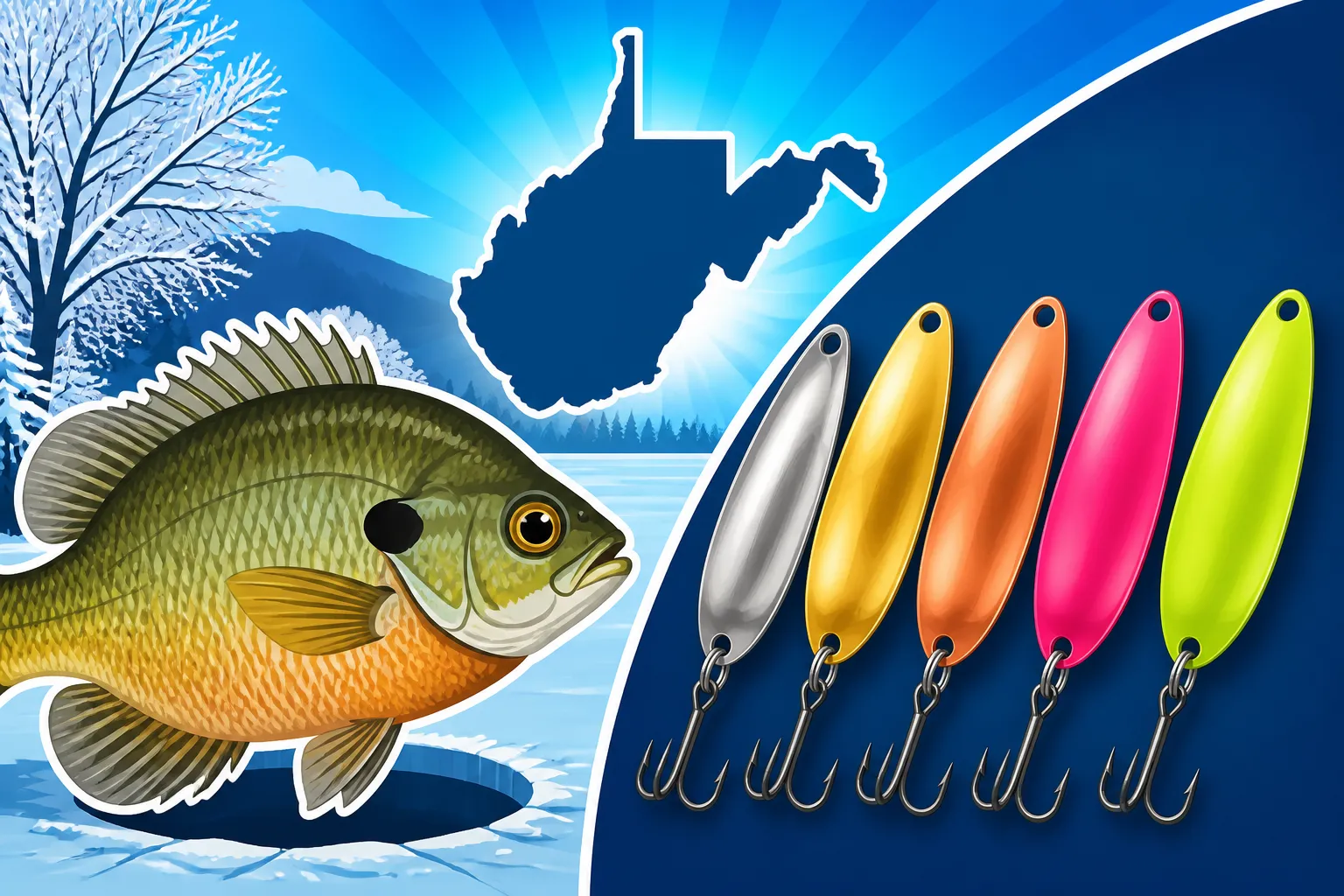
Natural and Subtle Hues: Silver, Gold, White, and Chrome
These colors are your bread and butter in clear water conditions. When the ice is relatively clear of snow, allowing good light penetration, or when you're fishing in shallower depths (say, less than 10-15 feet), spoons mimicking natural baitfish can be incredibly effective. Silver and chrome spoons glint and flash just like a shiner or a small minnow darting through the water. Gold offers a similar natural appeal, often performing well on slightly overcast days or in waters with a bit more tannin stain.
White, either plain or with a pearl finish, is another fantastic natural choice. It offers a subtle flash and can imitate a variety of small forage species. Think about the clear waters of Spruce Knob Lake or some of the mountain streams that freeze over; these are prime spots for natural-colored spoons. Panfish in these environments are often more cautious, and an overly aggressive color might put them off. These subtle hues work by blending in and then drawing attention with a natural shimmer as you jig. When panfish are holding tight to cover, presenting a realistic, understated bait can often trigger a strike from even the most lethargic fish.
Bright and Fluorescent Choices: Chartreuse, Orange, and Pink
When the conditions get tougher – think stained water, deep water, or heavily overcast days with snow cover – you need colors that grab attention. This is where bright and fluorescent spoons come into their own.
Chartreuse is arguably one of the most popular and effective ice fishing colors, and for good reason. It stands out exceptionally well in low light and stained water, making it highly visible to panfish. Whether you're targeting crappie suspended over deep water in Summersville Lake or bluegill hugging the bottom in a murkier farm pond, chartreuse can often be the game-changer. Orange and pink also fall into this category, offering high visibility and a strong contrast against the dark background of deep or stained water. These colors don't necessarily mimic natural prey; rather, they serve as "attractors," triggering a fish's curiosity or aggressive instincts. They can be especially effective when you're trying to draw fish from a distance or when you suspect fish are present but just not biting on more subdued offerings. Consider fishing these on your first drop to see if you can quickly locate active fish, then maybe switch to more natural options if the bite slows down. Many anglers find success by tipping these bright spoons with a small live bait, like a wax worm or maggot, to add scent and a little extra natural appeal.
Dark and Contrasting Options: Black, Blue, and Purple
While less commonly discussed than brights or naturals, dark colors can be surprisingly effective in specific scenarios, particularly under bright, sunny skies in clear water, or conversely, in extremely deep or dark water where you want a stark silhouette.
A black spoon, for instance, provides a strong silhouette against the lighter background of the ice and surface. On a bright day in clear water, this contrast can make the lure highly visible without being overly flashy. It can look like a leeches or small insect larvae. Blue and purple also fall into this category, often providing a subtle yet distinct presence. Deep blue can imitate certain invertebrates or even tiny baitfish in specific light conditions, while purple has a unique ability to penetrate some depths and still maintain a degree of visibility. You might experiment with these colors in situations where fish seem spooky or when you've tried everything else. Sometimes, the unexpected color is the one that gets the bite. It's a testament to the unpredictable nature of fishing that sometimes the simplest, darkest profile can be the most enticing, particularly for cautious fish picking off small morsels near the bottom.
Glow-in-the-Dark Spoons: The Low-Light Lifesaver
No discussion of winter spoon colors would be complete without mentioning glow-in-the-dark options. These are indispensable for low-light conditions, deep water, night fishing, or when fishing under heavy snow cover where almost no natural light penetrates.
Glow spoons emit their own light, making them exceptionally visible where other colors would simply disappear. This can be crucial for drawing attention from lethargic panfish that aren't willing to move far for a meal. You simply charge them with a flashlight or headlamp for a few seconds, and they’ll emit a soft glow for several minutes. They are particularly effective for deep-water crappie in reservoirs like Bluestone Lake or for yellow perch suspending over deep flats. The glow acts as a beacon, guiding the fish to your offering. Some anglers even prefer a glow spoon during the day, especially in murky water, as it provides that extra visual pop. When you're dealing with challenging light conditions, make sure you have a few glow spoons in your tackle box – they can often turn a slow day into a successful one.
Here’s a quick summary table to help you decide:
| Spoon Color Family | Best Water Clarity | Best Light Conditions | Recommended Depth | Target Species |
|---|---|---|---|---|
| Silver/Chrome | Clear to Slightly Stained | Bright to Overcast | Shallow to Mid | Bluegill, Perch, Crappie |
| Gold/Bronze | Slightly Stained to Clear | Overcast to Sunny | Shallow to Mid | Bluegill, Perch, Crappie |
| White/Pearl | Clear to Stained | Any | Any | Bluegill, Crappie, Perch |
| Chartreuse | Stained to Murky | Low Light to Sunny | Mid to Deep | Crappie, Perch, Bluegill |
| Orange/Pink | Stained to Murky | Low Light to Overcast | Mid to Deep | Crappie, Perch, Bluegill |
| Black/Dark Blue | Clear to Very Stained | Bright (for silhouette) or Low Light (contrast) | Any | Bluegill, Perch |
| Glow-in-the-Dark | Any | Low Light, Night, Deep | Deep, Low Light | Crappie, Perch, Bluegill |
Tips for Maximizing Your Panfish Spoon Color Success
Choosing the right color is a huge step, but it's just one piece of the puzzle. To truly maximize your success when chasing panfish through the ice in West Virginia, you need to consider the whole picture.
Experimentation is Key
No single color is guaranteed to work every single time. Fish can be incredibly particular, and what works one day might not work the next, even on the same body of water. That's why active experimentation is paramount. Don't be afraid to try several different colors if the bite is slow. Start with a popular choice for the conditions, and if you're not getting bites within 15-20 minutes, switch it up. You might find that on a particular day, a subtle gold spoon outperforms a bright chartreuse, or vice-versa. This is part of the fun and challenge of ice fishing – figuring out the puzzle. Keep a variety of spoons in different colors and sizes readily available in your Best Ice Fishing Gear for West Virginia kit so you can quickly swap them out. Many anglers find great deals on these diverse lure selections from retailers like Bass Pro Shops or conveniently online via Amazon.
Consider Spoon Size and Action
Color is important, but it works in conjunction with the spoon's size and action. A tiny spoon (1/32 or 1/16 oz) often works best for finicky panfish in winter, as it perfectly mimics the small insects and minnows they're feeding on. The action, or how the spoon flutters and falls, is also critical. Some spoons have a wide, slow wobble, while others drop quickly with a tight shimmy. Match the action to the fish's mood – slower, subtler actions for lethargic fish, and perhaps a slightly more aggressive flutter if they're showing more activity. Even for similar color patterns, different spoon shapes from various brands can have drastically different fall rates and actions.
Tipping Your Spoon with Bait
Even the best-colored spoon can be made better with a little natural scent and taste. Tipping your spoon with a small piece of live bait, such as a maggot, wax worm, or a tiny piece of real minnow, can often be the difference-maker. The natural scent trail and subtle movement of the bait can entice even the most hesitant panfish to commit to a strike. It gives them something to home in on and a reason to hold onto the lure longer, giving you more time to set the hook. This technique is especially effective for bluegill and perch, which are notorious for nibbling gently.
Jigging Cadence and Hole Hopping
Your presentation is just as important as your color. Experiment with different jigging cadences: slow lifts and drops, subtle quivers, aggressive snaps, or holding the spoon perfectly still for several seconds. Often, less is more in winter, with gentle lifts and long pauses being highly effective. If you’re not getting bites in one spot, don't be afraid to "hole hop." Move to different holes, even just a few yards away, and try different depths. Fish often concentrate in tight schools, and moving around can help you locate them. This is where a good flasher or fish finder comes in handy, allowing you to see if fish are present before you commit too much time to a "dead" hole. Knowing How thick ice needs to be to fish safely in West Virginia is crucial for safely moving between holes.
Understanding Your Electronics
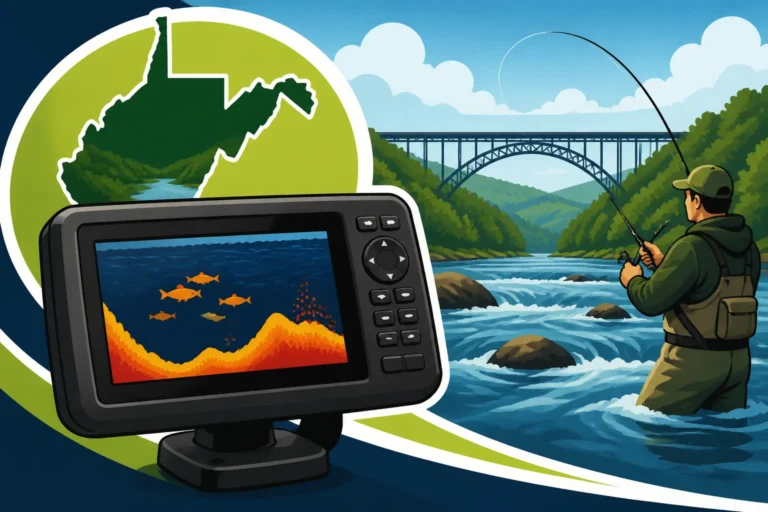
Modern ice fishing electronics, like flashers and LCD fish finders, are invaluable tools. They allow you to see your lure, any fish in the water column, and how fish react to your presentation. This visual feedback can quickly tell you if fish are ignoring a certain color or action, or if they're coming in to investigate. If you see fish on your screen but they're not biting a particular spoon color, that's your cue to switch it up! Observing how fish react to different colors and actions in real-time can drastically shorten your learning curve and lead to more consistent success, especially when fishing specific locations like some of the Best panfish ponds near Charleston West Virginia.
Ultimately, selecting the best spoon color for winter panfish is a dynamic process that combines understanding fish behavior, the science of light, and practical experimentation. By paying attention to water clarity, light conditions, and the mood of the fish, and by not being afraid to try something new, you'll be well on your way to a more productive and enjoyable ice fishing season in West Virginia.
Disclaimer
This article is for general informational purposes only and does not constitute professional advice. Laws, prices and regulations vary by location and change over time. Consult a qualified professional for guidance on your specific situation.