Best Wading Boots for Rocky Streams
Navigating the slick, unforgiving terrain of West Virginia's countless rocky streams and rivers is a challenge every angler knows well. The constant worry of slipping on an algae-covered boulder, twisting an ankle on an uneven riverbed, or feeling your feet give way in a swift current can turn a peaceful day of fishing into a stressful ordeal. This comprehensive guide is here to alleviate those fears, helping you understand the critical role of specialized wading boots and how to choose the best pair for keeping you upright, safe, and comfortable on our beautiful mountain waters.
Why Specialized Wading Boots are Non-Negotiable for West Virginia's Rocky Streams
You might think a sturdy pair of hiking boots or even old sneakers would suffice for wading, but the reality of West Virginia's waterways demands much more. Our streams and rivers present a unique set of challenges that can quickly turn an enjoyable outing into a dangerous situation without the right footwear. Investing in proper wading boots isn't just about comfort; it's about protecting yourself and making the most of your time on the water.
The Treacherous Terrain of Mountain State Waters
West Virginia truly is wild and wonderful, and that extends to its riverbeds. Our mountain streams, like the legendary Cranberry River or the picturesque Shavers Fork, are characterized by their constantly shifting, often algae-slicked rocks. Add to this the variable flow, from gentle ripples to powerful currents after a rain, and you have a recipe for potential spills. The rocks themselves can range from smooth, rounded river stones to jagged, angular chunks that demand incredible foot protection and stability.
Many experienced anglers have a story (or several) about taking an unexpected plunge or suffering a painful fall due to inadequate footwear. These aren't just minor inconveniences; a serious fall in cold water or strong current can lead to hypothermia, injury, or even lost gear. The sheer unpredictability of our riverbeds, combined with hidden potholes and unexpected drop-offs, means that every step you take while wading needs to be confident and secure. Your feet are your foundation, and if that foundation is unstable, your entire fishing experience is compromised.
Beyond the "Old Sneakers" Mentality
It's tempting to think you can get by with old athletic shoes or waterproof hiking boots, but they simply aren't designed for the rigors of constant submersion and treacherous river bottoms. Regular shoes lack the specific traction patterns and materials needed to grip slick rocks underwater. They also tend to hold water, making them heavy, uncomfortable, and slow to dry, which can lead to blisters and foot problems over a long day. Furthermore, their ankle support is often insufficient for the lateral stresses of navigating uneven submerged terrain.
Specialized wading boots, on the other hand, are engineered from the ground up for this very purpose. They feature robust ankle support, quick-draining materials, and most importantly, soles designed for maximum grip in wet, rocky environments. While the upfront cost might seem higher than a pair of sneakers, consider it an investment in your safety, comfort, and ultimately, your ability to enjoy fishing without constant worry. It's a small price to pay to avoid a twisted ankle or a ruined day on a pristine Best Trout Streams in West Virginia.
Understanding Wading Boot Sole Types: The Foundation of Your Grip
The sole of your wading boot is arguably the most critical component, directly dictating your stability and safety on wet, rocky surfaces. Over the years, two primary types have dominated the market: felt and rubber, with variations like studded soles offering enhanced traction for specific conditions. Each has its distinct advantages and disadvantages, and understanding these differences is key to making the right choice for your West Virginia adventures.
Felt Soles: The Traditional Rock Gripper
For decades, felt soles were the undisputed champions of wading traction, and for good reason. When wet, the dense, fibrous material of a felt sole creates a remarkable bond with slimy, algae-covered rocks, offering a level of grip that many swear by. This superior adhesion is particularly noticeable on the notoriously slick stones found in many of West Virginia's productive trout streams, allowing anglers to wade with a confidence that rubber soles sometimes struggle to match in the same conditions.
However, felt soles come with significant drawbacks. First, their performance diminishes drastically on dry land, mud, snow, or even loose gravel, where they can become incredibly slippery. Anglers often find themselves struggling on bank paths or while crossing muddy stretches. More importantly, felt has been a focal point in the conversation around invasive species. The porous nature of felt can trap microscopic organisms, including New Zealand mudsnails and the spores of whirling disease, and transport them from one waterway to another. While West Virginia doesn't have a statewide ban on felt soles, the West Virginia Division of Natural Resources (WVDNR) strongly encourages anglers to thoroughly clean and dry their felt-soled boots after every outing, especially if moving between different drainages. This "Check, Clean, Dry" ethic is vital for protecting our precious aquatic ecosystems from Invasive Fish Species in West Virginia Waters and other threats.
Rubber Soles: The Versatile Modern Option
Rubber-soled wading boots have gained immense popularity as technology has advanced, offering a compelling alternative to felt. Modern rubber compounds, often developed by companies like Vibram or proprietary blends from wading boot manufacturers, feature aggressive lug patterns and sticky formulas designed for excellent multi-directional grip. While they might feel slightly less "sticky" than felt on some algae-coated rocks, their overall versatility often outweighs this minor difference for many anglers.
The primary advantages of rubber soles include their superior performance on dry land, mud, and snow, making approaches to the water much safer and more comfortable. They shed debris more easily, dry faster, and, critically, pose a significantly lower risk of spreading aquatic invasive species compared to felt. This makes them a more environmentally conscious choice and often less prone to regulatory scrutiny. Many anglers find that with proper technique and perhaps the addition of studs (which we'll discuss next), rubber soles offer ample security for wading almost any West Virginia stream. They're a fantastic all-around option for those who fish a variety of waters, from the small mountain freestones to larger rivers like the Ohio River Fishing Guide for West Virginia Anglers.
Studded Soles and Cleats: When Extra Traction is Key
For those who demand the absolute maximum in traction, or who frequently fish in particularly challenging conditions, studded soles or boots designed to accept removable cleats are a game-changer. These typically involve metal (carbide, aluminum) studs or bars embedded into or screwed into a rubber sole. The studs bite into slippery surfaces, providing unparalleled grip on bedrock, icy patches, and extremely slick, algae-covered rocks where even felt might struggle. They can turn a precarious wade into a confident stride, especially in faster currents or during colder months when ice might be a factor.
The benefit of removable studs is that you can customize your traction based on the day's conditions and the specific water you're fishing. Heading to a notoriously slick section of the Elk River? Screw in those studs. Planning to fish a more forgiving stretch of the Greenbrier? Take them out. However, studded soles do have their downsides. They can be noisy, uncomfortable on dry land (imagine walking across a parking lot), and can severely damage boat floors or vehicle interiors if you're not careful. They're also not ideal for every scenario and can be overkill for gentle, gravel-bottomed streams. Always consider where you'll be fishing and whether the benefits outweigh the potential inconveniences.
Here's a quick comparison of the sole types:
| Sole Type | Grip on Wet, Algae-Slick Rocks | Grip on Dry Land/Mud | Invasive Species Risk | Durability | Versatility | Best Use Case |
|---|---|---|---|---|---|---|
| Felt | Excellent | Poor | High (if not cleaned) | Moderate | Low | Extreme slick rock wading, limited dry travel |
| Rubber | Good | Excellent | Low | Excellent | High | All-around wading, bank fishing, boat use |
| Studded (on Rubber) | Superior (with studs) | Poor (with studs) | Low (rubber sole) | Excellent | Moderate | Extreme conditions, heavy current, ice, slick rocks |
Key Features to Look For in Quality Wading Boots
Beyond the sole, several other features contribute significantly to a wading boot's performance, comfort, and longevity. When you're spending hours on your feet, navigating challenging terrain, these details make a world of difference. Don't overlook them when making your selection, as they can prevent discomfort, fatigue, and potential injury.
Support and Stability: Protecting Your Ankles
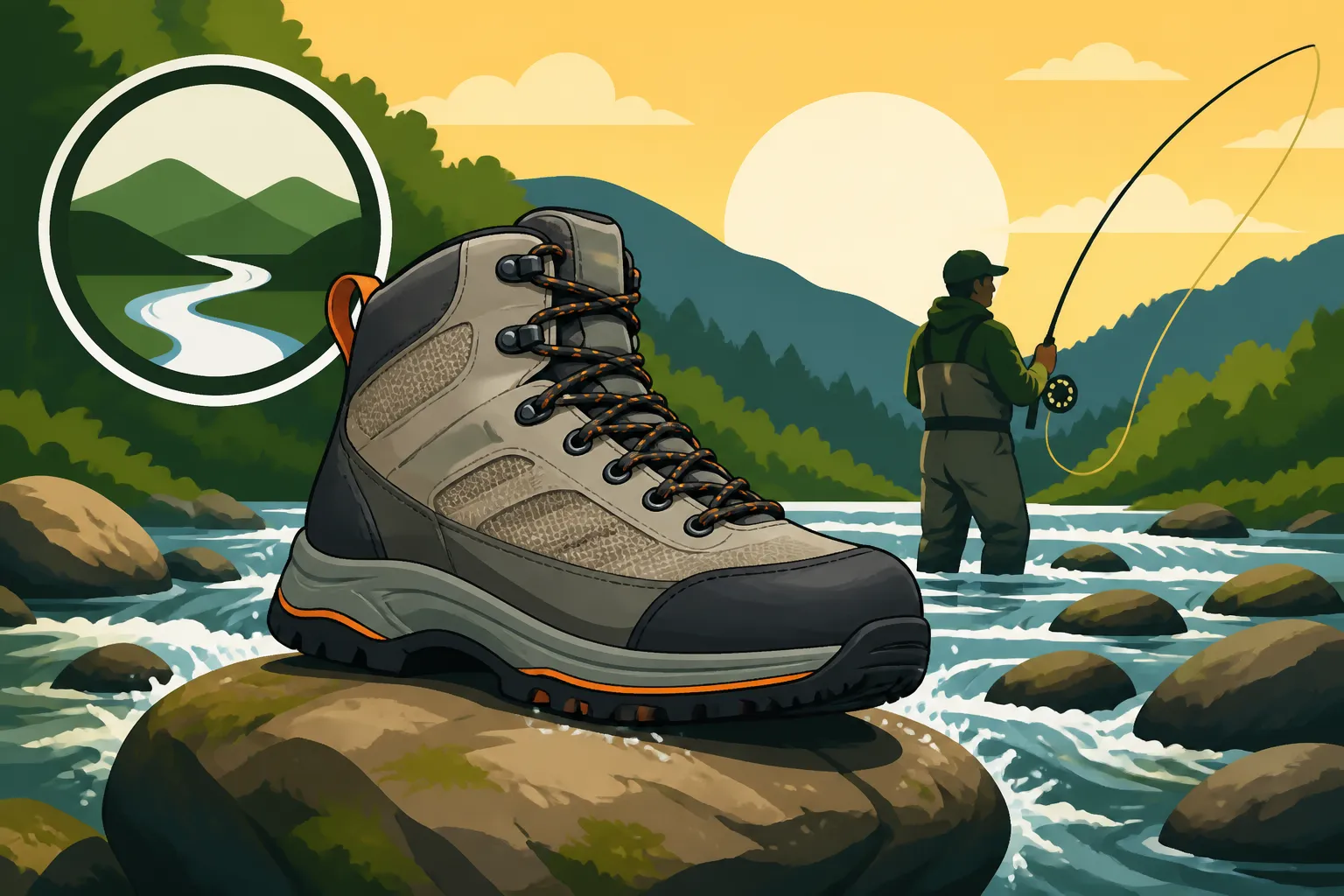
One of the most common injuries suffered by waders is a twisted or sprained ankle. This is precisely why high-quality wading boots prioritize ankle support and overall foot stability. Look for boots with a high cut that extends well above the ankle bone, providing crucial lateral support. This helps to brace your ankle against the uneven forces encountered when stepping on rounded rocks or navigating sideways against a current. A boot that feels flimsy around the ankle is an accident waiting to happen in our unpredictable streams.
The midsole of the boot also plays a critical role in stability and reducing foot fatigue. A stiff, well-constructed midsole prevents your foot from bending unnaturally over sharp rocks and provides a stable platform for walking on uneven surfaces. This stiffness also translates into better energy transfer, meaning less strain on your feet and legs over a long day of wading. Consider the lacing system as well: traditional laces offer customizable tightness, while modern Boa systems (found on some higher-end boots) provide quick, even tensioning with a simple dial, which can be a real convenience when your hands are cold or wet.
Durability and Materials: Built to Last
Wading boots take a beating. They are constantly submerged, scraped against rocks, and exposed to varying temperatures and conditions. Therefore, robust construction and durable materials are paramount. Look for boots with reinforced toe and heel caps, often made of rubber or a tough synthetic material, to protect your feet from impacts and abrasion. These areas are high-wear zones and need extra protection.
The upper materials should be quick-drying and resistant to punctures and tears. Many quality boots utilize durable synthetic fabrics like heavy-denier nylon, PVC, or specialized composite materials. While some traditional boots still incorporate leather, modern synthetics often offer superior drying times and resistance to rot. Pay attention to the stitching and glue; double-stitching and high-quality adhesives ensure the boot holds together under stress. A boot that starts to delaminate or tear after only a few outings is not only frustrating but also a waste of your hard-earned money. Brands like Simms and Orvis are known for their focus on durable, angler-specific construction.
Drainage and Comfort: Keeping Your Feet Happy
Nothing ruins a fishing trip faster than uncomfortable feet. Wading boots, by their very nature, are going to get wet inside. The key is how efficiently they shed that water. Look for boots with effective drainage ports, typically small mesh-covered holes strategically placed near the sole. These allow water to escape quickly when you step out of the stream, preventing your boots from becoming waterlogged and heavy. Poor drainage leads to soggy, squishy boots that are uncomfortable, increase fatigue, and can cause blisters.
Comfort also extends to the internal fit. Remember, you'll be wearing these boots over thick wading socks and often a neoprene stockingfoot wader. Ensure there's enough room for this layering without feeling too loose or tight. A snug fit is good for stability, but pinching or excessive pressure points will quickly become unbearable. Try on boots with the actual socks and waders you plan to use. Some boots also feature padded collars or internal cushioning for added comfort during long days on the water. A lightweight design is another bonus, as every ounce counts when you're lifting your feet hundreds of times while wading against a current.
Matching Boots to Your West Virginia Fishing Style and Local Regulations
Choosing the right wading boots isn't a one-size-fits-all decision. Your personal fishing style, the specific waters you frequent, and even current conservation considerations in West Virginia should all factor into your choice. What works perfectly for a dedicated fly angler chasing brook trout in a high-mountain stream might not be ideal for someone targeting smallmouth from a jon boat on the New River.
Fly Fishing vs. Spin Fishing: Different Demands
Fly anglers, especially those who primarily wade, often have the most demanding requirements for their boots. They spend a significant portion of their time in the water, meticulously navigating currents and slippery rocks to get into position for the perfect cast. For these individuals, maximum grip and ankle support are paramount. A felt sole (cleaned thoroughly!) or a highly aggressive rubber sole, perhaps with studs, might be preferred for ultimate security in slick, fast-flowing trout streams. Lightness and comfort during extended wading periods are also crucial, as foot fatigue can set in quickly.
Spin anglers, on the other hand, might have different priorities. If you mostly fish from a boat, like a drift boat on the New River Smallmouth Bass Fishing section or a jon boat on the Kanawha, your boots need to perform well both in and out of the water. You'll be climbing in and out of the boat, walking on boat ramps, and perhaps making shorter wades. For this style, a versatile rubber sole is often an excellent choice, offering good grip on varied terrain without the invasives-risk concern of felt or the boat-damaging potential of studs. Durability is always a plus, but the emphasis might shift slightly towards ease of entry/exit and overall comfort for mixed-use scenarios.
Specific West Virginia Water Conditions and Regulations
West Virginia's diverse waterways present varied challenges. The freestone streams of the Monongahela National Forest, like those around the Dolly Sods area, often have larger, more stable rock bottoms but can still be slick with algae. Waters like the Cranberry River or parts of the Elk River are renowned for their slippery substrate, making superior traction a must. In contrast, sections of the South Branch Potomac might offer more gravelly runs, where excessive sole aggression isn't as critical.
While there isn't a statewide ban on felt soles in West Virginia, responsible angling dictates a proactive approach to invasive species. Even if you choose felt, meticulously cleaning and drying your boots between outings, especially when moving between different river systems, is crucial. This means scrubbing them free of mud and debris, then letting them air dry completely for several days. Many anglers choose rubber soles specifically to mitigate this risk, embracing the "Play, Clean, Go" ethos promoted by conservation groups. Be aware of any localized regulations that might emerge in the future, as well as general best practices to protect the incredible fisheries, like those sustained by the West Virginia Trout Stocking Schedule.
Wading Boot Maintenance for Longevity and Bio-Security
Proper maintenance is not just about keeping your boots clean; it's about extending their lifespan and, critically, preventing the spread of aquatic hitchhikers. After every trip, especially from one watershed to another, you should rinse your boots thoroughly with a strong stream of water to remove any visible mud, plant matter, or debris. Pay extra attention to seams, laces, and crevices where small organisms can hide. Some anglers even use a diluted bleach solution (following manufacturer recommendations) or specialized cleaning products for felt soles to kill any unseen pathogens.
Once clean, it's vital to let your boots dry completely. This can take several days, particularly for felt. Store them in a well-ventilated area, ideally out of direct sunlight, which can degrade materials over time. Regularly inspect your boots for signs of wear and tear: loose stitching, separating soles, or worn-down felt/rubber. Addressing minor issues promptly can prevent them from becoming major problems. This diligent cleaning and drying not only preserves your gear but also plays a crucial role in safeguarding West Virginia's native fish populations, such as our beloved Brook Trout: West Virginia's Native and State Fish, from harmful invasive species.
Sizing and Purchasing Your Next Pair of Wading Boots
Getting the right fit for your wading boots is just as important as choosing the right sole. An ill-fitting boot can lead to discomfort, blisters, reduced stability, and ultimately, a miserable day on the water. Taking the time to properly size and select your boots will pay dividends in comfort and performance.
The Importance of Proper Sizing
Unlike regular shoes, wading boots need to accommodate more than just your foot. You'll be wearing thick wading socks, often made of wool or synthetic blends, and if you're using stockingfoot waders, a neoprene bootie. All of this adds bulk. Therefore, it's almost always recommended to size up from your street shoe size, typically by one full size, or even more if you have wide feet or plan on heavy layering in cold weather.
The absolute best way to size wading boots is to try them on while wearing the actual wading socks and waders you intend to use. Walk around the store, simulate wading movements if possible, and pay close attention to how your foot feels. You want a snug fit that prevents excessive heel lift or foot slide, but without any uncomfortable pinching or pressure points. Your toes should have room to wiggle, but not so much that your foot feels sloppy inside the boot. If buying online from retailers like Amazon, make sure to check their return policy carefully and consider ordering multiple sizes to find the perfect fit, then returning the others.
Where to Find Quality Wading Boots
You have several excellent options for purchasing wading boots, each with its own advantages. For the most personalized experience and expert advice, local specialty fly and tackle shops are often the best choice. Their staff are usually avid anglers themselves and can offer invaluable insights into what works best for specific local West Virginia waters. They'll help you try on different brands and models, ensuring a proper fit with your waders.
Larger outdoor retailers, such as Bass Pro Shops, offer a wider selection of brands and styles, often at competitive prices. You'll still be able to try on boots, compare features side-by-side, and benefit from their return policies. These stores are great for getting a hands-on feel for various options. Finally, online retailers like Amazon provide unmatched convenience and often the broadest selection of brands and models, sometimes at discounted prices. However, the caveat here is the inability to try them on beforehand. If purchasing online, I highly recommend trying on similar models at a brick-and-mortar store first to confirm sizing and feel, then buying online if you find a better deal. Remember that these boots are an essential piece of gear, much like your West Virginia Fishing License Guide for 2026, and a good pair will serve you for many seasons.
Disclaimer
This article is for general informational purposes only and does not constitute professional advice. Laws, prices and regulations vary by location and change over time. Consult a qualified professional for guidance on your specific situation.