Best Fluorocarbon Line for Clear River Water
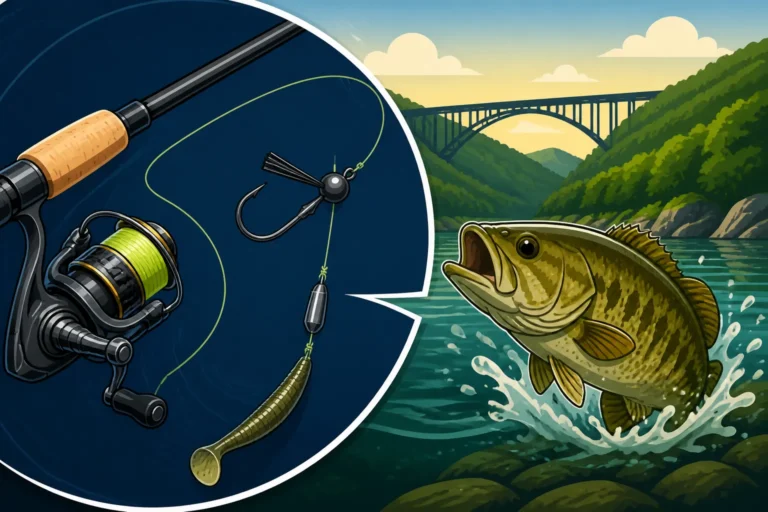
There's nothing quite like the crystal-clear waters of a West Virginia mountain stream or the calm, glassy stretches of a deep river pool. It's beautiful, isn't it? But for us anglers, those pristine conditions can also be incredibly frustrating. Those keen-eyed smallmouth bass or wily trout can spot a fishing line a mile away, sending them darting for cover before your lure even gets close. That's why understanding and choosing the best fluorocarbon line for clear river water is an absolute game-changer. This guide is all about helping you disappear your line where it matters most, giving you the stealth you need to outsmart West Virginia's finniest fish.
Why Fluorocarbon Shines in West Virginia's Clear Waters
When you're out on the New River, the South Branch of the Potomac, or any of our gorgeous, clear mountain trout streams, you're not just enjoying the scenery; you're also facing some of the most discerning fish around. These aren't murky pond dwellers; they've seen it all, and a visible fishing line is often enough to send them packing. This is where fluorocarbon truly comes into its own, offering advantages that other lines simply can't match in these conditions.
The Invisibility Factor: How Fish See Your Line
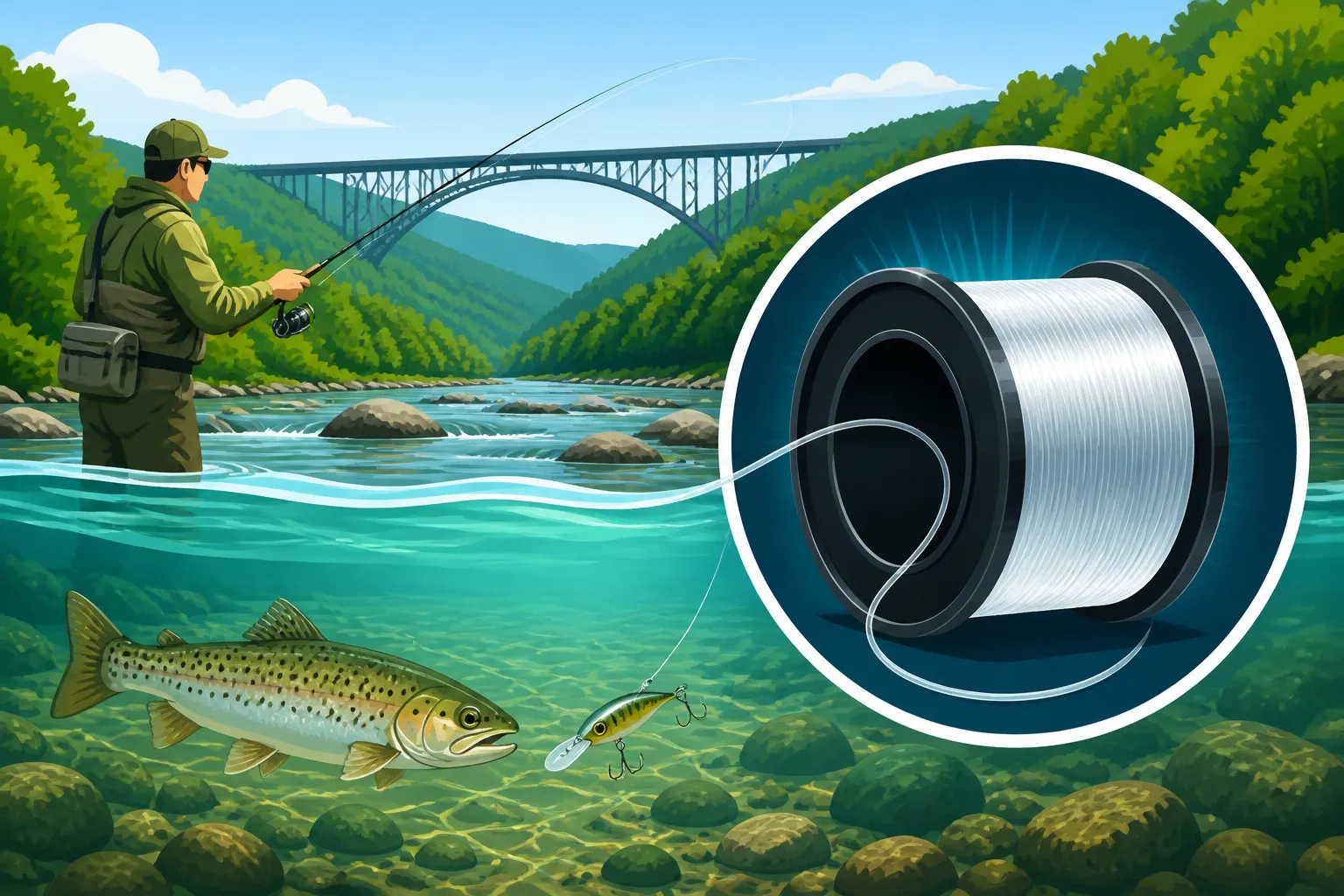
Let's talk about light. When light hits water, it bends, or refracts. Different materials cause light to bend at different angles. Monofilament nylon line has a refractive index that's quite different from water, making it stand out like a neon sign, especially in bright sunlight or crystal-clear conditions. Braid is even worse, as it's typically opaque and often colored. Fluorocarbon, however, has a refractive index that is incredibly close to that of water. What does this mean for you? It means that when your fluorocarbon line enters the water, light passes through it almost as if it weren't there.
Think about standing on the bank of the Elk River, casting to a beautiful brown trout holding in a shallow riffle. That fish is constantly looking up, not just for bugs but also for threats. If it sees a thick, shiny monofilament line trailing your fly or lure, it's gone. With fluorocarbon, especially in lighter pound tests, your line effectively vanishes. This near-invisibility dramatically reduces the chance of spooking fish that rely heavily on their eyesight, which is almost every species in our clear West Virginia waters, from brook trout in high-elevation streams to smallmouth bass in the New River Gorge Fishing Guide.
Unmatched Sensitivity for Subtle Bites
Beyond its stealth, fluorocarbon also offers a significant edge in sensitivity. It's a denser material than monofilament, which means it transmits vibrations and subtle movements much more efficiently. Imagine you're fishing a deep pool on the Greenbrier River for smallmouth bass. Sometimes those bites are barely a tick, especially if the fish are lethargic or just nipping at the tail of your jig. With a sensitive line, you feel every bump, every rock, and most importantly, every single one of those hesitant takes.
This increased sensitivity isn't just about feeling a bite; it's about understanding what your lure is doing underwater. Are you dragging across gravel? Bouncing off a log? Fluttering through weeds? Fluorocarbon communicates all this back to you through your rod. In a state like West Virginia, where many of our rivers have complex, rocky bottoms and varying currents, this feedback is invaluable. It allows you to present your lure more effectively, detect the most finicky bites, and react quickly to set the hook, turning tentative strikes into landed fish.
Superior Abrasion Resistance Against Rocks and Debris
West Virginia's rivers are wild and untamed, and that means lots of natural structure. We're talking about jagged rocks, submerged timber, fallen trees, and even old mussel beds. These are all prime fish-holding spots, but they're also notorious for shredding fishing line. This is where fluorocarbon truly outperforms many other lines. Its hard, dense, and non-porous surface makes it incredibly resistant to abrasion.
Unlike monofilament, which can easily nick and fray, or braid, which can get fuzzy and cut surprisingly easily on sharp edges, fluorocarbon stands up to the punishment. When you're dragging a jig along the bottom of the Gauley River or fighting a feisty smallmouth that dives into a logjam, that abrasion resistance is your best friend. It significantly reduces the chances of your line breaking mid-fight or after a few casts over rough terrain, saving you lures and heartbreak. This durability means you can fish more aggressively around structure, which is often where the biggest fish hide, giving you the confidence that your line can handle the abuse.
Understanding Fluorocarbon: Main Line vs. Leader Material
When anglers first consider fluorocarbon, one of the biggest questions is often whether to spool it entirely on their reel as a main line or use it specifically as a leader. Both approaches have their merits, and the "best" choice often depends on the specific fishing scenario, target species, and even personal preference. There's no one-size-fits-all answer, but understanding the pros and cons of each setup is key to optimizing your West Virginia fishing adventures.
When to Use Fluorocarbon as Your Main Line
Spooling your entire reel with fluorocarbon as the main line offers the ultimate in stealth and sensitivity. Every inch of line from your reel to your lure disappears underwater, and every vibration from the depths is transmitted directly to your rod tip. This can be particularly effective for highly technical presentations or when targeting exceptionally wary fish in gin-clear waters, such as during a bright, calm day on a stocked trout stream or a still section of a clear lake. For light tackle applications, like finesse jigging for crappie or light spinning for trout, a full fluorocarbon spool can offer unparalleled performance.
However, using fluorocarbon as a main line does come with its challenges. It's generally stiffer and has more memory than monofilament, which can lead to more line twists, coils, and potentially shorter casting distances, especially with lighter lures. It's also typically more expensive than monofilament, so spooling an entire reel can be a significant investment. Anglers often find that lines with less memory, often labeled as "soft" or "supple" fluorocarbon, perform better as a main line. These are great for casting lighter baits where you need that direct, sensitive connection without any stretch, like when using a weightless worm for largemouth bass or tiny jigs for panfish.
The Power of a Fluorocarbon Leader with Braid
For many West Virginia anglers, the sweet spot lies in combining a braided main line with a fluorocarbon leader. This hybrid setup offers a fantastic blend of advantages. Braided line, being incredibly strong for its diameter, provides exceptional casting distance and zero stretch, allowing for immediate hook sets and unparalleled sensitivity. However, braid is highly visible underwater and has virtually no abrasion resistance against sharp objects.
This is where the fluorocarbon leader comes in. You tie a length of fluorocarbon (typically 3-10 feet, but sometimes longer) to the end of your braided main line using a strong, reliable knot like the FG knot, Alberto knot, or a Double Uni knot. This leader provides the critical invisible link to your lure, preventing fish from seeing your line. It also offers crucial abrasion resistance where it's needed most—around the lure and in direct contact with structure. This system allows you to capitalize on the strengths of both lines: the casting power and sensitivity of braid, combined with the stealth and durability of fluorocarbon. It's a go-to setup for How to Catch Smallmouth Bass in West Virginia Rivers and for anyone fishing murky main rivers that transition into clearer tributaries. Many serious anglers buying tackle at Bass Pro Shops or on Amazon opt for high-quality braided lines paired with various sizes of fluorocarbon leader material.
Integrating Fluorocarbon Leaders with Monofilament
While not as common as the braid-to-fluoro setup, there are situations where pairing a fluorocarbon leader with a monofilament main line can be beneficial. Monofilament offers a good balance of strength, stretch, and manageability, making it forgiving for beginners and excellent for certain applications where a little stretch is desired, such as fishing topwater lures where the mono's buoyancy and stretch can absorb sudden strikes without pulling the lure away. It's also more affordable than fluorocarbon.
However, monofilament's visibility is its main drawback in clear water. By adding a fluorocarbon leader to your monofilament main line, you gain the benefits of invisibility and abrasion resistance at the business end of your setup. This is particularly useful in scenarios where you're using mono for its specific characteristics (like a longer leader for float fishing or a very soft presentation for timid fish) but still need to minimize line visibility right near the bait. The monofilament provides the forgiving stretch and castability, while the fluorocarbon leader gives you that crucial stealth. Think of it as enhancing your mono rig for those particularly clear West Virginia days without completely overhauling your tackle.
Key Characteristics to Consider When Choosing Fluorocarbon
Not all fluorocarbon lines are created equal, and choosing the right one can make a huge difference in your success on West Virginia's diverse waters. When you're standing in the fishing aisle or browsing online, it's easy to get overwhelmed by the options. But by understanding a few key characteristics, you can make an informed decision that perfectly matches your fishing style and target species.
Pound Test and Diameter: Matching Line to Target Species
The pound test refers to the breaking strength of the line, while diameter relates to its thickness. These two factors are intrinsically linked. A higher pound test generally means a thicker diameter, and this directly impacts both visibility and strength. For Trout Fishing in West Virginia in those pristine, clear streams, you'll want very light lines, often 2-6 pound test. These thin diameters are nearly invisible, crucial for wary brook, rainbow, or brown trout. However, they are also more delicate and require finesse in fighting fish.
| Species (Primary Target) | Recommended Fluorocarbon Pound Test (Leader) | Typical Diameter (Approx. Inches) | Considerations |
|---|---|---|---|
| Smallmouth Bass | 6-12 lb | 0.009 – 0.012 | Versatile for jigs, crankbaits, soft plastics in rivers like the New or South Branch. Balance of strength & stealth. Smallmouth Bass Fishing in West Virginia |
| Trout (Stocked) | 2-6 lb | 0.006 – 0.008 | Ultra-thin for clear mountain streams and wary stocked fish. Maximize invisibility for delicate presentations. |
| Trout (Wild/Native) | 2-4 lb | 0.005 – 0.007 | Extreme finesse for the most discerning wild fish; often paired with fly setups or ultralight spinning gear. |
| Walleye | 8-15 lb | 0.010 – 0.014 | Good for jigging or trolling in clearer lake sections; balances sensitivity with strength for hook sets. |
| Largemouth Bass | 8-20 lb | 0.010 – 0.016 | Heavier tests for pitching into cover or using larger baits in clearer lakes. |
| Muskie/Pike | 60-100 lb | 0.025 – 0.035 | Heavy leaders are crucial for toothy predators; prioritize abrasion resistance and sheer breaking strength over invisibility. Muskie Fishing in West Virginia |
| Panfish (Crappie, Bluegill) | 2-4 lb | 0.006 – 0.007 | Light and invisible for small lures and light bites. |
Conversely, if you're chasing larger fish like largemouth bass in Summersville Lake or need to present heavier baits, you might opt for 10-20 pound test. For muskie leaders, you're looking at lines in the 60-100 pound test range, where abrasion resistance and sheer strength are paramount, and the slight increase in visibility is an acceptable trade-off for preventing cut-offs from sharp teeth. Always remember that while a thinner line is less visible, it also has less breaking strength, so choose the lightest line you can get away with for the conditions and the fish you're targeting, while still being able to confidently land your catch.
Manageability and Memory: Overcoming Fluorocarbon's Challenges
One of the most common complaints about fluorocarbon, especially when used as a main line, is its stiffness and tendency to "remember" the shape of the spool, leading to coils and tangles. This is often referred to as "memory." Some lower-quality or heavier pound test fluorocarbons can be notoriously unmanageable, causing frustrating backlashes and poor casting performance. This is less of an issue when using it purely as a leader, as you're only dealing with a short section.
However, manufacturers have made huge strides in recent years to produce more supple, lower-memory fluorocarbon lines. These improved versions are often labeled as "soft" or "casting" fluorocarbon. When selecting, look for lines specifically designed for main line use if that's your intention. If you're struggling with memory, consider using a line conditioner or stretching your line gently before fishing. Ultimately, finding a balance between the line's inherent stiffness (which contributes to its sensitivity and abrasion resistance) and its manageability for casting is a key factor in angler satisfaction. Brands sold at retailers like Bass Pro Shops or through Amazon typically offer a range of options, from budget-friendly choices to premium, highly manageable lines.
Knot Strength and UV Resistance
Knot strength is a critical characteristic for any fishing line, but it takes on particular importance with fluorocarbon. Due to its smooth, dense, and less elastic nature compared to monofilament, fluorocarbon can be prone to slipping or breaking at the knot if not tied correctly. It's essential to use knots specifically designed for fluorocarbon, like the Palomar knot, improved Clinch knot, or Uni knot for direct ties. When connecting a fluorocarbon leader to a braided main line, the FG knot or Alberto knot are excellent choices for their strength and low profile. Always wet your knots thoroughly with saliva before tightening to reduce friction and heat, which can weaken the line. Pull the knot slowly and evenly to seat it properly.
Another significant advantage of fluorocarbon is its exceptional UV resistance. Unlike monofilament, which can degrade and weaken over time from exposure to sunlight, fluorocarbon is highly resistant to UV rays. This means your line will maintain its strength and integrity for much longer, even if it's left spooled on a reel in the sun. This durability is a huge plus for anglers who might not replace their line constantly or who fish frequently in bright conditions. It translates to greater confidence in your gear and fewer unexpected line failures.
Top Fluorocarbon Options for West Virginia Anglers
Navigating the world of fishing lines can feel like a maze, with endless brands and variations. But for West Virginia anglers specifically tackling clear river water, certain fluorocarbon lines consistently stand out for their performance. While I can't name specific product lines or provide pricing details, I can tell you about the types of lines that excel in various situations and highlight what to look for when shopping at your favorite tackle shop or online.
General Purpose and Bass Fishing Fluorocarbons
For most bass fishing scenarios in West Virginia's clear rivers and lakes – think smallmouth on the New River or largemouth in Bluestone Lake – you'll want a fluorocarbon that offers a good balance of strength, abrasion resistance, and casting performance. These lines are designed to handle the diverse techniques involved in bass fishing, from pitching jigs into cover to throwing crankbaits in open water. Look for lines that boast "low memory" or "casting friendly" features. These will typically be more supple than older generations of fluorocarbon, making them easier to manage on your spinning or baitcasting reels.
Brands that focus on the North American bass market often excel in this category, offering a range of pound tests suitable for various bass fishing applications. You'll find options that are tough enough to withstand the abuse of rocky river bottoms but still sensitive enough to detect subtle bites. Many anglers will purchase a larger spool of these lines to use as their primary leader material, cutting off sections as needed. Whether you're chasing the bronze backs in the Shenandoah or the bucket mouths in East Lynn Lake, a good general-purpose fluorocarbon is indispensable for clear water situations. This type of line is readily available from major retailers like Bass Pro Shops and numerous online vendors such as Amazon, making it easy to stock up on different pound tests. Best Tackle for West Virginia Smallmouth Bass is a great resource if you're building out your bass fishing arsenal.
Finesse and Trout-Specific Fluorocarbons
When it comes to the highly visual world of trout fishing, or any other finesse application where the utmost invisibility and suppleness are required, you need specialized fluorocarbon. These lines are often much thinner in diameter for their given pound test, designed to present tiny flies or micro-jigs without spooking ultra-wary fish. They prioritize stealth above all else, often having a very low refractive index to vanish completely in clear water.
For Fly Fishing for Trout in West Virginia or ultralight spinning gear on the Cranberry River, you'll want fluorocarbon tippet or leader material that is incredibly supple and has excellent knot strength with delicate lines. These lines are engineered to perform in the coldest, clearest mountain streams, offering superior abrasion resistance against sharp rocks while remaining nearly invisible. They often come in smaller spools, as they are typically used for leaders or tippets. Anglers targeting the native brook trout in high-elevation streams or pursuing selective wild brown trout will find these specialized fluorocarbons indispensable for their delicate presentations.
Heavy-Duty Leaders for Tooth Critters
Now, let's talk about the big toothy fish that lurk in West Virginia's waters: the mighty muskie. When you're targeting these apex predators, stealth is still a factor, but sheer brute strength and extreme abrasion resistance become paramount. Muskie have mouths full of razor-sharp teeth that can sever standard fishing line in an instant. This is where heavy-duty fluorocarbon leaders, typically in the 60 to 100+ pound test range, are absolutely non-negotiable.
These lines are much thicker and stiffer than those used for bass or trout, designed to withstand violent strikes and the constant grinding against those formidable teeth. While a thick leader might seem counter-intuitive to invisibility, the sheer size and aggressive nature of muskie often mean they're less line-shy than other species, and the protection it offers is worth any minor visibility compromise. Many muskie anglers will buy large spools of this heavy fluorocarbon specifically for tying their own leaders, customizing lengths and attachment hardware. When you're spending good money on muskie lures, protecting them with a high-quality, heavy-duty fluorocarbon leader is a smart investment. You can find these heavier lines at specialist tackle shops or online, and they are essential for safe and successful Muskie Fishing in West Virginia. Knowing Where to Find Muskie in West Virginia is only half the battle; having the right gear is the other.
Tips for Maximizing Your Fluorocarbon Performance
Getting the most out of your fluorocarbon line isn't just about picking the right spool; it's also about how you handle, tie, and maintain it. Like any specialized tool, fluorocarbon performs best when you understand its quirks and use it correctly. A little extra care and attention can drastically improve your success rate and extend the life of your expensive line.
Proper Knot Tying Techniques
This cannot be stressed enough: fluorocarbon requires specific attention to knot tying. Its dense, hard surface and lower elasticity mean that traditional knots tied loosely or improperly can slip or cause the line to break under stress. The friction created when tightening a dry knot can also weaken the line. Always, and I mean always, wet your knots thoroughly with saliva or water before pulling them tight. This lubrication reduces friction and heat buildup, allowing the knot to seat properly and maintain its strength.
For tying lures or hooks directly to fluorocarbon, the Palomar knot is often considered one of the strongest and most reliable for fluorocarbon. The Improved Clinch knot is another solid choice, but ensure you make enough wraps (usually 6-7 with lighter line) and pull it slowly. When connecting a fluorocarbon leader to a braided main line, the FG knot is widely regarded as the strongest and most streamlined, gliding through rod guides effortlessly. It can be tricky to learn, but it's worth the effort. Alternatively, the Alberto knot or Double Uni knot are also effective and a bit easier to master. Practice these knots at home before you hit the water, especially if you're trying a new type of fluorocarbon. A bad knot is the weakest link, and it will cost you fish.
Line Care and Maintenance
Even with its inherent UV resistance, fluorocarbon still benefits from good care. Regularly inspect the first few feet of your leader or main line for any nicks, abrasions, or kinks, especially after fishing around heavy cover or rocky areas. Fluorocarbon is durable, but it's not indestructible. If you find any damage, don't hesitate to cut off a few feet and re-tie. It's a small price to pay to prevent a break-off with a trophy fish.
When not in use, store your rods in a cool, dark place to minimize any potential degradation, though UV light is less of a concern than with mono. While many modern fluorocarbons have improved memory, line conditioners can still help keep your main line supple and reduce coiling. Some anglers even suggest spooling fluorocarbon onto your reel under slight tension to help it lay better. For your leader spools, keep them out of direct sunlight in your Best Tackle Box Setup for West Virginia Anglers. Replacing leaders regularly, especially after a few fish or after rubbing against structure, is a habit that will pay off in landed fish and peace of mind.
Understanding Water Conditions and Optimal Use
While fluorocarbon is fantastic for clear water, it's not always the only answer. Understanding water conditions is key to optimizing its use. In exceptionally clear rivers like those found in the Monongahela National Forest, fluorocarbon is hard to beat. However, if you find yourself fishing a particularly muddy section of the Kanawha River after a heavy rain, where visibility is low, the stealth benefits of fluorocarbon are greatly diminished. In such conditions, the zero-stretch and brute strength of braided line might be more advantageous, or the stretch and buoyancy of monofilament for topwater baits in stained water.
Always consider the overall clarity of the water you're fishing. Even in generally clear rivers, there can be pockets of turbidity. Also, think about the depth. The deeper you go, the less light penetrates, and line visibility becomes less of an issue. Use fluorocarbon where its strengths are most pronounced: in clear, shallow, or moderately deep water where fish rely on sight. It's about having the right tool for the job. West Virginia's weather can be unpredictable, influencing water clarity rapidly, so being prepared with different line options or leader materials is smart. Knowing the Best Time of Year to Fish in West Virginia will help you anticipate conditions and choose your lines accordingly.
Disclaimer
This article is for general informational purposes only and does not constitute professional advice. Laws, prices and regulations vary by location and change over time. Consult a qualified professional for guidance on your specific situation.