Best Waders for West Virginia Trout Streams
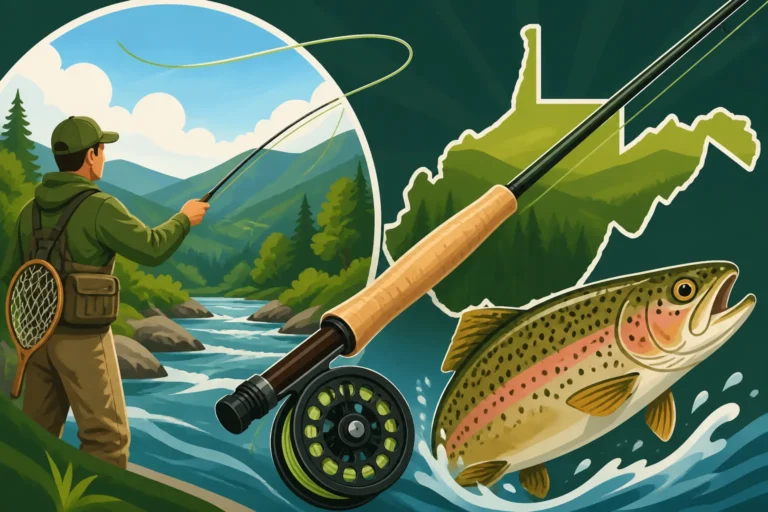
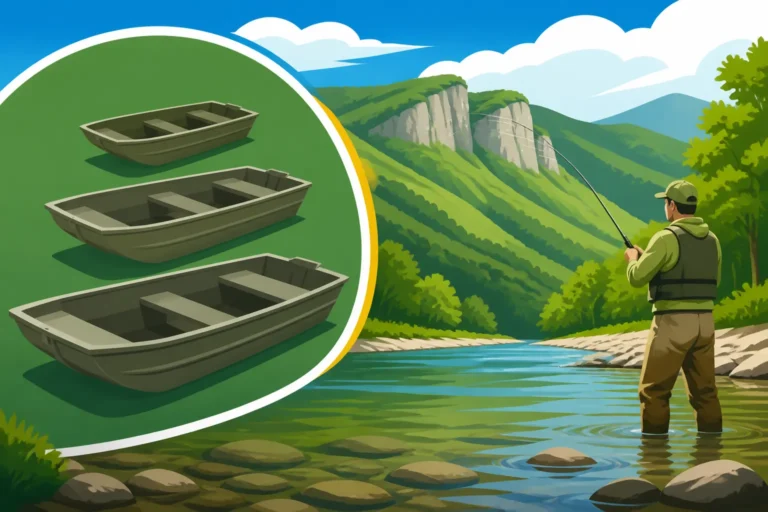
Oh, the sheer joy of standing waist-deep in a pristine West Virginia trout stream, the cool water swirling around you, the anticipation building with every cast. But let's be real, that picture-perfect moment can quickly turn into pure misery if you're not properly equipped. Chilly waters, slippery rocks, and rough stream bottoms are just a few of the challenges our beloved mountain state throws at us, and trying to navigate them without the right gear can make for a short, frustrating day. That's why having the best waders isn't just a luxury; it's absolutely essential for a comfortable, safe, and ultimately more successful day chasing trout. This guide is all about helping you understand what makes a great pair of waders and how to choose the perfect set for your West Virginia adventures.
Why Waders Are Non-Negotiable for West Virginia Trout Fishing
There’s a common misconception, especially among newer anglers, that waders are only for the coldest days or for those hardcore fly fishers. Nothing could be further from the truth, especially in West Virginia. Our streams, even in the height of summer, are fed by cool mountain springs and often run with surprising vigor. Waders are the bridge between you and the best fishing experiences, unlocking opportunities you just can't get from the bank.
Accessing Prime Fishing Lies
Think about it: how many times have you been standing on the bank of a beautiful stream, looking longingly at a deep pool on the other side, or a subtle current break mid-stream, knowing that's exactly where the big one is hiding? Without waders, those spots remain frustratingly out of reach. West Virginia's trout streams, from the smallest freestone creeks to the larger tailwaters like the Elk River, are often lined with thick rhododendron, steep banks, or private property, limiting bank access. Best Trout Streams in West Virginia are often best fished by being in the water.
Waders allow you to step into the current, carefully navigate around obstacles, and position yourself perfectly to present your fly or lure to fish that rarely see angling pressure. You can cross to the opposite bank, walk upstream or downstream through riffles and runs, and effectively cover much more water. This isn't just about catching more fish; it's about fully experiencing the stream and its hidden secrets, truly becoming part of the environment rather than just an observer.
Staying Comfortable in Chilly Waters
Even on a scorching August afternoon, those Appalachian stream waters rarely get above 60 degrees Fahrenheit, and many stay much colder. Spend an hour or two with wet feet or legs, and you'll quickly feel the chill seep into your bones. This isn't just uncomfortable; it can be downright dangerous, leading to hypothermia in extreme cases, and at the very least, it cuts your fishing day short.
Good waders provide that critical barrier, keeping you dry and insulated from the cold water. They allow you to focus on your casting, your drift, and the subtle takes of a trout, instead of shivering and counting down the minutes until you can get back to the truck. Whether you're standing still in a deep run or actively wading against a strong current, your body temperature remains stable, allowing for longer, more enjoyable outings. Comfort equals endurance, and endurance means more time with your line in the water, which is what we all want, right?
Stealth and Presentation Advantages
Trout, especially the wild and wary ones found in many Brook Trout: West Virginia's Native and State Fish streams, are incredibly sensitive to vibrations and shadows. When you're walking along a streambank, your footsteps, your silhouette against the sky, and even the sound of your gear can easily spook fish. Getting into the water, even just a few feet from the bank, significantly reduces your presence.
Wading allows you to approach fish from downstream, minimizing your profile and the chances of casting a shadow over their feeding lanes. You can get into optimal casting positions, often behind cover or to the side of a prime feeding lie, allowing for more natural and precise presentations. Imagine being able to cast a delicate dry fly without fighting overhanging branches, or drift a nymph through a complex current seam with perfect accuracy. These subtle advantages often make the difference between an empty creel and a memorable catch. It truly allows for more finesse in your Fly Fishing for Trout in West Virginia efforts.
Decoding Wader Types: Choosing Your Armor for the Stream
Just like you wouldn't use a hammer for every single DIY project, not all waders are created equal or designed for the same conditions. Understanding the different types available is crucial to making an informed decision that suits your specific needs and the unique demands of West Virginia's diverse trout waters.
Breathable Waders: The All-Season Champion
If you ask seasoned West Virginia anglers what kind of waders they prefer, a large majority will point to breathable waders. These are, hands down, the most popular and versatile option for most fishing conditions in our state. The magic lies in their advanced multi-layer fabrics, like those using GORE-TEX or similar proprietary membranes. These materials are engineered to be waterproof from the outside, keeping stream water out, but crucially, they allow moisture vapor (your sweat!) from the inside to escape.
This breathability is a game-changer, especially during warmer months or when you're hiking a good distance to reach a remote stream. You stay dry from the inside out, preventing that clammy, uncomfortable feeling that traditional waterproof-only materials cause. While they might seem lighter, their true strength is their versatility. In warmer weather, you wear minimal layers underneath. When the West Virginia trout season dates and closures push into colder months, you simply layer up with fleece or thermal underwear. This adaptability makes them a fantastic investment for anyone who plans to fish year-round or across varying temperatures. They offer excellent mobility, which is key for navigating slippery stream beds and making those acrobatic casts.
Neoprene Waders: Built for the Cold
When the mercury truly drops, and you're thinking about fishing during West Virginia's late fall, winter, or early spring, neoprene waders become your best friend. These are the warmest wader option, made from the same synthetic rubber material used in wetsuits. Neoprene provides excellent insulation, trapping a thin layer of water against your skin (if you get wet, though the goal is to stay dry!) and warming it with your body heat, or simply creating a thick insulating barrier. Common thicknesses are 3mm and 5mm, with 5mm being the choice for the absolute coldest conditions.
The trade-off for this superior warmth is breathability – or rather, the lack thereof. Neoprene waders don't breathe much, if at all. This means that if you're hiking a lot or fishing on a warmer day, you can quickly overheat and get sweaty inside, which ironically can make you feel colder once you stop moving. However, for those days when you're standing relatively still in frigid water, perhaps Ice Fishing in West Virginia (though you might not be wearing waders then, the principle of cold protection applies), or during the early trout season when the water is icy, neoprene is unbeatable for keeping you toasty warm. Many anglers will have a pair of both breathable and neoprene waders to cover all their bases throughout the year.
Hip Boots and Wading Pants: For Shallower Pursuits
Sometimes, you don't need to go full chest-waders. For very small streams, shallow sections of larger rivers, or warm summer days when you just need to keep your lower half dry while splashing around a little, hip boots or wading pants can be a great, lighter alternative.
Hip boots are essentially waterproof boots that extend up to your thigh, held up by a strap that attaches to your belt. They're quick to put on and take off, pack down relatively small, and are perfect for crossing narrow creeks or fishing very shallow runs. They offer maximum mobility and are much cooler than full waders. However, their limitations are obvious: venture into water deeper than your mid-thigh, and you're getting wet. They’re fantastic for specific scenarios, like quick access across a low-water tributary or working the edges of a beaver pond.
Wading pants are like breathable waders but cut off at the waist. They offer the same breathable comfort as full waders but are designed for situations where you know you won't be going deeper than your waist. They're lighter, less restrictive, and cooler than chest waders, making them ideal for summer smallmouth fishing or trout fishing on very shallow streams where you're mostly just getting your feet wet. Again, like hip boots, you need to be mindful of water depth, but for specific conditions, they can significantly enhance comfort and mobility.
Essential Features: What Makes a Pair of Waders Stand Out
When you're shelling out your hard-earned cash for a good pair of waders, you want to make sure they'll stand up to the rigors of West Virginia's rugged environment. It’s not just about keeping water out; it’s about durability, comfort, and intelligent design that enhances your fishing experience. Skimping on these features can lead to leaks, discomfort, and a premature trip to the trash can.
Durability and Construction: A Long-Term Investment
West Virginia streams are beautiful, but they can be brutal on gear. Jagged rocks, fallen timber, thorny bushes along the bank, and even sharp ice in winter are all potential enemies of your waders. This is why durability is paramount. Look for waders with reinforced knees and seat areas. These high-wear zones are often made with a thicker layer of the same fabric or an additional, more abrasion-resistant material. You'll thank yourself when you stumble on a slick rock or kneel to release a fish.
The quality of the seam construction is another critical factor. Most leaks don't come from punctures in the fabric itself, but from faulty seams. Look for waders that boast double-taped, welded, or reinforced seams. Advanced construction techniques like sonic welding (where fabric is fused together without stitching) tend to be more durable and less prone to leaks than traditional stitching. High-quality zippers, buckles, and suspender attachments are also indicators of overall craftsmanship. A cheap plastic buckle that snaps in freezing temperatures can ruin your day just as quickly as a leaky seam. Investing in a brand known for its robust construction, like those found at Bass Pro Shops, often pays dividends in longevity.
Fit and Comfort: Your Second Skin
A good fit is arguably the most important aspect of waders, next to being waterproof. Waders that are too tight will restrict your movement, making it difficult to hike, bend, or cast, and can put undue stress on seams, leading to leaks. Too baggy, and you'll have excess fabric bunching up, creating drag in the water, tripping hazards, and making you look like you're wearing an oversized potato sack.
Properly fitting waders should allow for a full range of motion without pulling or binding. This means you should be able to comfortably squat, step over imaginary logs, and lift your knees high. Adjustable suspenders are a must, allowing you to fine-tune the shoulder fit and keep the waders from sagging. Many modern waders also come with integrated gravel guards, which are essential for preventing small pebbles and sand from entering your wading boots. These guards usually have a hook that attaches to your boot laces, creating a seamless barrier. Neoprene booties, which are integrated into stockingfoot waders, should fit snugly but not be constricting, ensuring good circulation and compatibility with your wading boots.
Storage and Convenience: Practicality on the Water
While the primary function of waders is to keep you dry, modern designs incorporate numerous features that greatly enhance convenience on the water. Thoughtful storage options can make a huge difference, especially when you're trying to stay organized and efficient.
Look for a variety of pockets. Exterior chest pockets are fantastic for quick access to fly boxes, leaders, or a cell phone (in a waterproof case, of course!). Internal pockets, often zippered, are great for keeping valuables secure and dry. Some waders include a "flip-out" internal pocket that allows you to quickly access essential items without fumbling around. Hand warmer pockets, often fleece-lined, are a godsend on chilly days, giving your cold fingers a place to recover between casts. Gear attachment points, such as D-rings or loops, can be incredibly useful for clipping on zingers, nippers, hemostats, or even a small net, keeping your tools close at hand and preventing them from dropping into the current. These seemingly small details contribute significantly to a hassle-free and enjoyable day on the water.
Wader Materials: A Deep Dive into Performance
The material your waders are made from dictates almost everything about their performance: their breathability, warmth, durability, and even how they feel on your body. Understanding the science behind these fabrics helps you choose the right tools for the job, especially when facing West Virginia's diverse fishing conditions.
GORE-TEX and Proprietary Breathable Fabrics
When people talk about high-performance breathable waders, GORE-TEX is often the first name that comes to mind, and for good reason. GORE-TEX is a membrane with billions of microscopic pores that are too small for liquid water droplets to pass through, but large enough for water vapor molecules (sweat) to escape. This means rain and stream water stay out, while your body's perspiration can evaporate, keeping you dry and comfortable from the inside.
Many wader manufacturers also use their own proprietary breathable fabrics, often with similar membrane technologies. Companies like Simms, Orvis, and Patagonia have invested heavily in developing their own multi-layer systems that offer comparable performance. These fabrics typically consist of an outer layer for abrasion resistance, a middle waterproof-breathable membrane, and an inner lining for comfort and protection of the membrane. The number of layers (e.g., 3-layer, 4-layer, 5-layer) often indicates the fabric's durability and breathability, with more layers generally meaning better performance and robustness in key areas. These materials are lightweight, packable, and offer superior mobility, making them ideal for active anglers who hike to their spots or fish in varied temperatures. The price point can be higher, but for the performance and comfort, many consider it a worthwhile investment. You'll find a wide range of these high-tech waders available through retailers like Amazon, offering different price points and feature sets.
Neoprene: Warmth Without Weight
Neoprene is a synthetic rubber known for its excellent insulating properties. Unlike breathable fabrics that rely on vapor transfer, neoprene works by trapping air bubbles within its closed-cell foam structure. This trapped air acts as an insulating barrier against cold water. As mentioned earlier, common thicknesses for fishing waders are 3mm and 5mm. A 3mm neoprene wader provides a good balance of warmth and flexibility for cooler spring and fall days, while 5mm is geared towards truly frigid conditions, like fishing a trout stream when there's ice on the banks.
The primary advantage of neoprene is its warmth, making it the top choice for winter trout fishing or very early spring angling when water temperatures are barely above freezing. It's also quite durable and relatively puncture-resistant due to its thickness. However, its main drawback is its lack of breathability. When you exert yourself, especially hiking to a fishing spot, sweat has no easy way to escape, leading to a damp, clammy interior. This can be uncomfortable and, once you stop moving, can actually make you feel colder. Therefore, neoprene waders are best suited for situations where you anticipate being relatively stationary in cold water, rather than actively hiking or fishing in warmer temperatures.
Nylon and PVC: Budget-Friendly Options
For anglers on a tighter budget, or those who only fish occasionally and don't require high-performance features, waders made from nylon or PVC (polyvinyl chloride) can be a suitable option. These materials are generally less expensive than breathable fabrics or neoprene.
Nylon waders, often coated with PVC or similar waterproofing, are typically lightweight but lack the breathability of their more expensive counterparts. They are waterproof but will trap internal moisture, leading to that sweaty, clammy feeling. They can be a decent option for quick, infrequent trips or for bank fishing where you might just step into the water briefly.
PVC waders are generally the most affordable option. They are very waterproof and often quite durable against punctures due to their thick construction. However, they are also the least breathable and often the heaviest and stiffest. They can feel restrictive and become very uncomfortable quickly, especially on warmer days or if you're doing much walking. For a beginner trying out fishing or someone who only plans a couple of trips a year to a local stocked pond where you rarely wade deep, these can get the job done. But for serious trout fishing in West Virginia, where comfort and performance are key, most experienced anglers will recommend investing in breathable or neoprene options.
Sizing and Achieving the Perfect Fit
Getting the right size waders is incredibly important, perhaps even more so than with regular clothing. A poor fit can lead to discomfort, restricted movement, and even premature leaks. It's not just about your height; it's about your build, how much you plan to layer, and ensuring mobility in challenging conditions.
Understanding Wader Sizing Charts
Most wader manufacturers provide detailed sizing charts, and it’s absolutely crucial to consult them. Don't just assume your regular clothing size will translate. Wader sizes often account for chest/waist circumference, inseam length, and boot size (for bootfoot waders) or stockingfoot size (for stockingfoot waders).
- Chest/Waist: Measure the largest circumference of your chest or waist. Waders need to be loose enough to accommodate layers underneath without being tight.
- Inseam: This is critical for preventing excess material that can bunch up or drag. Measure from your crotch to the floor without shoes.
- Boot/Stockingfoot Size: If you're buying bootfoot waders, ensure the boot size matches your regular shoe size, allowing for thick socks. For stockingfoot waders, the neoprene booties need to fit snugly but not compress your foot, as they'll go inside separate wading boots. It’s a common mistake to overlook these measurements, leading to an ill-fitting pair.
Trying Before You Buy: The Ideal Scenario
Whenever possible, try on waders before you commit to a purchase. This is especially true if you’re new to waders or unsure about a particular brand's fit. Go to a sporting goods store like Bass Pro Shops where you can physically try on different sizes and styles. Crucially, try them on with the layers you would typically wear underneath. This usually means a pair of thermal underwear or fleece pants.
Once they're on, don't just stand there. Walk around, squat down, lift your knees, and sit. Mimic the movements you'd make while fishing. Do they pull across your back when you bend? Do the suspenders dig into your shoulders? Is there too much excess fabric bunching around your knees or crotch? Your range of motion should feel unrestricted, and the waders should feel comfortable, not tight or sloppy. If ordering online from a place like Amazon, always check their return policy carefully in case the fit isn't quite right. It's worth the effort to get this right, as a comfortable pair of waders makes all the difference for a long day on the water.
The Importance of Layering Space
One of the most common mistakes anglers make is buying waders that are too snug, forgetting that they will often need to wear insulating layers underneath. West Virginia's climate means you could be fishing in mild conditions one day and frigid temperatures the next, especially if you're chasing trout during the Best Time of Year to Fish in West Virginia in the colder months.
Good waders should provide enough room for a base layer (like merino wool or synthetic thermals) and potentially a mid-layer (like fleece pants) without feeling restrictive. This layering system is vital for regulating your body temperature. If your waders are too tight over these layers, they compress the insulation, reducing its effectiveness and making you colder. Furthermore, tight waders restrict blood flow, which can lead to cold feet and discomfort. Ensure there's enough room in the seat and knees for comfortable movement, and that the neoprene booties (if stockingfoot) don't squeeze your feet excessively when worn over thick wading socks. This attention to layering space will ensure you stay warm and agile, no matter the season or stream conditions.
Wader Care and Maintenance for Years of Use
You’ve invested in a good pair of waders, and now you want them to last. Just like any quality piece of gear, waders require a bit of TLC to perform at their best and to extend their lifespan. Neglecting proper care is the fastest way to develop leaks, odors, and ultimately, render your expensive waders useless.
Cleaning and Drying: Preventing Mildew and Leaks
This is perhaps the most critical step in wader maintenance. After every trip, especially if you've been in muddy or silty water, give your waders a good rinse. Use a hose to wash off any dirt, sand, algae, or debris from both the inside and outside. Pay special attention to the gravel guards and neoprene booties, as these can trap fine grit that will abrade the wader fabric over time.
Once clean, the most important step is thorough drying. Never store your waders wet. Start by drying the outside completely. Then, turn them inside out to ensure the interior dries fully as well. Hang them in a well-ventilated area away from direct sunlight or excessive heat. A shady spot outdoors or an open garage is ideal. Avoid using direct heat sources like hair dryers or radiators, as extreme heat can damage the waterproof membranes and seam tapes. Mildew and mold are the enemies of waders; they not only create unpleasant odors but can also degrade the fabric and compromise waterproofness. Proper drying will prevent these issues and keep your waders fresh and functional.
Storage Best Practices: Avoiding Creases and Damage
How you store your waders between fishing trips can significantly impact their longevity. Simply wadding them up and tossing them in a corner is a recipe for disaster. Sharp creases, especially in breathable fabrics, can stress the waterproof membrane and seam tape, leading to micro-cracks and leaks over time.
The best way to store waders is to hang them. A wide-shouldered hanger (like a heavy-duty coat hanger or a specialized wader hanger) is ideal. Hang them upside down, by the boots (if bootfoot) or by the suspenders (if stockingfoot), ensuring the fabric drapes naturally without sharp folds. This allows any remaining moisture to drain and keeps the fabric relaxed. If hanging isn't an option, fold them loosely, avoiding tight, sharp creases. Store them in a cool, dry place away from direct sunlight, extreme temperatures, and pests like rodents or insects. Proper storage protects the integrity of the material and ensures they're ready for your next adventure on the Cranberry River Fly Fishing or other favorite spots.
Patching and Repairing Leaks: Extending Lifespan
Even the most durable waders can get a leak. It’s almost inevitable with the kind of abuse they take in the stream. The good news is that most small leaks are easily repairable, and knowing how to fix them can significantly extend the life of your waders. Common leak sources include small punctures from thorns or sharp rocks, or wear and tear along seam lines.
To find a leak in breathable waders, turn them inside out, spray the suspected area with rubbing alcohol (it darkens the fabric where moisture is present), or fill them with water while hanging them (do this carefully, as filled waders can be very heavy). Once you've located the leak, clean and dry the area thoroughly. Most waders come with a small repair kit, or you can purchase one separately. These kits usually include patches made from the wader's material and a waterproof adhesive, often Aquaseal or a similar product. Apply the adhesive to the patch and the wader, following the manufacturer's instructions. For very small pinholes, a dab of adhesive alone might suffice. Allow ample curing time for the repair to fully set before using your waders again. Learning to mend small issues will save you money and keep your beloved waders in action.
Beyond the Waders: Essential Companion Gear
While waders are the cornerstone of keeping dry and comfortable in West Virginia’s trout streams, they’re just one piece of a larger system. To truly maximize your safety, stability, and overall enjoyment, you need to pair your waders with some other crucial gear. Think of it like a symphony; each instrument plays a vital role in the overall harmony.
Wading Boots: Traction and Support Are Key
If you opt for stockingfoot waders (which most experienced anglers do for versatility and comfort), a good pair of wading boots is absolutely non-negotiable. West Virginia's stream bottoms are notoriously rocky, slippery, and often uneven. A misstep can easily lead to a fall, which can be dangerous in swift currents and cold water.
Wading boots are specifically designed to provide superior traction and ankle support in these conditions. When choosing boots, you'll generally find two main sole types:
- Felt Soles: Traditionally popular for their excellent grip on slick, algae-covered rocks. However, felt can pick up invasive species (like Didymo, or "rock snot") and transport them between waterways, which is a major environmental concern. Some states have banned felt soles, so always check local regulations.
- Rubber Soles: Modern rubber soles, often featuring specialized patterns and compounds, offer good grip and are much easier to clean, making them more environmentally friendly. Many rubber soles can also accept studs for enhanced traction on extremely slippery surfaces.
Beyond the sole, look for boots with good ankle support to prevent twists and sprains. Robust lacing systems, durable materials, and comfortable interiors are also important for long days of Wading Techniques for West Virginia Trout Streams. Some anglers even use a Best Wading Staff for Fast Current for added stability. Brands like Simms, Orvis, and Korkers offer excellent wading boot options, often found at places like Bass Pro Shops or online through Amazon.
Wading Belts: Safety First
This often-overlooked piece of gear is a critical safety item. A wading belt should always be worn snugly around your waist, just above the top of your waders (or in the integrated belt loops). Its primary purpose isn't just to keep your waders up; it's a safety device.
In the event of a fall in deep or swift water, a wading belt prevents your waders from filling completely with water. If your waders fill up, they can act like a giant sea anchor, pulling you down and making it incredibly difficult to regain your footing or swim to safety. A snugly cinched wading belt helps to trap air in the lower portion of your waders, making them more buoyant and preventing that rapid flooding. It can literally be a lifesaver. Most waders come with a basic wading belt, but upgrading to a more comfortable, wider belt with additional support or storage (like a small waterproof pouch for essentials) can be a wise move for serious anglers.
Wading Staffs: Stability and Confidence
If you spend any time navigating moderate to fast currents or exploring unknown water, a wading staff should be an essential part of your kit. It's like having a third leg, providing crucial stability and confidence.
A good wading staff allows you to:
- Probe Depth: Before taking a step, you can use the staff to gauge the depth of the water, preventing unexpected plunges into deeper holes.
- Test Footing: It helps you feel for slippery rocks, loose gravel, or submerged logs before committing your weight, reducing the risk of falls.
- Maintain Balance: In strong currents, the staff provides an additional point of contact, significantly enhancing your balance and making it easier to hold your position or move safely.
Wading staffs are typically collapsible for easy transport and deployment. They often feature a comfortable grip, a wrist lanyard to prevent loss, and a sturdy tip for good purchase on the stream bottom. Some even double as camera mounts! From a safety perspective, especially when fishing solo or in challenging conditions, a wading staff is an invaluable tool for any West Virginia angler who plans to do serious wading. It’s part of the comprehensive Best Gear for West Virginia Trout Fishing that can truly enhance your experience.
Waders for West Virginia's Unique Waters
West Virginia isn't just any state; its fishing environment presents its own set of challenges and delights. The best waders for our streams are those that are specifically suited to tackle the unique characteristics of our mountain waters.
Rocky Bottoms and Varied Currents
Anyone who has waded in a West Virginia trout stream knows that the bottom is rarely flat or sandy. We're talking about a labyrinth of slippery, moss-covered rocks, smooth river stones, and jagged boulders. Streams like the Cranberry River or the Williams River are classic examples of this challenging terrain. The currents can also vary dramatically within a short stretch—from slow, languid pools to swift, powerful riffles that demand respect.
This environment absolutely demands waders that are robust and provide excellent freedom of movement. Reinforced knees and seats are not just "nice to haves" here; they're essential. You'll be kneeling to release fish, scrambling over slippery rocks, and occasionally bumping against submerged obstacles. The wader material needs to withstand this abrasion without puncturing. Furthermore, good flexibility in the fabric is crucial for maintaining balance and navigating tricky footing. Stiff, bulky waders will hinder your agility and increase the risk of a fall. Paired with aggressive wading boots, quality waders will give you the confidence to explore more of these incredible, albeit challenging, waters.
Seasonal Temperature Swings
West Virginia experiences significant temperature swings throughout the year, impacting both air and water temperatures. Our spring trout season can begin with snow on the ground and ice in the water, quickly transitioning to warm, sunny days by late May. Summer days can be scorching, but mountain streams remain cool. Fall brings crisp air and dropping water temperatures.
This variability means that versatility in your wader choice is key. Breathable waders, as discussed, are generally the best bet for year-round fishing here. Their ability to regulate temperature through layering is paramount. On a frigid March morning, you might wear heavy fleece pants and a thick base layer under your breathable waders. By June, you might just have lightweight shorts or even nothing but underwear on underneath. This adaptability saves you from needing multiple pairs of specialized waders for different seasons, although some dedicated winter anglers might still prefer the warmth of neoprene for the absolute coldest days. Knowing when to layer up and when to layer down is part of the art of staying comfortable during any West Virginia Fishing Season Dates and Closures.
Stealth in Clear Mountain Waters
Many of West Virginia's premier trout streams, particularly those in the higher elevations or those managed as catch-and-release fly-fishing-only waters, run incredibly clear. This crystal-clear water, while beautiful, makes stealth an absolute necessity. Trout in these waters are often wild, wary, and easily spooked by movement or shadows.
Your waders play a role here. While the color of your waders isn't as critical as, say, your fly line or leader, a low-profile, non-bulky pair of waders will aid in a stealthy approach. Excessively baggy waders can create more splash and disturbance when wading. More importantly, good waders allow you to position yourself carefully and deliberately. You can kneel or crouch behind streamside boulders, stay low in the water, and move slowly to avoid casting a shadow or creating vibrations that carry through the water. This ability to integrate more subtly into the aquatic environment is a significant advantage when targeting spooky fish in transparent waters, especially when pursuing prized Brook Trout: West Virginia's Native and State Fish that demand the utmost respect and careful approach.
| Wader Type | Primary Use Case (WV) | Key Advantage | Key Disadvantage | Ideal Season (WV) | Cost Range |
|---|---|---|---|---|---|
| Breathable | All-around trout fishing | Versatility, Comfort, Mobility | Higher Initial Cost | Spring, Summer, Fall, Winter (with layers) | Moderate to High |
| Neoprene | Cold water fishing | Superior Warmth | No Breathability, Bulky | Late Fall, Winter, Early Spring | Moderate |
| Hip Boots | Very shallow water, bank fishing | Lightweight, Packable, Cool | Limited Depth Coverage, No Ankle Support | Summer, Very Shallow Streams | Low |
| Wading Pants | Shallow/moderate water | Breathable, More Mobile than Chest Waders | Limited Depth Coverage | Spring, Summer, Early Fall | Moderate |
Disclaimer
This article is for general informational purposes only and does not constitute professional advice. Laws, prices and regulations vary by location and change over time. Consult a qualified professional for guidance on your specific situation.