West Virginia state record brown trout weight
Many anglers dream of landing a true behemoth, a fish that pushes the boundaries of what's possible for its species. In West Virginia, the brown trout stands out as a species renowned for its elusiveness and impressive size potential, drawing dedicated enthusiasts to our scenic rivers and streams. If you're an angler with a passion for these magnificent fish and a desire to understand the monumental achievement that is the state record brown trout, this guide is crafted specifically for you. We'll delve into the official benchmark, explore what contributes to such colossal growth, and offer insights into the pursuit of your own trophy.
The Pinnacle: West Virginia's State Record Brown Trout Weight
The quest for a state record is a journey many anglers undertake, but few ever achieve. It represents the absolute pinnacle of angling success for a particular species in a given region. For brown trout in West Virginia, that record stands as a testament to both the fish's resilience and the angler's skill and persistence.
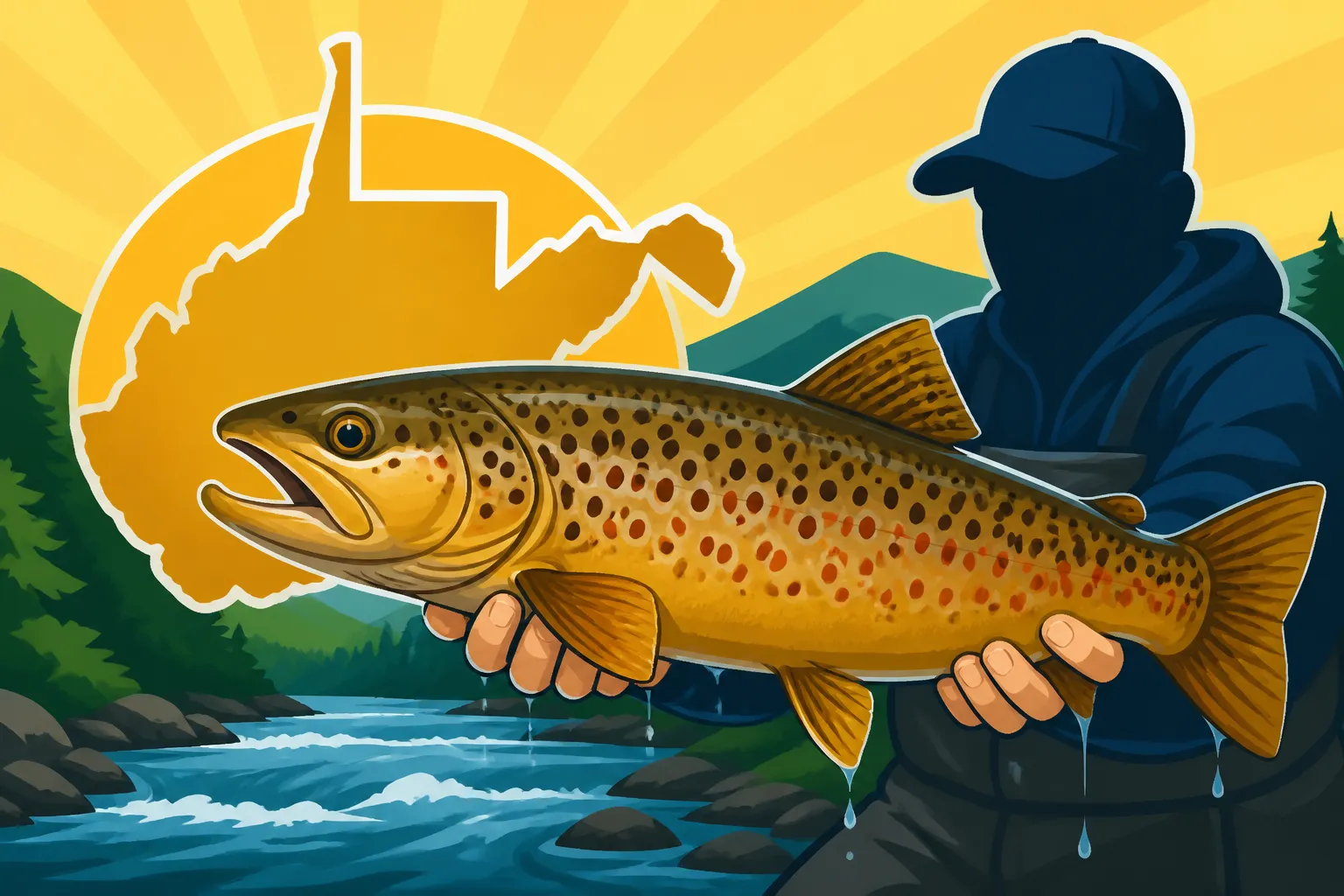
The official West Virginia state record for brown trout is an astonishing 19.16 pounds, with a length of 32.25 inches. This monumental fish was caught by angler Mike Holtsclaw in the Cranberry River on May 19, 2011. Imagine holding a brown trout that weighs almost twenty pounds – it's a truly humbling thought. This record isn't just a number; it's a story of a fish that grew to an incredible size, evading countless lures, flies, and predators, and a fisherman who was in the right place at the right time with the perfect presentation. It sets an incredibly high bar, inspiring countless anglers to spend their days on the water, hoping to encounter a fraction of its majesty. This record helps contextualize The largest brown trout ever caught in West Virginia, providing the specific details of a truly historic catch.
Reaching such a size requires a unique combination of factors: an abundant food source, pristine habitat, and sheer longevity. A fish like this didn't just appear overnight; it likely spent many years in the depths of the Cranberry River, growing steadily and wisely. For many, just seeing a brown trout half that size would be the catch of a lifetime, making this record all the more extraordinary. It's the kind of catch that gets talked about around campfires for generations and solidifies a place in West Virginia fishing lore.
Understanding Brown Trout Growth and Longevity in Wild West Virginia Waters
Brown trout are not native to West Virginia; they were introduced from Europe and have since established robust populations in many of our colder streams and rivers. What makes them capable of reaching such incredible sizes, like the state record, compared to other trout species? It boils down to a few key biological and environmental factors that align perfectly in certain West Virginia waters.
Diet and Opportunistic Feeding Habits
One of the primary reasons brown trout can grow so large is their incredibly diverse and opportunistic diet. While smaller brown trout will feed heavily on aquatic insects like nymphs and dries, much like their rainbow and brook trout cousins, larger browns develop a taste for bigger prey. As they mature, their diet often shifts dramatically to include other fish – minnows, sculpins, and even smaller trout. Beyond fish, they are known to consume crayfish, frogs, and even small rodents or snakes that might fall into the water. This willingness to consume a wide array of protein-rich food sources allows them to pack on pounds much faster than a trout that relies solely on insect hatches. This behavior is key to understanding Brown Trout Habits in West Virginia Streams.
In productive waters, where these larger food items are abundant, a brown trout's growth rate can accelerate significantly. Imagine a brown trout lurking under an undercut bank, waiting for a vulnerable creek chub or a plump crawfish to drift by. This predatory nature, coupled with access to high-calorie meals, is crucial for developing trophy-sized fish.
Habitat Preferences and Survival Strategies
Brown trout thrive in colder, well-oxygenated waters, but they also possess an incredible adaptability to slightly warmer temperatures than brook trout, allowing them to inhabit a wider range of streams, including many tailwater fisheries. More importantly for growth, they are masters of concealment. They prefer complex habitats with plenty of structure: deep pools, undercut banks, submerged logs, boulders, and overhanging vegetation. These features provide vital protection from predators (like ospreys, otters, and even other large fish) and offer ambush points for their prey.
A brown trout that survives for many years in these secure environments can continue to grow without constant stress or threat. The very structure that makes these spots excellent fishing holes for anglers is precisely what allows these fish to live long, relatively undisturbed lives, growing steadily over a decade or more. Where the biggest brown trout live in West Virginia often coincides with these prime, complex habitats that offer both food and security. Many of West Virginia's renowned trout streams, particularly those with good cover, are ideal for these long-lived browns.
Genetics and Age Potential
While diet and habitat are critical, the genetic makeup of the brown trout also plays a role in their growth potential. Some strains simply grow larger and live longer than others. However, the most significant factor in achieving record-breaking size is often simply age. A brown trout that lives for 8, 10, or even 12-15 years will naturally be much larger than one that only survives for a few seasons, even if they have similar growth rates initially.
West Virginia has a mix of wild, naturally reproducing brown trout populations and stocked brown trout. While stocked fish provide immediate angling opportunities, it's often the wild or "holdover" brown trout that have spent multiple years in the stream, adapting to their environment and growing without the stress of frequent stocking, that achieve truly massive sizes. These fish are essentially graduate-level survivors, honed by years of avoiding anglers and predators alike. Understanding What a holdover trout is is key to appreciating the potential for large brown trout in our waters.
The Pursuit of a Trophy: Where to Find and How to Catch Big Browns
So, if you're chasing a brown trout of truly impressive proportions, where do you begin, and what strategies should you employ? It's a challenging endeavor, but immensely rewarding. Forget about simply casting into a stocked run; trophy brown trout demand respect, stealth, and a keen understanding of their habits.
Identifying Prime Brown Trout Waters
While brown trout are found in many West Virginia streams, the true giants are often concentrated in specific areas. These are typically larger, more stable river systems or tailwater fisheries below dams that provide consistent cold water and an abundance of forage fish. Rivers like the Cranberry River (where the record was caught), the Williams River, and parts of the South Branch of the Potomac are legendary for their ability to produce large brown trout. The Elk River tailwater is another prime example. These waters usually have varied depths, strong currents that bring food, and plenty of deep pools and heavy cover.
When you're exploring Best Trout Streams in West Virginia, look for those that are known to hold older, larger fish, not just those that are heavily stocked for put-and-take fishing. Look for sections of river with big boulders, extensive undercut banks, and deep runs where a large predatory fish can hide in comfort and ambush unsuspecting prey. Scouting these locations beforehand can significantly increase your chances.
Techniques for Targeting Large Brown Trout
Catching a truly massive brown trout requires a shift in tactics from typical trout fishing. These aren't dainty fish sipping tiny dry flies in a riffle (though they will do that too on occasion). Big browns are predators, and you need to think like one to catch them.
- Streamer Fishing: This is perhaps the most effective method. Large, articulated streamers that imitate baitfish or sculpins are irresistible to big browns. Stripping these flies aggressively through deep pools, along undercut banks, or around submerged structure can trigger a violent strike. Colors like olive, black, brown, and white, often with some flash, can be highly productive. Fly Fishing for Trout in West Virginia heavily relies on such techniques.
- Big Baits and Lures: For spin anglers, larger crankbaits, jerkbaits, and swimbaits that mimic a trout's natural prey can be incredibly effective. Consider lures in the 3-6 inch range. Fishing these near cover or along current seams can entice a strike. Sometimes, simply using a large, lively minnow under a float can be deadly.
- Night Fishing: This is a tactic often overlooked but incredibly productive for giant brown trout. Many large browns become far more active and less wary under the cover of darkness. They move out of their daytime hiding spots to hunt. Using larger surface lures like poppers or mice imitations, or slowly retrieved streamers, can lead to explosive strikes. Just be sure to bring a reliable headlamp (and perhaps a backup from Amazon!) and be extra cautious navigating the stream in the dark.
- Patience and Stealth: These fish are wise. One wrong move, a heavy footstep on the bank, or a careless cast can send them scurrying back into cover. Approach likely spots slowly, stay low, and make your first cast count. Often, you only get one shot at a truly trophy-sized brown.
Essential Gear for the Hunt
Tackling a fish that could weigh close to twenty pounds requires specialized gear. For fly anglers, a 6 to 8-weight fly rod with a strong reel and heavy tippet (10-20 lb) is essential. For spin anglers, a medium-heavy rod with a robust reel spooled with 15-20 lb braided line and a fluorocarbon leader will give you the backbone needed to fight and land a giant. Best Gear for West Virginia Trout Fishing often highlights the importance of robust equipment for these larger species.
A large, rubberized landing net is also crucial for both landing the fish safely and ensuring its well-being if you plan to release it. Hooks should be strong and sharp. And always carry a camera and a measuring tape!
Documenting Your Trophy: The State Record Process
Should you be so incredibly fortunate as to hook and land a brown trout that you believe might rival the state record, there's a specific process to follow to ensure your catch can be officially recognized. This isn't just about bragging rights; it's about contributing to the state's angling history.
Verification and Weighing
The immediate steps after landing a potential record-breaker are critical. First and foremost, the fish needs to be weighed on a certified scale. This isn't your average bathroom scale or a small digital fishing scale. It needs to be a scale inspected and sealed by the Department of Weights and Measures. You'll often find these at local grocery stores, marinas, or certified weigh stations. Bring your fish there immediately to ensure accurate measurement before any weight loss occurs due to dehydration. Remember, you're chasing the West Virginia state record brown trout weight, so every ounce counts!
Beyond the fish itself, proper measuring tape and a certified scale are crucial. You can find excellent, highly-rated options for both on platforms like Amazon, ensuring you're ready when that moment arrives. Having a personal scale, even if not certified for official records, can give you a preliminary idea of whether your catch is truly exceptional.
Documentation and Witnesses
The West Virginia Division of Natural Resources (WVDNR) will require specific documentation. This typically includes:
- Photographs: Clear, well-lit photos of the fish, ideally from multiple angles, showcasing its full length and girth. Photos of the fish on the scale, with the weight clearly visible, are also important.
- Measurements: Accurate length and girth measurements.
- Witnesses: The testimony of at least one, and preferably two, witnesses who saw the fish caught, landed, and weighed can be invaluable.
- Application Form: You'll need to fill out an official state record application form, providing all the details of the catch, including location, date, time, tackle used, and bait/lure.
It's highly advisable to contact the WVDNR fisheries section as soon as possible after catching a potential record. They can guide you through the exact requirements and provide assistance in verifying your catch. Their biologists may also want to inspect the fish to confirm species identification and other details. Remember, the goal is not just to catch a big fish, but to prove it to the satisfaction of the state's record-keeping body. Fishing without a license or violating West Virginia Fishing Regulations Explained will immediately disqualify any catch from record consideration, so always be sure you're compliant.
Ethical Considerations and Catch and Release
While the pursuit of a record is exciting, it's also important to consider the ethics of handling such a large, old fish. If your intent is to release the fish after weighing, minimize its time out of water. Have all your documentation tools ready, act quickly, and handle the fish gently with wet hands or a wet net. A fish that has lived long enough to achieve such a size is a valuable part of the ecosystem and a potential future reproducer. Many anglers now opt to get accurate measurements and photos, then release the fish, particularly if it's not a clear record contender, aiming for a "release record" if such an option is available for larger fish that might not be weighed. This ensures these magnificent creatures can continue to thrive and potentially grow even larger.
The thrill of pursuing West Virginia's state record brown trout is a powerful motivator for many anglers. It's a journey that demands skill, patience, and a deep appreciation for these incredible fish and the wild waters they inhabit. While the 19.16-pound benchmark stands as a formidable challenge, it also serves as a reminder of the extraordinary potential that lies within the mountain state's rivers and streams.
Disclaimer
This article is for general informational purposes only and does not constitute professional advice. Laws, prices and regulations vary by location and change over time. Consult a qualified professional for guidance on your specific situation.