Jigging for Crappie in West Virginia Lakes
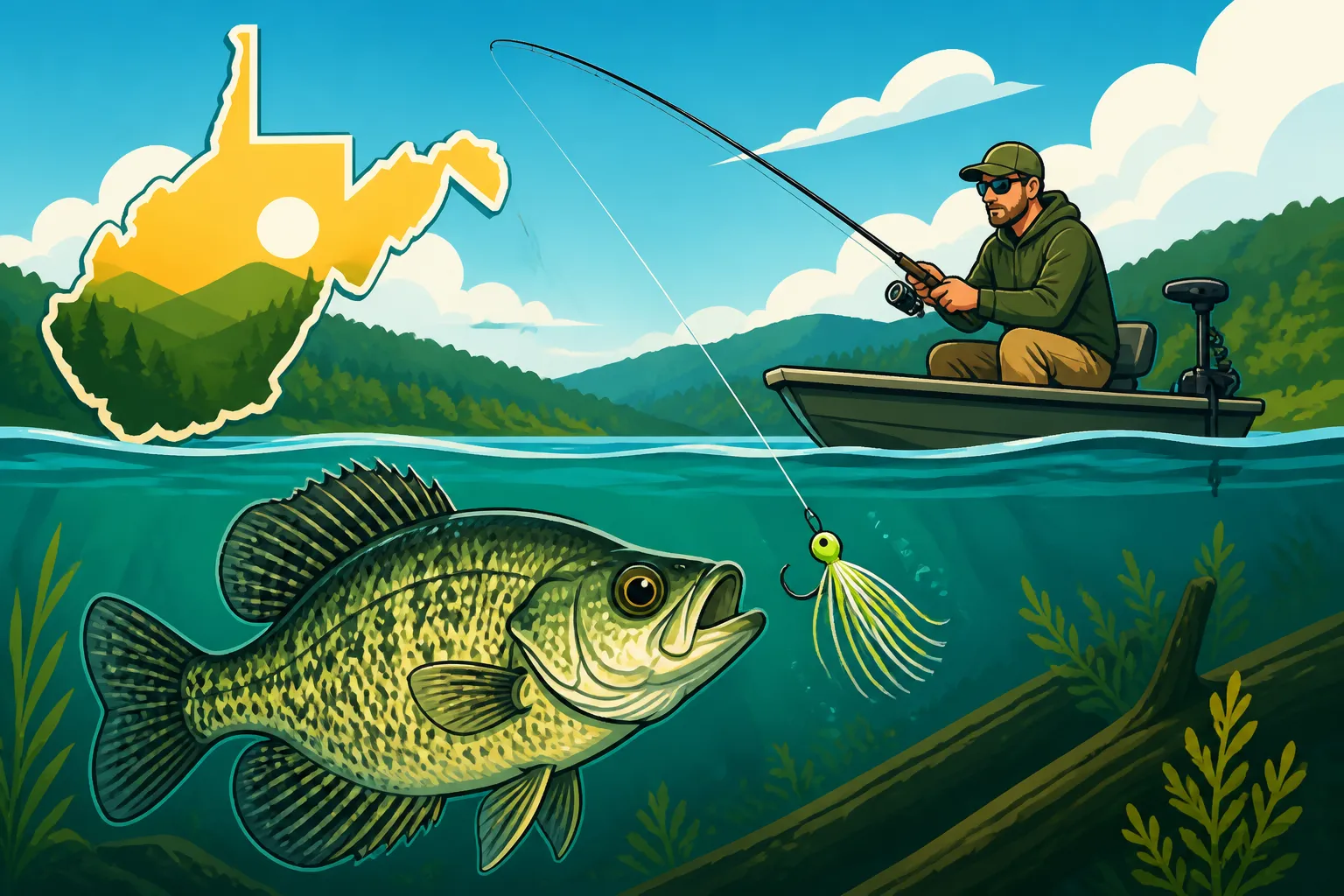
If you've ever spent hours on the water, meticulously casting for crappie only to come up empty-handed, you know the frustration. These speckled beauties can be incredibly elusive, moving from deep brush piles to open water seemingly overnight, making them a real challenge to pin down. But don't despair! This comprehensive guide is designed to arm you with the knowledge and techniques you need to consistently locate and catch crappie by mastering the art of jigging in West Virginia's beautiful lakes.
Understanding Crappie Behavior in West Virginia Lakes
To consistently catch crappie, whether they're black crappie or white crappie (and understanding the subtle differences between them can be key to success), you first need to understand their world. They aren't just random fish; they follow predictable patterns tied to the seasons, water temperature, and their constant search for food and shelter. Ignoring these fundamental behaviors is like trying to find a needle in a haystack blindfolded.
Seasonal Movements and Patterns
Crappie, much like us, have distinct preferences based on the time of year. Knowing these patterns is your first step to success. In early spring, as ice retreats and water temperatures begin to climb into the upper 40s to low 50s Fahrenheit, crappie start their migration from deeper winter haunts towards shallower waters. They'll stage near creek channels, points, and the mouths of coves, fattening up before the spawn. This pre-spawn period is often one of the best times to fish, as they are actively feeding. As the water warms further, into the mid-50s to low 60s, they move into extremely shallow areas, sometimes just a few feet deep, to spawn. This is when you'll often find them tucked into thick brush, flooded timber, or under docks.
Once the spawn is over, usually by late spring or early summer when water temperatures hit the mid-60s and beyond, crappie begin to disperse. They’ll often move to slightly deeper structure, relating to submerged timber, bridge pilings, or brush piles in 10-20 feet of water. They're still feeding, but not as concentrated as during the pre-spawn. As summer progresses, they tend to seek out deeper, cooler water, often suspending over open water or relating to very deep structure like old roadbeds or channel swings, especially in clearer lakes. In the fall, as temperatures cool again, crappie will once again move shallower, often schooling up in predictable patterns, making for some fantastic fishing opportunities before they settle into their deep winter patterns. Many anglers find the period right before the water gets truly cold in late fall to be exceptionally productive for larger fish.
Preferred Habitat and Structure
Crappie are ambush predators, meaning they love to hide in cover and wait for unsuspecting baitfish to swim by. This means structure is absolutely critical to finding them. In West Virginia's diverse lakes, this can range from natural elements like flooded timber, standing trees, weed lines, and rock piles, to man-made structures such as bridge pilings, dock supports, discarded Christmas trees (often sunk by conservation groups), and old roadbeds. They particularly favor vertical structure that allows them to move up and down in the water column easily, adjusting to light conditions and baitfish movements.
Understanding how to locate crappie in West Virginia reservoirs often comes down to scrutinizing your electronics for these types of features. Look for distinct changes in bottom contour, abrupt drop-offs, or dense "clumps" on your sonar that indicate submerged cover. During the spawn, they'll be in incredibly thick cover in shallow coves, sometimes almost impossible to fish effectively without snagging. But in post-spawn and fall, they’ll often be a bit more accessible around the edges of brush piles or suspended above them. Deep water points with nearby creek channels are always a good bet, as are any areas that provide a distinct transition from shallow to deep water with some form of cover in between.
Crappie Feeding Habits
Crappie are primarily piscivorous, meaning they eat other fish, especially small minnows and shad. However, they'll also readily consume insects, crustaceans, and larvae. Their feeding behavior is opportunistic; they'll often hold tight to cover, then dart out to snatch a meal that swims too close. They are schooling fish, so where you find one feeding crappie, you're likely to find a whole school. This is why when you hit a productive spot, the action can be fast and furious.
Their feeding activity is heavily influenced by light conditions. They prefer low light, which is why dawn, dusk, and overcast days are often the most productive. In bright sunlight, they'll typically retreat to deeper, darker cover or suspend in the water column away from direct light. Understanding this preference helps you choose the right depths and locations throughout the day. If you're fishing a sunny midday, focus on the shady side of docks, deep timber, or under thick canopy where the light penetration is reduced. On a cloudy day, they might be more aggressive and willing to come shallower or roam a bit more openly.
Essential Jigging Gear for West Virginia Crappie
Successfully jigging for crappie isn't just about dropping a lure in the water; it's about having the right tools for the job. Crappie have a notoriously light bite, especially in cold water, so sensitive gear is paramount. You need to feel every tap, every subtle weight change, or you'll miss out on a lot of fish. Trying to catch crappie with a heavy bass rod is a recipe for frustration and disappointment.
Rods, Reels, and Line Choices
When it comes to crappie jigging, ultra-light or light action spinning rods are king. A rod in the 6 to 7-foot range with a fast or extra-fast tip action is ideal. This combination allows for sensitive bite detection while still having enough backbone to handle a good-sized crappie. The sensitivity comes from the tip, which will telegraph even the faintest peck up to your hands. You want a rod that loads up easily with a tiny jig. For reels, a small 500 or 1000 series spinning reel balances perfectly with these light rods. Look for a smooth drag system, as you’ll be using light line, and a crappie can make a surprisingly strong run when it feels the hook.
Line choice is equally critical. Most crappie anglers opt for 4 to 6-pound test monofilament or fluorocarbon line. Monofilament offers a good balance of knot strength, stretch (which can be forgiving on light bites), and ease of use. Fluorocarbon, on the other hand, is nearly invisible underwater, has less stretch, and offers increased sensitivity, which can be a game-changer when fishing deeper or in clearer water. Some anglers even use light braided line as a main line for extreme sensitivity, then tie on a short fluorocarbon leader of 4-6 feet. This gives you the best of both worlds: superior feel and stealth. Just make sure your knots are solid, especially with braid to fluorocarbon connections.
The Art of Jig Selection: Size, Color, and Style
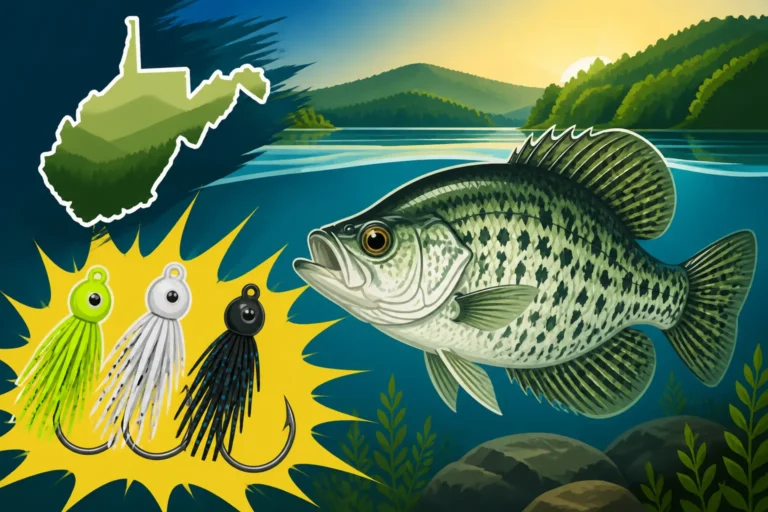
This is where things get fun, and often, a little overwhelming! The sheer variety of crappie jigs available can make your head spin. But understanding the basics will help you narrow down your choices. Jigs typically range from 1/32 ounce up to 1/8 ounce, though you might go lighter or heavier depending on depth and current. The general rule is to use the lightest jig you can get away with while still maintaining contact with the bottom or the desired depth. For instance, the best jig weight for crappie at Burnsville Lake might differ from what you'd use in a deeper, more open reservoir like Summersville.
- Size: Match the hatch! If crappie are feeding on tiny minnows, a 1/32 or 1/16 ounce jig will be more effective. If they're targeting larger shad, you might go up to 1/8 ounce.
- Color: This is often hotly debated. Common wisdom suggests bright colors (chartreuse, pink, orange) for murky water or overcast days, and more natural colors (white, pearl, clear, smoke) for clear water or sunny conditions. However, crappie can be fickle, and sometimes a wild, unexpected color combination is exactly what they want. It pays to carry a variety. Many anglers swear by a "hot" color that performs well in their local waters. You can find an incredible array of colors and styles, including those hard-to-find micro jigs, on platforms like Amazon if your local shop doesn't carry them.
- Style:
- Marabou Jigs: These classic jigs offer incredible action in the water, even with very little movement from the angler. The soft feathers pulsate and breathe, mimicking a live baitfish.
- Tube Jigs: A hollow plastic body with tentacles, tubes are extremely versatile. They can be rigged on a standard jig head or Texas-rigged for weedless presentations.
- Grub Jigs (Curly Tail or Paddle Tail): These are perhaps the most popular. The tail provides constant action, even on a slow retrieve. Curly tails have a more subtle, undulating action, while paddle tails create more thumping vibration.
- Minnow Imitations: Soft plastic baits molded to look exactly like a minnow. These can be deadly when crappie are keyed in on specific baitfish.
Don't be afraid to experiment with different combinations of jig heads and soft plastic bodies. Sometimes, a chartreuse head on a white grub makes all the difference.
Electronic Aids: Fish Finders and Mapping
In today's crappie fishing world, electronics are not just a luxury; they're nearly essential, especially on larger West Virginia lakes. A good fish finder can save you countless hours of blind casting. Look for units with down imaging and side imaging capabilities, which offer incredibly detailed views of the underwater world. These technologies help you identify submerged timber, brush piles, rock formations, and even schools of baitfish and crappie themselves.
When looking at your sonar, you're trying to identify "arches" or "streaks" that indicate fish. More importantly, you're looking for baitfish schools, as crappie are rarely far from their food source. Once you mark fish or structure, use your GPS to mark waypoints. This allows you to return to productive spots quickly and precisely. For example, understanding the best sonar settings for finding structure on Summersville Lake can drastically improve your success rate there. Many modern units also come with detailed mapping, which highlights contour lines, creek channels, and even some submerged features, giving you an even clearer picture of the lake's bottom. Before heading out, spend time studying maps of your chosen lake – knowledge of the underwater topography is almost as important as the gear itself.
Mastering Jigging Techniques for West Virginia Crappie
Knowing your gear is one thing, but knowing how to use it effectively is what truly puts fish in the livewell. Jigging for crappie involves a variety of techniques, each suited to different conditions, depths, and crappie moods. It's an active style of fishing that requires feel, patience, and a willingness to adapt.
Vertical Jigging Strategies
Vertical jigging is perhaps the most precise and often the most effective method, especially when crappie are holding tight to structure or suspending in schools. The idea is to position your boat directly over the fish or structure you've identified on your sonar, then drop your jig straight down.
- Controlling the Drop: Once your jig is at the desired depth, the "jigging" action begins. This isn't aggressive, violent jerking. Instead, it's a subtle lift-and-drop motion, often just a few inches. Think of it more as twitching your wrist. The goal is to make the jig dance and fall naturally, mimicking a dying or injured baitfish.
- Reading the Bite: Crappie bites can be incredibly subtle. Sometimes it's a sharp tap, other times it feels like your line just went slack, or your jig suddenly feels heavier. This is where a sensitive rod and line are crucial. If anything feels "different," set the hook! You'll miss more fish by not setting the hook than by setting it on a false alarm.
- Depth Control: Your fish finder is your best friend here. If crappie are suspended at 15 feet over a 30-foot bottom, you need to keep your jig consistently at 15 feet. Many anglers use a small bobber stop or a line counter reel to mark their depth. Alternatively, count the line as it goes out or note a specific spot on your rod relative to the reel seat.
- Multiple Rods: In West Virginia, if regulations allow (always check the current West Virginia Fishing Regulations Explained), many anglers will vertical jig with multiple rods at different depths from the side of the boat, increasing their chances of finding the crappie's preferred depth. This is often called "spider rigging" or "tight-lining."
Casting and Retrieving Jigs
While vertical jigging is deadly for suspended fish, casting jigs is equally effective when crappie are shallower, spread out, or holding close to shoreline structure, such as docks or fallen trees.
- Fan Casting: If you're unsure where the crappie are in a general area, start with fan casting. Cast your jig in a fan pattern around your boat, covering different angles and depths. This allows you to quickly locate active fish or productive areas.
- Retrieval Speed and Action: Just like vertical jigging, the retrieve should be subtle. Cast your jig, let it sink to the desired depth (or let it hit the bottom if you're targeting bottom-hugging fish), then begin a slow, steady retrieve with occasional twitches or pauses. A common retrieve involves a slow reel, followed by a slight pause, then a gentle "pop" of the rod tip to make the jig jump, mimicking a fleeing baitfish. Sometimes a straight, slow retrieve is all it takes, especially for active fish.
- Targeting Structure: When casting near brush piles or docks, cast beyond the structure and retrieve your jig right alongside or through it. This allows the jig to fall naturally into the strike zone. Be prepared for snags, but also for explosive strikes as you pull the jig through their living room. For example, when exploring specific Burnsville Lake crappie fishing spots, casting a grub jig into submerged timber can be incredibly effective.
- The Power of the Fall: Often, crappie will hit a jig on the fall. This is why paying attention to your line as the jig sinks is so important. Any twitch, sudden stop, or acceleration of the line could indicate a bite. Keep a slight bit of tension on your line as it falls to feel these subtle strikes.
Understanding the Crappie Bite
This is perhaps the trickiest part of crappie jigging and what separates consistent anglers from the occasional ones. Crappie have a bony mouth, and their bites are not always aggressive thumps.
- The "Weight" Bite: One of the most common bites, especially in cold water, is when the jig simply feels "heavy" or "mushy." It's not a tap, but as if your jig suddenly gained a few grams. This is a crappie inhaling the jig and just sitting there. Set the hook!
- The "Slack Line" Bite: Sometimes, particularly when the jig is falling, a crappie will hit it and continue moving towards you, creating slack in your line. If your line suddenly goes limp or behaves unnaturally, assume it's a fish.
- The "Tap": This is the classic, unmistakable bite. A distinct "tap-tap" or a single sharp strike. These are the easiest to detect.
- Visual Cues: In very clear water, or with a keen eye, you might even see your line twitch or move sideways. This is rare but exhilarating when it happens.
- Sensitivity is Key: All these scenarios underscore the importance of sensitive gear. You're trying to feel these minute changes, and a good rod, light line, and even sometimes just holding the line between your fingers, can give you the edge. If you're struggling to feel bites, try a slightly lighter jig (if conditions allow) or switch to fluorocarbon for increased sensitivity.
Top West Virginia Lakes for Jigging Crappie
West Virginia might be known for its stunning mountain streams and river smallmouth, but it also boasts an impressive array of lakes and reservoirs that offer fantastic crappie fishing. Knowing where to go and what to expect can greatly increase your chances of success. From the broad waters of the Ohio River to impoundments nestled in the mountains, there are plenty of great spots.
Identifying Productive Waters
When searching for prime crappie jigging spots in West Virginia, look for lakes with a few key characteristics:
- Abundant Forage: Lakes with healthy populations of shad, minnows, or other small baitfish will support a thriving crappie population. Crappie need a consistent food source to grow large and numerous.
- Diverse Structure: Crappie love cover. Lakes with a mix of flooded timber, brush piles, submerged creek channels, rock formations, and even man-made structures like bridge pilings or docks will provide ample ambush points for crappie year-round.
- Water Clarity: Crappie tend to do well in water that has some stain to it, rather than crystal clear. This allows them to ambush prey more effectively without being easily seen. However, they can adapt to clear water too, often by going deeper or sticking to denser cover.
- Management Programs: The West Virginia Division of Natural Resources (WVDNR) actively manages many of the state's impoundments, often stocking forage fish and sometimes enhancing habitat. Checking their reports and stocking schedules can give you valuable insights into which lakes are performing well.
Consider lakes that are known for Best Lakes for Trophy Crappie in West Virginia if you're after those wall-hangers, but remember that consistent action can be found in many smaller, less pressured waters too.
Specific Lake Spotlights
West Virginia has several lakes renowned for their crappie fishing, offering diverse experiences for anglers.
- Burnsville Lake: Located in Braxton County, Burnsville Lake is a fantastic crappie fishery, especially in the spring and fall. Its many coves, standing timber, and brush piles provide excellent cover. Anglers often find success jigging around the edges of submerged timber or brush piles in the creek arms. It's a great spot to practice your vertical jigging, especially around the Burnsville Lake crappie fishing spots in the upper reaches of the lake.
- Stonewall Jackson Lake: This beautiful lake in Lewis County is managed for trophy bass, but it also boasts a robust crappie population. The lake features extensive standing timber, making it a crappie paradise. During the pre-spawn and fall, crappie will often relate to the edges of the timber in deeper water, while moving into the thickest parts during the spawn. A fish finder is invaluable here to navigate the timber and pinpoint fish.
- Summersville Lake: West Virginia's largest lake, Summersville offers incredible crappie opportunities, though they can be harder to locate in its vast clear waters. Look for crappie to suspend over deeper points or relate to brush piles and rock ledges, especially in areas where you can find shad. The lake's deep channels and ledges are ideal for vertical jigging techniques.
- Beech Fork Lake: Near Huntington, Beech Fork Lake is another excellent choice for crappie. It's known for its abundant crappie and plenty of submerged timber and brush. This lake can be very productive for casting jigs into shoreline cover in spring and fall, and for vertical jigging over deeper structure in summer.
- East Lynn Lake: Tucked away in Wayne County, East Lynn Lake provides a more secluded crappie fishing experience. It's known for its submerged timber and creek channels, offering prime habitat for crappie. Anglers often do well here by slowly working jigs through brush piles and along channel edges.
Timing Your Trip for Success
Beyond knowing where to fish, knowing when to fish can make all the difference. While crappie can be caught year-round, certain seasons offer peak opportunities for jigging:
- Spring (Pre-Spawn and Spawn): This is often considered prime time. As discussed, crappie move shallow and are aggressively feeding. The best time to fish for crappie in spring often coincides with stable weather and rising water temperatures, usually from late March through May.
- Fall: Another excellent season, fall crappie fishing can be just as good, if not better, than spring. As water temperatures cool, crappie school up and feed heavily in preparation for winter. They often move back into shallower coves and creek channels, becoming very aggressive. This is often when you can catch some of the largest crappie of the year.
- Summer: Summer crappie fishing can be challenging but rewarding. Crappie typically move deeper and may suspend over open water or relate to very deep structure. This is where precision vertical jigging and good electronics truly shine. Focus on early morning and late evening bites.
- Winter (Ice Fishing): For dedicated anglers, West Virginia offers some ice fishing opportunities on smaller, high-elevation lakes. Best techniques for ice fishing panfish, including crappie, involve using tiny jigs tipped with wax worms or minnow heads, jigged vertically through the ice. The bite can be subtle, but schools of crappie can provide fast action.
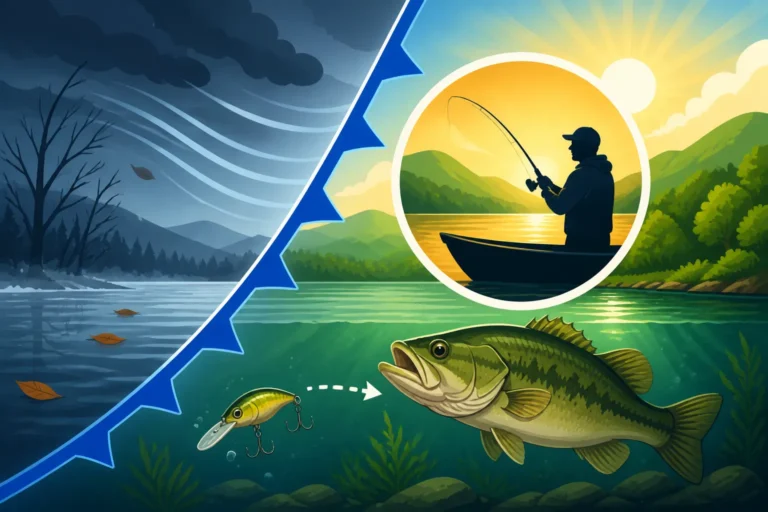
Always keep an eye on weather patterns. Stable weather, especially a few days of consistent conditions, often leads to more predictable crappie behavior. Sudden cold fronts can shut them down, making them less active and more reluctant to bite.
Advanced Tips and Common Challenges
Even with the right gear and knowledge of basic techniques, crappie fishing will inevitably throw you some curveballs. Understanding how to adapt and overcome these challenges is part of the continuous learning process that makes fishing so rewarding.
Dealing with Difficult Conditions
Crappie can be incredibly finicky, and conditions are rarely perfect. Knowing how to adjust can turn a slow day into a successful one.
- High Pressure/Bluebird Skies: On bright, sunny days with high atmospheric pressure, crappie often become shy and retreat to the deepest, darkest cover. Don't fight it – go deep with them. Fish darker colored jigs, like black or purple, or natural colors like pearl. Slow down your presentation considerably. You might need to drop your jig right into the heart of a brush pile and literally leave it there for extended periods, barely twitching it, until a curious crappie makes a move.
- Cold Fronts: A sudden drop in temperature after a warm spell can be devastating to crappie activity. Fish tend to move to deeper water and become lethargic. Again, slowing down is key. Finesse techniques, tiny jigs (1/32 oz or smaller), and tipping your jig with a live minnow or a Berkley PowerBait crappie nibble can often entice a bite when nothing else will. Focus on the warmest water you can find, usually the deepest parts of coves or areas with dark bottom that absorbs heat.
- Turbid Water: After heavy rains, lakes can become muddy, reducing visibility. In these conditions, crappie rely more on their lateral line to detect vibrations. Use brighter colors like chartreuse, orange, or hot pink. Jigs with a paddle tail or a thumper blade can create more vibration, helping crappie locate your lure. You might also find fish shallower, as the murkiness provides cover.
- Windy Days: Wind can make boat control a nightmare, but it can also push baitfish, concentrating crappie. Use a drift sock or your trolling motor to control your drift over productive areas. If fishing from shore or a kayak, position yourself to cast with the wind when possible, or find sheltered coves. For those using a kayak for lake fishing in West Virginia, a good anchor system is invaluable to hold your position in the wind.
Boat Control and Positioning
Effective jigging, especially vertical jigging, hinges on precise boat control. If you can't stay on top of the fish or structure, you're just casting blindly.
- Trolling Motor Mastery: A reliable electric trolling motor is your best friend. Use it to slowly maneuver over brush piles, along drop-offs, or to hold your position against wind or current. Practice feathering the motor to make subtle adjustments, keeping your jig precisely where you want it. Some advanced trolling motors even have GPS anchoring features, allowing you to "spot-lock" your boat in one place.
- Drifting: On larger lakes, controlled drifting can be very effective, especially when crappie are spread out. Use the wind or a slight current to your advantage. A drift sock (or sea anchor) can slow your drift, allowing your jigs to stay in the strike zone longer. This is a great way to cover water and find active schools.
- Anchor Systems: For precise vertical jigging over a specific brush pile or structure, a shallow water anchor (like a Power-Pole or Talon) or a traditional anchor system is essential. This allows you to hold your boat completely still, preventing you from drifting off the spot where you marked fish. Pay attention to how to position your boat to cast into potential hotspots, considering the wind and sun.
Crappie Care and Regulations
As responsible anglers, we need to ensure the health of our fisheries. This includes understanding and adhering to regulations and practicing good fish care.
- Bag and Possession Limits: Always consult the current West Virginia Fishing Regulations Explained for specific crappie bag and possession limits. These limits can vary by lake and change periodically, so checking the most up-to-date guide is crucial. Ignoring them can lead to significant penalties.
- Size Limits: Some lakes may have minimum or slot size limits for crappie to promote the growth of larger fish. Know these before you go. If you're targeting Best Lakes for Trophy Crappie in West Virginia, you'll want to be mindful of releasing smaller fish to grow.
- Handling Crappie: Crappie have delicate mouths. When unhooking them, handle them gently. If you intend to release them, minimize their time out of the water. Wet your hands before handling fish to protect their slime coat, which is their primary defense against disease. Use pliers or a de-hooker to remove hooks quickly and cleanly.
- Keeping Fish Fresh: If you plan to keep your catch, put them immediately on ice in a cooler. This preserves the quality of the meat and keeps them fresh for the dinner table.
- Cleaning Your Catch: If you're new to it, learning how to clean crappie is a skill that comes with practice. There are many online tutorials, but a sharp fillet knife is the most important tool. You can even find good, affordable fillet knife sets on Amazon.
By understanding crappie behavior, equipping yourself with the right gear, mastering various jigging techniques, and knowing the best spots and times to fish, you'll be well on your way to becoming a more consistent and successful crappie angler in the beautiful lakes of West Virginia.
Disclaimer
The information provided in this guide is for general informational purposes only and is not intended as legal advice. Fishing regulations in West Virginia are subject to change. Always consult the most current regulations published by the West Virginia Division of Natural Resources (WVDNR) before engaging in any fishing activities. Ensure you have the proper licenses and stamps, such as a West Virginia Fishing License Guide for 2026 and any required Trout Stamps and Trout Fishing Rules in West Virginia, and adhere to all local, state, and federal laws. Stay safe and enjoy your time on the water!