Potomac River smallmouth access near Paw Paw
Trying to find those sweet spots on the Potomac River, especially in a more remote area like Paw Paw, can feel like you're hunting for hidden treasure. It's not always obvious where you can legally and safely get to the water, and when you finally do, you want to make sure you're equipped for success. This guide is all about demystifying smallmouth bass fishing access near Paw Paw, giving you the inside scoop on how to find those elusive spots and what to expect when you get there.
The Allure of Potomac River Smallmouth Near Paw Paw
The Potomac River, particularly its upper reaches in West Virginia, holds a special place in the hearts of many anglers. Near Paw Paw, the river offers a quintessential smallmouth bass experience, a world away from bustling city life. But it's not just the solitude; it's the character of the river itself that makes it so appealing.
Understanding the River's Unique Characteristics
In the Paw Paw section, the Potomac is a true mountain river, characterized by its dramatic shifts in depth and current. You'll find long, shallow riffles where the water tumbles over rocky beds, creating oxygen-rich environments that smallmouth love. These often transition into deeper, slower pools, sometimes punctuated by large boulders or submerged logs, which act as perfect ambush points for predators. The river bottom here is typically a mix of rock, gravel, and some sand, with very little soft mud. This hard bottom contributes to the Potomac's excellent water quality and supports a robust invertebrate population, which forms the base of the food chain for the prized bronzebacks. The river's flow is heavily influenced by rainfall, so checking water levels before you head out is always a smart move. High water can make wading dangerous and fishing challenging, while extremely low water can concentrate fish but also make them very spooky.
Why Smallmouth Thrive in This Section
Smallmouth bass are incredibly well-suited to the conditions found in the Potomac near Paw Paw. These feisty fighters prefer cool, clear, flowing water with plenty of structure, and this stretch delivers on all counts. The rocky substrate provides ideal spawning grounds and abundant cover from predators and current. Crawfish, minnows, and aquatic insects are plentiful, offering a rich and varied diet that helps smallmouth grow to impressive sizes. The constant flow of the river keeps the water well-oxygenated, even during warmer months, which is critical for fish health and activity. Unlike some larger, slower rivers, this section of the Potomac maintains a wild, untamed feel, creating less fishing pressure in certain hard-to-reach areas. This combination of prime habitat, ample forage, and relatively low pressure in some sections makes it a fantastic destination for those targeting quality smallmouth bass. For a broader understanding of why these fish are so prevalent here, you might be interested in delving into Smallmouth Bass Habits on the New River, as many of those principles apply across similar river systems in West Virginia.
Unlocking Public Access Points Around Paw Paw
The biggest hurdle for many anglers in this beautiful but rugged area is simply getting to the water. Unlike some more developed regions, designated public access points aren't always plentiful, and private land dominates much of the riverfront. However, with a little know-how and respect for the rules, you can absolutely find some fantastic fishing.
Exploring the C&O Canal Towpath for Riverside Access
The Chesapeake and Ohio Canal National Historical Park is your absolute best friend when it comes to accessing the Potomac River near Paw Paw. The historic C&O Canal Towpath runs directly alongside the river for miles and miles, including through the Paw Paw area. While the canal itself sometimes holds fish, it's the river access the towpath provides that's truly invaluable.
- The Paw Paw Tunnel: Just upstream from the town of Paw Paw, the famous Paw Paw Tunnel is a major landmark and a popular access point. You can park at the tunnel's west end and hike along the towpath. From here, you can often find trails or paths leading down to the river's edge. Be aware that the terrain can be steep and rocky in places. The river here often has deep runs and eddies formed by the current breaking against the steep banks and rock faces. This is a great spot for targeting smallmouth that are looking for a break from the main current.
- Hiking the Towpath: Don't just stop at the tunnel! The beauty of the C&O Canal Towpath is its sheer length. By hiking a mile or two in either direction from designated parking areas, you can get away from the immediate crowds and find more secluded spots. Look for points where the bank gently slopes or where there are obvious breaks in the tree line. These areas often provide easier wading access to shallower sections or allow for casting into deeper channels from the bank. Always keep an eye out for potential access challenges, like thick brush or very steep drops, and prioritize safety. Remember, you're looking for specific spots, not just casting anywhere.
Navigating Private Property and Limited Boat Launches
This is where things can get a bit tricky. While the C&O Canal provides fantastic foot access to the river's edge, launching a full-sized fishing boat or even a small jon boat can be a challenge right in the immediate Paw Paw vicinity. Most of the land adjacent to the Potomac that isn't part of the C&O Canal National Park is privately owned.
- Respecting Landowners: It's absolutely crucial to respect private property. Trespassing is illegal and can lead to fines and a lot of bad blood, making it harder for all anglers in the long run. If you're unsure if a spot is public, assume it's private and seek an alternative. Always look for "No Trespassing" signs, fences, or other indicators. A friendly approach is often best if you encounter landowners – sometimes simply asking permission can open doors, but never assume.
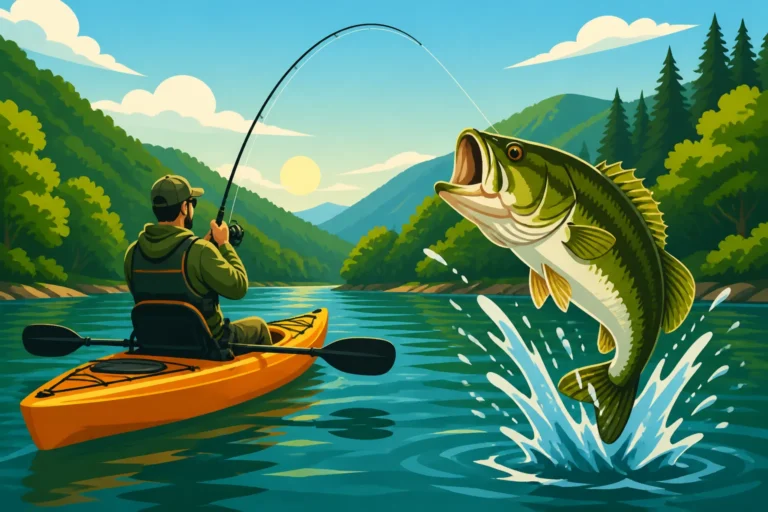
- Car-Top and Kayak Launches: For those who prefer to fish from the water, car-top launches are generally your best bet in this area. These aren't always official boat ramps but rather places where you can safely pull off the road and carry a kayak, canoe, or small jon boat to the water. Finding these informal access points often requires local knowledge or scouting ahead of time using satellite maps. Look for bridges or culverts that cross small tributaries flowing into the Potomac, as these can sometimes offer a way in. For more details on what makes a great vessel for these waters, check out our guide on Best Kayaks for West Virginia Fishing. Always ensure you have a proper life jacket, as per Life Jacket Requirements for West Virginia Boaters, especially when dealing with river currents.
Here's a quick comparison of typical access methods near Paw Paw:
| Access Method | Pros | Cons | Best Suited For |
|---|---|---|---|
| C&O Canal Towpath | Extensive river access by foot, scenic, secluded | Requires hiking, steep banks in spots, no boat launch | Wading, bank fishing, light gear, exploring |
| Car-Top/Kayak Launch | Allows access to wider river sections, mobility | Limited formal spots, requires scouting, can be strenuous | Kayak/canoe fishing, float trips, accessing mid-river |
| Formal Boat Ramp | Easy boat launch, suitable for larger boats | Very few in immediate Paw Paw area, may require driving | Larger power boats, extended river trips |
Essential Gear and Proven Techniques for the Paw Paw Stretch
Once you've found your access, the next step is being prepared with the right tools and knowledge. The Potomac's smallmouth are aggressive, but they're also smart, and presenting your lure correctly makes all the difference.
Rods, Reels, and Lures for Potomac Bronzebacks
For most smallmouth fishing in this type of river, a medium-light to medium power spinning rod, around 6'6" to 7' long, paired with a 2500 or 3000 series spinning reel spooled with 8-10 lb braided line and a fluorocarbon leader, is a versatile setup. This combination offers enough sensitivity for detecting subtle bites and enough backbone to handle a strong fighting smallmouth in current.
When it comes to lures, smallmouth are opportunistic feeders. Here are some consistent producers:
- Soft Plastics: Tube jigs (2.5-4 inches) in green pumpkin, black, or natural crawfish colors are absolute killers. Rig them on a 1/8 to 1/4 oz jig head and bounce them along the bottom, imitating a crawfish. Grubs, swimbaits, and soft plastic jerkbaits also work wonders.
- Crankbaits: Small, shallow-running crankbaits (1.5-3 inches) that mimic crawfish or baitfish are excellent for covering water. Look for colors like brown, orange, or natural perch. Cast them upstream and retrieve just fast enough to get them wobbling, letting the current do some of the work.
- Spinners and Spinnerbaits: Inline spinners (like Mepps or Rooster Tail) in sizes #2-#4, or smaller spinnerbaits (1/4 – 3/8 oz), are great for active fish in shallower riffles. Flash and vibration are key here.
- Topwater Lures: During low light conditions or when fish are aggressively feeding, topwater poppers or walking baits can provide exhilarating strikes.
- Jigs: Small hair jigs or bucktail jigs can be incredibly effective, especially in cooler water or when fish are pressured.
For a deeper dive into specific tackle, you might want to read our guide on Best Tackle for West Virginia Smallmouth Bass.
Wading Safety and Strategic Fishing Methods
Wading is often the most effective way to fish the Potomac near Paw Paw, allowing you to access prime holding water that's unreachable from the bank. However, river wading comes with its own set of rules and safety considerations.
- Wading Safety First: Always wear a good pair of Best Waders for West Virginia Trout Streams (even if it's bass you're after, the principles apply) with sturdy, felt-soled or aggressively cleated boots for traction on slippery rocks. A wading staff is non-negotiable; it helps you probe the bottom, maintain balance, and avoid unexpected drops. Never wade alone, and always let someone know your float or wading plan. Watch for rapidly changing water levels, especially after heavy rains upstream.
- Reading the Water: Smallmouth are structure-oriented. Look for current seams, where fast water meets slow water, as fish will often hold in the slower current, waiting for food to drift by. Large boulders, submerged logs, rock piles, and ledges are all prime targets. Cast your lure upstream of the structure and let it drift naturally into the strike zone, maintaining a tight line to feel bites.
- Targeting Different Areas:
- Riffles: Focus on the deeper pockets and the edges of the fast water. Small crankbaits, spinners, and tube jigs worked along the bottom are effective.
- Pools: In deeper pools, target any visible structure. Jerkbaits, soft plastic presentations, and even deeper-diving crankbaits can entice strikes.
- Eddies: These are excellent ambush points. Cast into the main current and let your lure swing into the eddy, or work it directly in the swirling water.
- Seasonal Adaptations: Smallmouth behavior changes with the seasons. In spring, they'll be in shallower, rocky areas for spawning. Summer sees them more active and willing to chase, often relating to current and shade. Fall can be fantastic as they bulk up for winter, often moving to deeper pools and feeding aggressively. Understanding West Virginia Fishing Seasons by Month can help you plan your trip for optimal success.
Planning a Successful Trip and Finding Local Expertise
A successful fishing trip involves more than just finding access and having the right gear; it's about respecting the resource, knowing the rules, and sometimes, tapping into local knowledge.
Adhering to Regulations and Environmental Stewardship
Before you even wet a line, it's paramount to understand and follow West Virginia's fishing regulations. These rules are in place to protect the fishery and ensure everyone has a chance to enjoy it for years to come.
- Fishing License: Anyone 15 years or older needs a valid West Virginia fishing license. You can find all the details you need in our comprehensive West Virginia Fishing License Guide for 2026. Make sure to purchase yours online via WVhunt.com or from an authorized vendor before you head out.
- Size and Bag Limits: The Potomac River, like all West Virginia waters, has specific size and creel (bag) limits for smallmouth bass. These can vary by waterbody and change annually, so always consult the latest West Virginia Fishing Regulations Explained summary. It's often updated yearly, so checking the most current regulations is crucial. Releasing trophy fish or those outside of legal harvest limits helps maintain a healthy population.
- Leave No Trace: Practice "Leave No Trace" principles. Pack out everything you pack in, including all trash, discarded fishing line, and bait containers. Avoid disturbing wildlife or damaging vegetation. The beauty of the Potomac is its wildness; let's keep it that way.
Connecting with Guides and Planning Your Stay
While finding your own hidden gems is part of the adventure, sometimes getting a head start with local expertise can make all the difference, especially in an area with challenging access like Paw Paw.
- Hiring a Local Guide: If you're new to the area or want to maximize your time on the water, consider hiring a local fishing guide. These professionals spend countless hours on the river and know the best access points, current conditions, and smallmouth hot spots like the back of their hand. They can provide valuable insights into river etiquette, specific techniques for the day, and even supply all the necessary gear. Services like FishingBooker can be an excellent resource for finding reputable, licensed guides who operate on the Potomac River near Paw Paw and can take you directly to productive water, saving you days of scouting. They handle all the booking details, making it easy to connect with an expert who can teach you the ropes.
- Accommodation and Amenities: The town of Paw Paw itself is small, with limited amenities. You might find some basic supplies, but for a wider selection of groceries, tackle, or lodging options, you'll likely need to look to larger nearby towns like Berkeley Springs (around 30-40 minutes away) or even Cumberland, Maryland (a similar distance). Planning your stay in advance is highly recommended, especially during peak fishing seasons, to ensure you have a comfortable base for your adventures. When booking, consider properties that are fishing-friendly or offer amenities like parking for trailers if you're bringing a small boat. Again, platforms like FishingBooker can sometimes offer options beyond just guides, potentially linking you to local stays or fishing lodges that cater to anglers.
Fishing the Potomac River near Paw Paw is a truly rewarding experience for smallmouth enthusiasts. With careful planning, respect for the environment and landowners, and a bit of perseverance, you're sure to create some unforgettable memories on this wild and wonderful river.
Disclaimer
Please remember that fishing conditions, regulations, and access points can change. Always consult the official West Virginia Division of Natural Resources (WVDNR) website for the most current regulations and information before planning your trip. Safety should always be your top priority when on or near the water.