Dry Fork Fishing Access Points
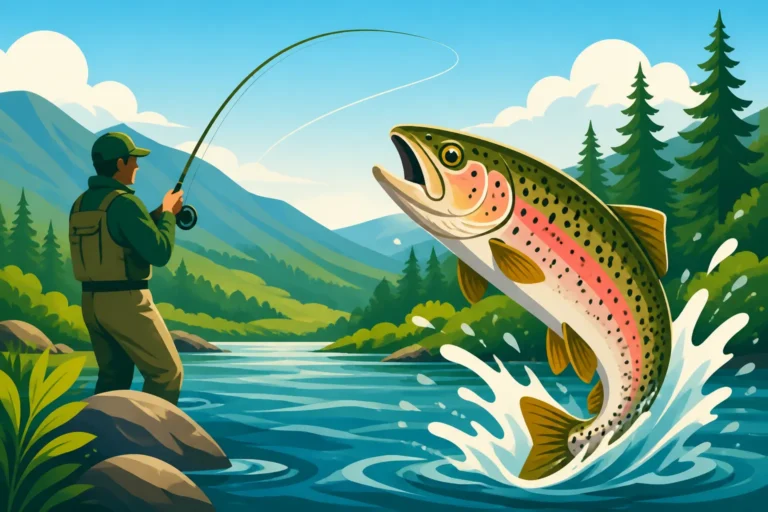
For many anglers, the thought of fishing in West Virginia brings to mind pristine mountain streams, teeming with wild and stocked trout. But for those truly seeking a challenge and a chance at a trophy, the Dry Fork presents a unique blend of remote beauty and demanding fishing that can be incredibly frustrating to navigate without proper knowledge. This guide is here to unravel the complexities of accessing and successfully fishing the Dry Fork, offering detailed insights into its various stretches and the specific approaches that will give you the best chance at a memorable catch.
Understanding Dry Fork: A High-Elevation Mountain Gem
Dry Fork is more than just another trout stream; it's a testament to West Virginia's wild and wonderful character. Flowing through the Monongahela National Forest in Randolph and Tucker Counties, this tributary of the Blackwater River is renowned for its cold, clear waters and challenging fishing conditions. It's not a place for casual angling, but for those who appreciate solitude and the pursuit of wary trout, it's an unparalleled destination.
The Nature of Dry Fork: A High-Elevation Mountain Stream
The Dry Fork originates high in the Allegheny Mountains, cascading down through dense forests and rugged terrain. This high-elevation setting contributes to its consistently cold water temperatures, even during the peak of summer, making it an ideal habitat for trout. The stream bed is a mix of classic freestone riffles, deep pools, and bedrock runs, constantly reshaped by the powerful currents of spring thaws and heavy rains. Access to many sections requires hiking through sometimes steep and overgrown trails, adding to the sense of wilderness. You won't find many paved roads running alongside it, and cell service can be spotty at best, which for many, is precisely the appeal. It's a place where you can truly disconnect and immerse yourself in nature, feeling the cool mountain air and hearing nothing but the rush of the water and the calls of birds.
Trophy Trout Waters Designation Explained
What truly sets Dry Fork apart for serious anglers is its designation as "Trophy Trout Waters" by the West Virginia Division of Natural Resources (WVDNR). This isn't just a fancy title; it comes with very specific and stringent regulations designed to foster and protect a population of larger, healthier trout. Unlike many stocked streams where limits are generous, the Trophy Trout Waters designation typically means catch-and-release only, often with artificial lures and flies restricted to single, barbless hooks. This management strategy allows trout to grow to impressive sizes, offering anglers a true test of skill. The fish here are smarter, warier, and stronger, having survived many encounters. If you're looking for a place where you can regularly hook into impressive browns or rainbows, or even native brook trout, the Dry Fork's designation is your green light. Understanding these rules is critical, and a thorough review of the West Virginia fishing regulations summary PDF is always a good idea before heading out.
Fish Species You'll Encounter
While the Dry Fork is primarily celebrated for its trout fishing, it's important to understand which species you're likely to encounter. The stream is stocked with both Rainbow Trout and Brown Trout, which thrive in its cold, oxygen-rich waters. The "Trophy Trout" designation particularly benefits these species, allowing them to grow well beyond the typical pan-sized stockers found in other streams. You might be surprised by the size and fight of a Dry Fork brown trout, known for their elusive nature and powerful runs. Additionally, in its highest, most pristine headwaters and smaller tributaries, you can find populations of native Brook Trout, West Virginia's state fish. These beautiful, often smaller, fish are a special treat for anglers and are usually found in the most remote sections. Catching a native brook trout on a small mountain stream like Dry Fork is a truly rewarding experience, connecting you to the wild heritage of the Appalachians. It's a reminder of why conservation, especially of these native populations, is so important.
Key Access Points Along Dry Fork
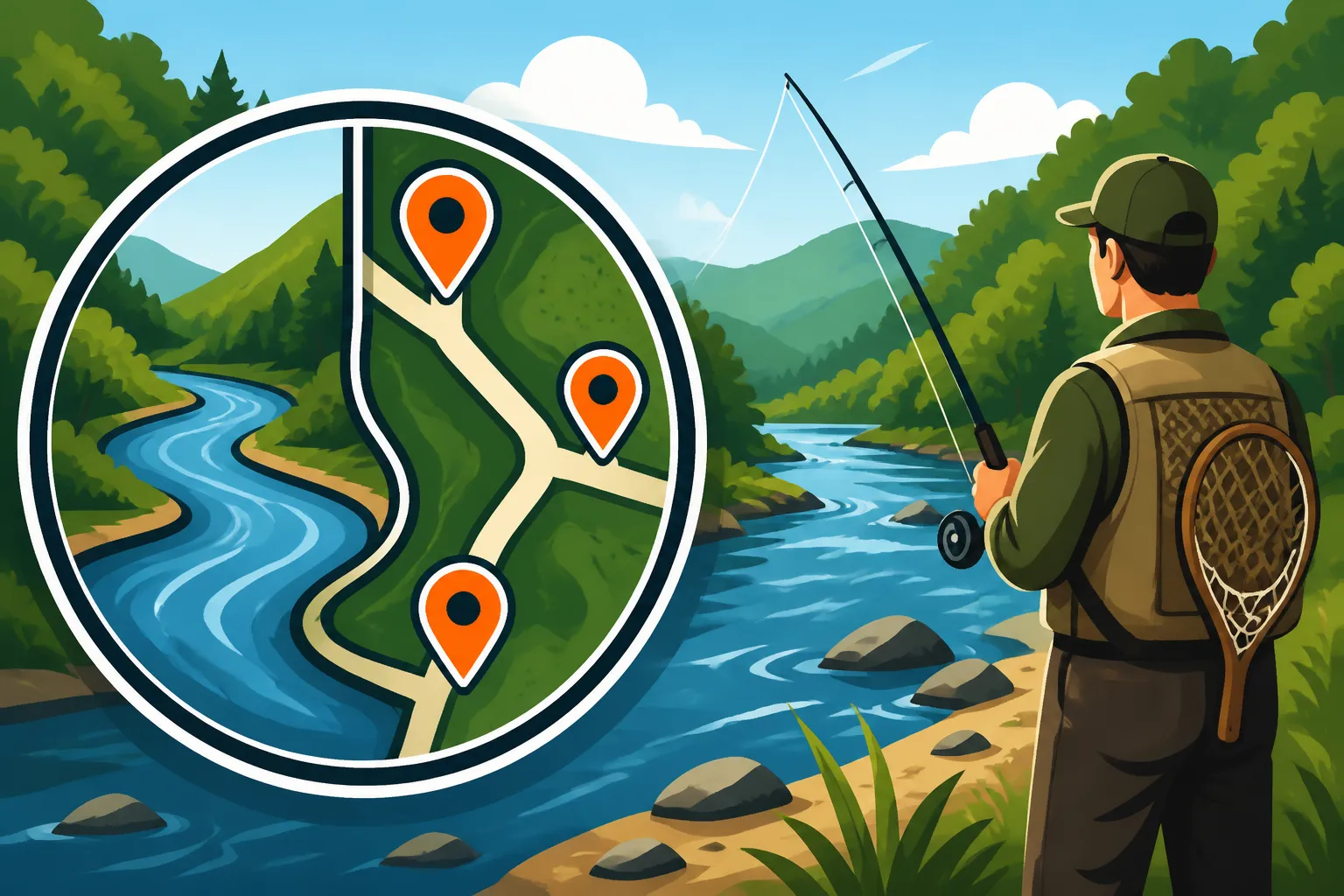
Finding your way to the Dry Fork can be part of the adventure, as formal access points are fewer and farther between than on more popular rivers. However, with a little planning and knowledge of the terrain, several distinct sections offer opportunities for different fishing experiences. It’s crucial to consult a detailed map, such as those provided by the Monongahela National Forest, before you venture out.
Lower Dry Fork Access: Seneca Creek Junction
The lower section of Dry Fork, particularly around its confluence with Seneca Creek, offers some of the most accessible fishing. This area can often be reached via roads like WV Route 32 and Forest Service Roads that intersect or run parallel to the stream for short stretches. You might find small pull-offs or designated parking areas, making it easier to get your waders on and hit the water without an extensive hike. The fishing here can still be excellent, benefiting from the cold water inputs of Seneca Creek and the general healthy ecosystem of the Dry Fork. However, because of its relative ease of access, this section can see more angler pressure, especially during peak stocking times or popular weekends. It's a great spot for those who want to experience Dry Fork fishing without committing to a full-day wilderness trek. Look for deeper pools and runs where the two creeks merge, as these often hold larger fish that feed on the combined food sources. Knowing the West Virginia Fishing Regulations Explained for this specific section is always a good practice, as local rules can sometimes vary.
Middle Dry Fork Access: Upper Road Crossings
Moving upstream into the middle sections of Dry Fork, access becomes progressively more challenging but often more rewarding in terms of solitude and fish quality. Several Forest Service Roads, such as those leading towards Laneville, may provide limited access points where the road briefly parallels or crosses the stream. These crossings often feature small bridges or culverts, offering a convenient, albeit sometimes subtle, place to park and begin your descent to the water. From these points, anglers can often choose to walk upstream or downstream, exploring various pools, riffles, and pockets. The terrain can be steeper and more rugged here, requiring a bit more effort to reach prime spots, but the payoff can be significant. The fish in these middle sections tend to be less pressured and can offer incredible dry fly or nymph fishing opportunities. This is where a good pair of waders for West Virginia trout streams and sturdy boots truly make a difference, allowing you to navigate the slippery rocks and uneven banks safely. Consider packing a small backpack with water, snacks, and essential gear, as you might be a decent walk from your vehicle.
Upper Dry Fork Wilderness Section: Backpacking In
For the truly adventurous and those seeking the ultimate wilderness fishing experience, the upper reaches of Dry Fork offer unparalleled solitude and the best chance at native brook trout. Access to these sections typically requires significant hiking, often backpacking in for several miles from trailheads deeper within the Monongahela National Forest. There are no roads that follow these upper stretches, and the trails can be primitive or non-existent in places. This is where the Dry Fork truly lives up to its "wild and wonderful" reputation. Anglers who make the effort to reach these remote waters are often rewarded with pristine, untouched stretches of stream, filled with eager native brook trout and occasional large wild brown trout that have seen very little pressure. If you're planning an overnight trip, ensure you have all necessary backcountry permits and practice strict "Leave No Trace" principles. This kind of trip demands careful planning, including appropriate gear, wilderness navigation skills, and a thorough understanding of backcountry safety. Before you embark on such an adventure, it’s also a good idea to check with a local outfitter or even look for guided trips on platforms like FishingBooker, where experienced guides specializing in wilderness fishing can help you plan or lead the expedition.
Navigating Regulations and Special Rules on Dry Fork
Fishing the Dry Fork, especially its designated Trophy Trout Waters, isn't just about finding the fish; it's about understanding and adhering to its specific rules. West Virginia has a reputation for managing its trout fisheries carefully, and the Dry Fork is a prime example of this commitment to quality angling. Ignoring these regulations can lead to penalties and, more importantly, can harm the very resource we all cherish.
Catch and Release and Artificial Lures Only Rules
The most critical regulation for Dry Fork, particularly in its Trophy Trout Waters sections, is the "Catch and Release, Artificial Lures Only" rule. This means that any fish you catch must be immediately released unharmed back into the water. You cannot keep any trout, regardless of size or species. Furthermore, you are restricted to using only artificial lures or flies. Live bait, such as worms, minnows, or salmon eggs, is strictly prohibited. The reasoning behind this is two-fold: artificial lures generally cause less damage to the fish, and requiring their use weeds out less experienced anglers who might inadvertently harm the resource. To further protect the fish, single, barbless hooks are often mandated. If your hooks come with barbs, you must pinch them down with pliers before fishing. This rule significantly increases the survival rate of released fish, allowing them to grow larger and contribute to the trophy-quality fishery. For more specific details, be sure to review the West Virginia catch and release rules for trout.
Trout Stamp and License Requirements
Before you even think about casting a line in Dry Fork, you absolutely need to ensure you have the correct licensing. Every angler aged 15 and over is required to possess a valid West Virginia fishing license. If you are specifically targeting trout, which you will be on Dry Fork, you must also purchase a West Virginia trout stamp. These two items are non-negotiable legal requirements. Even if you only plan to catch and release, the trout stamp is still necessary because you are fishing in designated trout waters. Failing to have both can result in fines and other penalties, which no one wants on a peaceful day out. You can purchase your license and stamp online through the WVDNR website, at many retail vendors across the state, or by visiting the How to buy a West Virginia fishing license online guide. Always make sure to carry a physical copy or have access to a digital version on your phone, as conservation officers do check. Remember, these fees go directly back into managing and improving West Virginia's fisheries, including the Dry Fork.
Seasonality and Special Closures
While many West Virginia waters are open for fishing year-round, special regulation waters like Dry Fork can have specific seasons or closures designed to protect spawning fish or newly stocked areas. It’s imperative to check the current West Virginia fishing season dates and closures for Dry Fork before planning your trip. For Trophy Trout Waters, a common practice is a "no fishing" period leading up to the opening day of trout season, which typically occurs in the spring. This allows freshly stocked trout to acclimate to their new environment and disperses them throughout the stream, providing a more equitable fishing experience for everyone on opening day. Additionally, some remote headwater sections might have seasonal closures to protect sensitive spawning grounds for native brook trout. Always refer to the official WVDNR regulations booklet or website for the most up-to-date information, as these rules can change from year to year. A little bit of research upfront can save you a lot of disappointment and ensure you're fishing legally and responsibly.
Essential Gear and Techniques for Dry Fork
Fishing Dry Fork requires a thoughtful approach to gear and technique. This isn't your average put-and-take stream; the fish here are often wild, wary, and highly attuned to their environment. Your success will hinge on selecting the right equipment and employing methods that respect the stream's delicate ecosystem and the challenging nature of its inhabitants.
Fly Fishing Essentials for Dry Fork
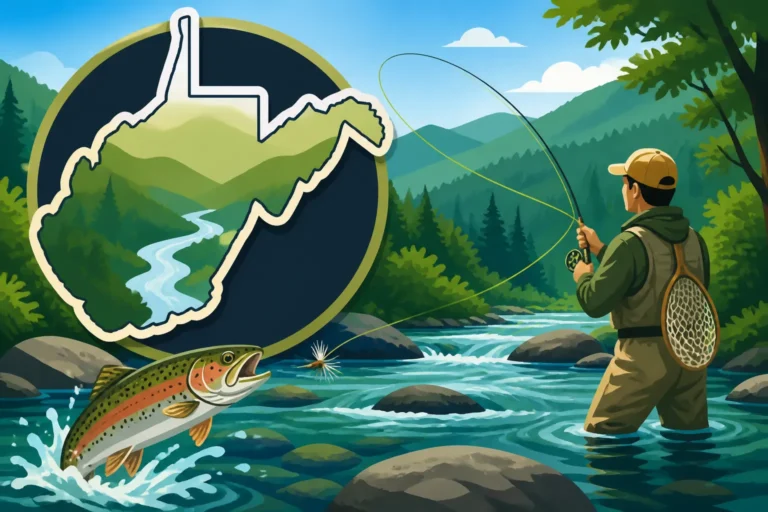
For many who fish the Dry Fork, fly fishing is the method of choice, and for good reason. The "artificial lures only" regulation makes it a perfect canvas for presenting delicate flies to often selective trout. A 3-weight to 5-weight fly rod, typically 7 to 9 feet in length, is ideal here. A lighter rod offers a more delicate presentation and makes even smaller trout feel like a fight, while a 5-weight provides enough backbone for larger fish or nymphing rigs. Pair this with a floating fly line that matches your rod weight, and a tapered leader ending in fine tippet (4x to 6x, depending on conditions and fly size). Your fly box should be well-stocked with a variety of patterns:
- Nymphs: Think traditional patterns like Hare's Ear, Pheasant Tail, Prince Nymph, and Squirmy Wormies, especially in sizes 12-18, for subsurface feeding. Euro nymphing techniques can be incredibly effective in the deeper runs and pocket water.
- Dry Flies: During warmer months, hatches can occur, so having caddis, mayfly (like Sulphurs or Blue-Winged Olives), and attractor patterns (like Royal Wulff or Stimulator) in sizes 14-20 is crucial.
- Streamers: Small to medium streamers (e.g., Woolly Buggers, Sculpzillas) in olive, black, or brown can entice larger brown trout, especially after a rain or in deeper pools.
Don't forget essentials like forceps for hook removal, nippers, a small landing net with rubber mesh (kinder to fish), and a reliable fly box for trout streams. And because of the challenging wading, a sturdy wading staff is a smart addition to your kit.
Spin Fishing with Artificial Lures
While fly fishing often takes center stage, spin fishing is also highly effective on Dry Fork, provided you adhere to the "artificial lures only" rule and use single, barbless hooks. A light to ultra-light spinning rod (5 to 6.5 feet) paired with a small spinning reel spooled with 4-6 pound monofilament or fluorocarbon line is perfect. The key is small, subtle presentations.
- Inline Spinners: Brands like Panther Martin, Mepps, or Rooster Tail in sizes #0 to #2 are deadly. Experiment with blade colors (silver, gold, black) and body colors (yellow, black, brown, green). Cast upstream and retrieve just fast enough to get the blade spinning, letting it drift naturally with the current.
- Small Spoons: Tiny Kastmasters or Little Cleos (1/16 to 1/8 ounce) can imitate baitfish and flash enticingly in the current.
- Soft Plastics: Micro jigs or grubs, especially those mimicking minnows or aquatic insects, can be incredibly effective when fished under a small float or simply retrieved slowly along the bottom. Ensure they are fully artificial; no scents or baits that could be considered food.
- Mini Crankbaits: Tiny crankbaits that dive only a few feet can be fantastic for exploring deeper pools, especially those with tight wobbles that mimic small prey.
The key with spin fishing here is precision casting, controlling your drift, and making your lure look as natural as possible. Always check your local regulations, as some special regulation streams may prohibit treble hooks even if barbless.
Wading Safety and Stream Navigation
Wading the Dry Fork is a significant part of the experience, but it also presents its own set of challenges and potential dangers. The stream bed is notoriously rocky, with slick, algae-covered stones, especially after a rain. The current can be surprisingly strong, even in seemingly shallow sections, and there are often hidden drop-offs or deeper pockets.
- Footwear is paramount: Invest in high-quality wading boots for rocky streams with good ankle support. Felt soles offer excellent grip on slick rocks but can transfer invasive species (check local rules for felt bans), while rubber soles with studs provide a good alternative.
- Wading Staff: A collapsible wading staff is an absolute game-changer. It provides a crucial third point of contact, helping you maintain balance and test water depth before stepping. Never wade without one.
- Know Your Limits: Don't attempt to wade through water that's too deep or too fast. If in doubt, find an easier crossing or fish from the bank. It's never worth risking a fall, which could lead to injury, lost gear, or worse.
- Layering: Wear appropriate layers of clothing. Even on a warm day, the mountain water is cold. Waders protect you from the cold water, but a fall can quickly become hypothermic if you're not prepared.
- Buddy System: When venturing into remote sections, especially the upper wilderness areas, it's always safer to fish with a buddy. If something goes wrong, you have someone to assist you.
Remember, a safe angler is a successful angler. Take your time, read the water, and prioritize safety above all else when navigating the Dry Fork. Many guides available through services like FishingBooker emphasize safety and teach proper wading techniques to ensure an enjoyable and secure experience.
Planning Your Trip to Dry Fork
A successful fishing trip to Dry Fork involves more than just knowing where to cast. Thoughtful planning regarding timing, accommodations, and local resources will enhance your experience and minimize any unforeseen challenges in this relatively remote corner of West Virginia.
Best Times to Visit and Accommodations
The Dry Fork offers different experiences depending on the season, and choosing the right time depends on your priorities.
- Spring (March-May): This is prime trout season, especially after the initial stocking for the "opening day" or shortly thereafter. Water levels tend to be higher due to snowmelt and spring rains, making for strong currents. Fish are often very active. However, angler pressure can be high, particularly on easily accessible sections. Expect cold water and potentially unpredictable weather.
- Summer (June-August): As temperatures rise, the higher elevation of Dry Fork helps keep water cool, making it a refuge for trout. Hatches can be prolific, offering excellent dry fly opportunities in the mornings and evenings. Weekdays generally see less pressure. Be mindful of potential afternoon thunderstorms.
- Fall (September-November): Many consider fall the most beautiful time to fish Dry Fork, with vibrant foliage and cooler, stable weather. Trout, especially brown trout, become more aggressive as they prepare for spawning. Angler pressure drops significantly, offering more solitude. Water levels are typically lower and clearer.
- Winter (December-February): Ice fishing isn't usually an option on Dry Fork due to current, but some brave anglers will venture out during mild spells. Fish activity is slow, but large trout can be found in deep pools. This is for the truly dedicated, and extreme caution regarding weather and ice on stream banks is advised.
For accommodations, nearby towns like Davis, Thomas, or Harman offer a range of options from quaint B&Bs and rustic cabins to vacation rentals. You can also find campgrounds in the Monongahela National Forest, such as those near Blackwater Falls State Park or Seneca Rocks. Booking well in advance, especially during peak seasons, is always recommended. For finding unique lodging or even chartering a trip with a local expert, checking platforms like FishingBooker can be very helpful.
Nearby Attractions and Amenities
A trip to Dry Fork doesn't have to be just about fishing. The surrounding area is rich with natural beauty and outdoor activities, making it an ideal destination for families or those looking to mix in other adventures.
- Blackwater Falls State Park: Just a short drive away, this park boasts one of West Virginia's most iconic waterfalls and offers hiking, lodging, and scenic overlooks.
- Canaan Valley Resort State Park: This large state park provides extensive hiking, golfing, skiing in winter, and diverse wildlife viewing opportunities.
- Dolly Sods Wilderness Area: For serious hikers and nature photographers, Dolly Sods offers unique high-elevation bogs, wind-swept landscapes, and stunning vistas. It's a truly wild and unforgettable place.
- Seneca Rocks: A spectacular rock formation offering climbing, hiking, and incredible views of the Potomac Highlands.
- Small Towns: Explore the charming arts towns of Davis and Thomas, known for their galleries, unique shops, and local eateries. These towns also have basic amenities like gas stations and general stores where you can pick up forgotten items or groceries.
- Outdoor Outfitters: There are often small fly shops or outdoor stores in the vicinity that can provide local advice, sell flies, or even offer guided trips. These local businesses are invaluable resources for up-to-date conditions and tips.
Incorporating some of these activities into your trip can create a well-rounded experience, proving that West Virginia truly is "wild and wonderful."
Hiring a Local Guide
Even for experienced anglers, navigating a complex and regulated fishery like Dry Fork can be daunting. Hiring a local fishing guide can be an invaluable investment, drastically increasing your chances of success and providing an educational experience.
- Local Knowledge: Guides spend countless hours on the water. They know the current conditions, recent hatches, best fly patterns, specific holding lies for fish, and most importantly, the safe access points. This local expertise is gold, especially on a stream where access can be tricky and conditions change rapidly.
- Technique Refinement: A guide can help you refine your casting, teach you advanced nymphing techniques, or show you how to read the water effectively. They can also provide insights into fly fishing for trout in West Virginia specifically tailored to Dry Fork's nuances.
- Safety: Guides are intimately familiar with the stream's hazards, from slippery rocks to deep pockets, and can ensure your wading experience is safe.
- Gear: Many guides provide all necessary gear, from quality fly rods and reels to a selection of proven flies, saving you the hassle and expense of buying specialized equipment. This is particularly useful for those new to fly fishing or specific to best fly rods for West Virginia trout streams
- Conservation Education: Beyond just catching fish, a good guide will teach you about the stream's ecosystem, the importance of conservation, and proper catch-and-release techniques to ensure the health of the fishery.
To find reputable guides, you can check with local fly shops, consult the WVDNR website for lists of licensed outfitters, or browse platforms like FishingBooker. Reading reviews and contacting guides directly to discuss your experience level and expectations is highly recommended to ensure a good match. A guided trip can transform a frustrating day into a highly productive and memorable outing.
Conservation and Etiquette on Dry Fork
The Dry Fork is a precious resource, offering a unique and challenging angling experience. As anglers, we have a profound responsibility to protect this environment for future generations. Practicing sound conservation principles and showing proper etiquette ensures that the stream remains healthy and enjoyable for everyone.
Practicing Leave No Trace Principles
Leave No Trace is a set of outdoor ethics that promotes conservation in the outdoors. When fishing Dry Fork, these principles are paramount due to its remote and fragile nature:
- Plan Ahead and Prepare: Research the area, weather, and regulations. Pack out everything you pack in. Carry trash bags for any waste.
- Travel and Camp on Durable Surfaces: Stick to existing trails and designated access points. Avoid trampling streamside vegetation, which is vital for erosion control and insect habitat.
- Dispose of Waste Properly: Pack out all trash, including fishing line, broken lures, and food scraps. Don't leave anything behind, not even biodegradable items like apple cores.
- Leave What You Find: Do not disturb cultural or natural features. Leave rocks, plants, and other natural objects as you find them.
- Minimize Campfire Impacts: If you build a fire (only in designated areas and when permitted), use established fire rings and keep fires small. Ensure fires are completely out before leaving.
- Respect Wildlife: Observe wildlife from a distance. Do not feed animals. Keep a clean camp to avoid attracting animals.
- Be Considerate of Other Visitors: Respect other anglers' solitude and space. Keep noise to a minimum.
By following these guidelines, you help preserve the wild character of Dry Fork and protect its delicate ecosystem. The beauty of places like Dry Fork lies in their untouched nature, and it's up to us to keep them that way.
Respecting Private Property and Fellow Anglers
While much of Dry Fork flows through the Monongahela National Forest, there are still sections that border or pass through private land. It is critical to always be aware of property boundaries and respect landowners' rights. Never trespass, and if you are unsure about access, assume it's private and seek legal access points. Public access is often indicated by signage or maps, but when in doubt, it’s best to err on the side of caution.
Beyond private property, showing respect for fellow anglers is fundamental to a positive experience for everyone.
- Give Space: Maintain a respectful distance from other anglers. A good rule of thumb is to give them enough space so your fishing doesn't interfere with theirs, typically 50-100 yards upstream or downstream, or more if the stream is small.
- Avoid Wading Through Active Fishing Spots: If someone is fishing a pool, don't wade directly through it to get to another spot. Find an alternative route or wait for them to move on.
- Communicate: A simple "hello" or a friendly nod goes a long way. If you need to pass someone, politely ask if it's okay to do so.
- Share Information (Respectfully): If you've had success, you can share general information, but don't brag or give away "secret spots" unless specifically asked and appropriate.
- No Loud Noises: Keep voices and other noises to a minimum. The quiet of the stream is part of its appeal, and loud disruptions can spook fish and disturb other anglers.
Dry Fork offers solitude, but it's still a shared resource. Being mindful and courteous ensures a pleasant experience for everyone seeking the peace and challenge of its waters.
Protecting the Native Brook Trout Population
The presence of native Brook Trout, West Virginia's state fish and its only native trout species, is a special aspect of Dry Fork. These vibrant, wild fish are particularly sensitive to environmental changes and angler pressure. While the Trophy Trout Waters regulations benefit all trout, understanding the specific needs of brook trout is important for their long-term survival.
- Handle with Care: Brook trout are often found in shallower, smaller sections of the stream. When caught, handle them as little as possible. Keep them in the water during hook removal. Wet your hands before touching them to protect their protective slime coat.
- Quick Release: Release them quickly and gently. If a fish is exhausted, hold it facing upstream in a gentle current until it regains strength and swims away on its own.
- Minimize Stress: Avoid long fights on light tackle if possible, especially during warmer water periods, as this can exhaust the fish beyond recovery.
- Know Your Identification: Be able to differentiate brook trout from stocked rainbow or brown trout. While all trout on Dry Fork are catch-and-release, recognizing the native species adds to the appreciation of the fishery. Understanding Brook Trout: West Virginia's native and state fish is vital to appreciating their significance.
By taking these extra steps, you contribute directly to the health and abundance of the native brook trout, ensuring that future generations can also experience the thrill of catching these beautiful, wild fish in the remote waters of Dry Fork.
Dry Fork Fishing Access Points and Regulations Summary
For easy reference, here's a table summarizing the general characteristics and access considerations for different sections of the Dry Fork. Always remember to check current WVDNR regulations before your trip, as specific rules can change.
| Section | Typical Access | Terrain Difficulty | Angler Pressure | Primary Fish Species | Key Regulations (General) | Experience Level |
|---|---|---|---|---|---|---|
| Lower Dry Fork | Roadside pull-offs near Seneca Creek (e.g., WV 32) | Moderate | Medium to High | Rainbow, Brown Trout | Catch & Release, Artificial Lures Only, Single Barbless Hook | Beginner to Intermediate |
| Middle Dry Fork | Forest Service Road crossings (e.g., Laneville area) | Moderate to Strenuous | Medium | Rainbow, Brown Trout, some Brook Trout | Catch & Release, Artificial Lures Only, Single Barbless Hook | Intermediate to Advanced |
| Upper Dry Fork | Wilderness trailheads, significant hiking/backpacking | Strenuous | Low | Native Brook Trout, Wild Brown Trout | Catch & Release, Artificial Lures Only, Single Barbless Hook | Advanced |
Disclaimer
The information provided in this guide is for general informational purposes only and is subject to change. Fishing regulations, seasons, and access points can vary and are often updated by the West Virginia Division of Natural Resources (WVDNR). It is the angler's responsibility to consult the most current official WVDNR regulations and obtain all necessary licenses and stamps before fishing. Always prioritize safety, respect private property, and practice ethical angling and Leave No Trace principles.