Is West Virginia Bass Season Open Year-Round?
It’s a common question, and honestly, a relief for many anglers: "Is West Virginia bass season open year-round?" Navigating fishing regulations can feel like cracking a secret code sometimes, especially when you're just trying to figure out if you can hit your favorite bass spot. The good news is, for the most part, West Virginia offers fantastic year-round opportunities for both largemouth and smallmouth bass, but there are some crucial details and exceptions you absolutely need to know to stay on the right side of the rules and protect our incredible fisheries. This guide will walk you through everything, so you can fish with confidence any time of year.
Understanding West Virginia's Bass Season Structure
One of the biggest draws to bass fishing in the Mountain State is the relative freedom you have when it comes to season dates. Unlike trout, which often have specific stocking and closure periods, bass are generally available for angling throughout the entire calendar year.
The Year-Round Open Season for Largemouth and Smallmouth Bass
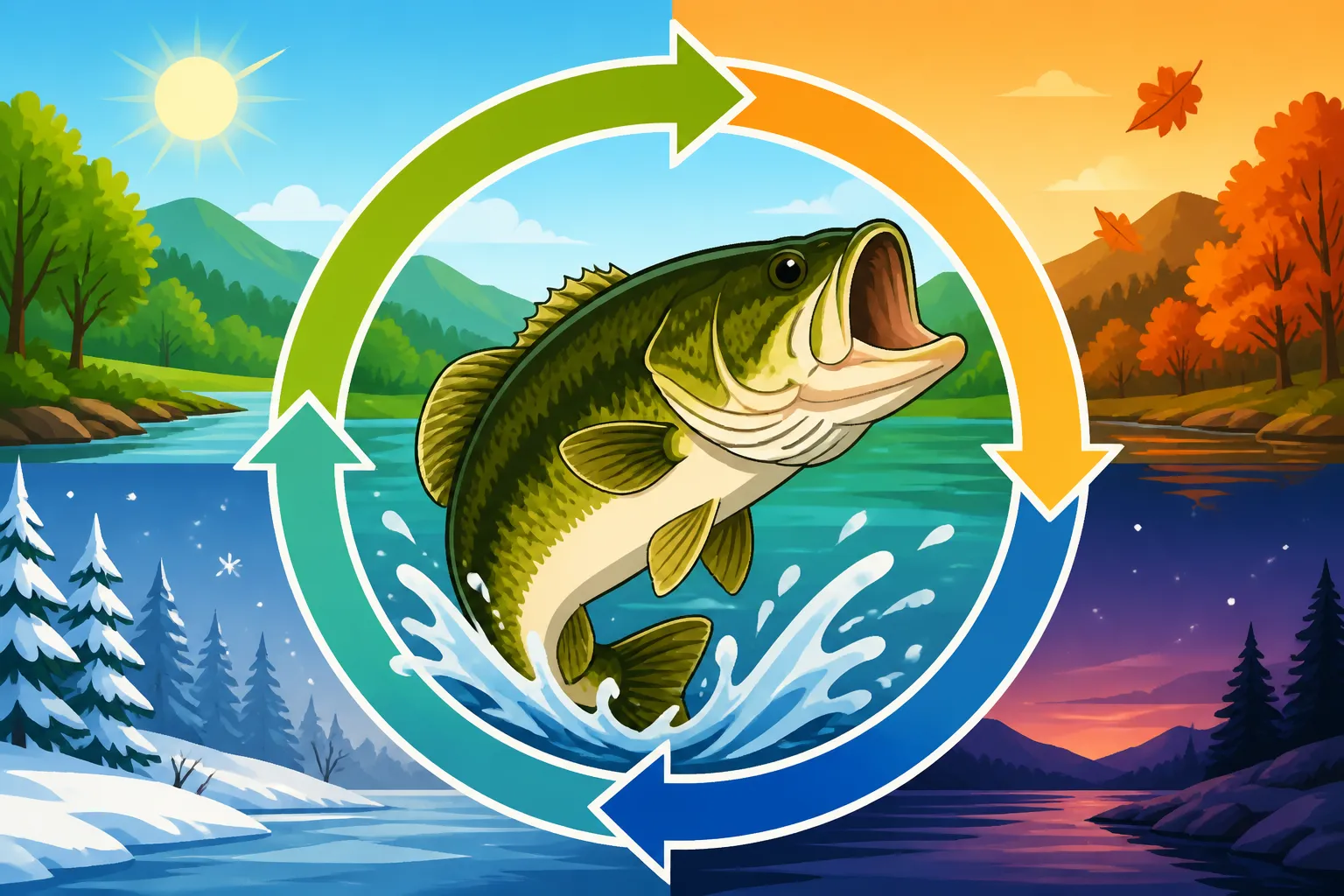
For the vast majority of lakes, rivers, and streams across West Virginia, the season for largemouth bass, smallmouth bass, and spotted bass is indeed open year-round. This means you don't have to worry about traditional "opening days" or "closing days" that restrict when you can target these popular game fish. This flexibility is a huge boon for anglers, allowing you to plan trips whenever the weather cooperates, or whenever you get that irresistible itch to cast a line.
This year-round access empowers anglers to explore different seasonal patterns. Imagine the crisp mornings of early spring, targeting pre-spawn bass moving up into shallower coves, or the long, warm evenings of summer, throwing topwater lures as the sun dips below the hills. Then there's the vibrant foliage of fall, when bass are aggressively feeding, or the quiet solitude of winter, when slow presentations can still coax a strike from lethargic fish in deeper pools. This continuous open season truly makes West Virginia a premier destination for bass enthusiasts, allowing for endless exploration and adaptation to the fish's behavior throughout the year.
Special Regulations and Catch-and-Release Only Waters
Now, while the general rule is year-round open season, it's absolutely vital to understand that "general" doesn't mean "universal." West Virginia, like many states, has specific waters or sections of rivers that fall under "special regulations." These rules are put in place for various reasons, often to protect unique populations, enhance trophy potential, or manage particular habitats. It’s not uncommon to find certain stretches of stream or specific small impoundments designated as catch-and-release only for bass, or even having reduced bag limits or different size restrictions.
For example, some waters might be managed specifically for trophy bass, meaning they could have a slot limit that requires you to release fish within a certain size range, while only allowing you to keep fish below or above that slot. These special rules are crucial for maintaining healthy fish populations and ensuring that future generations of anglers can enjoy the same quality fishing experiences. It’s always your responsibility as an angler to check the latest regulations for the specific body of water you plan to fish. You can find comprehensive details in the official West Virginia Fishing Regulations Explained or by picking up a copy of the Reading the West Virginia Fishing Regulations Summary. Never assume that the general statewide rules apply everywhere, especially if you're venturing into lesser-known creeks or specific management areas.
Navigating Bag Limits and Size Restrictions
So, you know the season is largely open, but what about how many fish you can keep and how big they need to be? This is where many anglers get tripped up, and it’s just as important as knowing the season dates. West Virginia has clear guidelines for daily creel (bag) limits and size restrictions, with some very significant exceptions that every bass angler should be aware of.
General Statewide Bass Limits
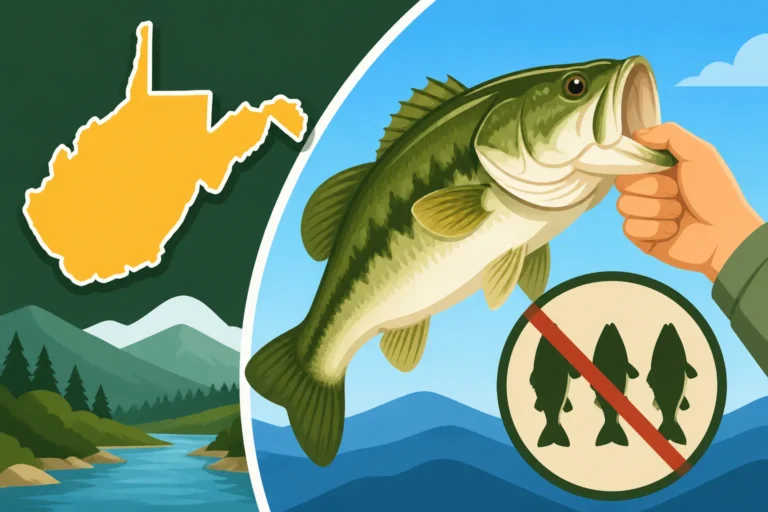
For most waters in West Virginia, the general daily creel limit for any combination of largemouth, smallmouth, and spotted bass is six (6) fish. This means that in a 24-hour period, from midnight to midnight, you can keep up to six bass in total, regardless of whether they are all largemouth, all smallmouth, or a mix of species. There are typically no minimum size limits for bass on these general regulation waters, which gives anglers a lot of flexibility.
However, just because there isn't a minimum size limit doesn't mean you should keep every small bass you catch. Many dedicated bass anglers practice catch-and-release, especially for smaller fish, to help grow the population of larger, more mature fish. If you plan to keep fish, always ensure you’re within the daily limit. Possession limits are generally the same as daily creel limits unless otherwise stated, meaning you shouldn't have more than one day's limit in your possession while actively fishing or transporting fish from the fishing location. For a deeper dive into all species, check out West Virginia Bag and Possession Limits by Species.
Here's a quick overview of the general statewide limits for bass:
| Species | Daily Creel Limit | Minimum Size Limit |
|---|---|---|
| Largemouth Bass | 6 | None |
| Smallmouth Bass | 6 | None |
| Spotted Bass | 6 | None |
| Combined (any mix) | 6 | None |
Note: These are general statewide regulations. Always verify for specific waters.
Famous Exceptions: The New River Smallmouth Slot Limit
When it comes to bass fishing in West Virginia, the New River is in a league of its own. Not only is it an iconic fishery known for its trophy smallmouth, but it also has one of the most important and well-known special regulations: a slot limit for smallmouth bass. This regulation applies specifically to the mainstem of the New River in West Virginia, including waters within New River Gorge Fishing Guide.
The New River smallmouth bass slot limit is designed to protect the breeding stock and enhance the growth of larger, trophy-sized fish. Here's how it typically works:
- Daily Creel Limit: 4 smallmouth bass per day.
- Size Restriction: Of the four fish you are permitted to keep, only one can be 22 inches or longer.
- Slot Restriction: Any smallmouth bass caught between 12 and 22 inches in length must be immediately released.
This means you can keep up to three smallmouth under 12 inches, plus one over 22 inches, for a total of four fish. Or, you could keep four fish under 12 inches. What you absolutely cannot do is keep any smallmouth that measures between 12 and 22 inches. This "slot" protects the prime breeding-age fish, ensuring they remain in the river to reproduce and contribute to the fishery's health. You can learn more details in West Virginia Black Bass Limits and the New River Slot Limit.
If you're fishing the New River, it's absolutely critical to have a reliable measuring device on hand. A good quality measuring board or even a tape measure (like one you might find for sale on Amazon, always handy to keep in your tackle box) is essential. When you catch a bass, quickly and gently measure it. If it falls into that 12-22 inch slot, get it back in the water as fast as possible. Proper handling and quick release are paramount for these protected fish. This regulation is a testament to West Virginia's commitment to maintaining world-class fisheries, and adhering to it is crucial for every angler who enjoys this incredible river.
Essential Gear and Practices for Year-Round Bass Fishing
Since West Virginia's bass season is largely open all year, it means you'll encounter a wide range of conditions, from icy winter days to scorching summer afternoons. Adapting your gear and approach is key to success and, more importantly, to ensuring the health of the fish you encounter.
Adapting Your Approach for Different Seasons
Fishing for bass year-round means constantly adjusting your tactics to match water temperatures, fish metabolism, and forage availability.
- Spring (Pre-spawn & Spawn): This is a high-energy time. As water temperatures climb into the 50s and 60s, bass move shallow to feed aggressively before the spawn, then settle onto beds. Early spring might call for slower presentations like jerkbaits or jigs, while active spawning fish might hit soft plastics like tubes or creature baits dropped into their beds. Even though it's legal to fish during the spawn, many ethical anglers choose to avoid targeting bedding bass directly, as it can disrupt reproduction. If you do fish, ensure quick release. Consider checking out Spring Trout Fishing Techniques for West Virginia Streams for some general spring fishing principles that can cross over to bass.
- Summer: The dog days of summer often push bass into deeper, cooler water or to shady cover during the day. Early morning and late evening topwater action can be phenomenal, but during midday, you'll need to explore drops, ledges, submerged timber, or weed lines with crankbaits, Carolina rigs, or deep jigs. A good pair of polarized sunglasses (readily available on Amazon) can really help spot cover or cruising fish in clearer waters.
- Fall: As water temperatures cool and baitfish school up, bass go on a feeding frenzy to fatten up for winter. This is a fantastic time for power fishing with spinnerbaits, crankbaits, and swimbaits, covering lots of water. Locating baitfish schools is often the key to finding active bass.
- Winter: Bass become lethargic in cold water. They'll often school up in deep holes, near drop-offs, or around vertical structure. Slow, subtle presentations are the name of the game here. Think jigging spoons, blade baits, or small jigs fished very slowly. While you won't get as many bites, the ones you do get can often be quality fish. For cold-weather gear, you might also find practical solutions on Amazon, from thermal underwear to insulated gloves.
No matter the season, responsible angling practices are paramount. Always handle fish gently, minimize their time out of water, and use appropriate gear. You'll find many suitable options to enhance your success and fish welfare, from quality rods to specialized lures, whether you're looking for Best Fishing Rods for West Virginia Rivers or Best Tackle for West Virginia Smallmouth Bass.
Reading the West Virginia Fishing Regulations Summary
I cannot stress this enough: always, always, always check the current year's official West Virginia Fishing Regulations Summary. While this article gives you a solid overview, regulations can change from year to year. A new slot limit might be introduced, a bag limit adjusted, or a specific water designated for special management.
The West Virginia Division of Natural Resources (WV DNR) publishes an updated summary annually, usually available both online on their website and in print form wherever fishing licenses are sold. Take the time to download or pick up a copy and familiarize yourself with it. Pay close attention to the "General Regulations" section for statewide rules, but also scan the "Special Regulations" section for any specific lakes or rivers you plan to visit, especially sections covering West Virginia Fishing Seasons by Month and specific species.
Think of it as your angler's Bible. It contains not just bass regulations, but also details on licenses (like how to get your West Virginia Fishing License Guide for 2026), boating laws, and other crucial information that ensures you have a legal and enjoyable time on the water. A quick check of the regulations before each season or before visiting a new body of water can save you a lot of headache and potential fines.
Disclaimer
Please remember that fishing regulations are subject to change. Always consult the official West Virginia Division of Natural Resources (WV DNR) regulations guide for the current year before you head out on the water. This article provides general information and should not be considered a substitute for the official rules and laws.