Best cup holder accessory for a kayak
Let's be honest, nothing can ruin a perfectly peaceful day of fishing on the Greenbrier or Summersville Lake quite like your cold drink taking an unexpected plunge into the water. We've all been there: a quick paddle stroke, a bump against a submerged log, or even just reaching for your tackle box, and suddenly, your carefully placed bottle or coffee mug is gone. It's not just about the lost beverage; it's about the distraction, the environmental concern, and the sheer inconvenience. This comprehensive guide is dedicated to helping you find the absolute best cup holder accessory for your kayak, ensuring your drinks (and maybe even a few other essentials) stay put, no matter what West Virginia's beautiful waters throw your way.
Why a Kayak Cup Holder Isn't Just a Luxury, It's a Necessity
For many of us, a kayak is more than just a vessel; it's our personal fishing platform, our escape, our tiny floating sanctuary. But let's face it, kayaks aren't always built with optimal convenience in mind, especially when it comes to keeping a drink upright and within easy reach. What might seem like a small detail—a cup holder—can actually make a huge difference in your comfort, safety, and overall enjoyment on the water.
The Battle Against the Tides (and Your Own Clumsiness)
Picture this: You're paddling through the gentle currents of the Cheat River, the morning sun just beginning to warm the air. You've got your favorite coffee in a thermal mug, nestled precariously between your feet or in a mesh pocket. A sudden ripple, a sharp turn to avoid a submerged branch, and splash! There goes your coffee. Or maybe it's your water bottle, essential for staying hydrated on a hot summer day while chasing smallmouth bass on the New River. Losing a drink isn't just annoying; it can be downright dangerous if it means you're not staying properly hydrated in warm weather. And let's not even talk about the potential for your phone or a small, valuable piece of tackle to go overboard if you were using that same space for storage.
The truth is, kayaks are designed to be sleek and efficient, which often means sacrificing flat surfaces and secure storage for larger items like bottles and cups. You're constantly battling motion, whether it's the gentle sway of a lake or the more active currents of a river. Without a dedicated, secure spot, everything becomes a potential projectile. A good cup holder mitigates this constant battle, letting you focus on your fishing, your paddling, and the stunning scenery around you, rather than performing a precarious balancing act with your beverage.
Keeping Your Gear Organized and Accessible
Beyond just holding your drink, a well-placed cup holder can actually be a central piece of your kayak's organization strategy. Think about it: when you're out on the water, you need certain things within arm's reach. Your water bottle, a small pair of pliers, maybe a fishing multi-tool, or even a small container of your go-to bait. Juggling these items can be a real headache, leading to wasted time searching or, worse, items ending up in the drink.
Many modern cup holder accessories aren't just for cups anymore. They've evolved into multi-functional stations that can hold your drink, provide a slot for your phone, or even offer a spot to hang a small lure or two. This kind of thoughtful organization frees up space in your other compartments and ensures that your most frequently used items are always right where you need them. It means less fumbling, more fishing, and a more streamlined experience, whether you're out for an hour or an entire day. It’s all about creating efficiencies in your floating office.
Different Types of Kayak Cup Holders and What Works Best Where
The world of kayak cup holders is surprisingly diverse, offering a range of options to suit every type of kayak and angler. Knowing the differences can help you pick the perfect accessory for your specific needs, whether you're paddling a basic recreational kayak or a fully-rigged fishing machine.
Integrated vs. Aftermarket: What Your Kayak Already Has (or Lacks)
Many kayaks, especially those designed with recreational users in mind, come with some form of integrated cup holder. These are typically molded depressions in the plastic, usually near the cockpit. They have their pros and cons.
- Integrated Cup Holders (Pros): They're built-in, so no installation required. They often drain automatically, and they don't add extra bulk to your setup.
- Integrated Cup Holders (Cons): The biggest drawback is their fixed nature. They're usually one-size-fits-all (or rather, one-size-fits-most standard cans), meaning your larger insulated tumblers, wider coffee mugs, or even oddly shaped water bottles might not fit. They're also in a fixed location, which might not be the most convenient spot for your particular paddling or fishing style. If you've got a longer kayak, that molded holder might be too far forward or back to be truly useful without an awkward reach.
This is where aftermarket cup holders shine. These are accessories you purchase separately and attach to your kayak. They offer flexibility, adaptability, and often superior security and functionality. If your kayak's built-in option is lacking, or if you simply need more secure or versatile drink storage, an aftermarket solution is almost always the way to go. They let you customize your setup to exactly how you want it.
Clamp-On, Suction, Track-Mounted, and Adhesive Options
When you dive into aftermarket cup holders, you'll encounter a few primary attachment methods, each with its own benefits and ideal use cases.
- Clamp-On Cup Holders: These are incredibly popular for their versatility. They feature a clamping mechanism that attaches to the edge of your kayak's cockpit, a seat frame, or even a cooler. They're usually adjustable, allowing you to fine-tune the angle and position. This means you can move them around depending on your needs for the day or even swap them between different kayaks. They're a fantastic choice for those with sit-inside kayaks where flat surfaces are limited, or for sit-on-top kayaks where you want to attach to a seat or rail. You can find robust options like these at outdoor retailers like Bass Pro Shops, which often carry a wide range of accessories for various kayak models.
- Suction-Cup Cup Holders: These holders use powerful suction cups to adhere to smooth, flat surfaces on your kayak. Their main advantage is ease of installation and removal—no drilling, no clamps, just press them on. They're great for temporary use or for kayaks with very smooth decks. However, their reliability can be a concern. A dirty surface, prolonged sun exposure, or an accidental bump can sometimes cause them to lose suction and detach, leading right back to the dreaded splash scenario. While convenient, they might not be the most secure option for rougher waters or for holding truly valuable items.
- Track-Mounted Cup Holders: If your fishing kayak features gear tracks (like those commonly found on models from brands like Hobie, Native Watercraft, or Old Town), track-mounted cup holders are an excellent, secure choice. These holders slide into the gear track and can be tightened down, offering a rock-solid attachment point that won't budge. They're highly customizable in terms of positioning along the track and often allow for easy removal when not needed. Many systems are modular, meaning you can easily integrate other accessories onto the same track system alongside your cup holder. This is a very secure and popular option for dedicated kayak anglers who appreciate a clean, integrated setup.
- Adhesive/Permanent Mount Cup Holders: For the angler who knows exactly where they want their cup holder and wants it to be absolutely immovable, adhesive or permanent screw-in mounts are an option. Adhesive mounts use marine-grade adhesive to bond the holder directly to the kayak surface. Screw-in mounts require drilling into the kayak and securing the holder with stainless steel hardware. These methods offer the highest level of security and durability, perfect for rough conditions or heavy use. However, they are permanent, so careful planning of placement is crucial. Once it's on, it's on!
To help visualize these options, here's a quick comparison:
| Type of Cup Holder | Attachment Method | Pros | Cons | Ideal Use Case |
|---|---|---|---|---|
| Integrated | Molded into kayak body | Always there, no installation, often self-draining | Fixed position, limited size compatibility | Casual paddling, basic hydration needs |
| Clamp-On | Clamps to rail, coaming | Highly versatile, adjustable, easily transferable, strong grip | Can obstruct some areas, requires an edge to clamp to | Most kayaks, especially sit-inside or those with rails |
| Suction-Cup | Suction to smooth surface | Easy to install/remove, no drilling required | Can lose suction, less secure in rough conditions | Smooth-deck kayaks, temporary use, calm waters |
| Track-Mounted | Slides into gear track | Extremely secure, customizable position, integrated with other gear | Requires a kayak with gear tracks already installed | Fishing kayaks with track systems |
| Adhesive/Screw-In | Glued or screwed to deck | Most permanent and secure, very low profile (adhesive) or sturdy (screw-in) | Permanent placement, drilling required for screw-in, less flexibility | Dedicated setups, rough water, heavy items |
Material Matters: Durability and Longevity on the Water
The material of your cup holder is crucial for its longevity, especially given the harsh conditions kayaks often face. Sunlight, saltwater (if you're fishing coastal waters like the Chesapeake Bay tributaries that flow into West Virginia), freshwater, and constant vibration all take their toll.
- Plastics (ABS, PVC, Polycarbonate): Most aftermarket cup holders are made from various types of marine-grade plastics. These are lightweight, corrosion-resistant, and relatively inexpensive. High-quality plastics like UV-stabilized ABS or polycarbonate will resist fading and becoming brittle over time. Look for sturdy construction; thin, flimsy plastic will quickly crack or break.
- Stainless Steel: Some premium cup holders, or components like mounting hardware, might feature stainless steel. This material is incredibly strong and highly resistant to corrosion, making it excellent for marine environments. However, it's heavier and typically more expensive than plastic. Ensure any stainless steel is marine-grade (e.g., 316 stainless) to truly withstand saltwater.
- Nylon/Rubberized Materials: You might also find cup holders that incorporate nylon webbing, rubberized inserts, or foam for added grip and cushioning. These materials are great for preventing your drink from rattling or slipping, and they can help insulate your beverage to some extent.
When choosing, prioritize materials that can stand up to the elements you'll encounter. If you fish primarily in freshwater lakes and rivers, robust plastic is usually sufficient. If you plan to venture into brackish or saltwater, or if you simply want the absolute best in durability, look for stainless steel components and truly marine-grade plastics.
Features to Look For in Your Ideal Kayak Cup Holder
Once you've considered the different mounting types and materials, it's time to think about the actual features that will make a cup holder truly ideal for your West Virginia fishing adventures. It’s not just about holding a can; it’s about enhancing your entire experience.
Size and Adaptability: Holding More Than Just a Can
Many standard cup holders are designed for a 12-ounce soda can or a slim water bottle. But as anglers, we often bring bigger beverages: large insulated tumblers, wider coffee mugs, or even specialized water bottles. Your ideal cup holder should accommodate these varying sizes.
- Adjustable Diameter: Some cup holders feature adjustable arms or flexible inserts that can expand or contract to securely hold different diameter containers. This is a fantastic feature, as it means you're not limited to one type of drink.
- Tapered Design: A subtly tapered design can help hold a wider variety of bottle shapes more securely than a simple cylindrical hole.
- Depth: Consider the depth of the holder. A shallow holder might not adequately secure a tall, heavy bottle, especially in choppy water. A deeper well offers more stability.
Think about what you typically bring on your fishing trips to the Elk River or Cheat Lake. Do you prefer a slim reusable water bottle, a chunky Yeti-style tumbler, or a classic coffee mug? Make sure your chosen holder can handle your go-to hydration vessel.
Drainage, Stability, and Non-Slip Design
These are the unsung heroes of a good cup holder. They ensure your drink stays put and your kayak stays relatively dry.
- Drainage Holes: This is absolutely essential. Whether it's rain, splash from a paddle, or condensation from a cold drink, water will accumulate in the bottom of your cup holder. Without drainage holes, you'll end up with a stagnant puddle that can make your container soggy or create a messy situation. Look for at least one, if not multiple, drainage ports.
- Stability: A wobbly cup holder is just as bad as no cup holder. The mounting mechanism needs to be rock-solid. For clamp-on models, check the strength of the clamp and any anti-swivel features. For track-mounted options, ensure it tightens down securely without any play. The goal is that when you hit a wake or a strong current, your cup holder (and its contents) remains perfectly still.
- Non-Slip Inserts/Liners: Many quality cup holders include rubberized or foam inserts at the bottom or along the sides. These serve multiple purposes: they cushion your drink, prevent rattling, and most importantly, provide friction to keep your bottle from sliding around or tipping over within the holder itself. This is particularly useful for smooth-bottomed tumblers or cans.
Added Functionality: Beyond Just Holding a Drink
Modern kayak accessories are all about maximizing utility in a compact space. Many cup holders go beyond their primary function, offering integrated features that can streamline your fishing setup. You'll often find innovative designs available on platforms like Amazon that cater to very specific angling needs.
- Phone Slots: Some cup holders include a vertical slot designed to hold your smartphone securely, often angled for easy viewing (perfect for checking navigation or river maps, or even quickly snapping a photo of your catch!).
- Tool Holders/Slots: Small pliers, scissors, or a line cutter are frequently used tools. Holders with dedicated slots or loops for these items keep them from getting lost at the bottom of your kayak and instantly accessible.
- Lure Hangers: A small hook or slot on the side of a cup holder can be incredibly handy for temporarily hanging a lure while you re-tie or switch baits, keeping sharp hooks away from your gear and clothing.
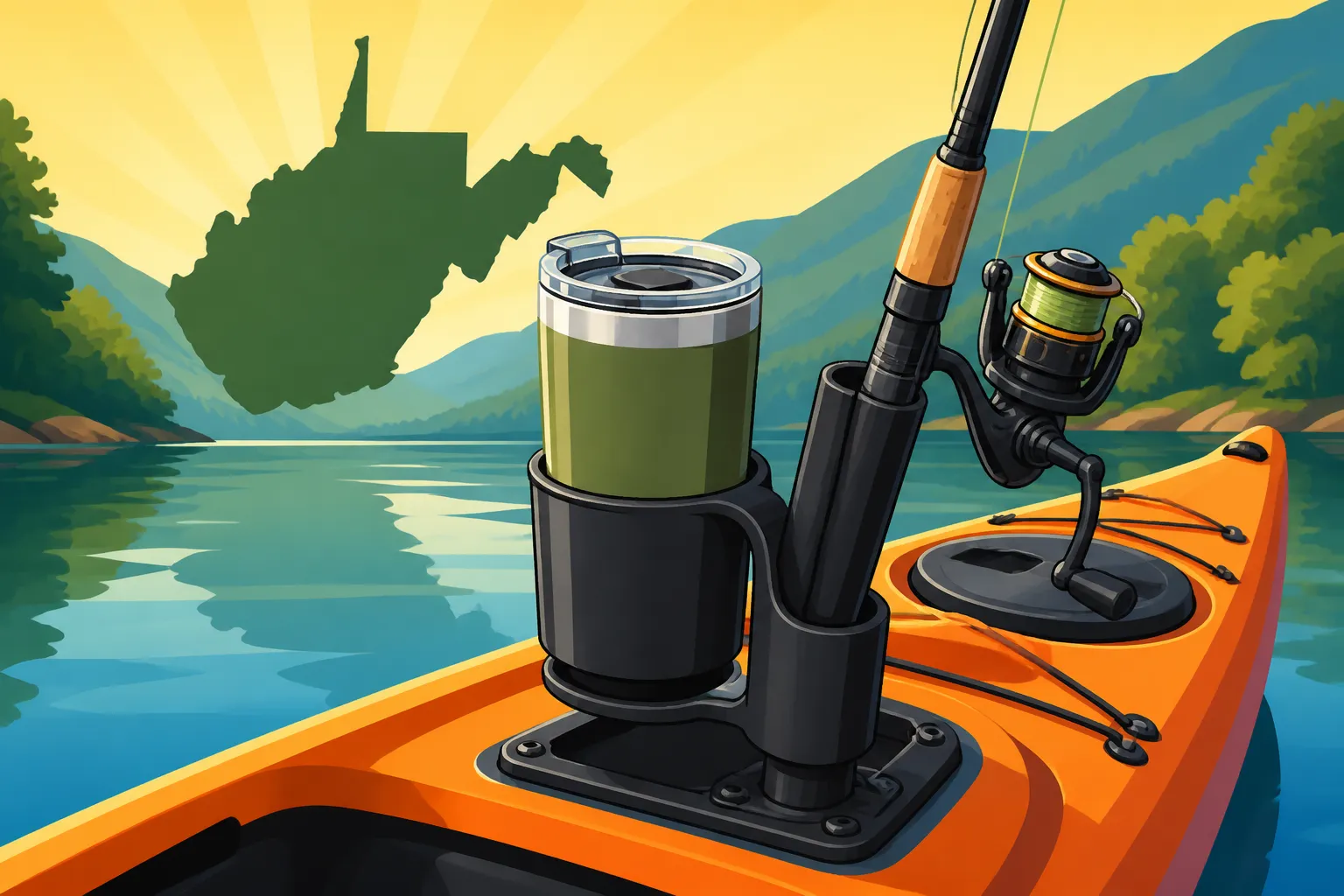
- Integrated Rod Holders: While not a primary rod holder, some cup holder designs might include a secondary, more upright tube that can serve as a temporary spot for a spare rod or a net when you need an extra hand.
- Modular Systems: Certain brands offer cup holders as part of a larger modular system that integrates with gear tracks or universal mounting bases, allowing you to easily swap out or add other accessories like fish finders or camera mounts. Best Fish Finders for West Virginia Lakes or Best Trolling Motor for a Fishing Kayak might be other pieces you'd add to such a system.
Choosing a cup holder with these additional features can significantly enhance your kayak's efficiency and organization, turning a simple accessory into a multi-purpose tool that genuinely improves your fishing experience. Consider what small items you always seem to be fumbling for, and look for a cup holder that can solve those little frustrations.
Installation and Maintenance Tips for Long-Lasting Use
Even the best cup holder won't serve you well if it's not installed correctly or if you neglect its upkeep. A little attention to detail can ensure your accessory lasts for many seasons of fishing on West Virginia's beautiful waterways.
Secure Mounting for Peace of Mind
The most crucial step after purchasing your cup holder is ensuring it's mounted securely. A loose cup holder is a recipe for disaster.
- For Clamp-On Holders:
- Choose Your Spot Wisely: Find a sturdy edge on your kayak that won't interfere with your paddling motion or other gear. The cockpit coaming, a seat frame, or a cooler rail are common spots.
- Clean the Surface: Ensure the area where the clamp will grip is clean and dry.
- Tighten Firmly: Clamp the holder onto your chosen surface. Tighten it down firmly but avoid overtightening, which could damage your kayak or the holder itself. Give it a good wiggle test to make sure there's no play.
- Test with a Drink: Place a full drink in the holder and gently rock your kayak. If it feels stable, you're good to go.
- For Track-Mounted Holders:
- Slide into Track: Slide the base of the cup holder into your kayak's gear track.
- Position and Tighten: Move it to your desired location. Tighten the thumb screws or locking mechanisms until the holder is snug and doesn't rotate or slide along the track. Again, a wiggle test with a full drink is your friend.
- For Suction-Cup Holders:
- Clean Surfaces Thoroughly: This is critical. The kayak surface and the suction cups must be impeccably clean and free of dirt, dust, or oils. Use a mild cleaner and let it dry completely.
- Moisten Cups (Optional but Recommended): A tiny bit of moisture on the edge of the suction cups can help create a better seal.
- Press Firmly and Secure: Press the holder down firmly onto the surface, applying even pressure to all suction cups. Listen for the air being expelled.
- Periodically Re-apply: Suction cups can lose their grip over time. It's a good idea to periodically check and re-apply them, especially on longer trips or if you notice any loosening.
- For Adhesive/Screw-In Holders:
- Careful Planning: Measure and mark your desired location precisely. Remember, these are permanent.
- Follow Manufacturer Instructions: For adhesive mounts, meticulously follow the drying and curing times for the marine-grade adhesive. For screw-in mounts, use appropriate marine-grade stainless steel screws and seal any drilled holes with marine sealant to prevent water intrusion.
A securely mounted cup holder is one less thing to worry about when you're navigating the currents of the New River Gorge Fishing Guide or trying to land a trophy fish. You can learn more about West Virginia Boating Laws for Anglers and Life Jacket Requirements for West Virginia Boaters to ensure you're always prepared and safe on the water.
Cleaning and Storing Your Cup Holder
Just like any other piece of fishing gear, a little cleaning and proper storage will extend the life of your cup holder.
- Rinse After Each Use: Especially if you're fishing in muddy rivers or brackish water, rinse your cup holder with fresh water after each trip. This removes dirt, grime, and salt residue that can degrade plastics or cause corrosion on metal parts over time.
- Deep Clean Periodically: Every few trips, give it a more thorough cleaning with mild soap and water. Use a small brush to get into any crevices where gunk might accumulate.
- Check for Wear and Tear: Regularly inspect your cup holder for cracks, loose parts, or signs of UV degradation (fading, brittleness). Replace it if you notice significant damage to prevent it from failing unexpectedly.
- Proper Storage: If you remove your cup holder for storage, keep it in a cool, dry place away from direct sunlight. This helps preserve the integrity of plastics and suction cups. If it's a permanent fixture on your kayak, simply ensure your kayak itself is stored properly, perhaps with a cover, to protect all its accessories from the elements.
Taking these small steps will ensure your cup holder remains a reliable companion on countless future fishing trips, keeping your essential beverages safe and sound. Consider adding it to your Best Dry Bag for Kayak Fishing contents if it's removable.
Having a dependable cup holder on your kayak might seem like a small luxury, but anyone who's ever fumbled for a drink or watched their coffee disappear into the depths knows it's an absolute game-changer. By understanding the different types of holders, what materials offer the best durability, and the essential features that go beyond simply holding a can, you can make an informed choice that perfectly complements your kayak and your fishing style. Whether you're casting for trout in a mountain stream or chasing bass on a wide reservoir, having your hydration securely within reach means more focus on the fish and less on the spills. So go ahead, find that perfect cup holder, and enjoy a more comfortable, convenient, and spill-free fishing adventure in the beautiful waters of West Virginia.
Disclaimer
This article is for general informational purposes only and does not constitute professional advice. Laws, prices and regulations vary by location and change over time. Consult a qualified professional for guidance on your specific situation.