Best tippet material for tiny mountain stream trout
If you've ever found yourself crouched beside a crystal-clear mountain stream in West Virginia, watching tiny trout dart away before your fly even touches the water, you know the frustration. These fish are notoriously spooky, and a big part of the challenge often comes down to your tippet. Choosing the best tippet material for these delicate situations can feel like a riddle, but this guide is here to unravel it, helping you make the most of those pristine waters.
The Unique Challenges of Tiny Mountain Stream Trout Fishing
Fishing for trout in West Virginia's countless small, high-gradient mountain streams is a truly special experience, but it comes with its own unique set of demands that differ vastly from casting to a big river's resident browns or lake-dwelling rainbows. The very nature of these intimate waterways dictates a more refined approach, especially when it comes to your terminal tackle.
Finicky Fish in Clear Water
Let's be honest, those native brook trout and even the wild rainbows or browns that might inhabit these smaller trickles are incredibly wary creatures. They live in environments where every shadow, every ripple, and every unnatural movement could signal danger from above—whether it's an osprey, a raccoon, or, yes, an angler. The water in these streams is often startlingly clear, especially during low summer flows, giving the fish an unobstructed view of everything happening upstream and around them. This means that a tippet that’s too thick, too visible, or even causes too much drag on your fly can send these fish scattering to the nearest undercut bank or submerged log in a blink.
Imagine carefully stalking a small pool, heart pounding, as you spot a flash of red and blue on a brook trout. You make what you think is a perfect cast, but the moment your fly line, or worse, your heavy tippet, lands with even the slightest splash or creates an unnatural drift, that fish is gone, vanished into thin air. It's a common, heartbreaking scenario that highlights just how crucial stealth and delicate presentation are. These fish aren't accustomed to heavy fishing pressure, making them wild and highly sensitive to anything that doesn't look completely natural.
Obstacles and Abrasion: It's Not Always Smooth Sailing
While delicacy is paramount, tiny mountain streams also present a rugged gauntlet of challenges that can test the tensile strength of your tippet in unexpected ways. These aren't manicured streams with clear casting lanes. Instead, you'll encounter a maze of fallen trees, submerged rocks, tangled roots, and dense bankside vegetation, often overhanging the water like a protective canopy. Every cast can become an exercise in precision to avoid snags, and every landed fish (if you're lucky enough to hook one!) requires careful maneuvering to prevent it from burying itself in cover.
Think about that perfect pocket of water you just spotted under a rhododendron bush, where you know a trout is holding. You make your cast, your fly drifts beautifully, and then, wham! A fish takes it. The immediate challenge isn't just fighting the fish, but preventing it from wrapping your line around a submerged log or snagging your tippet on a sharp rock. The reality of fishing in these tight, overgrown spaces means your tippet needs to be strong enough to withstand unexpected friction and minor abrasions without snapping instantly. Tying off on a willow branch mid-fight or having your line rub against a granite boulder during a hot run is a common reality that demands a balance of finesse and resilience from your tippet material.
Delicate Presentations and Small Flies
The diet of trout in tiny mountain streams largely consists of small insects—midges, tiny caddis, small stoneflies, and various terrestrials like ants and beetles. This means that to imitate their natural food source effectively, you'll often be tying on very small flies, sometimes down to sizes #18, #20, or even #22. A key component of successful fly fishing is ensuring your fly behaves naturally in the water, mimicking a real insect.
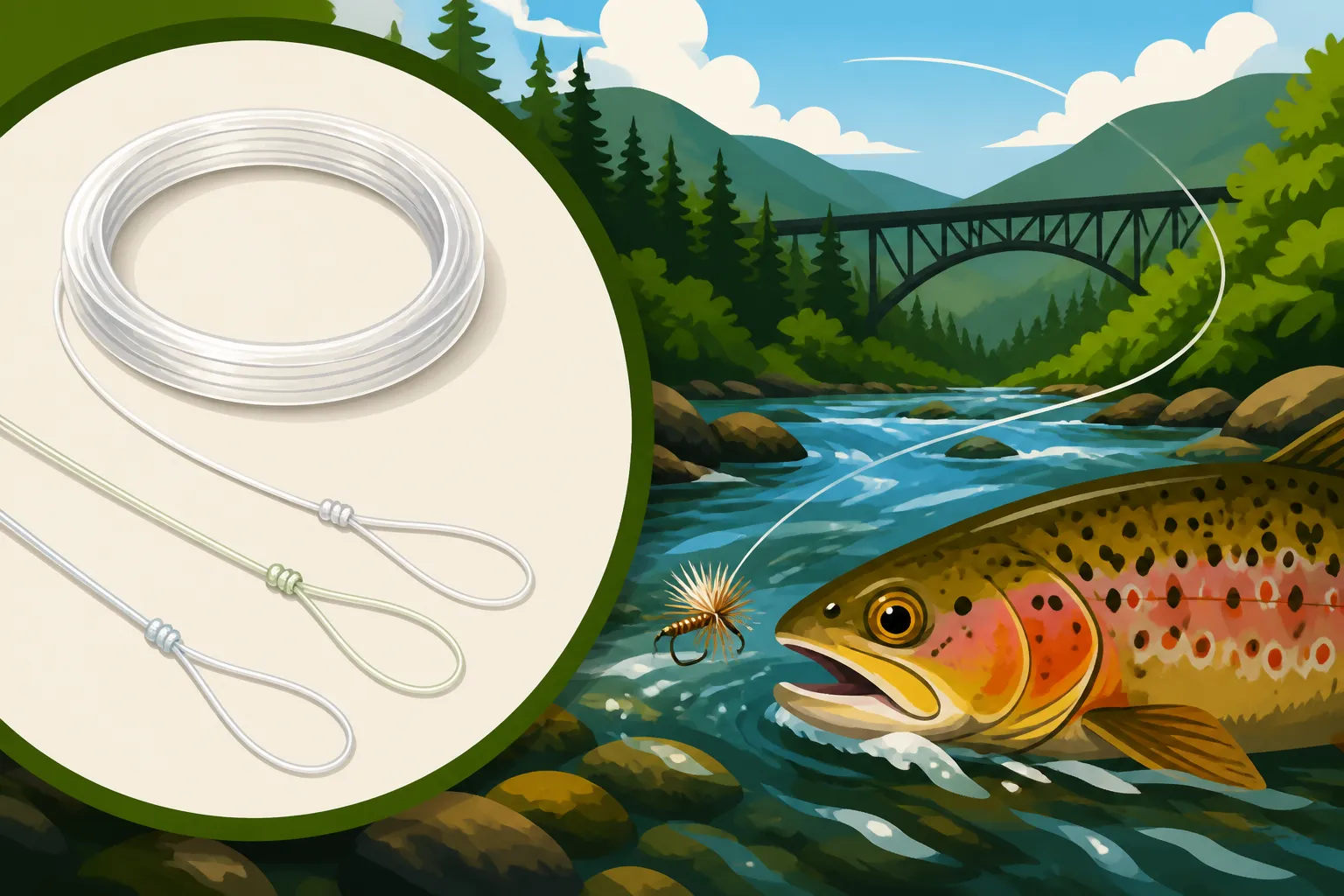
If your tippet is too heavy for the size of your fly, it can completely ruin the presentation. A thick piece of monofilament can cause a tiny dry fly to drag unnaturally, creating a "hinge" effect that looks anything but appetizing to a wary trout. It can also impede the natural swimming action of a small nymph or wet fly. Imagine trying to present a delicate #20 parachute Adams with 4X tippet; it simply won't drift right, pulling against the current and looking like a tiny boat anchored in the flow. The tippet needs to be fine enough to practically disappear and allow the fly to move freely, presenting an irresistible, natural offering to these discerning trout. Fly Fishing for Trout in West Virginia offers great insights into these techniques.
Understanding Tippet Basics: What's the "X" All About?
Before we dive into specific recommendations, it's essential to grasp the fundamental concepts of tippet, especially that enigmatic "X" rating. This understanding is your key to unlocking better presentations and, ultimately, more fish.
Demystifying the X-Rating System
The "X" rating system for tippet (and leaders) is a standardized way for anglers to understand the diameter and approximate breaking strength of their material. It’s a simple scale: the higher the number preceding the "X," the finer and lighter the tippet. So, 8X is much finer than 3X.
Here's a general breakdown to help you visualize it:
| X-Rating | Approximate Diameter (Inches) | Typical Breaking Strength (Lbs) | Common Fly Sizes |
|---|---|---|---|
| 0X | 0.011 | 12-15 | #2 – #8 |
| 1X | 0.010 | 10-12 | #4 – #10 |
| 2X | 0.009 | 8-10 | #6 – #12 |
| 3X | 0.008 | 6-8 | #8 – #14 |
| 4X | 0.007 | 5-7 | #10 – #16 |
| 5X | 0.006 | 4-6 | #12 – #18 |
| 6X | 0.005 | 3-5 | #16 – #22 |
| 7X | 0.004 | 2-3 | #18 – #24+ |
| 8X | 0.003 | 1-2 | #20 – #28+ |
(Note: Breaking strengths can vary slightly between brands and materials, but this table provides a solid guideline.)
For our tiny mountain stream applications, you'll mostly be focusing on the finer end of this spectrum, from 5X up to 8X. Understanding these numbers means you can select the right balance of stealth and strength for the specific conditions you face, allowing your small dry flies to land gently and your nymphs to sink naturally without being hampered by an overly robust connection. A common frustration is having a tippet break at what feels like a minor snag, only to realize later that you were using something too fine for the situation. Conversely, using a heavy tippet on a small fly will lead to zero bites.
Monofilament vs. Fluorocarbon: The Great Debate for Small Streams
When it comes to tippet material, the choice often boils down to two main players: monofilament (mono) and fluorocarbon (fluoro). Both have their place, but their properties make them suitable for different situations, especially in the context of tiny mountain streams.
Monofilament Tippet:
- Pros: Generally more supple and elastic, which can be beneficial for delicate dry fly presentations where a natural drift is paramount. It floats, making it ideal for suspending dry flies on the surface. It's often more affordable, and some anglers find it easier to tie knots with. It has a bit of stretch, which can act as a shock absorber during a sudden strike, potentially preventing a break on a light tippet.
- Cons: More visible in clear water than fluorocarbon, especially under direct sunlight. It absorbs water over time, which can slightly affect its strength and suppleness. Its stretch can make it less sensitive for detecting subtle takes when nymphing.
Fluorocarbon Tippet:
- Pros: Nearly invisible underwater. This is its biggest advantage for wary fish in clear water, as its refractive index is very close to that of water. It sinks faster than mono, which is a huge plus for getting nymphs down quickly to the strike zone. It's less stretchy and more abrasion-resistant, offering better sensitivity and durability against rough structure.
- Cons: Generally stiffer and less supple than monofilament, which can sometimes hinder the natural action of very small dry flies on the surface. It's typically more expensive. Some anglers find it a bit more challenging to tie knots with, and if a knot isn't tied perfectly, it can slip or break. It doesn't float, so it can pull down dry flies if not greased or kept very short.
For tiny mountain stream trout, your choice often comes down to your primary technique. If you're almost exclusively dry fly fishing, a good quality monofilament like Rio's Powerflex or Scientific Anglers' Absolute Trout often shines due to its suppleness and floatation. If you're predominantly nymphing or fishing wet flies, or if the water is exceptionally clear and the fish are hyper-spooky, then fluorocarbon like Seaguar's Grand Max or Orvis Mirage can be a game-changer for its invisibility and sinking properties. Many anglers carry spools of both, ready to switch as conditions or techniques demand. It's definitely not a one-size-fits-all scenario! You can find excellent options for both materials at retailers like Bass Pro Shops or even a quick search on Amazon.
Top Tippet Choices for West Virginia's Tiny Mountain Streams
Now that we understand the challenges and the basics, let's talk about the specific X-ratings that will serve you best on those pristine West Virginia freestone streams. It's a spectrum, and the right choice will often depend on the specific conditions and the size of the flies you're using.
When to Go Ultra-Fine: 7X and 8X Tippet
There are days when the trout in those tiny mountain streams are so persnickety, so utterly unwilling to tolerate anything less than perfection, that you simply have to go as light as possible. This is where 7X and even 8X tippet come into play. These ultra-fine diameters are practically invisible in the water, offering the most delicate presentation imaginable.
-
Scenarios for Ultra-Fine Tippet:
- Low, crystal-clear water: After a dry spell, when stream flows are minimal and the water is like glass, 7X or 8X becomes a necessity. Even a slightly heavier tippet will stand out like a hawser.
- Micro-flies: If you're fishing tiny midges, small ants, or other minuscule patterns in sizes #20, #22, or even smaller, you need ultra-fine tippet to allow the fly to move naturally. Any heavier material will dominate the fly's action.
- Native Brook Trout: These little jewels, West Virginia's state fish, are often the most wary. When targeting them in their pristine headwater habitats, maximum stealth is often the only way to entice a take. Brook Trout: West Virginia's Native and State Fish delves deeper into these unique fish.
- Spooky conditions: Bright sun, no wind, or heavy angling pressure (though less common on tiny streams) can all make trout extra skittish, demanding the lightest possible approach.
-
Handling Considerations and Frustrations:
While 7X and 8X tippet offer unmatched stealth, they come with a significant trade-off: reduced breaking strength. You're often working with 1-3 pounds of breaking strength. This means:- Delicate hooksets: You can't violently set the hook like you might for a bass. A gentle, firm lift is all it takes.
- Soft hands: Fighting a fish requires "soft hands" and letting the rod do the work. Any sudden jerks or excessive pressure will lead to a snap.
- Knot strength: Flawless knots are paramount. A poorly tied knot can reduce the effective breaking strength by a significant margin.
- Abrasion: Even minor contact with a twig or rock can be enough to sever this fragile material.
- The inevitable snap: Despite your best efforts, you will break off fish. It's an unfortunate reality of fishing so light, but it's often the only way to get bites on tough days.
Brands like Rio and Seaguar are renowned for their high-quality tippet materials, offering dependable strength even in these incredibly fine diameters. For the absolute fussiest fish, having a spool of 7X or 8X fluorocarbon can make all the difference, especially if you're targeting fish holding deep in tiny pockets.
The Versatile Workhorse: 5X and 6X Tippet
For the majority of your tiny mountain stream trout fishing in West Virginia, 5X and 6X tippet will likely be your bread and butter. These are the versatile workhorses that strike an excellent balance between stealth and manageability, allowing you to catch fish without constantly breaking off.
-
Why 5X and 6X are Go-To Options:
- Balanced Stealth and Strength: They are fine enough to be minimally visible in most clear water conditions, especially when paired with an appropriate leader, but offer enough breaking strength (typically 3-6 lbs) to handle small to medium-sized trout without constant fear of breakage.
- Versatility with Fly Sizes: 5X and 6X can comfortably present a wide range of common mountain stream flies, from smaller dry flies like #14-18 Parachute Adams or Elk Hair Caddis to small nymphs like a #16-20 Pheasant Tail or Hare's Ear.
- Easier Handling: Compared to 7X or 8X, these diameters are much easier to tie knots with, resist minor abrasions better, and provide a bit more cushion when fighting a spirited fish in tight quarters. This means fewer re-ties and more fishing time.
-
Common Scenarios:
- Average water conditions: When streams aren't exceptionally low and clear, or after a bit of rain has added a touch of stain to the water, 5X or 6X is perfect.
- Mixed techniques: If you're switching between dry flies, dry-dropper rigs, and small nymph rigs throughout the day, 6X is a fantastic all-around choice.
- Targeting various trout: Whether you're after wild rainbows, small browns, or slightly larger native brook trout, these tippet sizes provide the right blend of finesse and stopping power.
Many anglers wisely choose to stock up on 5X and 6X spools, perhaps purchasing multi-spool packs that offer good value. You can find excellent options from Umpqua, Scientific Anglers, and other reputable brands at fishing specialty stores or through online retailers like Bass Pro Shops or Amazon. Having these readily available means you're prepared for most situations you'll encounter on a typical West Virginia mountain stream outing. For more on what gear to pack, check out Best Gear for West Virginia Trout Fishing.
A Little More Muscle: When 4X Might Make Sense
While the emphasis for tiny mountain streams is almost always on lighter tippet, there are specific situations where stepping up to 4X can actually be a smart move. It's about understanding the compromises and benefits of gaining a bit more strength.
-
Situations Demanding Stronger Tippet:
- Larger Flies: If you're fishing slightly larger terrestrial patterns (like a #10-12 hopper or stimulator) or heavier nymphs (like a #12-14 stonefly imitation) to mimic bigger bugs in the stream, 4X tippet will turn them over better and allow for a more natural presentation. A lighter tippet might struggle to cast these flies accurately or hinge unnaturally.
- Windy Conditions: A persistent breeze can make delicate casting a nightmare. A slightly heavier tippet like 4X can help cut through the wind better, giving you more control over your cast and presentation, reducing frustrating tangles and blown casts.
- Heavier Cover and Bigger Fish: While less common in tiny streams, sometimes a surprisingly large brown trout or rainbow might take up residence in a deeper pool or under a particularly gnarly logjam. If you anticipate encountering slightly bigger fish or fishing around a lot of snags, 4X gives you a fighting chance. Imagine hooking into a 15-inch wild brown in a small stream—that extra pound or two of breaking strength from 4X could be the difference between landing it and a heartbreaking snap!
- Beginner Anglers: For those still developing their casting stroke and knot-tying skills, 4X provides a bit more forgiveness. It's less prone to breaking on an aggressive hookset or a slightly less-than-perfect knot.
-
Compromises on Stealth:
The trade-off, of course, is visibility. At 4X, your tippet is becoming more apparent in ultra-clear, low water. You'll need to be even more mindful of your casting distance, approach, and how your fly drifts. Long, drag-free drifts are still essential, but you might find yourself needing to position yourself more carefully to avoid spooking fish with your line. If the fish are actively refusing your flies on 4X, it's a clear signal to size down. The goal is always to use the lightest tippet you can get away with while still effectively presenting your fly and landing fish.
Practical Tips for Maximizing Your Tippet Performance
Choosing the right tippet is only half the battle. How you use it, how you maintain it, and how you connect it to your leader and fly can make all the difference between a successful day and a frustrating one.
Knot Tying: Your Weakest Link (or Strongest Asset)
It's a common and deeply irritating experience: you make a perfect cast, a trout rises and takes your fly, you set the hook, and then… ping! Your line goes slack. More often than not, the culprit isn't the tippet material itself, but a poorly tied knot. A knot that isn't tied correctly can reduce the tippet's advertised breaking strength by 30-50% or even more. This makes your knot the actual "weakest link" in your entire setup.
For tiny mountain stream fishing, where you're often using delicate tippets and small flies, impeccable knot tying is non-negotiable. Here are a few knots that are highly recommended for securing your tippet to your fly and to your leader:
- To the Fly (Leader-to-Fly):
- Improved Clinch Knot: A classic for a reason. It's strong, relatively easy to tie, and works well for a wide range of fly sizes and tippet diameters. Make sure to get at least 5-7 wraps for finer tippets.
- Davy Knot/Double Davy Knot: These are fantastic for extremely small flies (size #18 and smaller) and very fine tippet (6X-8X). They are incredibly small, don't obscure the eye of the hook, and are surprisingly strong for their simplicity. The double Davy adds a bit more security.
- Orvis Knot: Another excellent, strong, and compact knot that performs well with fine tippets.
- To the Leader (Tippet-to-Leader):
- Surgeon's Knot (Double or Triple): This is perhaps the most popular and reliable knot for connecting two pieces of line of similar or slightly different diameters, making it perfect for adding a new section of tippet to your leader. Ensure you moisten the knot thoroughly before tightening.
- Blood Knot: While a bit more challenging to master, a perfectly tied blood knot is incredibly strong and creates a very streamlined connection that slides smoothly through rod guides. It’s best for connecting lines of similar diameter.
The key to any knot is practice. Tie them at home, not just on the stream. Lubricate them with saliva before cinching them down slowly and firmly. Always test your knots with a gentle pull to ensure they're secure before making that first cast. This small investment of time will save you countless frustrations and lost fish.
Leader Construction and Taper
Your tippet isn't an isolated component; it's the final, critical piece of your entire leader system. A well-constructed, properly tapered leader is just as important as the right tippet for achieving those delicate presentations in tiny mountain streams.
A typical tapered leader starts thick at the butt section (where it connects to your fly line) and gradually tapers down to a fine tip where you attach your tippet. This taper is crucial because it helps transfer the energy from your heavier fly line smoothly down to your light tippet, allowing your fly to land gently and naturally. If your leader's taper is too abrupt, or if your tippet is significantly thinner than the end of your leader, you can create a "hinge" effect. This causes the fly to land with a splash or to kick unnaturally, immediately alerting wary trout.
Most commercially available tapered leaders are designed with a specific tippet "X" rating at their fine end. For example, a 9-foot 5X tapered leader will be designed to have 5X tippet attached to it. When your tippet section gets too short from changing flies, you simply add a new piece of 5X (or finer, if conditions demand) to the end of your leader using a surgeon's knot.
Consider the length of your tippet section as well. For tiny mountain streams, a tippet section of 18 to 36 inches is often ideal. This provides enough separation between your fly and the more visible leader, while still allowing for good casting control. On exceptionally spooky days, or with very small flies, you might extend it slightly, but too long a tippet can make casting difficult, especially in tight quarters. A proper leader setup, including your chosen tippet, is fundamental to truly effective Fly Fishing for Trout in West Virginia.
Storage and Maintenance: Keeping Your Tippet Fresh
Tippet material, while durable, isn't indestructible, and its performance can degrade over time if not properly cared for. Many anglers overlook the simple steps that can extend the life and effectiveness of their tippet.
- UV Degradation: Sunlight, specifically ultraviolet (UV) light, is the enemy of monofilament and, to a lesser extent, fluorocarbon. Prolonged exposure to UV rays can weaken the material, making it brittle and more prone to breaking, even with perfectly tied knots.
- Kinks and Abrasion: Leaving spools loose in a tackle box where they can get scuffed or kinked will compromise their integrity. Sharp bends or nicks can create weak spots that will snap under pressure.
- Old Spools: Tippet does have a shelf life. While it doesn't "expire" quickly, a spool of monofilament that's several years old and has been subjected to various temperature changes and light exposure might not perform as well as a fresh spool. Fluorocarbon is more resistant to UV and age, but still benefits from good care.
Maintenance Tips:
- Store in a Dark Place: Keep your tippet spools in a closed tackle box or a dedicated tippet wallet when not in use. Avoid leaving them on your dashboard or in direct sunlight for extended periods.
- Use a Tippet Holder: Many fly vests and packs come with built-in tippet holders, or you can purchase a separate one. These keep your spools organized, easily accessible, and protected from getting crushed or abraded.
- Inspect Regularly: Before each fishing trip, take a moment to inspect your tippet spools for any obvious signs of damage, nicks, or kinks. If a section looks compromised, it's always better to cut it off or replace the spool entirely.
- Replace Old Spools: If you can't remember when you bought a particular spool of tippet, or if it feels unusually stiff or brittle, it's probably time to replace it. The cost of a new spool is far less than the heartbreak of losing a trophy fish to old, weak line.
By paying attention to these small details, you ensure that the tippet you meticulously selected for those tiny mountain stream trout is always performing at its peak.
Beyond the Tippet: Other Considerations for Tiny Stream Success
While your tippet choice is paramount for stealth and presentation, it's part of a larger strategy. Successful fishing on West Virginia's small mountain streams involves a holistic approach that integrates careful planning, skillful execution, and a deep respect for the environment.
Reading the Water: Where the Trout Hide
You could have the finest tippet in the world, but if you're casting to empty water, you won't catch anything. Understanding where trout hold in tiny mountain streams is fundamental. These fish are opportunists, but they're also survivalists. They seek out areas that offer three things: food, cover, and a break from the current.
- Pocket Water: Often found in the steeper, rockier sections, pocket water consists of small, calm areas behind boulders or other obstructions. These are prime feeding lies where trout can wait for food to drift by without expending too much energy.
- Riffles and Runs: These faster, shallower sections aerate the water and often hold insect nymphs. Trout will position themselves just at the edge of or behind currents to intercept dislodged food.
- Pools: Deeper, slower sections of the stream offer safety and often hold larger fish. Look for subtle currents, undercut banks, and submerged logs within pools.
- Under Overhangs and Banks: Tree roots, rhododendron branches, and eroded banks provide excellent overhead cover and hiding spots. Don't be afraid to make accurate, short casts into these often-overlooked areas.
- Seams: The meeting point of fast and slow water is a prime feeding lane. Trout will often sit in the slower water, darting into the faster current to grab food.
Learning to "read" the water and identify these holding lies takes practice, but it's one of the most rewarding aspects of stream fishing. Each bend, rock, and drop-off presents a potential home for a trout. Don't forget to review Reading the West Virginia Fishing Regulations Summary for any specific stream rules.
Stealth is Key: Approaching Your Spot
Even with the most invisible tippet, a clumsy approach will send every fish in the vicinity scattering. Trout in tiny mountain streams are highly sensitive to vibrations, shadows, and sudden movements. Think of yourself as a predator stalking its prey – quiet, low, and methodical.
- Walk Softly: Heavy footsteps on the bank or wading carelessly through shallow water can send shockwaves that alert fish. Move slowly and deliberately.
- Stay Low: Keep a low profile. Crouch, kneel, or even crawl when approaching a prime spot. The less of your silhouette the fish sees, the better.
- Use Cover: Utilize bankside vegetation, large rocks, or changes in elevation to break up your outline. Cast from behind a bush rather than standing in the open.
- Avoid Shadows: Be mindful of the sun's position. Casting your shadow over the water, or worse, directly over a fish, is an instant alarm bell. Try to cast with the sun in front of you or to the side.
- Upstream Approach: Whenever possible, approach from downstream and cast upstream. This keeps you out of the fish's primary line of sight and allows your fly to drift naturally towards them before your line passes over them.
- First Cast Counts: Make your first cast to a new spot your best one. Often, you only get one good shot at an unspooked fish.
Mastering these stealth techniques is as crucial as your tippet choice for consistently catching trout. For more detailed advice, check out Wading Techniques for West Virginia Trout Streams.
Catch and Release Best Practices
Many of West Virginia's tiny mountain streams are home to delicate ecosystems, particularly those holding native brook trout. While not always mandatory, practicing catch and release is highly encouraged, especially for these sensitive species and on designated special regulation waters. Your tippet choice plays a role even after the fish is hooked.
- Minimizing Fight Time: While light tippet can prolong a fight, try to land the fish as quickly and gently as possible without over-stressing it. This is where a slightly stronger tippet (like 5X or 6X over 7X/8X) can sometimes be beneficial, allowing you to bring the fish in faster.
- Wet Hands Only: Always wet your hands before touching a fish. Dry hands can remove the protective slime layer, making the fish susceptible to disease.
- Keep Fish in Water: Minimize the time the fish is out of the water. If you must take a photo, do it quickly and keep the fish as low to the water as possible.
- Barbless Hooks: Consider using barbless hooks, or crimping down the barbs on your regular hooks. This makes hook removal quicker and causes less damage to the fish's mouth.
- Proper Hook Removal: Use forceps or hemostats to carefully remove the hook. If the hook is deeply swallowed, it's often better to cut the tippet as close to the hook as possible, as the hook will usually dissolve or rust out.
- Revive Gently: Hold the fish gently facing into a slow current until it regains its strength and swims away on its own. Don't "pump" it back and forth; this can actually inhibit gill function.
By combining the right tippet with responsible angling practices, you contribute to the health and longevity of these precious fisheries, ensuring that future generations can enjoy the thrill of catching a wild West Virginia trout. To understand specific regulations, consult West Virginia Catch and Release Rules for Trout.
Choosing the best tippet material for tiny mountain stream trout in West Virginia is a nuanced decision, influenced by water clarity, fly size, and the spunk of the fish you're chasing. It’s a balance between absolute invisibility and the strength needed to land a fish and navigate the inevitable snags. By understanding the X-rating system, the differences between mono and fluoro, and practicing good knot tying and stream craft, you'll be well on your way to more memorable days on those beautiful, intimate waterways. Tight lines out there!
Disclaimer
This article is for general informational purposes only and does not constitute professional advice. Laws, prices and regulations vary by location and change over time. Consult a qualified professional for guidance on your specific situation.