Best catfish spots on the Ohio River near Huntington
Trying to pin down the best catfish spots on a massive waterway like the Ohio River, especially near a busy area like Huntington, can feel like searching for a needle in a haystack. The sheer size of the river, coupled with its ever-changing conditions and diverse bottom structure, makes it a real challenge to consistently find those trophy-sized flatheads or a mess of feisty channel cats. This guide is here to cut through the confusion, offering you precise locations and proven strategies to help you hook into some fantastic catfish around the Huntington stretch of the Ohio River.
Understanding Ohio River Catfish Near Huntington
The Ohio River around Huntington isn't just a scenic backdrop; it's a dynamic ecosystem teeming with various catfish species. Knowing what you're up against and how this specific section of the river behaves is your first step toward a successful outing. It's not enough to just throw a line in; you need to understand the nuances of the water you're fishing.
Species You'll Encounter
When you drop a line into the Ohio River near Huntington, you're primarily targeting three main species of catfish: channel catfish, flathead catfish, and occasionally blue catfish. Each has its own personality, preferred diet, and habitat, so understanding them will significantly improve your chances.
Channel catfish are often the most abundant and easiest to catch, making them a fantastic target for anglers of all skill levels. They're opportunistic feeders, meaning they'll readily take a variety of baits, from cut bait and chicken livers to prepared stink baits. You'll find them in a wide range of habitats, from deeper pools to moderate currents, often near structure that provides cover and food. They typically don't grow as large as their flathead or blue counterparts, but a 5-10 pound channel cat can put up a respectable fight and makes for excellent table fare.
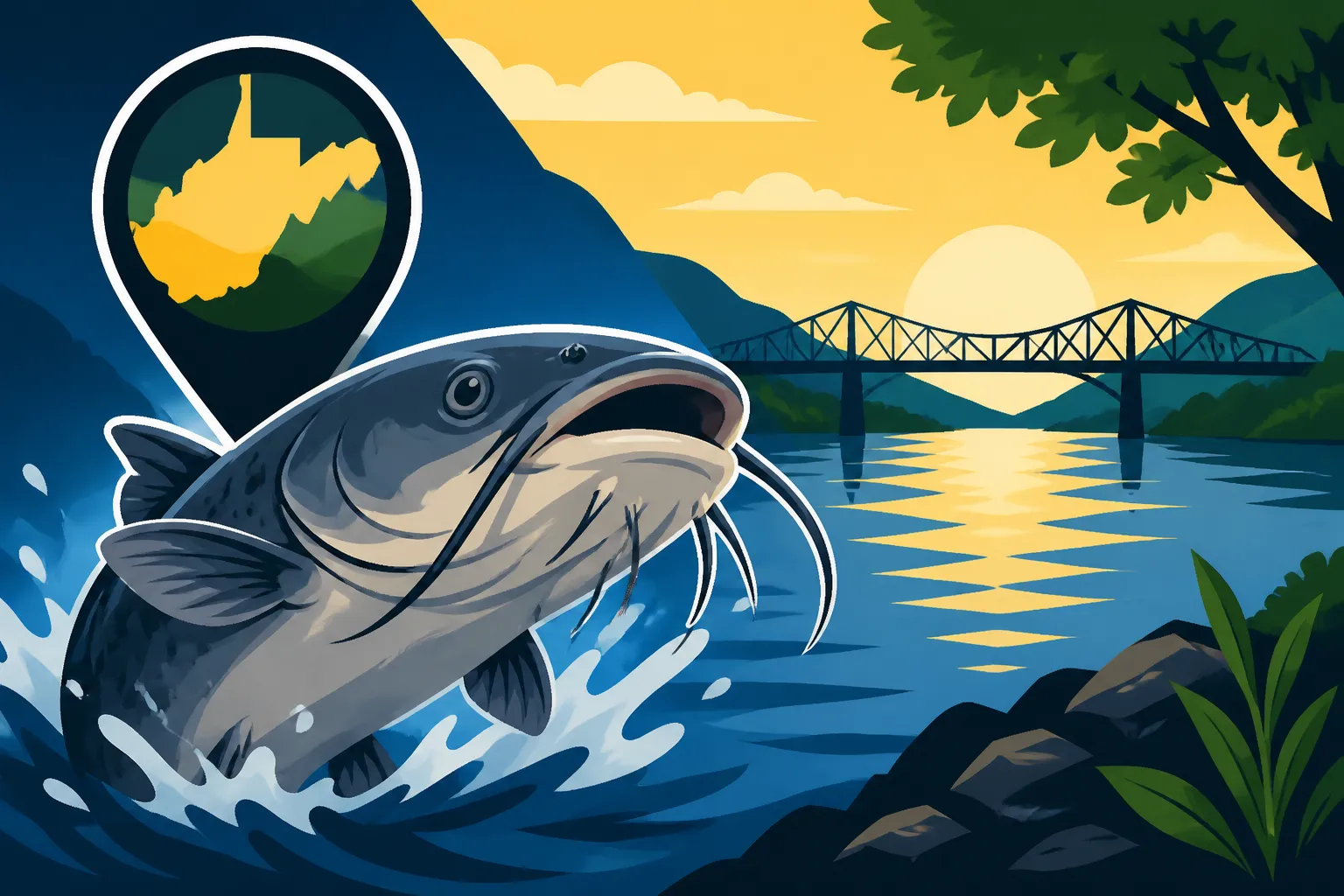
Flathead catfish are the true ambush predators of the Ohio. These magnificent fish prefer live bait – think bluegill, shad, or even smaller suckers – and they love to hide in heavy cover like submerged timber, rock piles, or deep holes with strong current breaks. They're often found around the complex structures of dams and bridge pilings. Catching a flathead requires patience, robust gear, and understanding their tendency to stay put in their chosen lair, waiting for an unsuspecting meal to swim by. They can grow to immense sizes, with 30-50 pounders being not uncommon, and truly legendary fish pushing 70 pounds or more have been pulled from these waters.
Blue catfish, while not as prevalent as channel or flathead catfish in some stretches of the Ohio, are becoming more common in certain areas, including downstream portions. They are schooling fish that often prefer open water and strong currents, typically feeding on shad and other baitfish. Like flatheads, they can grow to enormous sizes and are powerful fighters. If you're targeting blue catfish, focusing on deeper channels and current seams with fresh cut bait is often your best bet. Keep an eye on local reports, perhaps checking resources like FishingBooker for guides specializing in specific species, as their presence can vary. Understanding the characteristics of these different species is crucial for any serious "Catfish Fishing in West Virginia" endeavor.
Prime Habitat and River Dynamics
The Ohio River is a series of locks and dams, which creates distinct pool sections with varying current speeds, depths, and bottom compositions. Near Huntington, you're in one of these pooled sections, but the influence of the Robert C. Byrd Locks and Dam upstream and the Greenup Locks and Dam downstream still significantly shapes the fishing environment.
Current is king for catfish, especially flatheads and blues. They often position themselves in current breaks, where they can expend minimal energy while still having easy access to food washing downstream. Look for eddies behind submerged islands, barge tie-offs, bridge pilings, or sharp bends in the river. Depth changes are also critical. Catfish will often move between shallower feeding flats and deeper holes depending on the time of day, water temperature, and baitfish movements. The Ohio River has a main navigation channel that is consistently dredged, providing deep-water sanctuaries and travel corridors for larger fish.
Bottom structure is another non-negotiable factor. The Ohio River bottom near Huntington is a mix of rock, gravel, sand, and unfortunately, a fair amount of man-made debris. Submerged logs, old bridge abutments, rock ledges, and even discarded tires can all hold catfish. These structures provide cover from predators, breaks from the current, and ambush points for feeding. When you're scouting, pay attention to any subtle changes in your sonar readings or even visual cues on the bank that might indicate underwater structure. Tributary mouths, like those of the Guyandotte and Big Sandy Rivers, also introduce significant changes to the river dynamics. These areas bring in new food sources, varying water temperatures, and often create distinct current seams and underwater deltas that are irresistible to hungry catfish.
Top Catfish Hotspots Around Huntington
Knowing the general habits of catfish is one thing, but knowing where to apply that knowledge on the vast Ohio River near Huntington is another. Let's pinpoint some of the most consistent hotspots that local anglers swear by. Remember, conditions change, but these locations offer reliable features that consistently attract catfish.
The Robert C. Byrd Locks and Dam Area
Just upstream from Huntington lies the massive Robert C. Byrd Locks and Dam. This structure is a magnet for all three major catfish species, particularly flatheads and blues, due to the dramatic changes it imposes on the river's flow and habitat.
Below the dam, the turbulence created by the spillways and generating stations churns up baitfish and concentrates them, creating a buffet for predatory fish. The deep scour holes immediately below the dam are prime holding areas for large flatheads and blue catfish. You'll often find these fish tucked into the deepest pockets, out of the main current but still close enough to ambush passing meals. Fishing here requires heavy tackle and an understanding of how to present your bait in strong currents. Many anglers prefer to anchor slightly downstream and cast heavy slip-sinker rigs into the turbulent water, letting the bait wash naturally into the holding zones. Be extremely mindful of navigation and safety here, as commercial barge traffic and powerful currents demand constant vigilance. Always ensure you're aware of any "West Virginia Boating Laws for Anglers" and safety zones around the dam.
Above the dam, the slack water of the impoundment also holds significant numbers of catfish. Look for areas with submerged timber, old creek channels, and deep drop-offs along the shoreline. Channel catfish will often cruise the shallower flats and edges, especially during low light conditions, while flatheads might be found hunkered down in the deeper wood cover. Access to the upstream side might be limited for bank anglers, but boaters can explore a wider range of structure. When fishing the Ohio River, especially near such significant structures, having the right "Best Boats for West Virginia Rivers and Lakes" can make all the difference, from stable jon boats to larger, more capable fishing vessels.
Tributary Confluences and Creek Mouths
The points where smaller rivers and creeks merge with the Ohio River are always fantastic catfish spots. Near Huntington, the confluence of the Guyandotte River and the Ohio River is a prime example. Further downstream, the Big Sandy River also joins the Ohio, creating another exceptional area.
The Guyandotte River, flowing directly through Huntington, meets the Ohio on its western edge. This confluence is a hotspot for several reasons. First, the Guyandotte often carries different water temperatures and clarity than the Ohio, creating distinct current seams where baitfish congregate. Second, it brings a fresh influx of food, washing out various organisms and smaller fish into the main river. Third, the underwater delta formed by the Guyandotte's sediment deposition creates varied depths and structures – humps, drop-offs, and soft bottom areas – that are ideal for all three catfish species. Fishing the seams where the two rivers meet, or just inside the mouth of the Guyandotte, can be incredibly productive. Anchoring on the Ohio side and casting into the current seams with cut bait for channel and blue cats, or live bait for flatheads, is a popular and effective strategy.
Beyond the major tributaries, don't overlook the mouths of smaller creeks and drainages that empty into the Ohio along the Huntington stretch. These smaller inflows, especially after a rain event, can create similar but more localized feeding frenzies. They wash worms, insects, and other food into the main river, drawing in channel catfish particularly. Look for the muddy plume of a smaller creek entering the clearer Ohio, and fish the edges of that plume. These spots are often accessible to bank anglers, providing excellent opportunities without needing a boat. Consider spending some time on shore, honing your "Bank Fishing Techniques for West Virginia Lakes" (which can often apply to river banks as well!) to target these areas.
Deep Channels and Structure Along the Banks
Away from the dams and major confluences, the main Ohio River channel itself and the various structures along its banks hold tremendous potential for catfish. This requires a bit more exploration, often best done by boat, but the rewards can be significant.
The navigational channel of the Ohio River is maintained at a considerable depth, typically 9 feet or more, but it often features much deeper holes and scour marks, particularly on the outside bends of the river or near hard-bottomed areas. These deep channels serve as highways and holding areas for large blue and flathead catfish. Using a good fish finder to identify these deeper depressions, as well as any submerged structures like old barges, rock piles, or timber, is key. Drift fishing with heavy weights and large cut baits or live baits through these deep zones can be incredibly effective. Pay close attention to your electronics for sudden depth changes or "hooks" that indicate fish. Many anglers rely on specific tools to locate these deep-water fish, and services like FishingBooker can help you find guides who are experts in reading sonar on the Ohio.
Beyond the main channel, focus on man-made structures along the banks and riverbed. Bridge pilings, especially those of the various bridges crossing the Ohio near Huntington (like the Robert C. Byrd Bridge or the Huntington Bridge), create excellent current breaks and scour holes where big flatheads love to hide. Industrial docks, abandoned ferry landings, and even submerged remnants of old structures can all provide vital cover and feeding opportunities. For bank anglers, areas around public access points, parks, and boat ramps can often provide access to deeper water and structure without needing a boat. For example, the areas near Harris Riverfront Park often have public access points that allow you to fish closer to the main channel or deeper scour areas created by consistent barge traffic. Always check local signs for fishing restrictions and public access availability.
Essential Techniques and Gear for Ohio River Catfish
Successfully landing a big catfish from the Ohio River isn't just about finding the right spot; it's equally about employing the right techniques and having the gear to handle these powerful fish. The river's challenges – strong currents, heavy structure, and large fish – demand specific approaches.
Best Baits and Rigging Strategies
Catfish are primarily scent-oriented feeders, and their diet can vary significantly between species. Matching your bait and rigging strategy to your target species and the prevailing conditions is paramount.
For channel catfish, a wide array of baits will work. Classic options like chicken livers, nightcrawlers, and shrimp are perennially popular due to their strong scent and availability. Prepared "stink baits" or punch baits, like those from popular brands such as Berkley Gulp! Catfish Bait, are also highly effective, especially when fished on a treble hook or sponge bait holder. A simple slip-sinker rig is incredibly versatile for channels. This rig involves a leader (12-24 inches) tied to a hook, a barrel swivel, and a slip sinker (often an egg sinker or no-roll sinker) on the main line above the swivel. This allows the fish to pick up the bait without feeling the weight of the sinker immediately. For "Bottom Fishing for Catfish in West Virginia Rivers," this rig is a staple.
When targeting flathead catfish, live bait is king. Freshly caught bluegill, shad, suckers, or even large shiners are irresistible to flatheads. The size of your bait should match the size of the flathead you're hoping to catch – a 6-8 inch bluegill is not too large for a trophy flathead. Rigging live bait typically involves a large circle hook (sizes 5/0 to 10/0) run through the back or lips of the baitfish. For fishing around heavy cover like submerged logs, a Carolina rig with a heavy weight (2-6 ounces, depending on current) can be effective, ensuring your bait stays put. Alternatively, a three-way swivel rig allows you to attach a heavy sinker on a short dropper line, your main line to one eye, and a leader with your live bait to the third. This keeps your bait suspended just off the bottom, out of the immediate snags, but still in the flathead's strike zone.
Blue catfish also respond well to fresh cut bait. Shad, skipjack herring, carp, or even panfish cut into chunks emit strong oil and blood trails that blues follow. Use similar heavy slip-sinker or three-way swivel rigs as for flatheads, but blues often prefer slightly smaller chunks of cut bait than a flathead might, though still substantial. They tend to cruise more than flatheads, so placing multiple lines in different depths and current seams can increase your odds.
Rods, Reels, and Line for Monster Cats
The Ohio River's catfish, especially the larger flatheads and blues, are incredibly powerful fish that demand robust tackle. Trying to land a 40-pound flathead on a bass rod will likely end in heartbreak and a broken rod.
You'll need a heavy-action catfish rod, typically 7 to 10 feet in length. Longer rods offer better casting distance for bank anglers and provide more leverage when fighting large fish, especially when trying to steer them away from snags in the strong current. Look for rods with a strong backbone but still enough tip sensitivity to detect subtle bites. Popular options include those from brands like Ugly Stik or Rippin Lips.
Pair your heavy rod with a durable baitcasting reel. Reels designed for saltwater fishing or specific heavy-duty catfish reels are ideal. Look for models with a high line capacity, a smooth, powerful drag system, and sturdy gears. Brands like Abu Garcia or Penn often have excellent options that stand up to the abuse of big river catfishing. While spinning reels can be used for smaller channel cats, they generally lack the power and line capacity needed for trophy flatheads and blues.
Line choice is critical. Most serious catfishermen opt for a heavy monofilament or braided line. Monofilament, in the 20-50 pound test range, offers good abrasion resistance and some stretch, which can be forgiving during hard fights. However, braided line, typically 50-100 pound test, offers superior strength, sensitivity, and a smaller diameter for its breaking strength, which can be advantageous in current. If using braid, always attach a fluorocarbon or heavy mono leader (30-80 pound test) to provide abrasion resistance against sharp rocks and mussels and to make your hook knots more secure. This also ties into the general principles of "West Virginia Fishing Regulations Explained," where using appropriate gear to minimize harm to fish is always encouraged, even if not explicitly mandated for tackle.
Night Fishing and Seasonal Considerations
Catfish, particularly the larger species, are often most active during low light conditions or after dark. Night fishing can be incredibly productive on the Ohio River, especially during the warmer months of summer and early fall.
During the day, catfish tend to retreat to deeper, cooler water and heavy cover to avoid bright sunlight and boat traffic. As dusk falls and temperatures drop, they often move into shallower areas, along current seams, and out of their daytime sanctuaries to actively feed. For night fishing, consider using glow-in-the-dark weights or bobbers, and make sure you have reliable headlamps or boat lights. Be extra cautious of navigation at night; knowing "Night Fishing Techniques for West Virginia Lakes" can provide some foundational knowledge, but river navigation at night presents additional challenges due to commercial traffic and snags. The Ohio River can be particularly dangerous at night, so always prioritize safety, wear your life jacket, and ensure your boat has proper lighting.
Seasonally, catfishing on the Ohio River is strong from spring through fall. The spring spawn (typically May-June, depending on water temperature) can see catfish moving into shallower, warmer waters, making them more accessible. Post-spawn, they'll be hungry and aggressive. Summer is prime time for night fishing, as the fish are most active when water temperatures peak. In fall, as water temperatures begin to cool, catfish will often feed heavily in preparation for winter, making for excellent daytime fishing. Even in winter, deep holes and areas around warm water discharges can hold catfish, though their metabolism slows, and bites might be more subtle. Checking the "West Virginia Fishing Seasons by Month" guide can offer broader insights into when specific species are most active throughout the year.
| Fishing Spot Category | Target Catfish Species | Best Baits | Primary Techniques | Key Features |
|---|---|---|---|---|
| Robert C. Byrd Locks & Dam (Below) | Flathead, Blue, Channel | Live Bluegill/Shad, Fresh Cut Bait | Heavy Slip-Sinker Rig, Three-Way Swivel Rig | Deep scour holes, turbulent current, baitfish concentration |
| Guyandotte River Confluence | Channel, Flathead, Blue | Cut Bait, Live Bluegill, Chicken Livers | Slip-Sinker Rig, Carolina Rig | Current seams, underwater delta, varying water temps |
| Smaller Creek Mouths | Channel, Smaller Flatheads | Nightcrawlers, Chicken Livers, Stink Baits | Slip-Sinker Rig (lighter weights) | Muddy plumes, food influx, shallower access |
| Ohio River Main Channel (Deep Holes) | Blue, Flathead | Fresh Cut Bait, Live Shad/Suckers | Drift Fishing with Heavy Weights, Vertical Jigging (for blues) | Maintained deep channels, outside bends, scour areas |
| Bridge Pilings & Docks | Flathead, Channel | Live Bluegill, Cut Bait | Carolina Rig, Slip-Sinker Rig (anchored) | Current breaks, submerged structure, ambush points |
Ultimately, success in catching catfish on the Ohio River near Huntington comes down to a blend of local knowledge, appropriate gear, and persistent effort. While this guide provides specific hotspots and techniques, don't be afraid to explore and find your own honey holes. The river is vast, and with patience, you'll uncover its secrets.
Disclaimer
Fishing regulations can change frequently. Always consult the latest West Virginia fishing regulations guide from the West Virginia Division of Natural Resources (WVDNR) before heading out to fish. This guide provides general information and recommendations, but it is your responsibility to be aware of and comply with all current laws and regulations, including those pertaining to licensing, bag limits, and legal fishing methods.