Blackwater River fishing access
Finding those hidden gems for a truly rewarding fishing experience in West Virginia can often feel like searching for a needle in a haystack, especially when you're dreaming of crisp mountain air and the splash of a rising trout. Many anglers, myself included, have spent countless hours poring over maps and online forums, trying to pinpoint reliable access points to the state's most revered waters. This guide aims to take the guesswork out of exploring the Blackwater River, offering a comprehensive look at where and how you can cast your line into its unique, tannin-stained currents.
Understanding the Blackwater River Fishery
The Blackwater River isn't just any waterway; it's a signature piece of West Virginia's natural beauty, flowing through a landscape sculpted by ancient forces and cloaked in dense forests. For anglers, it represents a unique challenge and a deeply rewarding experience, starkly different from many other streams in the region.
What Makes the Blackwater River Unique?
Originating in the expansive, high-elevation peat bogs of Canaan Valley, the Blackwater River earns its name from the dark, tea-colored water that flows through its course. This distinctive hue comes from tannins and organic acids leached from the sphagnum moss and peat, giving it an almost mystical appearance. This unique chemistry contributes to its cold, slightly acidic nature, which, while challenging for some fish species, creates an ideal habitat for others, particularly trout. The river plunges dramatically through Blackwater Falls State Park, carving a deep, impressive canyon that offers breathtaking scenery alongside demanding fishing conditions. Below the falls, it mellows somewhat, flowing through a mix of public and private lands before joining the Cheat River. The sheer beauty and ruggedness of its landscape are as much a part of the fishing experience as the fish themselves, often making you feel like you've stepped back in time.
Navigating its waters requires a bit of local knowledge. The bottom can be deceptively slick, and the dark water can obscure hidden obstacles, making careful wading paramount. Yet, it’s precisely these wild, untamed characteristics that draw anglers seeking an authentic mountain stream experience. Unlike some of the larger, more heavily trafficked rivers, the Blackwater maintains a sense of solitude and discovery, even in its more accessible sections.
Target Species in the Blackwater River
When you think about fishing the Blackwater River, your mind should immediately turn to trout. This river is primarily a trout fishery, renowned for its populations of both wild and stocked fish. You'll primarily encounter brook trout, West Virginia’s native state fish, especially in the headwaters and smaller tributaries. These vibrant, colorful fish are a true testament to the health of the colder, cleaner waters. They tend to be smaller but are aggressive and incredibly beautiful.
Beyond the native brookies, the West Virginia Division of Natural Resources (WVDNR) regularly stocks rainbow and brown trout in various sections of the river, especially in the more accessible areas. These stocked fish provide excellent opportunities for anglers looking for a bit more action and a chance at larger catches. Brown trout, known for their wary nature and larger size, can often become "holdovers," adapting to the river's conditions and growing into impressive specimens. Understanding the different characteristics and preferred habitats of these species will greatly enhance your success. While trout are the main draw, it's worth noting that further downstream, as the Blackwater joins the Cheat, you might find other species, but for the Blackwater itself, trout are king. Be sure to check the latest West Virginia Fishing Regulations Explained for species-specific rules and limits.
Key Access Points and Sections of the Blackwater River
Getting to the Blackwater River can be part of the adventure itself. While some areas are quite user-friendly, others demand a bit more effort and preparation. Knowing where to go and what to expect at each access point can make all the difference in your fishing trip.
Blackwater Falls State Park Access
One of the most iconic and visually stunning access points is within Blackwater Falls State Park. While the majestic falls themselves are off-limits for fishing, the river sections both above and below this dramatic plunge offer fantastic opportunities. Above the falls, the river flows more gently, offering easier wading and good access via trails. This area is often stocked with trout, providing a great experience for anglers of all skill levels. Parking is readily available within the park, and well-maintained trails can lead you to prime fishing spots.
Below the falls, the river enters a deep, rugged canyon. Accessing this section typically requires navigating the famous Blackwater Canyon Trail. This can be a strenuous hike, dropping significantly in elevation, so it's not for the faint of heart or those unprepared for a challenging trek. However, the reward is an almost pristine wilderness fishing experience, with strong currents and large boulders creating excellent trout habitat. The solitude here is unparalleled, offering a truly immersive experience in nature. Remember to pack light, wear sturdy hiking and wading boots, and carry plenty of water if you plan to venture into the canyon.
Davis and Thomas Area Access
For a less strenuous, but equally rewarding experience, look to the sections of the Blackwater River flowing through or near the charming towns of Davis and Thomas. These areas offer more convenient access, often with roads running parallel to the river or designated pull-offs. In Davis, you might find access points within town parks or along public easements, where the river's character begins to change from the raw wilderness of the canyon to a slightly broader, more accessible flow. The water here is still cool and clear (despite its dark tint), holding good numbers of stocked and wild trout.
Just a short drive to the north, the town of Thomas also offers easy access. Here, the river meanders through scenic landscapes, providing ample opportunities for bank fishing or relatively easy wading. These town-adjacent sections are particularly good for families or those looking for a quick outing without the need for extensive hiking. While not as wild as the canyon, the fishing can be excellent, and the proximity to amenities like restaurants and shops in Davis and Thomas makes for a comfortable day trip. Before you head out, it's always wise to check local signage for any specific rules or private property boundaries.
Upstream and Wilder Sections Access
If your heart yearns for true solitude and the challenge of pursuing native brook trout in their ancestral waters, the upstream and wilder sections of the Blackwater River and its tributaries are calling your name. Much of the headwaters and smaller feeder streams lie within the vast Monongahela National Forest, meaning abundant public land access. However, "access" in these areas often means lacing up your hiking boots and venturing off the beaten path. Forest roads might get you close, but expect to hike through dense forests, navigate uneven terrain, and potentially bushwhack to reach these pristine spots.
These remote sections are often characterized by smaller water, steeper gradients, and dense canopy, offering classic mountain stream fishing. You'll primarily be targeting brook trout, and while they may not be trophy-sized, their vibrant colors and the pure joy of catching a truly wild fish in an untouched setting is an unparalleled reward. Such adventures require careful planning: carry maps, a compass or GPS, sufficient water and snacks, and be prepared for changing weather conditions. For a truly immersive experience, you might even consider hiring a local guide through platforms like FishingBooker, who can lead you safely to these secluded havens and share their deep knowledge of the area and its fishing nuances. These guides often know the specific quirks of West Virginia Wild Trout Waters Regulations and can make your trip much more productive.
Navigating the Challenges of Blackwater River Fishing
Fishing the Blackwater River, while incredibly rewarding, comes with its own set of challenges. Understanding these and preparing accordingly can turn potential frustrations into successful outings.
Wading and River Conditions
The Blackwater River's unique character presents specific challenges for wading. First and foremost is the "black" water itself. While beautiful, this deep tea stain significantly reduces visibility, making it incredibly difficult to see the riverbed. What looks like shallow, clear water can quickly drop off or conceal slippery, moss-covered rocks and submerged logs. This means you must wade with extreme caution, testing each step with a wading staff before committing. Felt-soled wading boots offer superior grip on slick rocks compared to rubber, though many anglers opt for studded rubber soles for a combination of grip and durability. The current, especially below Blackwater Falls and after heavy rains, can also be surprisingly strong, adding another layer of difficulty.
Furthermore, the river's flow can vary considerably depending on recent rainfall. A section that was easily wadable last week might be roaring and unfishable after a significant storm. Always check recent weather and river gauge reports before heading out. Understanding these dynamics is crucial for safety and for maximizing your fishing time. Embracing the challenge of wading in these conditions is part of the Blackwater experience, forcing you to slow down, be methodical, and truly connect with the river. For detailed advice on navigating slippery stream beds, consider reading up on Wading Techniques for West Virginia Trout Streams.
Fishing Regulations and Special Rules
One of the most critical aspects of fishing the Blackwater River is understanding and adhering to its specific regulations. Because it's such a valuable trout fishery, certain sections may fall under special regulation categories. This could mean catch-and-release only, artificial lures and flies only, or specific slot limits. For instance, some areas might have a strict "no bait" rule to protect the wild trout populations, while others might allow conventional baits. Ignoring these rules can not only result in hefty fines but also harm the delicate ecosystem you've come to enjoy.
It's absolutely essential to consult the current West Virginia Fishing Regulations Summary, available on the WVDNR website, before your trip. Pay close attention to the specific section of the Blackwater River you plan to fish, as regulations can change from one bridge to the next or from a park boundary to a national forest section. A West Virginia Fishing License Guide for 2026 is also a must-have, and often, you'll need a Trout Stamps and Trout Fishing Rules in West Virginia if you plan to keep any trout in areas where it's permitted. Being informed ensures a legal and ethical fishing experience.
Recommended Gear and Techniques
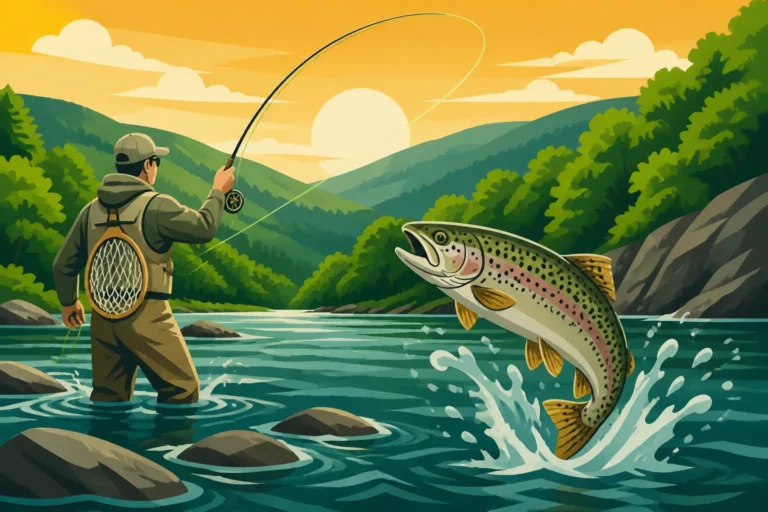
Given the unique characteristics of the Blackwater River, specific gear and techniques will significantly improve your success. For fly anglers, a shorter, lighter fly rod (7-8.5 feet, 3-5 weight) is ideal for navigating the often-tight casting quarters and brushy banks. Leaders should be relatively short, around 7.5 feet, with tippet in the 4x-6x range for presenting smaller flies naturally. Nymphs, especially darker patterns like Pat's Rubber Legs, Copper Johns, and Prince Nymphs, are consistently effective, imitating the aquatic insects found in these waters. Dry flies can also be deadly during hatches, particularly classic patterns like Adams, Elk Hair Caddis, and various terrestrials in late summer.
Spin fishermen will do well with ultralight spinning gear, using light monofilament or fluorocarbon line (4-6 lb test). Small inline spinners (e.g., Panther Martins, Mepps) in dark or natural colors, small spoons, or tiny jigs (1/32 to 1/16 oz) are excellent choices. Stealth is key here; approach the river quietly, make accurate casts, and present your lure or fly naturally. The trout in the Blackwater, especially the wild ones, can be quite wary. Remember to practice proper West Virginia Catch and Release Rules for Trout to ensure the future health of the fishery. If you're looking for more specific recommendations, our guide on Best Gear for West Virginia Trout Fishing offers a deeper dive.
Planning Your Blackwater River Fishing Adventure
A well-planned trip to the Blackwater River can elevate your experience from good to unforgettable. From timing your visit to knowing where to find help, every detail counts.
When to Visit for Optimal Fishing
The Blackwater River offers distinct fishing seasons, each with its own charm and challenges. Spring is undeniably popular, coinciding with the WVDNR's extensive trout stocking schedule. The water temperatures are ideal, and hungry, recently stocked fish are often eager to bite. However, spring can also bring unpredictable weather, including cold snaps and heavy rains that can blow out river sections.
Summer provides opportunities for higher-elevation, wild trout fishing, especially in the cooler headwaters that maintain good water temperatures even during warmer months. The lower sections might get a bit warm for trout later in the summer, but early mornings and evenings can still be productive. This is also a fantastic time for dry fly fishing if hatches are occurring. Fall is often a local favorite, with fewer crowds, stable water temperatures, and the stunning backdrop of changing foliage. Trout become more active as they prepare for winter, and this can be a prime time for larger brown trout. Winter fishing is possible, particularly in the lower, more open sections, but requires specialized gear and a tolerance for cold weather and potential ice. Always check the West Virginia Trout Stocking Hotline and Schedule for the most up-to-date information on stocking events.
Local Amenities and Resources
While the Blackwater River offers a wilderness feel, it's conveniently close to several towns that provide essential amenities and resources. Davis and Thomas are charming mountain towns that offer a variety of lodging options, from cozy cabins to inns, as well as restaurants, gas stations, and small grocery stores. You'll likely find bait and tackle shops in or near these towns, which are invaluable for local advice, licenses, and last-minute gear needs.
For those new to the area or looking to maximize their time, considering a guided trip can be incredibly beneficial. Local guides possess an intimate knowledge of the river, its access points, and the most effective techniques. They can lead you to productive spots, help you navigate challenging terrain, and provide invaluable insights into the river's ecosystem. Websites like FishingBooker can connect you with experienced, local guides who specialize in fly fishing or spin fishing the Blackwater River, ensuring a safer and more successful outing. Don't underestimate the value of local wisdom when venturing into unfamiliar waters.
Safety and Conservation on the Blackwater
Respecting the Blackwater River and its surrounding environment is paramount. Always practice Leave No Trace principles: pack out everything you pack in, and leave the area as pristine as you found it, or better. Be mindful of wildlife, and give animals their space. Proper fish handling is also crucial, especially when practicing catch and release. Minimize handling time, keep fish wet, and use barbless hooks to reduce harm.
Safety considerations are also vital. Cell service can be spotty or non-existent in the more remote sections, so inform someone of your itinerary. Carry a first-aid kit, a headlamp, and appropriate layers of clothing for changing mountain weather. Be aware of private property boundaries and obtain permission before crossing. The Blackwater River is a shared resource, and our collective efforts ensure that its beauty and excellent fishing opportunities will be preserved for generations to come.
Here's a quick overview of Blackwater River access points:
| Access Point | Primary Access Type | Typical Target Species | Key Fishing Method(s) | Terrain/Difficulty | Notes |
|---|---|---|---|---|---|
| Blackwater Falls State Park | Trails, Bank Access | Rainbow, Brown, Brook Trout | Spin, Fly Fishing | Moderate to Strenuous | Upper sections easier, canyon section requires hiking. |
| Davis Town Area | Roadside, Bank Access | Rainbow, Brown, Brook Trout | Spin, Fly Fishing | Easy to Moderate | Convenient, close to amenities. |
| Thomas Town Area | Roadside, Bank Access | Rainbow, Brown, Brook Trout | Spin, Fly Fishing | Easy to Moderate | Good for families, easy wading. |
| Monongahela National Forest | Hiking, Forest Roads | Brook Trout (primarily) | Fly Fishing (small streams) | Strenuous | Remote, wild trout, often primitive access. |
Disclaimer
Please be aware that fishing regulations, access points, and river conditions can change. Always consult the latest West Virginia Division of Natural Resources (WVDNR) official regulations and advisories before planning your trip. This guide is for informational purposes only and does not supersede official government publications or local signage. Always prioritize safety and environmental responsibility.