East Lynn Lake muskie fishing spots
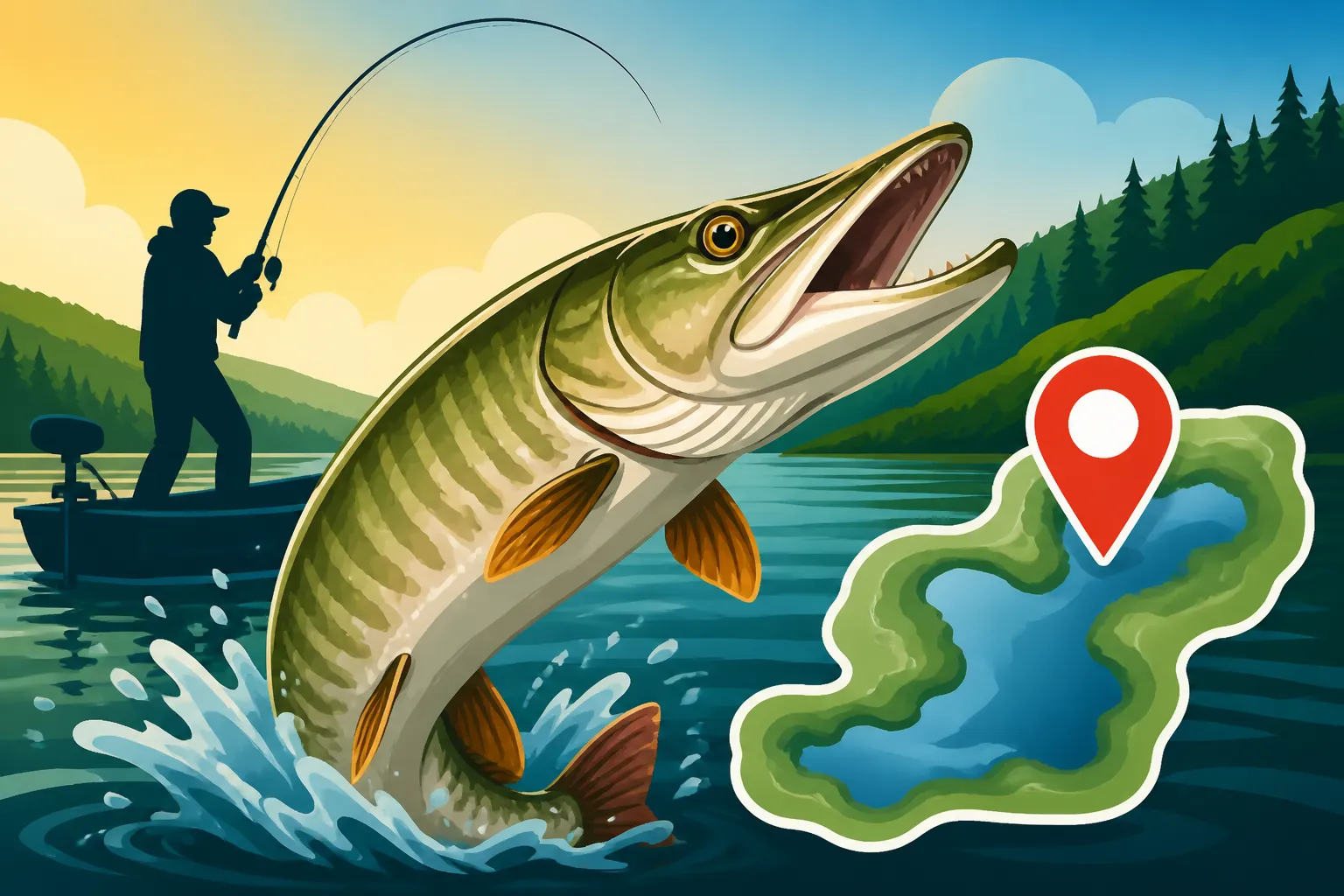
For anglers chasing the elusive "fish of 10,000 casts," few things are as frustrating as staring at a vast body of water, knowing a trophy muskie lurks beneath, but having no idea where to even begin. East Lynn Lake, nestled in Wayne County, West Virginia, is a known hotspot for these incredible predators, but its complex structure can make finding them feel like a needle in a haystack. This guide is dedicated to pulling back the curtain, helping you pinpoint the prime muskie fishing spots on East Lynn Lake, understand their behavior, and increase your chances of landing that fish of a lifetime.
Understanding East Lynn Lake's Muskie Habitat
East Lynn Lake isn't just a pretty reservoir; it's a dynamic ecosystem specifically managed to support a healthy muskie population. To consistently find success, you need to think like a muskie and understand the underwater world they call home. It's not just about casting blindly; it's about understanding the nuances of the lake itself.
Lake Characteristics and Structure
East Lynn Lake is a U.S. Army Corps of Engineers flood control impoundment, meaning its water levels can fluctuate, and it has a unique character. Spanning over 1,000 acres at summer pool, it's a long, winding lake with many arms and coves, originally the confluence of the East Fork and West Fork of Twelvepole Creek. This creek lineage means it has a defined river channel running through it, now submerged, offering crucial depth changes and current breaks. The lake's shoreline is heavily wooded, and a significant amount of standing timber was left in place during its creation. This submerged timber, along with rock piles, ledges, and creek beds, creates an intricate network of cover and ambush points that muskie absolutely love.
The lake averages about 26 feet deep but can drop to over 70 feet in its deepest sections near the dam. The combination of shallow, weed-choked coves, steep rock banks, and deep main lake channels provides a diverse range of habitats for muskie throughout the year. Knowing how to read a contour map and identify these structural elements is your first step to unlocking East Lynn's muskie potential. They aren't just swimming aimlessly; they are relating to specific underwater features for feeding, resting, and spawning.
Forage Base and Muskie Behavior
Muskie are apex predators, and their presence in East Lynn Lake is directly tied to the availability of their favorite meals. East Lynn boasts a robust forage base, including gizzard shad, crappie, bluegill, and various suckers. These baitfish congregate in specific areas, and where the baitfish go, the muskie often follow. Understanding this food chain is paramount.
For instance, gizzard shad often school up in open water or along subtle breaks, moving with changes in light and temperature. Muskie will patrol these areas, making quick, aggressive strikes. Crappie and bluegill, on the other hand, tend to hold tighter to cover, like submerged timber, brush piles, or weed beds. Muskie will use these same areas as ambush points, blending into the structure and darting out to snatch unsuspecting prey. Observing the behavior of baitfish, whether on your sonar or by seeing surface activity, can give you immediate clues as to where muskie might be lurking. It’s a constant game of hide-and-seek, and the muskie are always looking for the best hiding spots near the pantry.
Top Muskie Fishing Hotspots on East Lynn Lake
East Lynn Lake offers a variety of prime locations where muskie are frequently found. While muskie are notorious for roaming, certain structural elements consistently hold fish due to their strategic value for feeding or protection.
Timber Stands and Submerged Cover
The most iconic feature of East Lynn Lake is its extensive submerged timber. When the lake was impounded, vast forests were flooded, leaving countless standing trees and fallen logs beneath the surface. These dense timber stands are muskie magnets. They provide perfect ambush cover, shade from the sun, and a home for baitfish. You'll often find muskie relating to the edges of these timber fields, or even deeper within them, especially larger, solitary trees or log jams.
Key areas to explore include the upper reaches of both the East and West Forks, particularly where the old creek channels wind through these timbered flats. These areas can be tricky to navigate, especially with a boat, so a trolling motor with spot-lock is invaluable. Focus your efforts on the transition zones where the timber thins out, or where pockets of open water exist within the dense cover. Casting large bucktails, swimbaits, or jerkbaits through these lanes, allowing them to bump off submerged wood, can often trigger aggressive strikes. Remember to use heavy line and a strong leader to contend with the snags.
Major Creek Arms and Tributary Mouths
The convergence of the major creek arms (East Fork and West Fork of Twelvepole Creek) and where smaller tributaries flow into the main lake are always high-percentage areas for muskie. These spots typically feature current, even if subtle, which concentrates baitfish and brings them directly into muskie territory. The incoming water also often brings nutrients and slightly different water temperatures, creating attractive conditions.
Look for the mouths of these creeks where they meet the main lake body. The points formed by these intersections, as well as the initial stretches of the creek channels, are prime ambush locations. During periods of rain, increased flow from these tributaries can draw muskie to feed on disoriented baitfish being washed downstream. The areas around Miller Branch, Fort Gay Branch, and Ferguson Branch are great starting points. These spots often have a mix of timber, rock, and softer bottom, providing varied habitat. A precise cast that hugs the current breaks or the deeper edges of these creek channels can be incredibly effective.
Deep Water Breaks and Channel Edges
Muskie are not always shallow-water predators, especially during certain times of the year or day. They frequently relate to deeper water structures, using them as highways or staging areas. The old river and creek channels that wind through East Lynn Lake provide distinct deep-water breaks and edges that muskie utilize. These contours often run adjacent to shallower flats or points, allowing muskie to move up to feed and then retreat to deeper, more comfortable water.
Target areas where these deep channels intersect with other forms of cover, such as submerged timber, rock piles, or humps. The main lake points that drop off steeply into the channel are particularly productive. These areas can be effectively fished with deep-diving crankbaits, jigging spoons, or even live bait presentations if permitted. Pay close attention to your electronics to identify irregularities on these deep-water breaks, like a sudden depth change, a hidden rock pile, or a cluster of baitfish. These small anomalies can be holding a trophy muskie.
Points and Main Lake Humps
Any prominent point extending into the main lake, or underwater humps and islands, are classic muskie holding structures. These features often act as funnels, concentrating baitfish as they move through the lake. Muskie will position themselves on the windy side of points, waiting to ambush prey, or on the down-current side of humps, seeking a break from stronger flow.
The points leading into major coves or those along the main channel are particularly fruitful. Look for points that have a varied bottom composition – perhaps a mix of rock and gravel, or those with some scattered timber on their flanks. Similarly, any underwater hump that rises significantly from the surrounding bottom will attract baitfish and, consequently, muskie. These areas are excellent for casting large spinnerbaits, bucktails, or glide baits, fan-casting around the entire structure to cover all potential holding zones. Many anglers swear by a methodical approach, hitting every aspect of the point or hump to ensure no fish is missed.
| Hotspot Type | Key Characteristics | Preferred Baits/Techniques |
|---|---|---|
| Timber Stands | Submerged trees, log jams, dense brush | Bucktails, large jerkbaits, swimbaits, slow rolls |
| Creek Mouths/Tributaries | Current breaks, baitfish concentrations, varied depths | Spinnerbaits, glide baits, crankbaits, trolling |
| Deep Water Breaks | Old river channels, sudden depth changes, ledges | Deep-diving crankbaits, jigging spoons, slow retrieves |
| Points & Humps | Funnels for baitfish, ambush points, wind-blown sides | Bucktails, topwater (summer), large jerkbaits, fan casting |
Seasonal Strategies for East Lynn Lake Muskie
Muskie behavior changes dramatically with the seasons, driven primarily by water temperature and their instinctual needs for spawning, feeding, and seeking thermal refuge. Tailoring your approach to the time of year is crucial for success on East Lynn Lake. Understanding the West Virginia Fishing Seasons by Month can give you a general idea, but muskie demand a more specific approach.
Springtime Muskie Movements
As the ice recedes and water temperatures begin to climb into the 40s and 50s Fahrenheit, muskie transition from their winter haunts. Early spring sees them moving into shallower, warmer waters, particularly those with dark bottoms that absorb sunlight or sheltered coves. This is pre-spawn behavior, where they're looking to bulk up before the taxing spawning ritual. After spawning, which typically occurs when water temperatures are in the low to mid-60s, muskie can be lethargic for a period.
Post-spawn, they'll often be found recovering in slightly deeper water adjacent to their spawning grounds, which are usually shallow, vegetated areas or woody debris. As they regain energy, they'll become more aggressive. Focus on secondary points, shallow flats with cover, and the warmer upper reaches of the creek arms. Slower presentations like large jerkbaits, glide baits, or even large soft plastics can be effective as muskie might not be willing to chase fast-moving baits yet. This is a great time to hit those timbered coves and shallow bays.
Summer Heat Tactics
When East Lynn Lake's water temperatures soar into the 70s and 80s, muskie can become a bit trickier to pattern. While they remain active, they often relate to deeper, cooler water during the day, moving to shallower feeding grounds during low light periods like dawn, dusk, or even at night. During the day, look for them suspending over deep channels, along sharp breaks, or within the cool shade of dense submerged timber. They'll use these spots to conserve energy and ambush baitfish that also seek refuge from the heat.
Early mornings and late evenings can be excellent for targeting them on points, main lake humps, or the edges of weed beds. Topwater lures can be incredibly exciting during these low-light conditions. During the brightest parts of the day, consider trolling deep-diving crankbaits along the old creek channels or slow-rolling large bucktails or swimbaits through dense timber. Targeting these deeper West Virginia Walleye Daily and Possession Limits spots can sometimes lead to an unexpected muskie encounter, as they share similar deep-water haunts.
Fall Feeding Frenzy
Autumn is arguably the most anticipated time for muskie anglers on East Lynn Lake, and it's certainly among the Best Time of Year to Fish in West Virginia. As water temperatures cool, muskie enter a "feeding frenzy" phase, aggressively putting on weight for the upcoming winter. Their metabolism kicks into high gear, and they become much more willing to chase and strike a variety of lures. This makes fall a prime time for trophy Muskie Fishing in West Virginia.
They will be actively hunting baitfish on main lake points, shallow flats adjacent to deep water, and around major creek arm entrances. Bucktails, spinnerbaits, large crankbaits, and glide baits are all highly effective. Don't be afraid to throw bigger baits and retrieve them faster. Focus on areas where baitfish are schooling up in preparation for winter. The Best techniques for Fall Muskie Fishing often involve covering a lot of water and being persistent. The cooler temperatures also mean muskie can sustain longer fights, so be prepared for an intense battle.
Winter Lulls and Deep Water Finds
While ice fishing for muskie isn't common on East Lynn due to safety and access, open-water fishing can still be possible in milder winters. When water temperatures drop into the 30s and 40s, muskie activity slows considerably. They'll typically retreat to deeper, more stable water, often suspending over the old creek channels or holding tight to deep timber and rock structure.
Presentations need to be much slower and more methodical. Large vertical jigs, slow-rolled swimbaits, or dead bait presentations can entice a lethargic muskie. Finding these fish requires patience and good electronics. They won't be chasing far, so your lure needs to be practically in front of their nose. While challenging, catching a winter muskie is a testament to an angler's dedication and understanding of the species. Remember to consult local regulations for Muskie Regulations in West Virginia Waters as rules can sometimes change seasonally.
Essential Gear and Techniques for East Lynn Muskie
Successfully tackling East Lynn Lake muskie requires specialized gear designed to handle these powerful, toothy predators. Using inadequate equipment is a sure way to lose fish and potentially injure yourself or the fish.
Rods, Reels, and Line Selection
For muskie, you need heavy-duty equipment. Forget your bass setup; this is a different league.
- Rods: Look for heavy or extra-heavy power casting rods, typically 8 to 9 feet long. The extra length aids in casting large baits, controlling powerful fish, and executing the crucial "figure-eight" boatside maneuver. Brands like St. Croix, G. Loomis, and Shimano offer excellent muskie-specific rods.
- Reels: A high-quality baitcasting reel with a strong drag system and a fast retrieve ratio (e.g., 6.4:1 or higher) is essential. Reels like the Shimano Tranx, Daiwa Lexa, or Abu Garcia Revo Toro Beast are popular choices. A fast retrieve helps with bucktails and quickly picking up slack.
- Line: Braided line is almost universally recommended for muskie due to its strength, lack of stretch, and abrasion resistance. Opt for 80 to 100 lb test. A heavy fluorocarbon or steel leader (100-150 lb test) is absolutely non-negotiable to prevent bite-offs from their razor-sharp teeth. Don't skimp here; it's the weakest link in your system. For more general advice, you might check out Best Muskie Gear for West Virginia Rivers.
Top Lures and Baits
East Lynn muskie respond to a wide array of lures, and having a diverse selection is key.
- Bucktails: These are classic muskie catchers and come in various sizes and blade configurations (single, double, triple). Gold and silver blades are always good, but experiment with flashabou colors like black, orange, chartreuse, and white. They're great for covering water.
- Jerkbaits: Both gliders (like Musky Mania Burt) and dive-and-rise baits (like Rapala Super Shad Rap) are effective. Work them with erratic retrieves to imitate an injured baitfish.
- Crankbaits: Deep-diving crankbaits are essential for trolling or covering deeper breaks. Shallow-running models can be great in timbered areas.
- Swimbaits: Large soft plastic or hard-bodied swimbaits are incredibly realistic and can entice larger, more wary muskie.
- Topwater: For thrilling surface strikes, large topwater lures like prop baits, walk-the-dog baits, or "plopper" style lures are fantastic, especially in low light.
Learning the nuances of these baits, as detailed in guides like Best Lures for Muskie Fishing in West Virginia, will significantly boost your success.
Safety and Handling Best Practices
Muskie are powerful fish, and their safety, as well as yours, is paramount. These fish can grow to an impressive Muskie Growth Rate to Trophy Size, so handling them carefully is critical.
- Tools: Always carry a large, long-handled net (rubberized mesh is best for the fish's slime coat), long-nose pliers, bolt cutters (for cutting hooks if necessary), and jaw spreaders.
- Unhooking: Muskie have extremely sharp teeth. Never put your hands near their mouth. Use pliers to remove hooks. If a hook is deep, consider cutting the hook with bolt cutters rather than tearing tissue.
- Release: Support the fish horizontally. Avoid holding it vertically by the jaw. Revive the fish boatside until it can swim away strongly. Keep its time out of water to an absolute minimum for high survival rates. A quick photo is fine, but prioritize the fish's health.
Planning Your East Lynn Muskie Adventure
A successful muskie trip to East Lynn Lake involves more than just knowing where to cast. It's about preparation, understanding the logistics, and leveraging available resources.
Local Resources and Guides
East Lynn Lake is a significant muskie fishery, and as such, there are experienced local guides who specialize in putting anglers on these incredible fish. Hiring a guide for even one day can be an invaluable investment, as they possess years of localized knowledge about current patterns, hot baits, and muskie movements. They can fast-track your learning curve and teach you nuances specific to East Lynn that would take years to discover on your own. Platforms like FishingBooker are excellent resources for finding reputable muskie guides who operate on East Lynn Lake. You can browse profiles, read reviews, and book trips with guides familiar with the lake's unique challenges. Many local bait and tackle shops around the Wayne area can also provide up-to-date fishing reports and guide recommendations.
If you're looking to explore on your own, remember that Muskie Fishing in West Virginia is a journey, not a destination. Don't be discouraged by tough days. Learning the lake, understanding seasonal shifts, and refining your techniques are all part of the process.
Navigating the Lake and Access Points
East Lynn Lake has several public access points. The primary boat launch is located at the East Lynn Lake Marina, which offers ample parking, multiple ramps, and facilities. There are also smaller, less developed ramps on various creek arms, which can offer access to different sections of the lake but might be less suitable for larger boats, especially during lower water levels. Check the U.S. Army Corps of Engineers Huntington District website for the most current information on ramp conditions and lake levels.
Navigation on East Lynn requires attention, particularly due to the extensive submerged timber. Always consult updated navigation maps, and if you're unfamiliar with an area, proceed with caution and a watchful eye on your depth finder. Understanding West Virginia Boating Laws for Anglers is also crucial for safe operation. For smaller craft like kayaks or jon boats, exploring the upper, shallower creek arms can be very rewarding, offering access to areas larger boats can't reach. However, even in these areas, timber can be a significant hazard. Always wear a life jacket and let someone know your float plan.
Disclaimer
Fishing conditions and regulations in West Virginia can change. Always consult the latest West Virginia Division of Natural Resources fishing regulations summary before heading out on the water. This guide is for informational purposes only and should not replace official sources.