West Virginia boater education card requirement by birth year
Navigating the rules and regulations for boating in West Virginia can sometimes feel like trying to untangle a fishing line after a particularly enthusiastic cast – a bit confusing, with various twists and turns. Many folks who love to hit our beautiful lakes and rivers, whether it's for fishing, watersports, or just a relaxing cruise, often wonder if they actually need a boater education card. It's a valid question, and one that has a specific answer tied directly to your birth year. This guide is here to cut through the confusion and clearly explain exactly who needs a West Virginia boater education card, based on when you were born, and what steps you need to take to get one.
Understanding West Virginia's Boater Education Card Mandate by Birth Year
Let's get right to the heart of the matter. West Virginia, like many states, has implemented a boater education requirement to ensure that everyone operating a boat is equipped with fundamental safety knowledge. This isn't just about avoiding tickets; it's genuinely about keeping yourself, your passengers, and fellow boaters safe on the water. The state's Department of Natural Resources (DNR) wants to make sure that operators of motorized vessels understand navigation rules, emergency procedures, and responsible boating practices.
Who Needs the Boater Education Card?
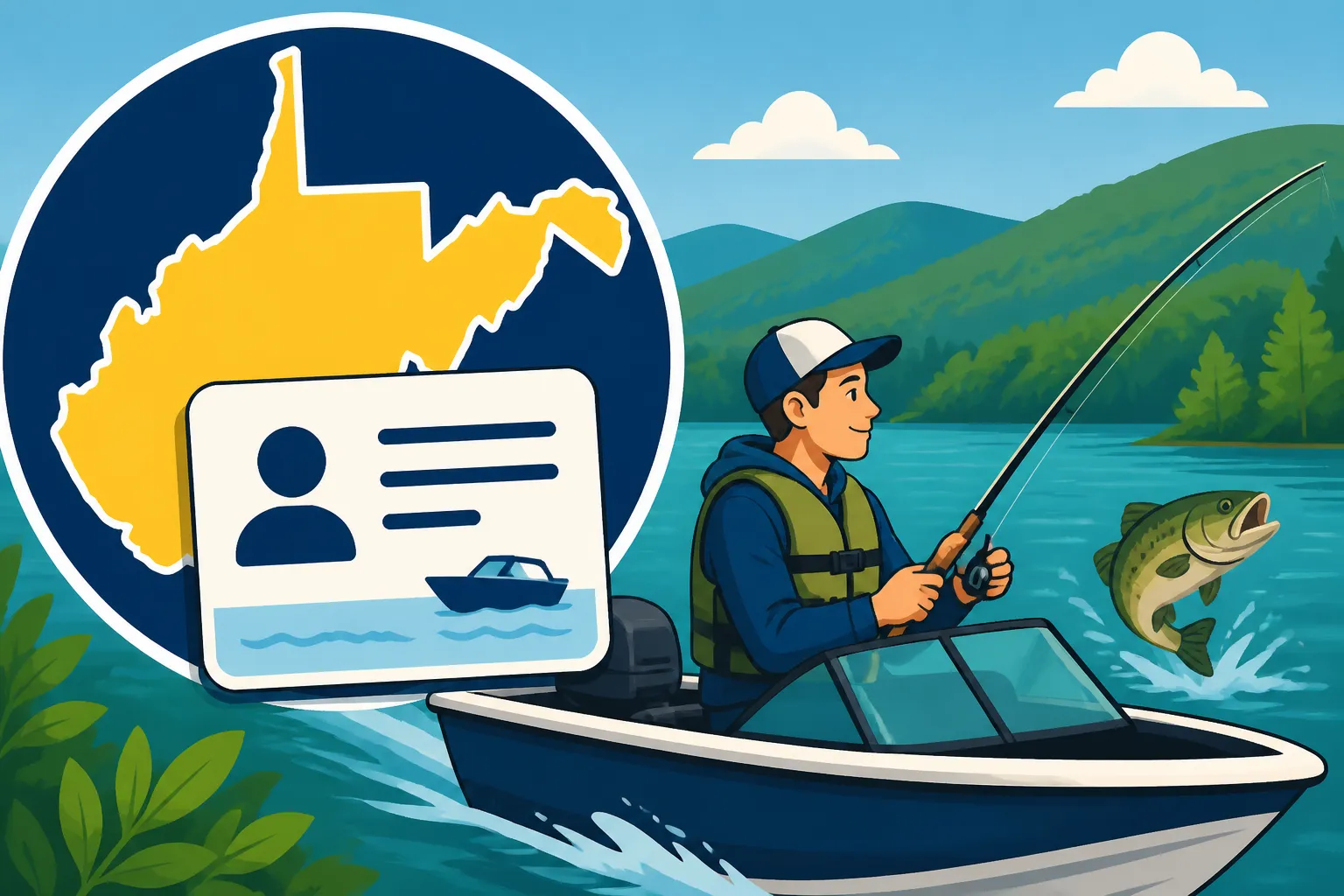
The primary trigger for needing a boater education card in West Virginia is your age, specifically your birth year, combined with the type of vessel you're operating. If you were born on or after December 31, 1986, and you plan to operate a motorized vessel on any public waters in West Virginia, you are legally required to possess a West Virginia Boater Education Card. This applies to both residents and non-residents alike. It doesn't matter if it's a small fishing boat with a trolling motor, a personal watercraft (PWC), or a larger cruiser; if it's motorized, and you're in that birth year window, you need the card.
Now, for those born before December 31, 1986, you're off the hook for the mandatory education card requirement. That said, taking a boater safety course is still an excellent idea for anyone, regardless of age or experience. Even seasoned boaters can benefit from a refresher on current regulations and best practices. Safety on the water is a universal concern, and knowledge is always your best life jacket. If you're looking for broader information on rules, our guide on West Virginia Boating Laws for Anglers might be helpful.
Why the Specific Birth Year?
The choice of December 31, 1986, as the cutoff date isn't arbitrary. It's a common approach used by many states to gradually phase in boater education requirements. By setting a specific birth date, it targets newer generations of boaters, ensuring that as they enter the boating community, they do so with a foundational understanding of safety. It's an incremental approach that helps improve overall waterway safety without placing an immediate burden on every single boater currently operating. Over time, as more people fall into the required age bracket, the waterways become safer for everyone.
Think of it like driver's education – it's designed to prepare new drivers for the roads. Similarly, boater education prepares new operators for the complexities and responsibilities of navigating public waters. This progressive implementation allows for a smooth transition and greater compliance over time, ultimately fostering a more responsible boating culture across the state.
Getting Your West Virginia Boater Education Card
Once you've determined that you fall into the category requiring a boater education card, your next step is to figure out how to get one. The process is straightforward, designed to be accessible, and focuses on comprehensive learning rather than just memorization.
Approved Boater Safety Courses
To obtain your West Virginia Boater Education Card, you must successfully complete a boater safety course approved by the National Association of State Boating Law Administrators (NASBLA) and accepted by the West Virginia DNR. These courses cover a wide range of topics, including:
- Navigation Rules: Understanding right-of-way, buoys, and markers.
- Boat Handling: Docking, anchoring, trailering, and maneuvering in various conditions.
- Safety Equipment: Knowing what's required on board, such as life jackets, fire extinguishers, and sound-producing devices. For details on mandatory gear, check out our piece on Life Jacket Requirements for West Virginia Boaters.
- Emergency Procedures: What to do in case of capsizing, man overboard, fire, or other emergencies.
- Environmental Responsibility: Preventing pollution and understanding aquatic invasive species.
- State-Specific Laws: West Virginia's unique regulations and requirements.
These courses are offered in a couple of formats to suit different learning styles and schedules.
Online Boating Safety Courses
For many busy individuals, online courses are an incredibly convenient option. You can work through the material at your own pace, from the comfort of your home, and take the final exam when you're ready. Several reputable online providers offer NASBLA-approved courses that are recognized by West Virginia. Some popular choices include Boat-Ed.com and BoaterExam.com. These platforms often provide engaging content, quizzes, and practice exams to prepare you thoroughly.
When choosing an online course, always double-check that it is specifically approved for West Virginia. A quick search on the West Virginia DNR website or the course provider's site will confirm this. Once you pass the final exam, you'll typically receive a temporary certificate, and your permanent Boater Education Card will be mailed to you. Many online platforms allow you to print a temporary certificate immediately, which acts as proof of completion until your official card arrives. You can often find study guides or supplementary materials on platforms like Amazon that can help reinforce the knowledge gained from these courses.
In-Person Classroom Courses
If you prefer a more traditional learning environment or have questions that you'd like to ask an instructor directly, in-person classroom courses are also available. These courses are often taught by certified instructors from the West Virginia DNR, the U.S. Coast Guard Auxiliary, or the U.S. Power Squadrons. They provide a hands-on experience, often with opportunities for group discussions and real-world examples.
You can usually find schedules and locations for these courses by checking the West Virginia DNR's official website or contacting your local DNR office. These classes might run over a weekend or be spread out over several evenings. While less flexible than online options, they offer direct interaction and can be a great way to meet other boating enthusiasts in your area.
What Happens After You Pass?
Once you successfully complete an approved boater education course and pass the final exam, you will receive a certificate of completion. This certificate is your proof that you've met the education requirement. The West Virginia DNR will then issue you a physical Boater Education Card. It's crucial to carry this card, or a valid electronic representation of it, whenever you are operating a motorized vessel on West Virginia waters, just as you would your driver's license in a car. Our guide on Printing or Carrying a Digital Fishing License in West Virginia provides similar advice regarding documentation on the water.
This card is valid for life, so you only need to take the course once. However, refreshing your knowledge every few years by reviewing the regulations or taking an advanced course is always a good practice to stay sharp and safe.
Birth Year Boater Education Card Requirement
: , you might find yourself feeling a little lost when it comes to the specific requirements for boater education in West Virginia. With so many different rules and guidelines floating around, it's easy to get confused about who needs what and when. Rest assured, this guide is designed to clarify all the specifics, especially focusing on the birth year requirements for obtaining a West Virginia boater education card, ensuring you're ready and legal for your next adventure on the water.
The West Virginia Boater Education Card: Who Needs It By Birth Year
It's a common question that pops up, especially for folks who are new to boating or are simply trying to make sure they're following all the rules here in West Virginia: do I need a boater education card? The short answer is, it depends on when you were born. The West Virginia Division of Natural Resources (DNR) has established clear guidelines to enhance safety on our waterways, and these mandates are primarily tied to your age when operating a motorized vessel.
The Key Date: December 31, 1986
Let's cut right to the chase with the most important date to remember: December 31, 1986. If you were born on or after this date, and you plan to operate any motorized vessel on West Virginia's public waters, you are legally required to successfully complete an approved boater education course and carry proof of that completion – your West Virginia Boater Education Card.
This includes everything from personal watercraft (PWCs) like jet skis, to fishing boats with outboard motors, pontoons, and even larger cruisers. If it has a motor and it's on the water, and you're in that birth year group, the card is mandatory. This requirement is in place for both residents and non-residents who operate a vessel in our state. The goal is simple: to ensure that operators have a foundational understanding of boating safety, navigation rules, and emergency procedures. Many of these principles are covered in broader articles like our guide to West Virginia Boating Laws for Anglers.
Operators Born Before December 31, 1986
Now, if you were fortunate enough to be born before December 31, 1986, the good news is that you are currently exempt from the mandatory boater education card requirement in West Virginia. You can legally operate a motorized vessel without having to take the course and obtain the card.
However, I can't stress this enough as a veteran lifestyle blogger: even if you're not legally required to get the card, taking a boater safety course is still an incredibly smart move. Think of it as investing in your own safety and the safety of your loved ones. Regulations can change, new technologies emerge, and a refresher on best practices is always beneficial. Many experienced boaters still choose to take these courses voluntarily, often finding new insights or brushing up on forgotten rules. Plus, knowing you're fully prepared can only add to your enjoyment and confidence on the water.
Why This Specific Cutoff Date?
You might wonder why states choose specific birth dates for these types of regulations. It's typically a strategic way to implement new safety measures over time without immediately impacting every single boater. By focusing on those born after a certain date, the state ensures that as new generations enter the boating community, they do so with a standardized level of safety knowledge. This gradual approach helps to integrate the requirement smoothly, making our lakes and rivers safer for everyone in the long run.
The logic mirrors many other safety regulations, like those for drivers or hunters, where education is deemed crucial for responsible participation. It's less about penalizing older, experienced boaters and more about building a foundation of knowledge for newer participants.
Fulfilling the Boater Education Requirement
So, you've figured out you need the card. What's next? Getting your West Virginia Boater Education Card is a straightforward process, thanks to various approved courses designed to educate you thoroughly on safe boating practices.
Choosing an Approved Course
The most important step is to select a boater safety course that is approved by the National Association of State Boating Law Administrators (NASBLA) and recognized by the West Virginia DNR. These courses ensure that the curriculum meets national standards for boating safety education. There are generally two primary ways to take these courses: online or in a traditional classroom setting.
Online Boating Safety Courses: Convenience at Your Fingertips
For many, the flexibility of online courses is a huge advantage. You can enroll in a course from the comfort of your home, work through the material at your own pace, and take the final exam when you feel prepared. This is particularly helpful for those with busy schedules or who live in areas where in-person classes are less frequent.
Several reputable providers offer NASBLA-approved online courses specifically tailored for West Virginia. Websites like Boat-Ed.com and BoaterExam.com are popular choices, known for their interactive content, quizzes, and practice exams that help reinforce learning. Before committing, always verify that the course is approved for West Virginia. A quick check on the West Virginia DNR's official boating education page or the course provider's website should confirm this. You might even find supplementary materials or study guides on platforms like Amazon that can complement your online learning experience. Upon successful completion of the online exam, you'll typically receive a temporary certificate that you can print immediately, and your permanent card will be mailed to you within a few weeks.
In-Person Classroom Courses: A Traditional Learning Environment
If you prefer a more structured, interactive learning experience, in-person classroom courses are an excellent option. These courses are often taught by certified instructors from organizations such as the U.S. Coast Guard Auxiliary, the U.S. Power Squadrons, or even the West Virginia DNR itself. These classes provide an opportunity for direct interaction with instructors, asking questions in real-time, and engaging in discussions with fellow students.
To find schedules and locations for these classroom courses, you should consult the West Virginia DNR's official website or reach out to your local DNR office. These courses might be offered over a weekend, a series of evenings, or during specific times of the year, particularly in the spring and early summer when boating season kicks into full gear. While they require a commitment to a set schedule, the direct guidance from experienced instructors can be invaluable.
What the Courses Cover
Regardless of whether you choose an online or in-person course, the curriculum will broadly cover essential boating safety topics designed to make you a more responsible and knowledgeable operator. These typically include:
- Rules of the Road: Understanding navigation lights, sound signals, and right-of-way rules to prevent collisions.
- Safe Boating Practices: Proper boat handling, docking, anchoring, and operating in various weather conditions.
- Required Safety Equipment: Knowing what safety gear is legally mandated on your vessel, such as life jackets, visual distress signals, and fire extinguishers. This ties into crucial information like Life Jacket Requirements for West Virginia Boaters.
- Emergency Preparedness: How to handle common emergencies like capsizing, man overboard situations, engine failure, and medical incidents.
- Boating Under the Influence (BUI): The dangers and legal consequences of operating a vessel while impaired.
- Environmental Responsibility: Protecting our natural resources by preventing pollution and understanding aquatic invasive species.
- West Virginia-Specific Regulations: Detailed information on state boating laws, speed limits, and restrictions. This is vital for navigating specific areas, and you might find more in-depth discussions in articles such as Operating a Boat Near an Angler in West Virginia.
Your Official Proof of Completion
After you successfully pass the final exam for an approved course, you will be issued a Certificate of Completion. This is your initial proof. The West Virginia DNR will then process this and issue your official West Virginia Boater Education Card. This durable, wallet-sized card is what you must carry with you whenever you are operating a motorized vessel on West Virginia's public waters, if you are in the required birth year bracket.
Think of it just like your driver's license – it's your official credential. While digital copies or photographs of your card can sometimes serve as valid proof, having the physical card is always the safest bet, especially if your phone battery dies or you encounter areas with no signal. Your card is valid for life, meaning you only need to take the course once. However, revisiting the material or checking for updated regulations is always a good idea to keep your knowledge current and ensure maximum safety on the water.
Exemptions and Other Important Considerations
While the birth year requirement is pretty clear, there are always a few nuances and exceptions that are good to be aware of. Understanding these can save you a headache and ensure you're always operating legally and safely.
Specific Exemptions from the Card Requirement
Even if you were born on or after December 31, 1986, there are a few specific situations where you might be exempt from needing the West Virginia Boater Education Card:
- Operating under supervision: A person who is required to have a boater education card may operate a motorized vessel if they are under the direct, onboard supervision of another person who is at least 18 years of age and possesses a valid boater education card. This is often the case for younger operators learning the ropes.
- Temporary permits: Non-residents who are operating a motorized vessel in West Virginia for 60 days or less, and who hold a valid boater education certificate from another state or country (provided that state's/country's course is NASBLA-approved), are generally exempt. If you're visiting for a short trip, make sure your home state's certificate is recognized.
- Commercial operators: Individuals operating vessels as part of their commercial fishing or maritime work duties typically fall under different federal or state commercial licensing regulations and may be exempt from the recreational boater education card.
- Closed-course events: Operators participating in a permitted regatta, boat race, or other sanctioned competitive event on a closed course might have temporary exemptions for the duration of the event, though they'll still need to meet the event's specific safety requirements.
- Emergency situations: In a true emergency, where immediate action is required to save a life or prevent serious injury or property damage, the boater education card requirement might be temporarily waived. However, this is for genuine emergencies only.
It's always best practice to consult the official West Virginia DNR regulations or contact them directly if you believe an exemption might apply to your specific situation. This ensures you have the most up-to-date and accurate information.
What About Non-Motorized Vessels?
A common point of confusion is whether the boater education card is required for non-motorized vessels like canoes, kayaks, or stand-up paddleboards. The answer is no, the West Virginia boater education card requirement specifically applies to motorized vessels. If you're paddling or rowing, you don't need the card.
However, this doesn't mean you're off the hook for safety. Boater safety principles apply to all vessels. Knowing how to read the water, understanding weather patterns, carrying appropriate safety gear (like life jackets, which are always recommended, and sometimes legally required for children, as covered in Life Jacket Requirements for West Virginia Boaters), and knowing how to self-rescue are critical for anyone on the water, regardless of their vessel's propulsion. Even if you don't need the card for your kayak, taking a basic safety course can vastly improve your confidence and safety. If you're wondering about other non-motorized vessel rules, you might be interested in whether Are Kayaks Required to Be Registered in West Virginia?.
Consequences of Non-Compliance
Operating a motorized vessel in West Virginia without the required boater education card (if you fall into the mandated birth year group) is a violation of state law. Penalties can vary, but typically include fines. In some cases, repeated offenses could lead to more significant consequences. Law enforcement officers, including West Virginia DNR Police Officers and local authorities, patrol our waterways and have the authority to stop vessels to check for compliance with all boating regulations, including the boater education card.
It's really not worth the risk. The small amount of time and effort it takes to complete an approved course is negligible compared to the potential fines, and more importantly, the peace of mind knowing you're fully educated and legally compliant.
| Requirement | Birth Year On or After Dec 31, 1986 | Birth Year Before Dec 31, 1986 |
|---|---|---|
| Boater Education Card Required? | Yes, for motorized vessels | No, but highly recommended |
| Course Type | NASBLA-approved (Online or In-person) | Optional (Voluntary) |
| Proof Required Aboard? | Yes (Physical card or digital proof) | No (but proof of voluntary course is good practice) |
| Valid For | Lifetime | N/A |
| Penalties for Non-Compliance | Fines | None (for this specific requirement) |
Being educated and having your card isn't just about avoiding a ticket; it's about being a responsible steward of our beautiful West Virginia waters and ensuring everyone has a safe and enjoyable experience. Whether you're chasing trophy muskie, navigating the Kanawha River, or simply enjoying a peaceful afternoon on Summersville Lake, understanding the rules makes all the difference.
Disclaimer
The information provided in this guide is intended for general informational purposes only and does not constitute legal advice. While we strive to provide accurate and up-to-date information, boating laws and regulations can change. It is always the responsibility of the boater to consult the most current official West Virginia Division of Natural Resources (DNR) regulations or contact the DNR directly for specific legal requirements and any updates.