Are There Bowfin in West Virginia?
It’s a question that pops up surprisingly often among anglers, especially those exploring the slower, weedier backwaters and sluggish rivers of our beautiful state: are there bowfin in West Virginia? It’s a valid query because these ancient, unique fish don't exactly jump out at you from every clear mountain stream. This guide aims to clear up the mystery, help you identify these fascinating creatures, and understand their place in our aquatic ecosystems, should you encounter one.
The Elusive Bowfin: Are They in West Virginia Waters?
Let's cut right to the chase, because nobody likes to wonder. Yes, bowfin can be found in West Virginia, but they aren't widespread across every stream and lake like, say, bluegill or channel catfish. Their presence is generally more localized, often favoring specific types of habitat that aren't as prevalent throughout the entire state. This means you might fish for years in one part of West Virginia and never even hear a whisper of a bowfin, while anglers in other specific areas might encounter them with some regularity.
Historically, bowfin have been documented in the western parts of the state, particularly in drainages that connect to the Ohio River. These areas naturally share a lot of the same fish species found in the larger river system, which includes bowfin. Think slower-moving tributaries and oxbow lakes off the main stem of the Ohio, where conditions are more conducive to their preferred habitat. Unlike the cold, swift trout streams we love, bowfin are lovers of warmth and stillness.
It's easy to get excited thinking about the prospect of catching a "living fossil" right here at home. However, it’s important to manage expectations. You won't find them in every farm pond or mountain stream. Instead, focus your attention on larger, slower river systems and associated backwaters, especially in the western counties. Places like the Kanawha River or the lower reaches of some of its larger tributaries, and certainly areas directly influenced by the Ohio River, are more likely candidates. It’s always a good idea to consult local fishing reports or talk to experienced anglers in specific regions if you're truly dedicated to finding them.
Historical Sightings and Current Distribution
West Virginia's diverse geography means we have everything from pristine, high-gradient trout streams to vast, slow-moving river systems. Bowfin, being an ancient species, have specific habitat requirements that tend to limit their distribution to the latter. Records indicate that they have historically inhabited the Ohio River basin, which naturally includes the parts of West Virginia that drain into it. This isn't a recent phenomenon or an introduction; they're part of the native fauna of this particular watershed.
Their current distribution largely mirrors this historical pattern. They are most likely to be encountered in the slack water areas, oxbows, and back channels of the Ohio River itself, and in the lower, slower sections of major rivers that flow into it. This means counties along the western border of West Virginia are your best bet. Anglers fishing these larger water bodies for species like Catfish Fishing in West Virginia or even Walleye Fishing in West Virginia might occasionally hook into a bowfin, particularly if they're fishing baits or lures near heavy cover in shallower, warmer water.
The key takeaway here is that while they aren't everywhere, they are here. Their presence adds another fascinating layer to the complexity and richness of West Virginia's aquatic life. Knowing their general distribution can help you focus your efforts if you're specifically hoping to encounter one of these unique fish. Just don't expect to find them while Fly Fishing for Trout in West Virginia in the mountains!
Identifying a Bowfin: Know Your Fish!
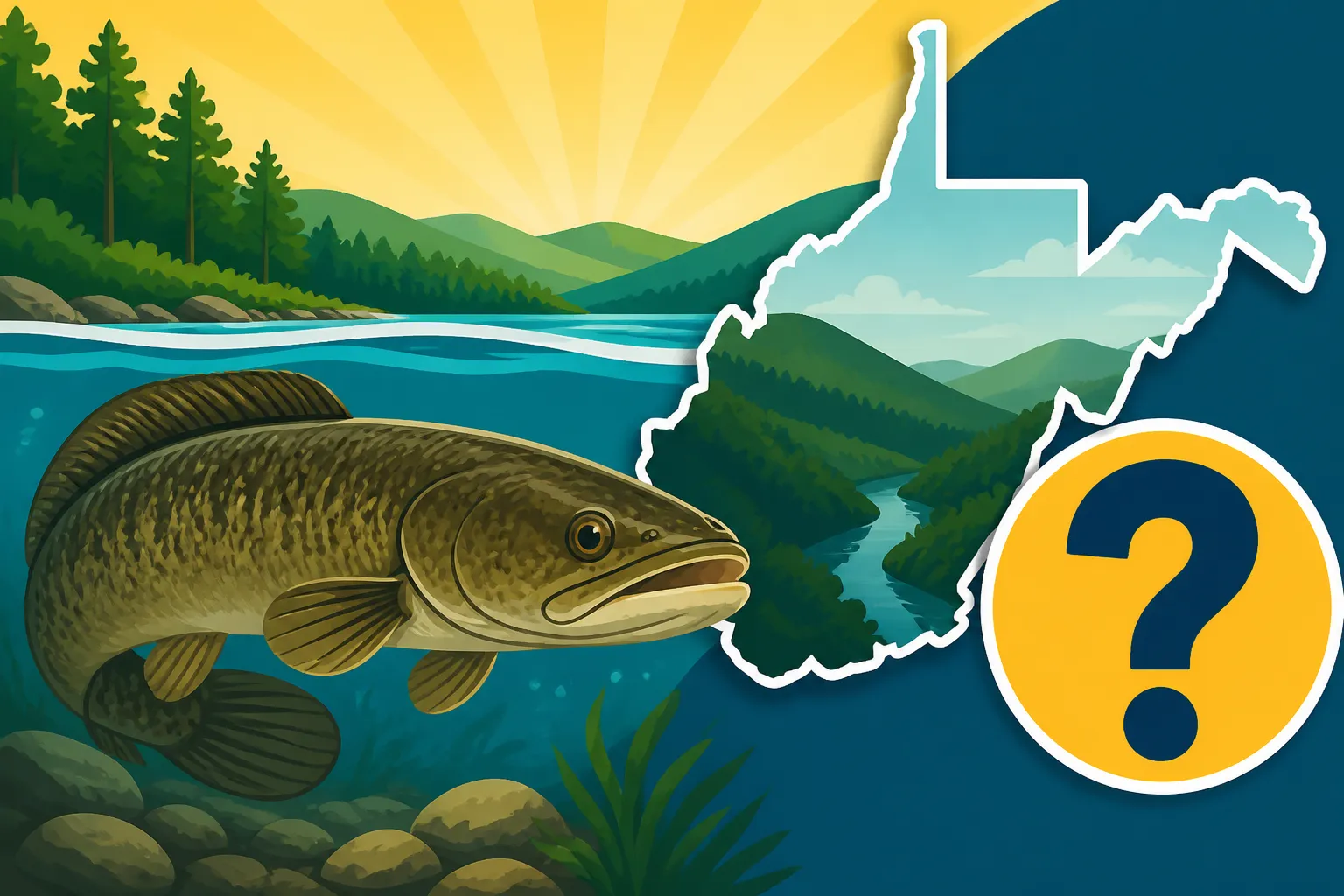
One of the biggest reasons anglers ask "Are there bowfin in West Virginia?" is often because they've caught something unusual and aren't quite sure what it is. And let's be honest, bowfin are definitely unique-looking! They're often mistaken for other elongated, predatory fish like various gar species or, more recently and concerningly, the invasive northern snakehead. Misidentification can lead to confusion, especially if you're trying to understand local regulations or if you encounter an invasive species.
Bowfin are often described as "primitive" or "living fossils" because they possess characteristics similar to their ancient ancestors. They have a long, cylindrical body, a distinctively long dorsal fin that runs almost two-thirds the length of their back, and a tough, bony head. Their coloration can vary, but they're typically olive to brown on the back, fading to lighter shades on the belly, often with mottled patterns on their sides. A key identifying feature for many anglers is the prominent, dark spot, often surrounded by an orange or yellow halo, at the base of their tail fin. This "eyespots" is especially vivid on males, though females also have it.
Another crucial feature is their gular plate – a bony plate located between the lower jaws on the underside of the head. This is a characteristic almost unique to bowfin among North American freshwater fish. They also have a very vascular swim bladder that allows them to breathe air, which is why you might see them "gulping" at the surface, especially in stagnant, low-oxygen water. Knowing these specific features can save you a lot of head-scratching and ensure you correctly identify your catch.
Key Physical Characteristics and Distinguishing Features
When you pull a bowfin out of the water, several features will immediately stand out. First, that long, undulating dorsal fin is hard to miss. It gives them a serpentine movement in the water, even though their body is quite stout. Their mouth is large and full of sharp, conical teeth – definitely something to be mindful of when handling! Their scales are cycloid, smooth to the touch, and they have a distinctively rounded tail fin, unlike the forked tails of many other fish.
The tail spot is a tell-tale sign, particularly on younger fish and males. It's almost like a target on their caudal peduncle. This spot can be less pronounced on older females, but it's still usually present. If you're comparing them to a gar, remember that gar have much longer, toothy snouts and ganoid (diamond-shaped, interlocking) scales that are incredibly tough. Bowfin, while tough, don't have those same scale patterns.
Perhaps the most important distinction, especially given concerns about new invasive species, is differentiating a bowfin from a northern snakehead. While both have elongated bodies and can gulp air, a snakehead has a much longer anal fin (extending further back than the bowfin's), a shorter dorsal fin, and lacks the gular plate and the distinct tail spot. Snakeheads also have more prominent, larger scales on their head that resemble a snake's skin. If you're ever in doubt, it’s always best to take a photo and reach out to the West Virginia Division of Natural Resources for a positive identification, especially concerning species like the northern snakehead, which have specific reporting guidelines. You can also find excellent fish identification guides on Amazon that you can keep in your tackle box for quick reference on the water.
Here's a quick comparison to help you distinguish:
| Feature | Bowfin (Amia calva) | Northern Snakehead (Channa argus) | Gar Species (Lepisosteus spp.) |
|---|---|---|---|
| Dorsal Fin | Very long, continuous, nearly full length of back | Long, but shorter than bowfin's, separated from tail fin | Short, located very far back near the tail |
| Tail Spot | Prominent dark spot (often with orange halo) | Absent | Absent |
| Gular Plate | Present (bony plate under lower jaw) | Absent | Absent |
| Snout | Broad, rounded, blunt | More pointed, somewhat flattened | Very long, narrow, toothy snout |
| Scales | Cycloid (smooth, overlapping) | Cycloid | Ganoid (diamond-shaped, interlocking, very hard) |
| Teeth | Sharp, conical, numerous | Sharp, conical | Very sharp, needle-like, prominent in long snout |
| Habitat Focus | Weedy, slow, warm waters | Weedy, slow, warm waters | Diverse: slow rivers, lakes, sometimes brackish. Very tough |
Remember, correctly identifying your catch is not just about bragging rights; it's about understanding and respecting our fisheries.
Bowfin Habits and Preferred Habitat in West Virginia
Bowfin are truly fascinating fish, perfectly adapted to their preferred environments. They are ambush predators, often lying in wait amidst dense aquatic vegetation, submerged logs, or other forms of cover. Their olive-green camouflage helps them blend seamlessly into these surroundings, allowing them to patiently stalk or surprise unsuspecting prey. If you're looking for Best Bass Fishing Spots in West Virginia with lots of weeds and structure, you might just stumble upon a bowfin instead!
These fish are incredibly tolerant of low-oxygen conditions, which is why they thrive in stagnant, murky waters where many other game fish would struggle. This is thanks to their ability to breathe atmospheric air using their highly vascularized swim bladder, acting like a primitive lung. This adaptation allows them to survive in places like shallow, warm backwaters, swamps, and sluggish streams and rivers that might otherwise be inhospitable. You might see them surface and "gulp" air, especially on hot summer days.
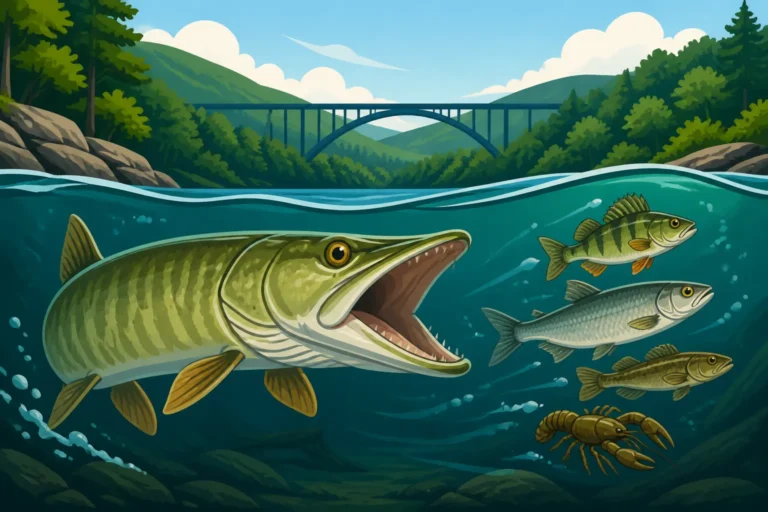
Their diet is quite varied, making them apex predators in their niche. They'll readily consume smaller fish, frogs, crayfish, and large aquatic insects. They are opportunistic feeders, taking advantage of whatever prey is available. This makes them a challenging and exciting target for anglers who appreciate their brute strength and aggressive takes.
Where These Ancient Fish Live and Hunt
In West Virginia, if you're targeting bowfin, you'll want to focus on areas that fit their profile: sluggish water, abundant vegetation, and generally warmer temperatures. Think about the quiet coves and backwaters of larger reservoirs and river systems rather than the main current. They love lily pads, dense coontail, hydrilla, and cattails along the shorelines. Submerged timber and brush piles also provide excellent ambush points.
For instance, on the lower Kanawha River or the main stem of the Ohio, look for areas with minimal current flow, such as side channels, sloughs, and protected embayments. These spots warm up faster and hold more vegetation, creating the perfect hunting grounds for bowfin. They are incredibly hardy fish and can withstand a wide range of water conditions once established. Their nocturnal tendencies mean they can be very active during twilight hours or even after dark, though they'll certainly hit a well-placed lure during the day.
Understanding their habitat preferences is key to targeting them. If you're fishing a clear, fast-moving river like the upper Elk River, you're highly unlikely to find a bowfin. But if you're exploring the weed-choked edges of a major lowland river, keep your eyes peeled – and your rod ready!
Fishing for a "Living Fossil": Techniques and Tips
Catching a bowfin is an experience every angler should have at least once. They are incredibly powerful, put up a furious fight, and their unique appearance makes them a memorable catch. However, they aren't always easy to specifically target, as they often strike baits meant for other predatory species. That said, if you know they're in an area, you can certainly increase your odds.
The key to catching bowfin lies in presenting baits or lures that mimic their natural prey in their preferred habitat. Since they are ambush predators, aggressive presentations near cover tend to work best. Think about fishing techniques that are effective for other warmwater predators like largemouth bass, especially those that involve working through heavy cover. You'll need sturdy gear to pull them out of the weeds!
When you do hook into a bowfin, be prepared for a battle. They have incredibly hard mouths and are masters of throwing hooks. Their powerful head shakes and relentless runs will test your tackle. They also have a tendency to roll in the line, so stout leaders are often a good idea. And always, always handle them with care, not just for the fish's sake, but for your own – those teeth are no joke!
Baits, Lures, and Tackle Considerations
Bowfin aren't picky eaters, but they do respond well to offerings that are flashy, smelly, or both. Live bait, especially minnows, shiners, or even small panfish, are incredibly effective. Present them under a bobber near weed lines or slowly retrieve them along the bottom. Cut bait, particularly oily fish like shad or skipjack, can also be irresistible to a hungry bowfin, especially if you're bottom fishing.
For artificial lures, anything that creates a commotion and can be worked through dense cover is a good bet. Spinnerbaits, chatterbaits, and weedless spoons are excellent choices. They provide flash and vibration, can be retrieved slowly through thick vegetation without snagging too much, and appeal to a bowfin's predatory instincts. Soft plastic worms or creature baits rigged Texas-style can also be effective when worked slowly along the bottom or jigged in pockets within weed beds. If you're stocking up on these, you'll find a wide variety of durable, weedless options on Amazon to fill your tackle box.
Tackle-wise, you'll want a medium-heavy to heavy action spinning or baitcasting rod, paired with a reel spooled with strong braided line (20-40 lb test is not overkill). This setup gives you the power to muscle a thrashing bowfin out of thick cover and withstand their strong runs. A fluorocarbon leader (20-30 lb) can provide some abrasion resistance against their rough mouths and teeth. And don't forget a good pair of long-nosed pliers for hook removal – these fish are not to be lip-gripped! You might even consider a robust pair of fishing gloves, also readily available on Amazon, for added protection.
Ecological Role and Management in West Virginia
Bowfin hold a unique place in West Virginia's aquatic ecosystems. As native, top-level predators in the specific habitats they occupy, they play an important role in regulating populations of smaller fish and other aquatic organisms. They are resilient and adaptable, able to thrive in conditions that would stress many other species. This hardiness contributes to the overall biodiversity and health of the warmer, slower water bodies where they reside.
Unlike some of the Invasive Fish Species in West Virginia Waters we worry about, bowfin are a natural part of our ecosystem in the Ohio River drainage. They are not considered invasive and do not pose a threat to native species in the same way an introduced species might. In fact, their presence indicates a healthy, albeit specific, habitat. Their "living fossil" status also makes them of great scientific interest, offering a glimpse into ancient fish lineages.
For anglers, understanding their ecological role often means appreciating them for the unique fish they are, rather than focusing solely on their edibility (which, admittedly, is often debated and depends heavily on preparation). Most anglers who target bowfin do so for the fight and the thrill of catching such an ancient and powerful fish, typically practicing catch and release. This approach helps sustain their populations for future generations to enjoy.
Native Status and Conservation Outlook
The bowfin is unequivocally a native fish to the Ohio River basin, including the parts of West Virginia that fall within this drainage. They have been present in these waters for millennia, long before modern human settlement. This native status means they are an integral part of the natural balance in their specific habitats. Their unique adaptations, such as their ability to breathe air, contribute to the resilience of these ecosystems, especially in periods of drought or low-oxygen conditions.
As a native species, bowfin are generally not subject to the same intensive management or conservation efforts as, say, endangered species or heavily stocked game fish like trout. They tend to maintain stable populations in suitable habitats. While there isn't a dedicated "Bowfin Conservation Program," their welfare is indirectly supported by broader efforts to maintain water quality and habitat integrity in the large river systems where they live. For example, maintaining healthy riparian zones and reducing pollution in the Ohio River benefits all native species, including the bowfin.
Anglers are encouraged to practice responsible catch and release when fishing for bowfin, using proper handling techniques to minimize stress and injury. Given their tough nature, they generally have a high survival rate after release, especially if handled carefully with appropriate tools like large nets and long pliers. It's a privilege to share our waters with such a unique and ancient creature, and ensuring their continued health is part of being a responsible angler in the Mountain State.
Disclaimer
This article is for general informational purposes only and does not constitute professional advice. Laws, prices and regulations vary by location and change over time. Consult a qualified professional for guidance on your specific situation.