Cheat Canyon whitewater fishing access
Fishing the roaring whitewater sections of rivers like Cheat Canyon can feel like trying to catch a fish in a washing machine – daunting, exhilarating, and often leaving you wondering how on earth to even get started, let alone safely land a lunker. This guide is all about demystifying Cheat Canyon's challenging yet rewarding waters, helping you find those elusive access points and navigate its powerful currents for an unforgettable angling adventure. It's a place where the scenery alone makes the trip worthwhile, but with the right approach, you can also connect with some incredible fish.
The Wild Heart of West Virginia: Understanding Cheat Canyon's Fishery
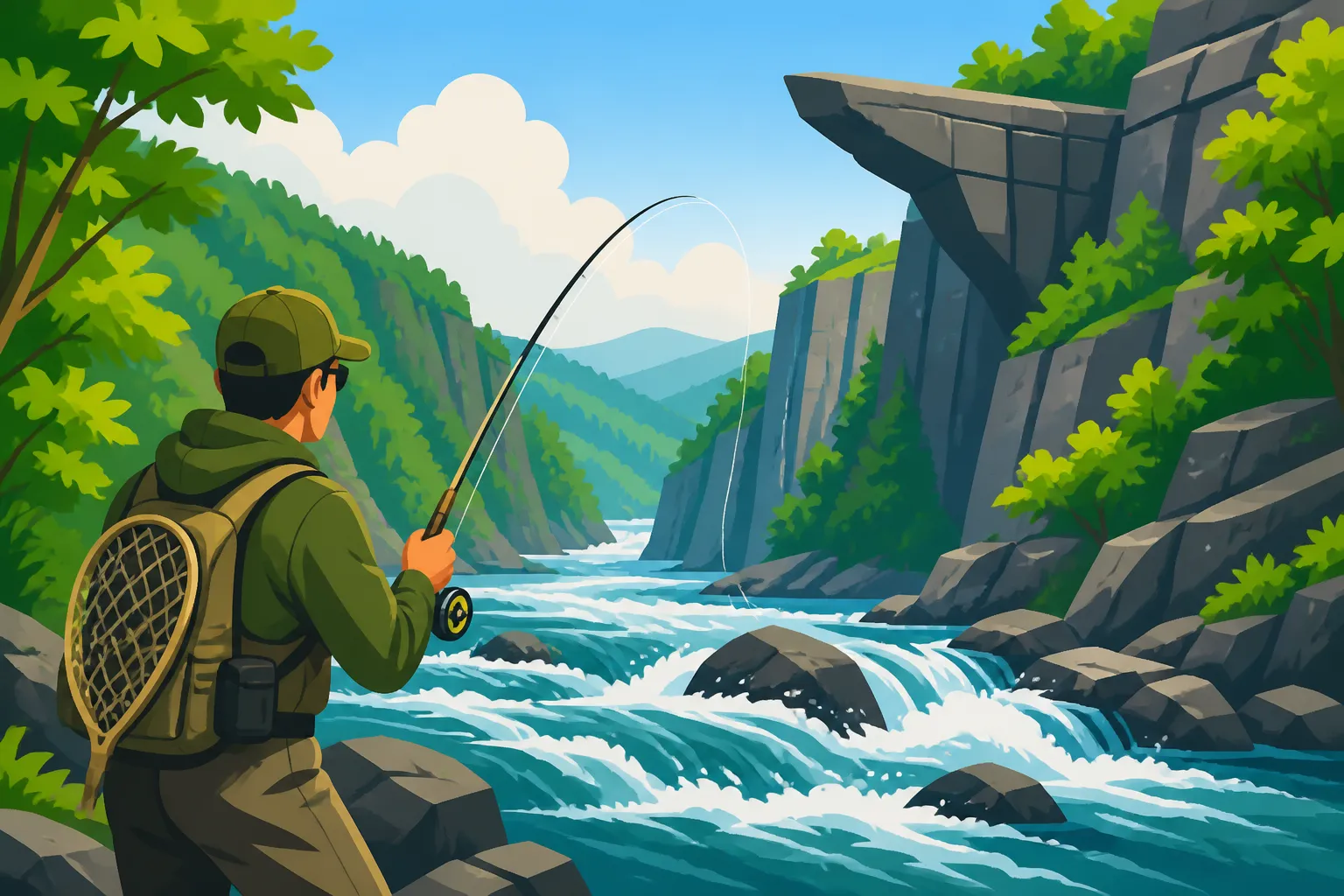
The Cheat Canyon, carved by the mighty Cheat River, is a true gem in West Virginia's natural landscape. It's not just a whitewater rafting paradise; it’s a rugged, untamed fishing destination that demands respect but offers immense rewards for those willing to venture into its depths. The river here flows through a deep gorge, creating a dynamic environment that constantly changes with water levels and seasons. Understanding this wild character is the first step to successfully fishing its whitewater.
The Rushing Rapids and Calm Pools
When most people hear "whitewater," they picture continuous, churning chaos. While Cheat Canyon certainly has its share of formidable rapids – like Big Nasty and Staircase – it's also punctuated by deeper, slower pools and eddies that provide crucial holding water for fish. These areas often form below major rapids, where the force of the water subsides, creating a sanctuary for fish out of the main current. Understanding this rhythm of rapids and pools is key.
Imagine standing on a rocky bank, the roar of a class IV rapid just upstream, only to find a perfectly calm, emerald-green pool eddying out below it. That's the magic of Cheat Canyon. The rapids themselves, while not ideal for casting, oxygenate the water and scour the bottom, creating a healthy environment. The real angling action, however, often happens in the transition zones, the seams where fast water meets slow, and in the quieter depths of the pools. These are the places where fish can rest, ambush prey, and escape the relentless current. The constant flow keeps the water cool and clean, which is a major draw for certain species, even during the hotter months.
Predominant Fish Species and Their Habits
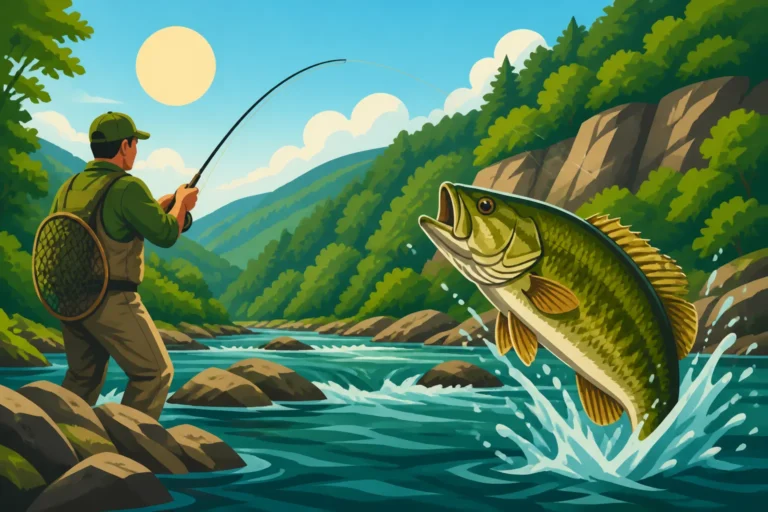
So, what kind of fish are tough enough to call these turbulent waters home? Cheat Canyon is primarily known for its feisty smallmouth bass, a species perfectly adapted to river life. You’ll also find various panfish, and in some of the deeper, cooler sections, especially downstream, you might even encounter walleye or muskie, though they are more elusive in the core whitewater stretches. The beauty of these wild fish is their incredible strength and fighting spirit, a direct result of living in such powerful currents.
Smallmouth bass in the Cheat thrive on the abundant crayfish and baitfish that inhabit the rocky bottom and cover. They often position themselves behind current breaks – large boulders, submerged logs, or ledges – waiting to ambush anything that washes downstream. Targeting these fish requires an understanding of their predatory instincts and where they seek refuge from the current. While not a primary trout fishery, some of the cooler tributaries feeding into the Cheat might hold wild trout, but the main stem's whitewater is largely a warmwater environment. For more on what these fish eat, you might be interested in a guide on what smallmouth bass eat.
Navigating the Challenges: Accessing Cheat Canyon's Whitewater
Accessing the truly wild, whitewater stretches of Cheat Canyon isn't like pulling off the highway at a public fishing pier. This is rugged, remote country, and getting to the best fishing spots often requires effort, planning, and sometimes, specialized equipment. It's a journey, not just a drive, and that's part of its allure for adventurous anglers.
Designated Public Access Points and Trailheads
While much of the Cheat Canyon is wilderness, there are some established access points, though they might still require a hike or a river journey to reach prime fishing water. Places like the Albright Bridge area or the put-in/take-out points used by whitewater rafters offer starting points. However, to get into the canyon itself, beyond these immediate areas, you're looking at more strenuous options.
Many anglers use these entry points as a launchpad for more remote excursions. For example, you might put in a canoe or kayak at a known access point and then paddle or drift downstream, fishing the eddies and slower pockets between rapids. Some areas might have old logging roads or trails that provide foot access, but these are often unmaintained and can be quite challenging, especially after rain. Always consult local maps and current conditions, and let someone know your float plan. Remember, understanding West Virginia Boating Laws for Anglers and West Virginia Fishing Regulations Explained are crucial before you even hit the water.
Utilizing Kayaks and Rafts for Remote Fishing
For many, the best way to fish the Cheat Canyon's whitewater is by floating it. Kayaks, canoes, and even small fishing rafts offer the mobility needed to reach otherwise inaccessible sections of the river. However, this isn't your average calm lake paddle. The Cheat River is a serious whitewater river, with rapids ranging from Class I to Class V, depending on water levels.
Choosing the right watercraft is paramount. A sturdy, stable fishing kayak, often a sit-on-top designed for rivers, is a popular choice for solo or duo anglers. Larger rafts, guided by experienced oarsmen, can accommodate more gear and people, offering a more comfortable, though less hands-on, fishing experience through the rapids. Always ensure your vessel is rated for the whitewater you intend to navigate. Safety gear, including appropriate life jackets for West Virginia Boaters, is non-negotiable. If you're considering a float trip, be sure to check out guides on Best Kayaks for West Virginia Fishing.
Here's a quick comparison of common river fishing access methods:
| Method | Pros | Cons | Best For |
|---|---|---|---|
| Wading | Quiet approach, direct contact with water, inexpensive. | Limited range, dangerous in swift/deep water, slippery rocks. | Short stretches, calmer pools, experienced waders with proper gear. |
| Bank Fishing | Easiest access, no special gear beyond tackle. | Very limited to accessible shorelines, often crowded near popular spots. | Beginners, quick trips, areas with maintained public access. |
| Fishing Kayak | Excellent mobility, stealthy, access to smaller pockets, hands-free fishing. | Requires paddling skills, can be challenging in strong currents/rapids. | Solo/duo anglers, moderate whitewater, accessing mid-river structure. |
| Raft/Drift Boat | Stability, carries more gear, comfortable, expert navigation often available. | Expensive, requires a shuttle, less stealthy than wading/kayak. | Guided trips, group outings, heavier whitewater, covering long distances. |
Considerations for Guided Trips and Outfitters
Given the inherent challenges and dangers of Cheat Canyon's whitewater, many anglers, especially those new to this wild terrain, opt for a guided trip. Outfitters like those found through platforms such as FishingBooker can connect you with experienced local guides who know the Cheat Canyon like the back of their hand. These guides not only navigate the rapids safely but also possess intimate knowledge of the river's fish-holding lies, current patterns, and the most effective tactics.
A guided trip is an investment in safety, knowledge, and maximizing your fishing success. Guides typically provide all the necessary safety equipment, specialized rafts or boats, and sometimes even tackle and flies tailored to the conditions. They handle the logistics, shuttles, and permits, allowing you to focus purely on the fishing experience. If you're serious about tackling this incredible river, especially for the first time, a professional guide is often the smartest choice. Searching for "Best Fishing Rivers in West Virginia" might give you an idea of other similar rivers where guides operate.
Tactics and Gear for Cheat Canyon's Demanding Waters
Fishing in whitewater is a different beast entirely. You're not just casting; you're battling current, reading water, and often trying to maintain balance, all while trying to present a lure or fly effectively to fish that are themselves constantly fighting the flow. This calls for specific gear and techniques that can stand up to the challenge.
Essential Rods, Reels, and Line for Whitewater
Forget your ultralight panfish setup for the main Cheat Canyon. You need robust gear that can handle powerful fish and the occasional snag in heavy current. For conventional tackle, a medium-heavy to heavy power spinning or casting rod, between 6'6" and 7'6" in length, is ideal. This gives you the backbone to fight strong fish and the leverage to cast heavier lures. Match it with a durable spinning or baitcasting reel with a smooth drag system and enough line capacity.
As for line, braided line with a fluorocarbon leader is almost universally preferred. The braid offers incredible strength, sensitivity, and resistance to abrasion from rocks. A 15-30 lb test braid tied to a 10-15 lb fluorocarbon leader (about 3-6 feet long) provides the invisibility needed for wary fish while maintaining durability. When you're dealing with sharp rocks and powerful currents, weak line simply won't cut it. For more specialized gear, anglers focused on specific species might want to read about the Best Tackle for West Virginia Smallmouth Bass.
Lure and Fly Selection for Turbulent Currents
The key to lure and fly selection in whitewater is getting down to where the fish are and maintaining control. Heavy jigs are often king, especially those rigged with soft plastic grubs, tubes, or creature baits that imitate crayfish. Colors like green pumpkin, brown, and black are consistent producers. Crankbaits that dive quickly and have a tight wobble are also effective, particularly lipless crankbaits or shallow-diving models in crayfish or baitfish patterns. Spinnerbaits and buzzbaits can work well in less turbulent pockets or over submerged structure.
For fly anglers, streamers that imitate baitfish or crayfish are essential. Think large, weighted patterns like Clouser Minnows, Wooly Buggers, or large articulated streamers in natural colors. Nymphing with heavy tungsten nymphs in deeper seams can also be productive. Presentation is everything; you need flies that sink fast and can be retrieved aggressively against the current. If you're passionate about the fly rod, exploring Fly Fishing for Trout in West Virginia, though focused on trout, might offer transferable insights into river dynamics.
Safety First: Gear Beyond the Tackle Box
I cannot stress this enough: safety is paramount when fishing whitewater. This is not a place to take risks. Beyond your fishing gear, you need essential safety equipment and knowledge.
- Personal Flotation Device (PFD): Always, always wear a properly fitted PFD, especially if you're on the water in a kayak, raft, or even wading in swift currents. This isn't just a suggestion; it's a legal requirement in many situations and a lifeline in others.
- Wading Staff: If you plan to wade at all, a sturdy wading staff is non-negotiable. It provides a crucial third point of contact, helping you maintain balance on slippery, uneven river bottoms.
- Appropriate Footwear: Wading boots with good traction (felt soles or sticky rubber with studs are best) are essential. Avoid flimsy sneakers.
- First-Aid Kit: A waterproof first-aid kit with essentials for cuts, scrapes, and other minor injuries.
- Communication Device: A waterproof cell phone (in a dry bag) or a satellite messenger for emergencies, especially in remote areas with no cell service.
- Water and Snacks: Stay hydrated and fueled.
- Knife/Multi-tool: Handy for cutting line, clearing snags, or other unexpected needs.
- Throw Bag: If you're floating with others, a rescue throw bag can be a life-saver for retrieving someone who has fallen out of a boat.
Always check water levels and weather forecasts before heading out. High water conditions can turn a challenging stretch into an impossibly dangerous one. Knowing how to react in high water, which you can learn more about in resources like Best Techniques for High Water Conditions, is critical. Remember, the fish aren't worth risking your life.
Preserving the Pristine: Best Practices and Regulations
Cheat Canyon is a wild place, and it's up to all of us to keep it that way. Practicing responsible angling ensures that this incredible resource remains healthy and productive for generations to come. This includes not only environmental stewardship but also adherence to all local regulations.
Catch and Release Ethos in Challenging Environments
While keeping a fish for the dinner table is certainly part of the angling tradition, the Cheat Canyon's smallmouth bass population, while robust, benefits greatly from a strong catch-and-release ethic. These fish grow slowly in river environments, and releasing them ensures a healthy breeding population and the chance for other anglers to experience the thrill of catching a trophy.
When you do catch a fish, handle it with care. Keep it in the water as much as possible, use wet hands to minimize slime coat damage, and release it quickly. Barbless hooks can also aid in a quicker, less traumatic release. Consider using a rubberized landing net instead of knotted nylon, which can damage fins and scales. If you are targeting muskies in these waters, you will want to read up on Muskie catch and release survival tips.
Understanding Local Fishing Regulations
West Virginia has specific regulations designed to protect its fisheries, and the Cheat River is no exception. Before you even make your first cast, you must have a valid West Virginia fishing license. You can find detailed information on how to get one in guides like the West Virginia Fishing License Guide for 2026 or Where and How to Buy a West Virginia Fishing License.
Beyond the general license, be aware of specific bag limits, size restrictions, and season dates for the species you're targeting. For instance, there might be special slot limits for smallmouth bass or specific regulations regarding bait use in certain sections. Always carry a copy of the current West Virginia Fishing Regulations Summary, or have access to it digitally, so you can confirm details on the spot. Ignorance of the law is never an excuse, and penalties for fishing without a license in West Virginia or violating regulations can be steep.
Finally, practice Leave No Trace principles. Pack out everything you pack in, including all trash, broken line, and discarded bait containers. Respect private property along the riverbanks, and be courteous to other river users, including rafters, kayakers, and fellow anglers. The Cheat Canyon is a shared treasure, and respectful behavior ensures everyone can enjoy its wild beauty.
Disclaimer
The information provided in this guide is for general informational purposes only and is not intended as legal or professional advice. Fishing regulations and conditions can change rapidly. Always consult the official West Virginia Division of Natural Resources (WVDNR) website or their current fishing regulations manual before planning any fishing trip to ensure compliance with all laws and for the most up-to-date information. Fishing in whitewater can be dangerous; always prioritize safety, wear appropriate personal protective equipment, and consider hiring a professional guide, especially if you are new to the area or whitewater environments.